

With the progressive rise in temperatures, sun exposure and the thermal contrasts typical of spring, outbreaks begin to intensify even before summer. “Rosacea is a skin condition in which there is an exaggerated vascular response. High temperatures promote sustained vasodilation that increases redness and flare-ups,” explains Dr. José Luis Ramírez, co-director of the Laser and Scar Unit at the Ricart Medical Institute (IMR).
Coinciding with the awareness month for this pathology, specialists insist on a key idea: rosacea is not treated only when a flare appears, but much earlier.
Far from having a single cause, rosacea responds to a combination of factors that, precisely in spring, coincide with particular intensity. Ultraviolet radiation, increased ambient heat, wind or abrupt changes in temperature—such as moving from outside to air conditioning—disrupt the skin barrier and favor inflammation.
“It is a strategic stage to anticipate, because outbreaks usually appear after sun exposure,” says Dr. Ramírez. Adjusting the routine now can make a difference during the warmer months.
Despite growing awareness about facial care, photoprotection remains the weak point in rosacea patients. According to Dr. Ramírez, the most frequent mistakes keep repeating year after year and the consequence is usually the same: cumulative inflammation and outbreaks weeks later.
Rosacea products available on Amazon
Revium MNA Rosacea Molecule for Redness
Day cream anti-redness formulated for rosacea- or couperose-prone skin, it soothes irritation and helps reduce the appearance of visible capillaries. It strengthens the skin barrier, provides deep hydration, and protects against external aggressors, preventing water loss. Its formula with 1-methylnicotinamide, dermatologically proven, regenerates the skin and regulates sebaceous function without irritation. Daily use to improve tone, even out the complexion and keep it balanced even in cases of high sensitivity.
Erborian CC Red Correct Green-Correcting Tint Cream
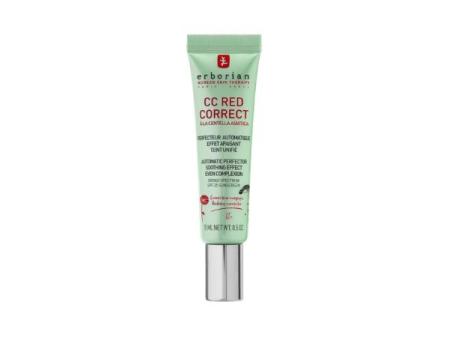
Smart correcting cream specially formulated for sensitive skin with redness or rosacea, that neutralizes redness thanks to adaptive green pigments. It hydrates, soothes and protects the skin while it transforms into a natural beige tone that unifies the face without a makeup look. Enriched with Asian centella, it helps reinforce the skin barrier and reduce daily sensitivity. Ideal as a single morning step: treatment, tone correction and urban protection in one gesture.
Toleriane Rosaliac AR Concentrate by La Roche-Posay
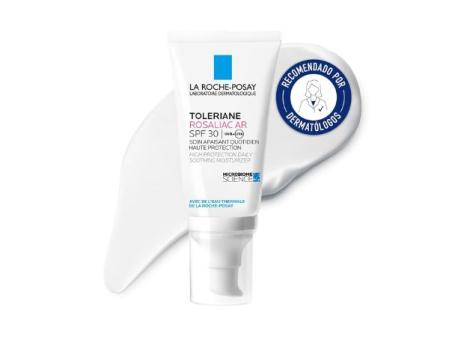
Intensive treatment formulated for sensitive skin with visible redness or rosacea, helping to reduce redness and the sensation of facial heat. Its soothing technology reinforces the skin barrier and improves the skin’s tolerance to external factors. Lightweight, non-comedogenic texture that hydrates without heaviness, ideal even for reactive skin. Perfect as a daily serum to calm, balance and prevent the recurrence of redness.
COSRX Niacinamide 15% Face Serum
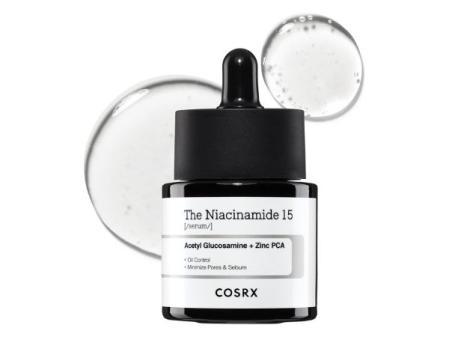
Soothing serum with 15% niacinamide designed to reduce redness, refine pores and visibly improve skin texture. The combination of niacinamide and zinc PCA regulates excess oil, adds radiance and helps prevent breakouts. Improves uneven tone and helps fade dark spots while strengthening the skin’s balance.
CeraVe Facial Moisturizing Lotion
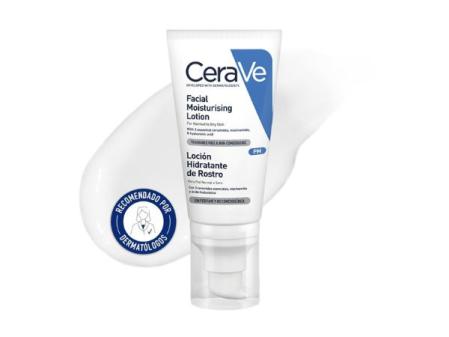
Light facial moisturizer formulated to reinforce the skin barrier and maintain hydration throughout the day without a greasy feel. Enriched with essential ceramides and hyaluronic acid, it helps calm sensitive skin and prevent dehydration. Its fluid texture absorbs quickly and is suitable even for reactive skin or prone to redness.
Anua Azelaic Acid 10% Hyaluronic Redness-Soothing Serum
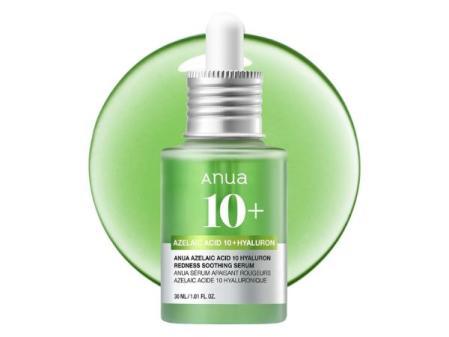
Soothing treatment with 10% azelaic acid that helps reduce redness, balance the skin and improve its even appearance. Enriched with wheat and barley extracts along with three types of hyaluronic acid, it provides deep hydration and lasting comfort. Its lightweight green-toned formula helps visually soften redness without leaving a greasy feel or clogging pores. Suitable for sensitive skin: apply 1 to 5 drops according to tolerance as part of the daily routine.
Mistakes to avoid if you have rosacea
- Not using sunscreen daily
- Choosing formulas that irritate or are too active
- Exposing yourself to the sun for long periods
- Forgetting to reapply sunscreen
- Thinking that cloudy days don’t damage the skin
In an era dominated by complex routines and multitasking cosmetics, rosacea demands exactly the opposite: simplification. “There is no single solution that fits all patients,” cautions the specialist, who emphasizes that care should rely on three fundamental pillars:
- Gentle cleansing
- Moisture aimed at repairing the barrier function
- Daily photoprotection for sensitive skin
Among the ingredients best tolerated by rosacea-prone skin are niacinamide, azelaic acid, panthenol, and ceramides. Conversely, it is advisable to avoid strong exfoliants, fragrances, harsh alcohols, or retinoids without medical supervision.
Prevention, key to avoiding a rosacea flare
Consistency—more than the number of products—is what truly stabilizes the skin. One of the messages dermatologists repeat most often is that sunscreen should be understood not as a cosmetic gesture but as a therapeutic measure.
“An SPF 50 or higher is recommended, preferably with mineral filters and, if possible, tinted to also protect against visible light,” explains Dr. Ramírez. Daily sun protection helps reduce vascular inflammation and prevents redness from becoming chronic.
Rosacea does not depend solely on the climate. Lifestyle plays a relevant role, though each patient presents different triggers. Alcohol, spicy foods or very hot drinks can promote outbreaks in some people, while in others they have little effect. Therefore, experts recommend observing each person’s skin response rather than adhering to universal restrictions.
The big mistake is usually waiting for the flare to be evident. Yet rosacea tends to give warnings first. Persistent redness, a sensation of facial heat, burning, visible blood vessels, or inflammatory lesions are early signals that should not be ignored. “At the first signs, start photoprotection, avoid known triggers and seek early medical advice,” cautions the specialist.
A medical and aesthetic treatment
Although many people try to control rosacea exclusively with cosmetic products, dermatologists remind that it is a chronic condition that requires medical management. “The treatment must be medical, not just cosmetic,” emphasizes Dr. Ramírez. There are different types of rosacea, and each one needs specific strategies.
Among current options, light-based technologies stand out, especially vascular laser, capable of acting directly on the vessels responsible for redness, with anti-inflammatory effects and regulation of sebaceous activity. The ultimate goal is not only to improve the skin’s immediate appearance but to control the disease in the long term and prevent its progression.