

There is something almost disconcerting about the arrival of the spring season: light flatters, enhances, softens… and yet, it also reveals. It is at this time of year that many women discover—almost overnight—that their skin is no longer as uniform as they believed. Spots appear, or rather, they come to light.
“People tend to think new spots appeared overnight, but in reality many of them were already there, latent,” explains Dr. Sergio Quintero. “What happens is that sunlight activates melanin and increases the contrast with the surrounding skin,” he adds. And it is precisely here where he debunks one of the great myths in aesthetic dermatology: “With the arrival of spring, skin spots become more visible… but it is also the key moment to act,” Quintero insists.
What Light Reveals
During winter, the skin lives in a kind of visual truce. Less sun exposure translates into a seemingly more uniform tone. But that is only appearance. “In winter we see skin as more homogeneous, but it’s a false sensation,” notes the doctor. “The accumulated sun damage remains, especially in the form of melanin deposits in specific areas,” he explains.
With the progressive rise in temperatures, there is also an increase in ultraviolet radiation, especially UVA rays responsible for photoaging. And then, what happens? Melanocytes—the cells responsible for producing melanin—activate, but not in a uniform way.
“The areas where damage already exists react more intensely. It is there that the stain darkens and becomes visible,” adds Dr. Quintero. To this process, a silent combination of factors is added: more hours outdoors without photoprotection yet established as a solid habit, slower cellular turnover after winter, and, in urban settings, the constant impact of pollution.
“Urban skin is subjected to ongoing aggression that amplifies the sun’s response,” he notes. In cases like melasma, hormonal factors come into play that cause even minimal sun exposure to trigger a disproportionate pigmentary response. “When there has already been a prior alteration, that area is programmed to react more easily,” he explains.
Treating Without Harm
In response to this scenario, aesthetic medicine has evolved toward treatments that are increasingly respectful of the skin, yet equally effective. One of the most established is intense pulsed light (IPL). “It is a very versatile technology, because it not only treats the spot but also improves the overall skin,” explains Sergio Quintero. And he adds: “We aim for skin that is more uniform, with better texture and more radiance, without resorting to aggressive treatments.”
IPL works through light pulses that are absorbed by melanin, fragmenting the pigment so that the body can eliminate it progressively. But its value lies not only in what it erases, but in what it provides: luminosity, a more even tone, and an overall improvement in the skin’s appearance. Additionally, it allows addressing other signs of photoaging such as diffuse redness or lack of radiance, in non-invasive treatments with minimal recovery times.
Spring: Yes or No?
For years, the message has been clear: depigmenting treatments are better in autumn or winter. But reality, as is often the case in medicine, is more nuanced. “The key is not the season, but the medical criteria,” clarifies the doctor. And he elaborates: “If the treatment is properly indicated and the patient follows strict photoprotection guidelines, we can work on many spots also in spring.”
The approach, he insists, must be personalized. Not all spots are the same, nor do they respond in the same way. Hence the importance of a good diagnosis in the consultation. And also to consider that your lifestyle must adapt to not exposing yourself to sunlight without extreme protection. Something you should do, whether or not you undergo medical treatment.
The Golden Rule
Beyond any technology or treatment, there is one gesture that continues to make a difference: daily sunscreen use. “This is not an aesthetic recommendation; it is a basic medical measure,” concludes Sergio Quintero. “Without photoprotection, any treatment loses effectiveness and the damage keeps advancing.”
Because if spring teaches anything, it is that the skin remembers. And taking good care of it – properly – never depends solely on the season. The best ally for youthful skin is sunscreen to ensure healthy and radiant skin in the future. Photoaging and its consequences do not respond to fashion; it is prevention.
Recommended Skin Care Products:
d’Alba Waterfull Tonifying Sunscreen Lotion SPF50+ PA++++
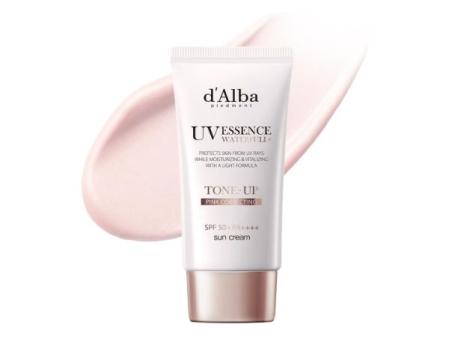
The d’Alba sunscreen combines the white truffle from Piedmont and vitamin E (Trufferol), delivering a potent antioxidant action. Its hybrid, light and residue-free formula protects with SPF 57 and PA++++ while hydrating and brightening the skin. The pink finish enhances the tone instantly, leaving a more even and luminous appearance.
Skin1004 Madagascar Centella Hyalu-cica Water-Fit Sun Serum SKIN1004
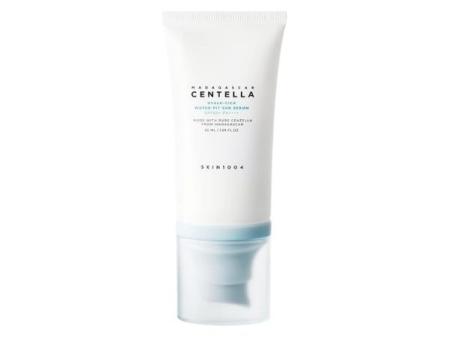
Combines Asian centella and hyaluronic acid to calm and intensely hydrate the skin. Its serum texture is ultra-light and quickly absorbed, leaving a fresh finish with no white residue. Offers high protection SPF50+ ideal for daily use even on sensitive skin. Provides a juicy and luminous glow, perfect for those seeking protection and treatment in a single gesture.
Daily Soft-Touch Sunscreen SPF50+ PA++++ PURITO SEOUL
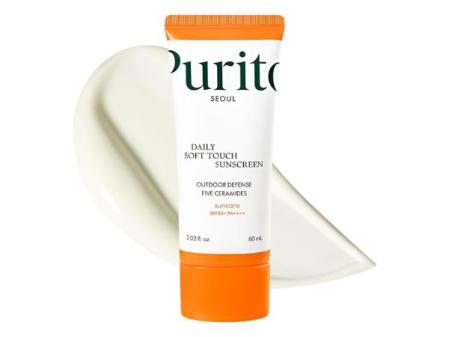
This sunscreen stands out for its formula with five types of ceramides, which hydrate intensely without leaving a greasy nor white residue. It offers very high protection SPF 50+ PA++++, creating an effective barrier against UV rays. Its resistant technology works against water, sweat and external factors like sand or the sea. Dermatologically tested, it is suitable for all skin types, including the most sensitive.
Garnier Day Serum for Dark Spots with Vitamin C
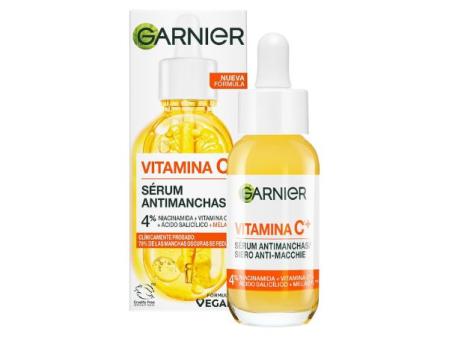
Garnier’s day serum for dark spots combines 4% niacinamide, vitamin C, salicylic acid, and Melasyl to even out tone and reduce spots. Its lightweight, fast-absorbing texture brightens the skin with visible results in a few days. Suitable for all skin types, including sensitive ones, it has been dermatologically tested.
La Roche-Posay Pigment-Reducing and Dark Spot Serum
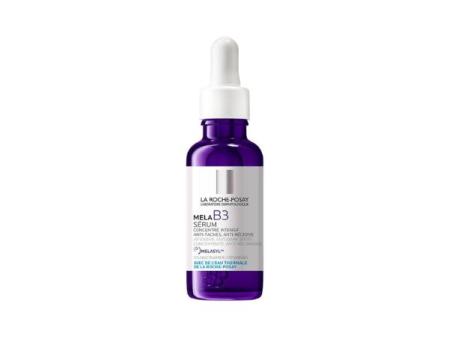
La Roche-Posay’s depigmenting serum is formulated to correct spots and unify skin tone. Its combination of active ingredients targets hyperpigmentation, improving radiance and texture. With a light, fast-absorbing texture, it is suitable even for sensitive skin. An effective option for treating spots progressively and with respect for the skin.
Neoretin Discrom Control Ultra
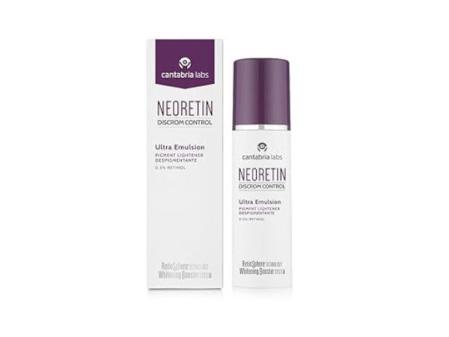
Formulated to combat persistent spots such as melasma or post-inflammatory hyperpigmentation. It combines retinoids (RetinDuo), niacinamide and tranexamic acid to renew the skin and influence melanin production. Its light texture promotes epidermal turnover, gradually improving tone, texture and radiance. Nighttime use is recommended, and it is not suitable for sensitive skin; always accompany it with daily photoprotection.