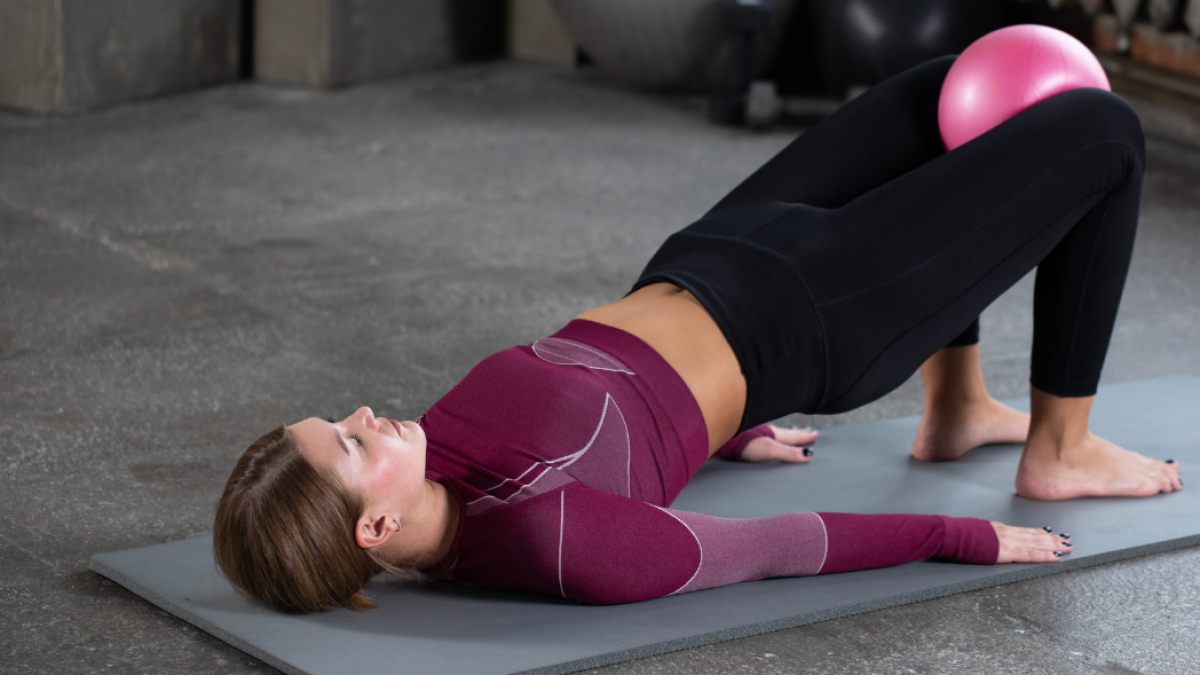
I must admit that I have also officially entered my pilates era. What started as a loose “just to try” class ended up turning into that moment of the day I don’t negotiate. Because pilates isn’t only about training: it’s about moving with intention, discovering muscles you didn’t even know existed, and that quiet strength that becomes noticeable in posture, in the way you walk, and even in your energy. It isn’t frenetic cardio or loud motivational shouts; it’s control, precision, and consistency.
And when I understood that I could practice it at home, without giant machines or endless memberships, everything changed. The living room ceased to be just a living room and became my small improvised studio. The key, though, lies in the right accessories: those that elevate the experience, intensify each movement, and make the routine stop being a passing attempt and become a real habit. These are the eight standout accessories that, in full pilates era, are redefining the way we train at home.
8 Essential Products for Practicing Pilates at Home
Non-Slip Mat: The Foundation of It All
If you practice pilates at home, this is the one piece you cannot improvise. A good mat prevents you from slipping in a plank, protects knees and back, and makes the session genuinely comfortable. This one is lightweight, easy to store, and has the right thickness to cushion without sinking. Additionally, the TPE material doesn’t emit a strong smell when opened (a detail that’s appreciated). It isn’t the most “Instagrammable,” but it’s the most important. If the base is solid, the rest flows.
Bandas elásticas: el accesorio que más notarás en glúteos
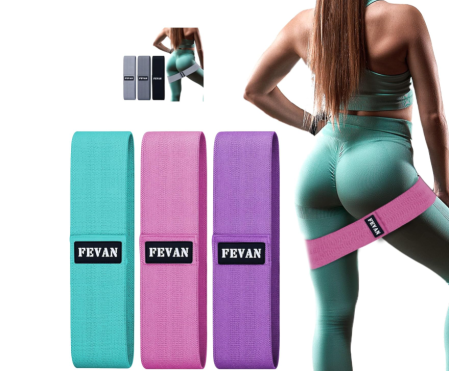
They don’t take up space, they don’t make noise, and yet they manage to turn a basic exercise into something serious. Place them above the knees in squats or glute bridges and you’ll immediately feel the work becoming more intense and precise. Being fabric, they don’t roll up or pinch the skin (yes, rubber ones can). And having three resistances lets you progress without changing your routine. They’re the kind of accessories that seem secondary… until you train without them and notice the difference.
Pilates Ring: The Small “Ouch” That Changes Everything
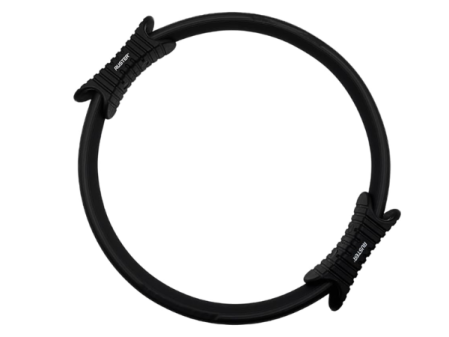
It is light, fits in any corner, and seems harmless… until you squeeze it. The ring adds resistance in very controlled movements, making arms, thighs, or abdomen work much more without needing extra weight. Works especially well in floor exercises and in sessions focused on toning without impact. And that inward-press gesture activates muscles that often go unnoticed. It isn’t essential to start, but once you try it you understand why so many routines include it. It’s the detail that raises the level without overcomplicating everything.
Pilates Ball: Small, But Strategic
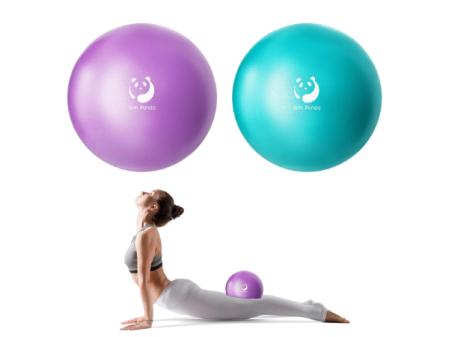
This is the type that seems “extra”… until you use it properly. Placed between the thighs, behind the back, or under the abdomen, it forces you to activate the core and improves stability in movements that are highly controlled.
Add difficulty without increasing repetitions. Also, that unstable point makes you work deeper, not faster. Ideal if you want to refine your technique and feel that the exercise is actually doing something.
Adjustable Dumbbells: When Pilates Gets Serious
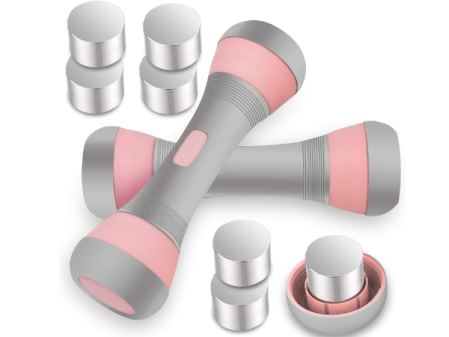
There’s a point at which bodyweight alone falls short. And that’s where dumbbells come in. Adding 1 or 2 kg to arm movements or floor exercises makes the session go from “soft” to effective. The interesting thing about this model is that you can adjust the weight without filling the house with loose plates. If you’re just starting, you can keep it light; if you already have a base, you increase the intensity without changing equipment. They aren’t essential on day one, but if you want to notice real progress in arms and shoulders, they make a difference.
Weighted Ankle Straps: The Extra That’s Barely Visible (But Noticeable)
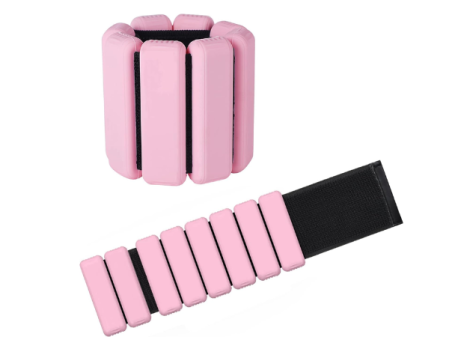
They are discreet, fast to put on, and make basic exercises like leg raises or glute kicks much more demanding without changing the routine. They provide constant resistance, so the muscle works throughout the movement, not just at the end. Ideal if you already have a base and want to raise intensity without complicating things with more equipment. They’re the next level when Pilates no longer challenges you as much.
Foam Roller: The Move That Keeps You From Giving Up
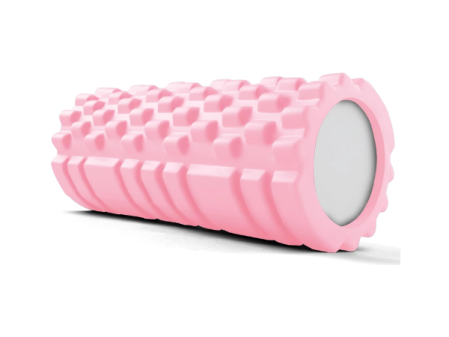
No es para entrenar, es para poder volver a entrenar mañana. El rodillo ayuda a liberar tensión en piernas, glúteos y espalda después de una sesión intensa y reduce esa sensación de rigidez que a veces te hace saltarte el día siguiente. No hace milagros, pero sí mejora la recuperación si lo usas con constancia. Cinco minutos al terminar pueden marcar la diferencia entre “me duele todo” y “mañana repito”. Es el accesorio menos glamuroso del lote, pero probablemente el más inteligente.
Non-Slip Socks: The Silent Upgrade
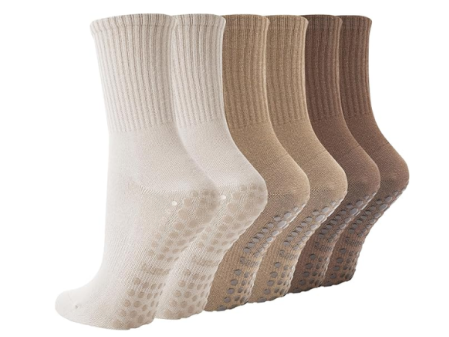
They may seem silly until you’re doing planks or a glute bridge and your foot slides. These socks prevent that small slip that ruins posture and keep you focused on the movement, not on balance. They’re comfortable, breathable, and if you train on a smooth surface, almost more useful than going barefoot. They don’t transform the routine, but they do make it steadier and safer. A proof that in Pilates, the details matter.
Which Accessories Do You Need Based on Your Level (and Which Can Wait)?
🟢 If you’re starting
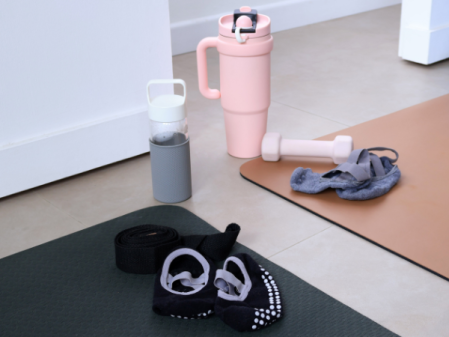
With a comfortable mat and elastic bands you have more than enough. About 80% of basic routines can be done with just those. The important thing here is to learn technique, engage the core, and build consistency. More accessories now won’t make you progress faster.
🟡 If you’ve been at it for a few weeks
When you start to notice that the exercises feel a bit too easy, it’s time to add something that challenges without breaking technique. Here the small ball or the Pilates ring come in. They’re perfect for activating the core more and making each movement more precise.
🔵 If you want to raise intensity
If you already have a base and are looking to progress, then yes: light dumbbells or ankle weights can make the leap. Not to make Pilates more aggressive, but more demanding. The key is to maintain control even as resistance increases.
🌀 The forgotten one
The foam roller isn’t about training more, but about being able to train tomorrow. If you train several times a week, investing in recovery is smarter than piling on weight endlessly.
Pilates era isn’t about posing or having the perfect setup, but about creating a habit that makes you feel stronger and more connected with yourself. With the right accessories—and without overcomplicating things—your living room can become that space you return to not out of obligation, but because it does you good.