
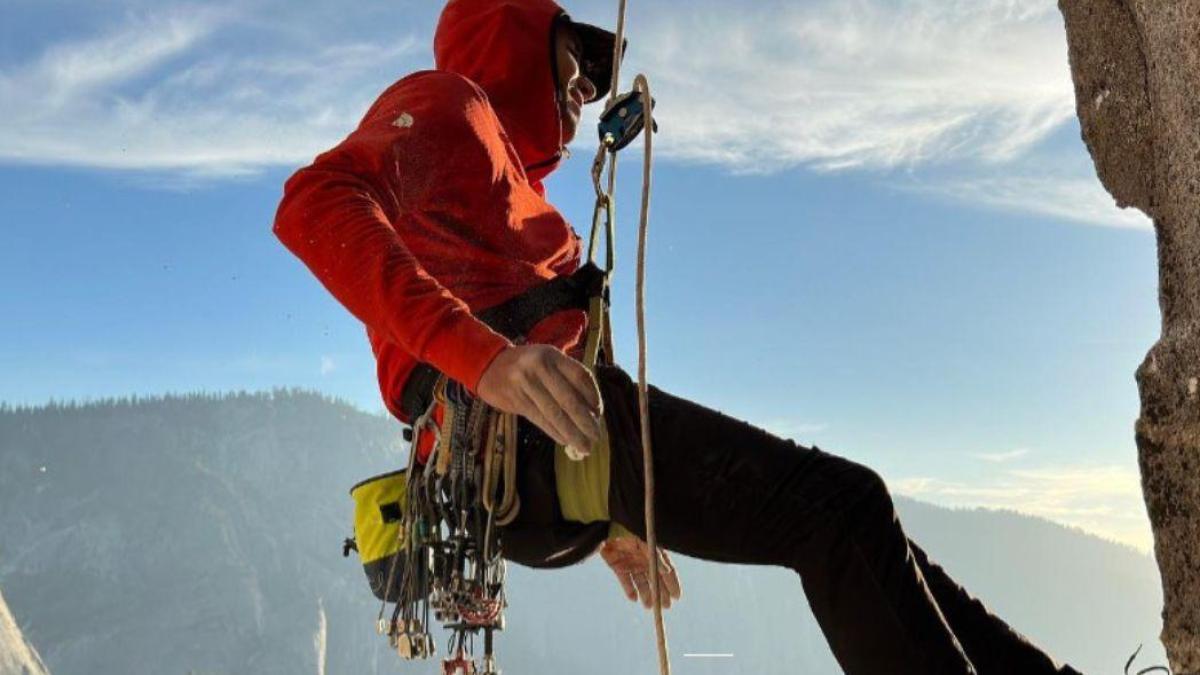
We know you’re not Alex Honnold. But that’s okay. You can still enjoy climbing and mountaineering to the fullest by staying properly secured, without risking your physical well-being in the pursuit of recognition. Remember that the essence of climbing lies in feeling free and connecting with nature, always with the tools and equipment needed to do so prudently. Stay safe, don’t take unnecessary risks, and fully enjoy this beautiful sport, especially if you don’t need to disconnect from the urban hubbub of the city…
If you’re feeling a bit lost, this content is for you. Next I’ll lay out a list of the essential basics you should have under control to maximize the experience, whether at the spot or anywhere. But beyond all this gear that follows, don’t forget the most important ingredient: enthusiasm and drive.
What you need to climb prudently starts with the basics, which I list in detail:
- Comfortable, well-fitted harness. It’s the foundation of everything: it should stay securely on you but not cut in, and be suitable for the type of climbing you’re doing.
- Certified rope in good condition. Sport or traditional, with the right diameter and regularly checked (no questionable “vintage” ropes).
- Reliable belay device. Beaked, assisted or semi-automatic devices (ATC, GriGri, etc.), well known and used correctly.
- Locking carabiners. Essential for the belayer and critical points; always with a locking mechanism and inspected.
- Quickdraws. Sufficient for the route you’re climbing, in good condition and properly clipped to prevent unusual wear.
- Helmet. Many people forget it in sport climbing, but it’s key on natural rock due to rock fall or gear drops.
- Climbing shoes appropriate to your level. You don’t need ultra-slim shoes: comfort, precision and confidence come first.
- Chalk and chalk bag. Keeping your hands dry improves grip and reduces simple mistakes.
Climbing gear that wins with mountaineers:
SOB Detachable climbing harness
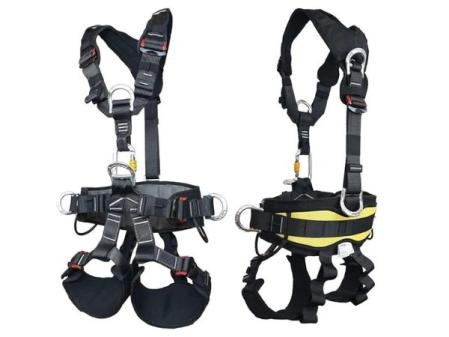
With this SOB detachable climbing harness, you move with greater confidence from the start, because it’s designed to give real safety. Its detachable and adjustable design fits your body well, distributing the weight comfortably whether you’re climbing, rappelling, or belaying. It feels steady, solid, and unobtrusive, which is crucial when you spend time hanging or need freedom of movement.
Its anti-fall and safety approach gives you an extra measure of confidence, especially if you don’t want to risk anything unnecessary. It’s a versatile harness, suitable for rock climbing, mountaineering or descent maneuvers, and designed to withstand regular use without losing reliability. Essentially, you have a simple yet effective kit to climb with your head.
10-meter nylon climbing rope
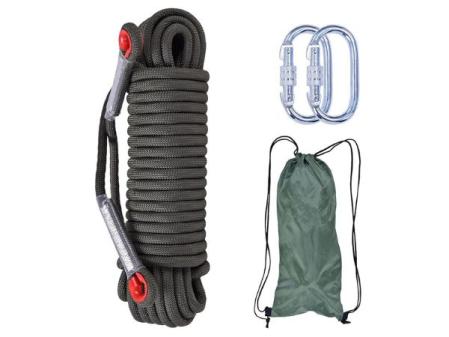
This 10-meter rope, 10 mm thick, is designed to provide safety and confidence in outdoor activities where there’s little room for error. Made from tough nylon, it offers a solid balance of robustness and flexibility, translating into comfortable handling whether you’re climbing, performing rescues, light rappels, or using it for camping and mountaineering. The diameter gives a firm, secure feel for those who prioritize control and reliability in every maneuver.
Includes two carabiners to facilitate immediate use and broaden its possibilities in various scenarios, from securing loads to setting up auxiliary lines or support systems. Its black finish gives it a sober, discreet look, while the material quality ensures good wear resistance and reliable outdoor use over time.
Lightweight mountaineering crampons Unigear
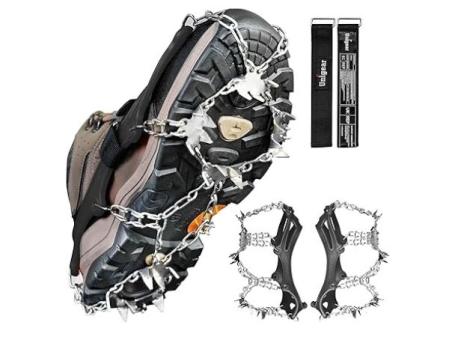
These Unigear crampons are the classic “extra safety” that completely changes how you walk and climb: once you put them on, traction multiplies and much of the sliding sensation disappears. With 24 steel points, they grip the terrain far more firmly, which is ideal for winter trekking, traverses on icy routes, camping trips, or approaches in mountains where the ground is treacherous.
Being lightweight and easy to mount over footwear, they become a must-have to carry in your pack and use when really needed. The anti-slip design is aimed at providing stability with every step, reducing scares on slopes, shaded sections or packed segments. They’re, in short, a highly practical accessory to move with more security and keep enjoying the mountains when the terrain gets tricky.
SOB locking carabiners
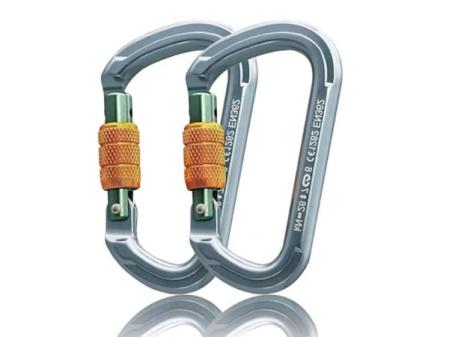
We continue with these SOB locking carabiners, designed for when real reliability is required: secure closure, solid feel in the hand, and predictable use in key maneuvers. The screw-cap system helps to prevent accidental openings, essential in both climbing and rappelling, belaying or setups where safety must come first. Being crafted from aerospace-grade aluminum 7075, they blend high strength with light weight.
Coming in a pack of two, they fit perfectly as trusted carabiners for critical points: anchors, belay devices, anchor points, or even load-bearing tasks in outdoor activities (always using them correctly and following safety rules). The heavy-duty design communicates durability and stable performance with continued use. They are two sturdy, practical carabiners to build safer systems and gain that extra peace of mind.
MonkeyTail adhesive tape for climbing
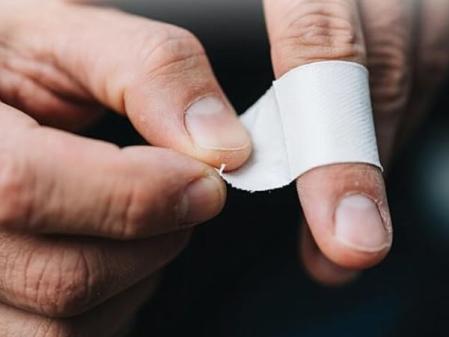
This MonkeyTail tape for fingers is the typical basic that ends up becoming indispensable when there are back-to-back climbing sessions or sensitive skin. At 1.5 cm wide and 10 meters per roll, it allows for lots of bandaging and quick adjustments, whether to protect finger joints, reinforce pulleys, or cover small abrasions before they become a problem.
Being a strong tape, it holds up well in bouldering and climbing where rubbing and pulls are constant. It comes in a pack of 3 rolls, so there’s always a spare to carry in the backpack, leave one at the gym, and keep one at home. It also fits activities where the fingers take a beating — fitness or soccer — because it provides support and protection.
Universal climbing helmet ALPIDEX
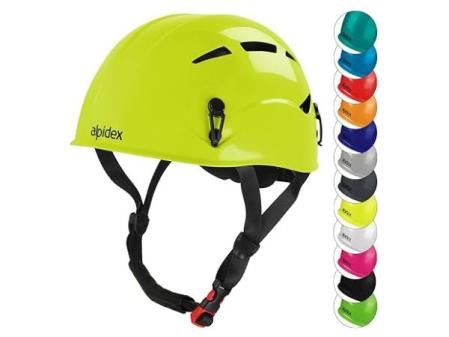
Now for another essential piece for your climbs. This ALPIDEX climbing helmet is one of those gear items that really makes a difference in peace of mind. It meets EN 12492 certification, so it’s designed to protect against impacts and falling stones, a key factor when climbing on natural rock or spending time belaying from below. Its universal design makes it suitable for both youth and adults, with an easy adjustment that fits a range of sizes.
It’s comfortable to wear for hours, without a sense of confinement or excess weight, encouraging you to wear it routinely and not just “when required.” The range of colors adds a personal touch without losing the technical focus, and ventilation helps keep the head cooler on long days. All in all, it’s a reliable, practical, and easy-to-use helmet.
TENAYA climbing shoes
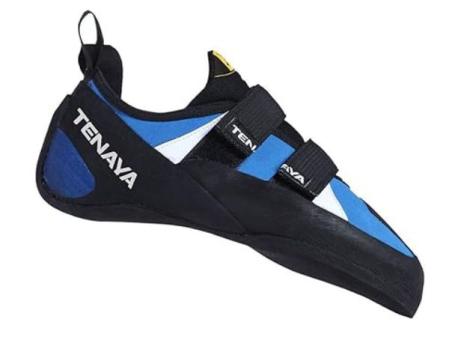
The Tenaya Tanta are climbing shoes designed to climb with comfort and progress with a good feel from day one. Their approach is more all-round than aggressive: they offer a friendly fit with a secure but manageable feel, whether for long practice sessions in the gym, easy sport routes, or blocks that you can climb without destroying your feet. The precision for small footholds is there, but without forcing you to suffer as with very technical models.
They respond very well when it’s time to learn technique: edging, grip, weight shifts… all with a sole that conveys confidence on rock and on plastic. They are a very well-rounded choice for someone wanting reliable climbing shoes to train, improve, and climb longer, with a very good balance between comfort and performance.
Chunky Chalk 400g + Chalk Bag
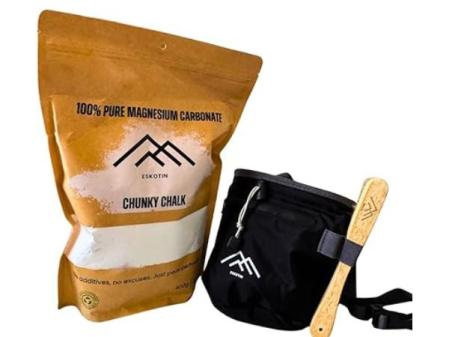
We finish with this complete chalk kit that solves the grip issue in one go, without needing to buy anything separately. It includes chunky chalk of 400 g, which combines powder and chunks to better dose and keep hands dry when heat or sweat tightens, whether in sport climbing, bouldering or tough workouts.
The chalk bag comes ready to hang and use, comfortable for quick recharges between attempts and maintaining a steady pace in each session. On the other hand, the included brush is the perfect complement to leave holds and crimps clean, especially in bouldering, where dust and rubber accumulate and can ruin a good grip. The pack also fits very well for weightlifting and calisthenics, because it improves grip on bars, rings or dumbbells when you need to squeeze hard.
FAQs: Frequently asked questions and tips on the right gear you need to climb
What gear is a must-have “yes or yes” to start rope climbing?
Harness, climbing shoes, helmet (especially on rock), dynamic rope, belay device, locking carabiners and quickdraws (if you’ll be leading). Tip: at first, prioritize certified and comfortable gear over the flashiest, most “pro” options.
What’s the difference between a normal carabiner and a locking (secured) one?
The locking one prevents accidental openings and is used at critical points (belayer, anchors, anchor rope). Advice: for belaying and the main system, a locking carabiner is preferable; non-locking ones are suitable for less critical uses or auxiliary equipment depending on the setup.
How do I know if the rope I’m going to buy is the right one?
It depends on the use: for sport climbing you use a dynamic rope; the diameter affects durability and handling, and the length depends on the route or area. Advice: check certifications (UIAA/CE), inspect the sheath condition, and avoid cheap ropes.
Is a helmet really necessary if I only do sport climbing?
On natural rock, yes, it’s highly recommended: it protects against falling rocks, gear, or blows in a fall, and it helps when moving around at the base. Advice: if you climb outdoors, wearing a helmet should be habitual, not an exception.
What extras make a difference for climbing better and with fewer injuries?
Chalk plus bag, a brush to clean holds, finger tape, and keeping your shoes and harness properly adjusted. Advice: taping does not replace technique or rest; it’s for protecting skin or providing targeted support, but if something really hurts, you need to stop and inspect carefully.