
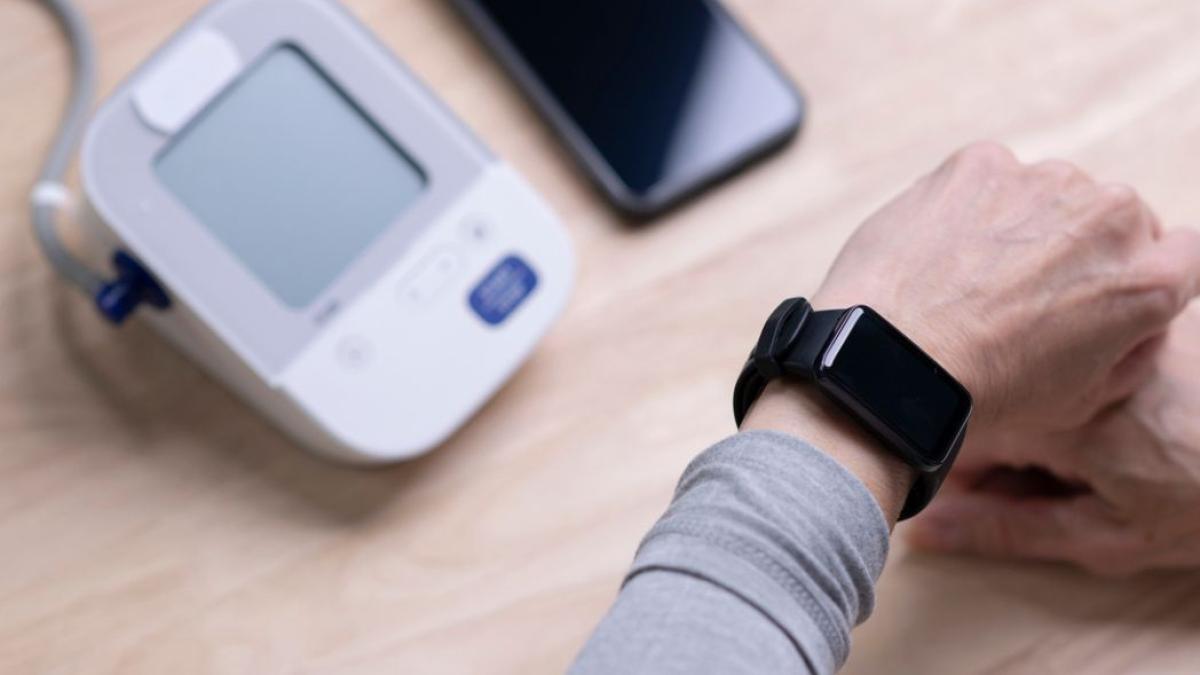
If you’re looking for watches to measure blood pressure, there’s a key point: not all “measure” in the same way. Those that integrate a cuff/airbag-style system come closer to a sphygmomanometer. Those that calculate pressure with sensors and an algorithm typically require calibration and are better for trends than for clinical decisions.
Important (read before buying)
A smartwatch does not replace a validated blood pressure monitor or a healthcare professional. Do not change medication or make clinical decisions based on a single reading. Samsung, for example, specifies limitations and warnings (no diagnosis, usage restrictions such as pregnancy/age and certain conditions).
TOP 3: our quick pick
These are the three models that make the most sense if your priority is blood pressure, but with different approaches: Huawei goes for the “cuff-type” measurement, Samsung is the full smartwatch with blood pressure as an extra (with conditions), and ASUS bets on sensor-based estimation (more useful for habit and tracking).
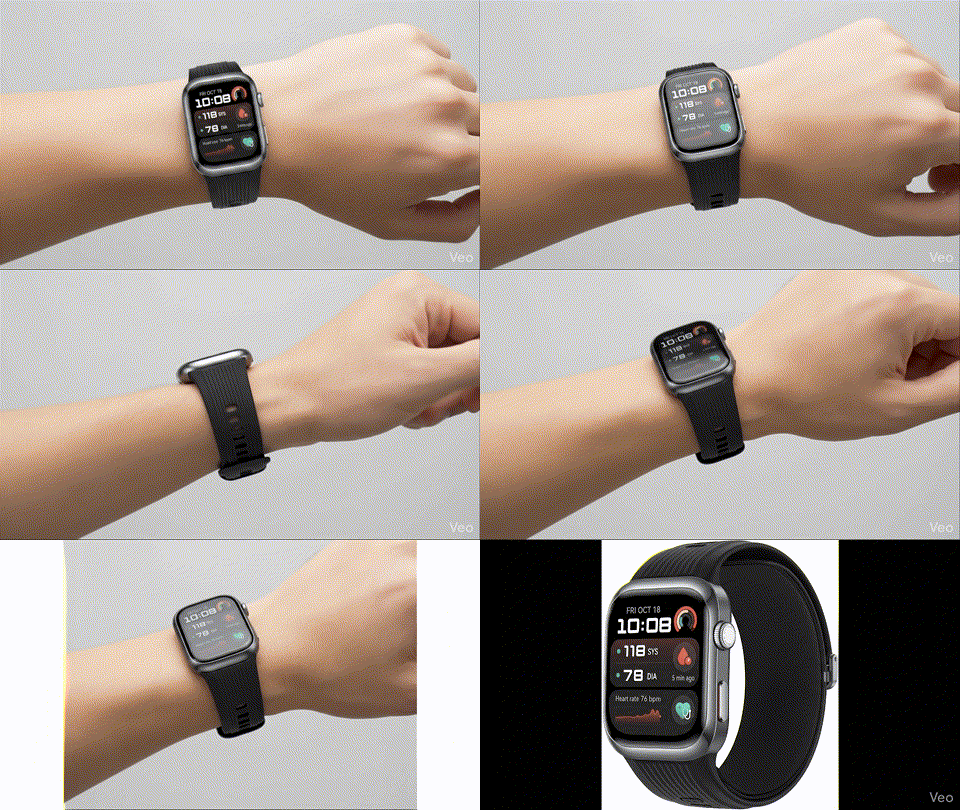
Huawei Watch D2
Integrated cuff
The Huawei Watch D2 is the most advisable if your real priority is measuring tension routinely from the wrist. Huawei presents it with a measurement system supported by a mechanical airbag (cuff-type) and positions it for health monitoring. If you buy it “for the pressure,” it is the most direct approach in this TOP 3.
Why it could be your purchase
- Gets straight to the point. It doesn’t rely solely on “estimates.” The feel is more akin to a blood pressure monitor than a watch.
- To create a routine. If you struggle to use a cuff, here you have it on the wrist. That helps more than it seems.
- But it requires care. Fit, posture and rest matter. If you wear it haphazardly, you’ll get frustrated.
For whom it makes sense
- Hypertension / frequent monitoring: fits better than a “cuffless” watch.
- Older people: if they’re looking for a simple routine and repeatable measurements.
- Stress and habit control: useful for history and tracking.
✔️ Pros:
- Feels more like a sphygmomanometer than a watch. The cuff-type measurement provides more reassurance if you buy it for the tension.
- Ideal for routines. You put it on, sit for a minute, and repeat without assembling the arm cuff each time.
- For profiles “I’m concerned about my health.” If your focus is controlling values (and not so much apps), this is in its territory.
- Lots of buyer feedback. A volume of reviews to see real cases and not just the product page.
❌ Cons:
- Not the most “fun” smartwatch. If you come for apps, payments and top features, Samsung usually gives you more.
- If you wear it poorly, it misleads you. Fit and posture matter a lot; if you’re the type who wears it “as it falls,” you’ll be frustrated.
- Don’t buy peace of mind based on one reading. If a reading looks odd, you should repeat and verify with a proper sphygmomanometer. (This is key with any watch.)
Samsung Galaxy Watch 8
All-round smartwatch
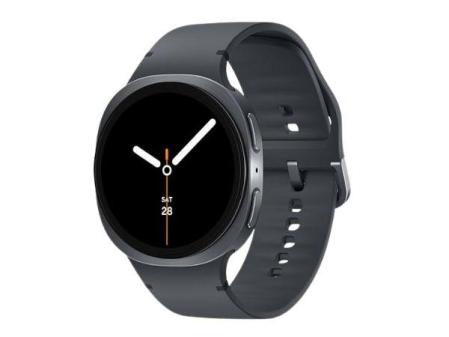
The Samsung Galaxy Watch 8 is the option for those who want a full-fledged smartwatch and, in addition, blood pressure as an extra feature. Here it’s wise to have realistic expectations: Samsung specifies usage restrictions (for example, pregnancy/age and certain conditions) and makes it clear that it is not for diagnosis. If you already use a blood pressure monitor, it can be a good complement.
Why it could be your purchase
- All-round watch. If you want notifications, sports, sleep and daily life, Samsung tends to be solid.
- Blood pressure is an extra. It isn’t intended to replace a sphygmomanometer. It’s for monitoring and context.
- Has rules. Samsung outlines when not to use the feature. It’s a good sign, but you must read it.
For whom it makes sense
- Samsung users (Galaxy phones): the ecosystem is usually the #1 reason.
- Athletes and daily use: great all-around watch, PA as an extra.
- Data curious: if you like to see trends, it fits.
✔️ Pros:
- The all-rounder watch. If, besides health, you want a watch for daily life (notifications, sport, etc.), this is where it shines.
- Health part is well guided. Samsung makes clear what it is and isn’t (no diagnosis), and that’s a good sign.
- Perfect if you already have a Samsung phone. The experience tends to be smoother and you avoid hassles.
- Nice extra control. If you already measure with a cuff monitor, the watch helps you see trends and remember to monitor.
❌ Cons:
- Not a “put it on and you’re done” for blood pressure. Blood pressure usually requires calibration and following the process.
- Has limits and conditions. Samsung lists restrictions (e.g., age and certain arrhythmias) and regional availability.
- If your obsession is blood pressure, there are more direct options. It’s an excellent watch, but the PA here is a supplement, not the main feature.
ASUS VivoWatch SP
Resting measurement
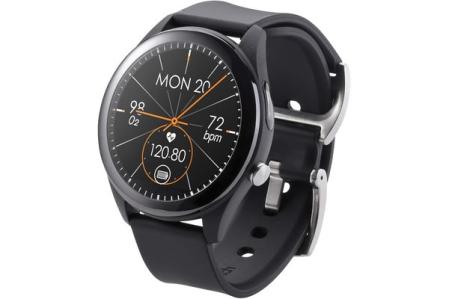
The ASUS VivoWatch SP fits if you’re looking for a health wearable in a classic sense to maintain habits and log metrics. ASUS explains it incorporates ECG and PPG sensors and records the Pulse Transit Time (PTT), a typical approach for estimates and trends. Translation: useful for tracking, but don’t expect the “sphygmomanometer feel.”
Why it could be your purchase
- Helps you stay consistent. If you’re missing a routine, a less cluttered watch can be exactly what you need.
- Estimates, not inflates. There’s no cuff/airbag. ASUS bases its calculation on signals and algorithms.
- Better as a complement. If you already have a blood pressure monitor at home, this adds context without replacing it.
Para quién tiene sentido
- Budget and habits: if you want general tracking and logging.
- Who already has a blood pressure monitor at home: and uses the watch as a complement.
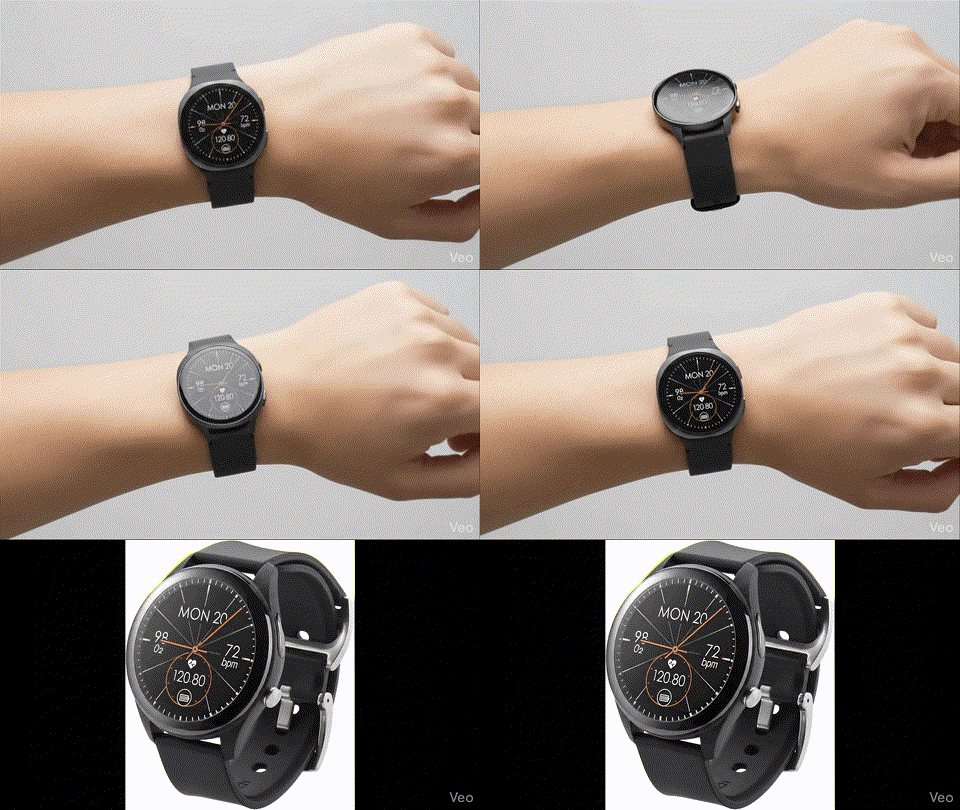
✔️ Pros:
- Health-focused, not posture. It is more about measuring, recording, and tracking habits than about showcasing features.
- Good idea if you already have a cuff monitor at home. Use it as support for trends and keep the cuff monitor for confirmation.
- Helps you build a routine. Many people improve through consistency, not gadgets. A simple watch could be exactly what you need.
- Clear technical explanation from ASUS. They talk about ECG+PPG sensors and PTT estimation: at least you know where the data comes from.
❌ Cons:
- Not a cuff. It’s estimator based on sensors/algorithm, so don’t expect the same feel as a sphygmomanometer.
- More sensitive to conditions. If you’re not resting, or the signal isn’t good, the reading can vary quite a bit.
- May depend on app and availability. On Amazon, stock/editions vary and the experience may differ by version.
Clear comparison to decide
How to use a blood pressure smartwatch without fooling yourself
Always measure at rest, with the arm supported and the watch snug. Avoid measuring right after coffee, tobacco, alcohol or exercise. If one day you read high, repeat in 5–10 minutes. And if it repeats, confirm with a validated blood pressure monitor. Samsung emphasizes limitations and that it is not for diagnosis.
Frequently asked questions about watches to measure blood pressure
Which watch truly measures blood pressure?
The one that comes closest to a sphygmomanometer is the one that includes a cuff/airbag system. In this guide, the Huawei Watch D2 fits best with that idea because Huawei describes that mechanism for wrist-based measurement. Still, it does not replace a validated cuff.
Does the Samsung Galaxy Watch 8 work for people with hypertension?
It can serve as a complement for trend and context, but Samsung sets restrictions and warns that it is not for diagnosis. If you have hypertension, the prudent approach is to keep a validated cuff monitor and use the watch for habits (consistency, tracking, reminders).
Who is it worth buying one for?
For very different profiles: hypertensive people (trend tracking), athletes (resting context), older adults (routine), and anyone living under stress who wants to see which days it spikes. The key is to use it with a method, not out of anxiety.
Does ASUS VivoWatch SP measure tension like a sphygmomanometer?
Not in the same sense. ASUS explains a sensor-based approach using ECG+PPG and PTT estimation: useful for trends and habits, especially at rest, but it does not deliver the same experience as an inflatable cuff.
What if I have arrhythmias or I’m pregnant?
Extra caution. Samsung explicitly states not to use the blood pressure function during pregnancy and mentions conditions (like arrhythmias) within its restrictions. If there is a diagnosis or symptoms, prioritize a validated cuff monitor and medical guidance.
What should I do if the watch gives me odd values?
First, repeat at rest and check fit/posture. Second, compare with a cuff monitor. Third, if it repeats, consult a professional. The watch’s value is about trends, not a single loose number on a bad day.
Quick conclusion
If your priority is measuring blood pressure, choose the approach closest to a cuff-based method. If you want the best overall smartwatch, prioritize the ecosystem. And if you’re after habit and tracking without hassle, ASUS may fit as a complement. In all cases: readings with calm and clear thinking.
- PA as priority: Huawei Watch D2 (airbag/cuff).
- Best overall smartwatch + PA as an extra: Samsung Galaxy Watch 8
- Habit and trend tracking: ASUS VivoWatch SP (ECG+PPG/PTT).