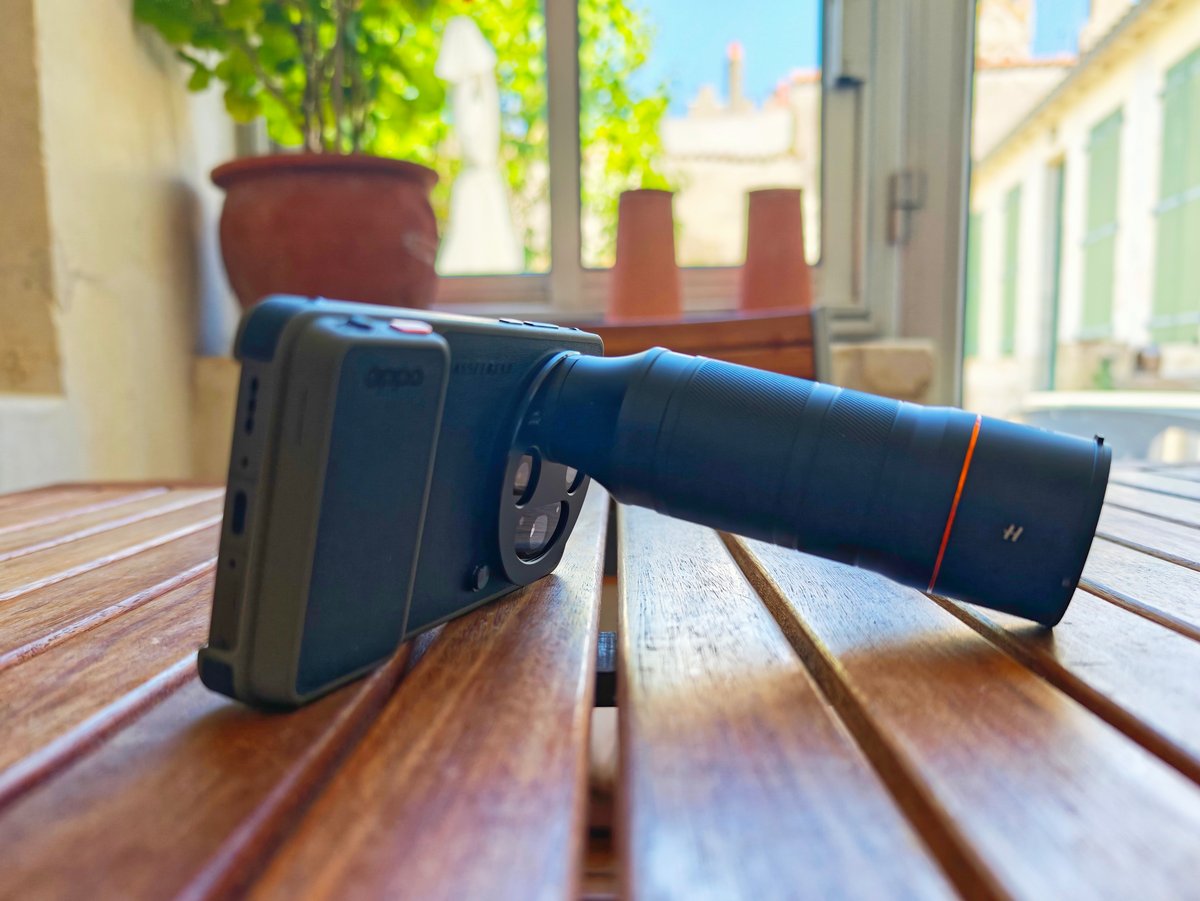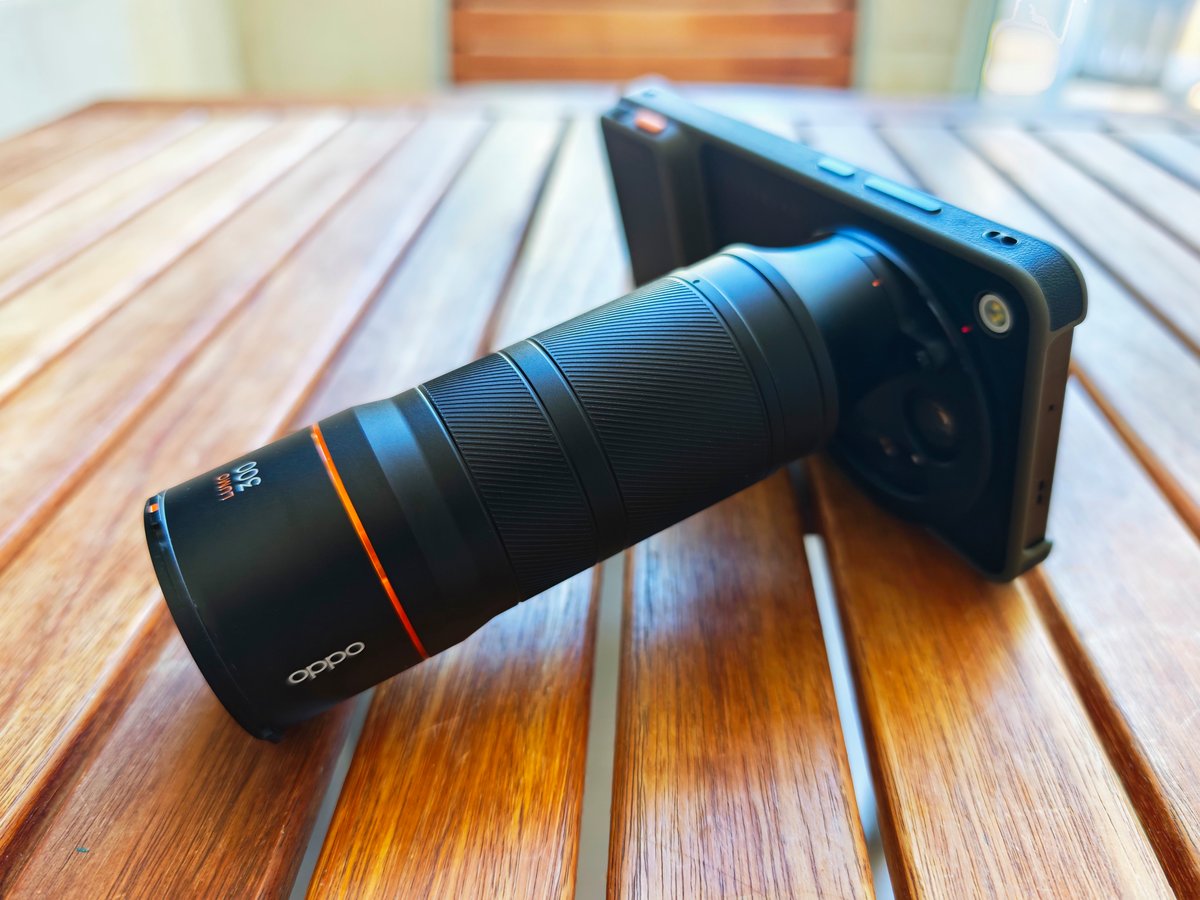
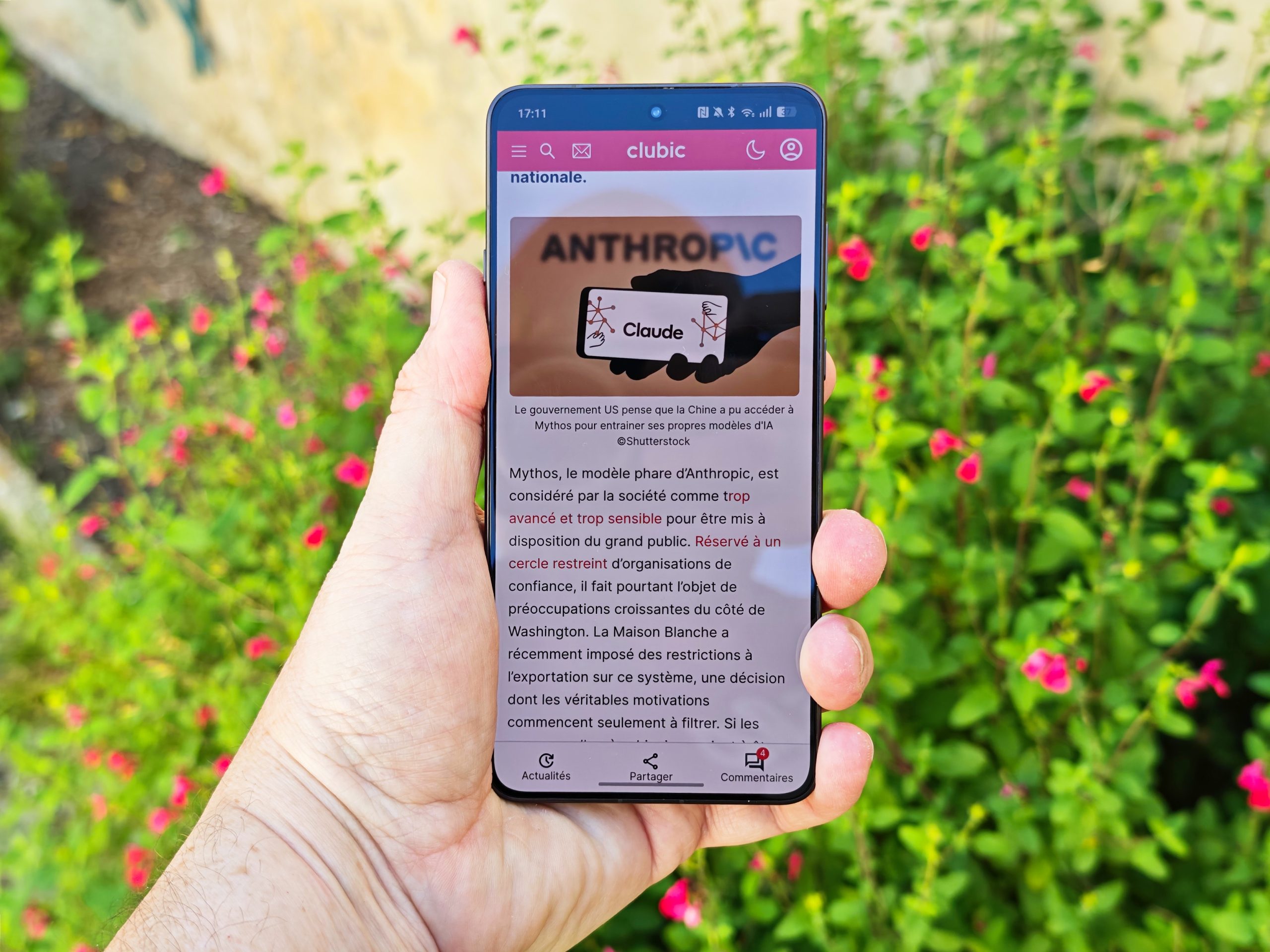
All comes true: OPPO finally markets an “Ultra” model in France! After the Find X7 Ultra and X8 Ultra reserved for the Chinese market, it is finally shipping its Find X9 Ultra to Europe. And it doesn’t do things halfway: a Hasselblad-branded pentacam, two 200-megapixel sensors, an unprecedented 10x periscope telephoto, a 7,050 mAh battery, and a 144 Hz display. On paper, it’s a festival.
9 / 10
- 10x optical zoom
- Overall photo quality; Hasselblad rendering
- AI Mind Space
- Battery life
- Beautiful display
- Sky-high price
- Ultra-wide is a bit behind
- Heavier and thicker than rivals
- No charger included
The bill is just as impressive, since the Find X9 Ultra is offered in France at 1,699 €, in a single configuration of 12 GB of RAM and 512 GB of storage. It is simply the most expensive smartphone OPPO has launched here, above a Galaxy S26 Ultra or a Xiaomi 17 Ultra with similar storage. At this price, it better verge on perfection.
Is this European Ultra worth a detour, or did OPPO bite off more than the photo module can chew? We spent a month with it to verify. Spoiler alert: photographers will find it hard to put down.
The camera that dressed as a smartphone
The Find X9 Ultra doesn’t even try to pretend it is just another smartphone. OPPO fully embraces the Hasselblad lineage, and more specifically with the X2D, whose testing model “Tundra Umber” borrows its cues: a grey-green leather-like back, OPPO and Hasselblad logos aligned horizontally, and a prominent circular camera module.
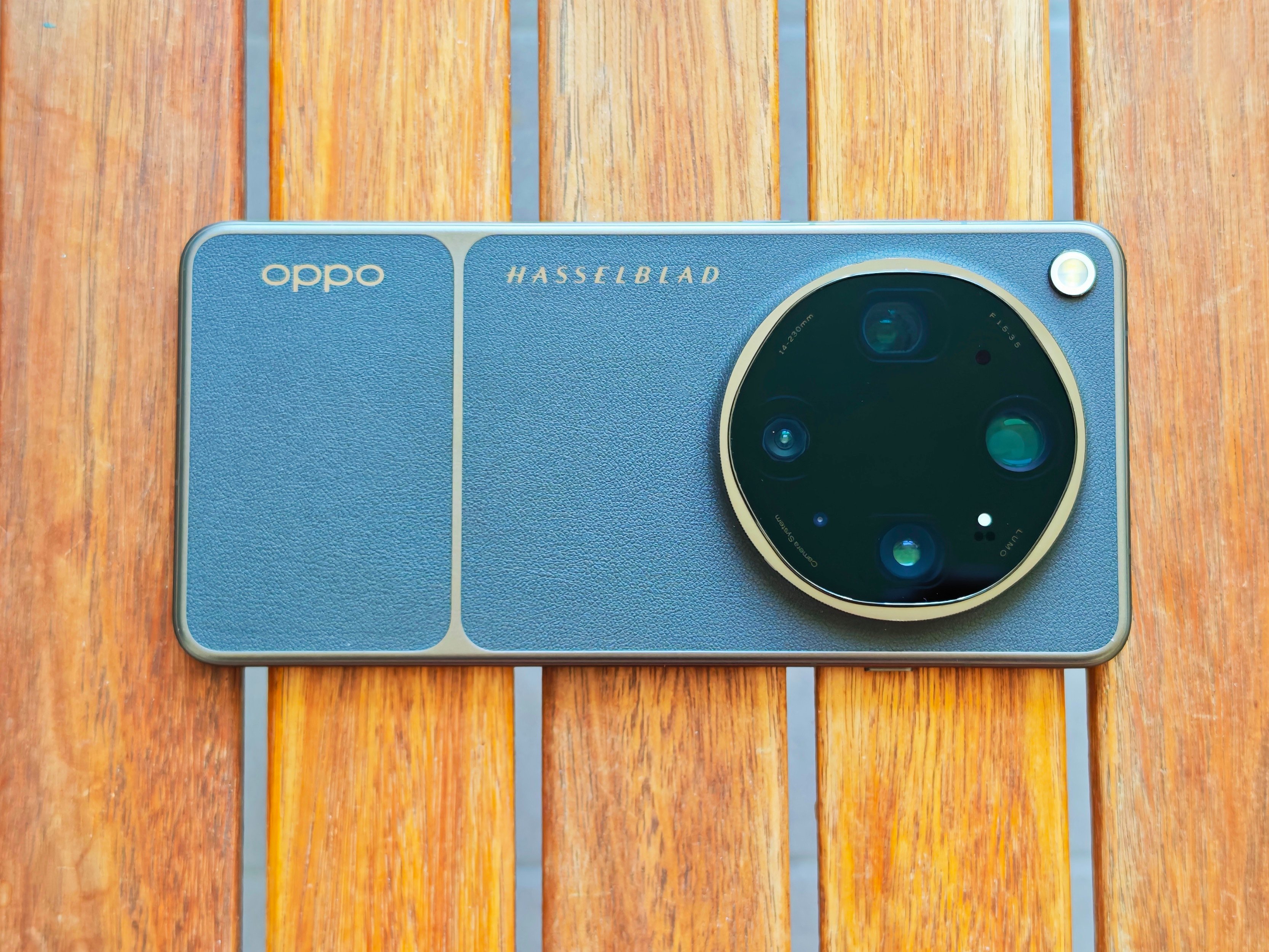
This unit is wrapped in a machined knurling recalling the focus ring of a lens. An orange trim, signature of the Swedish brand, circles the whole. Placed on a table, it resembles more a sleek compact camera than a mere smartphone.
The Find X9 Ultra is offered in an “Orange Canyon” version that swaps the leather for a back made of “aeronautical” fiber with a wavy pattern. It is marginally thinner (8.65 mm vs 9.10 mm) and just as imposing (163.2 x 77 mm at 236 grams).
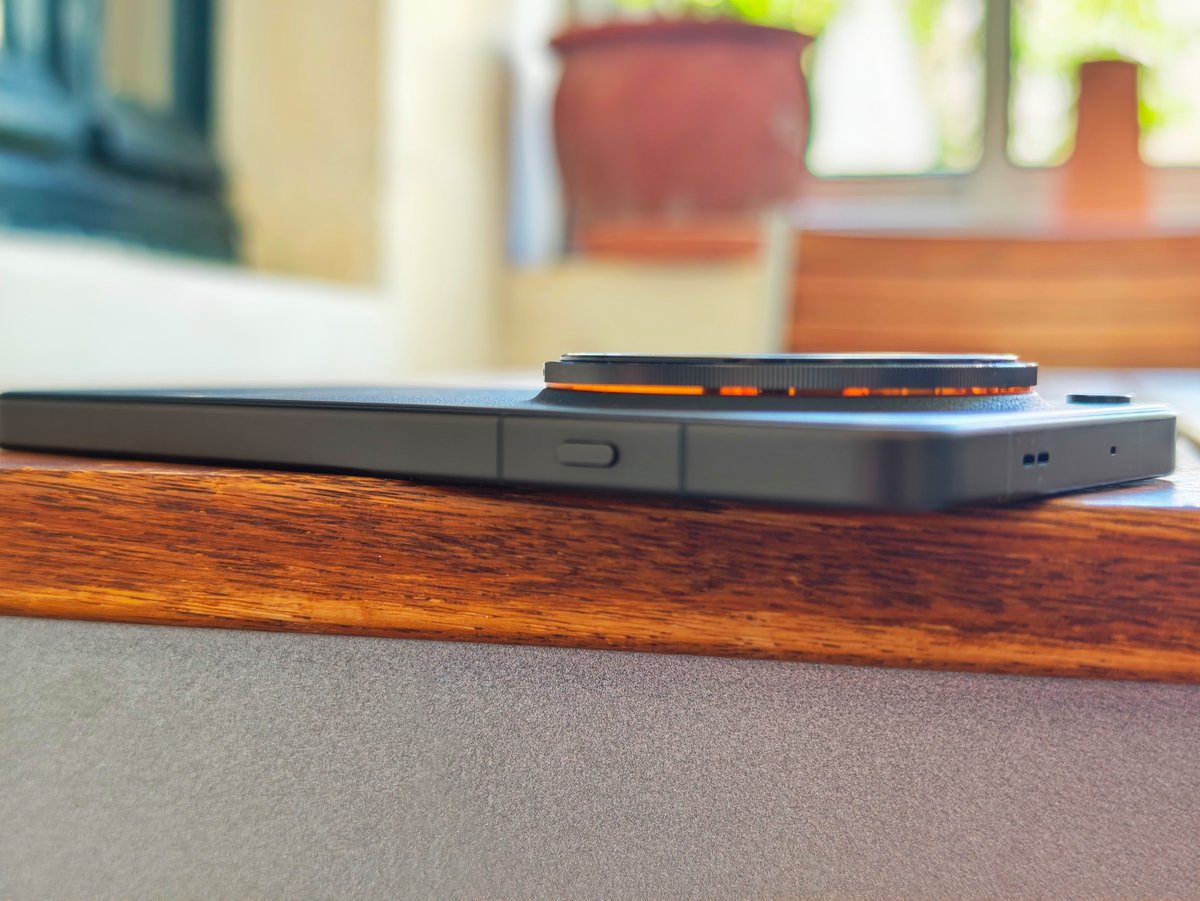
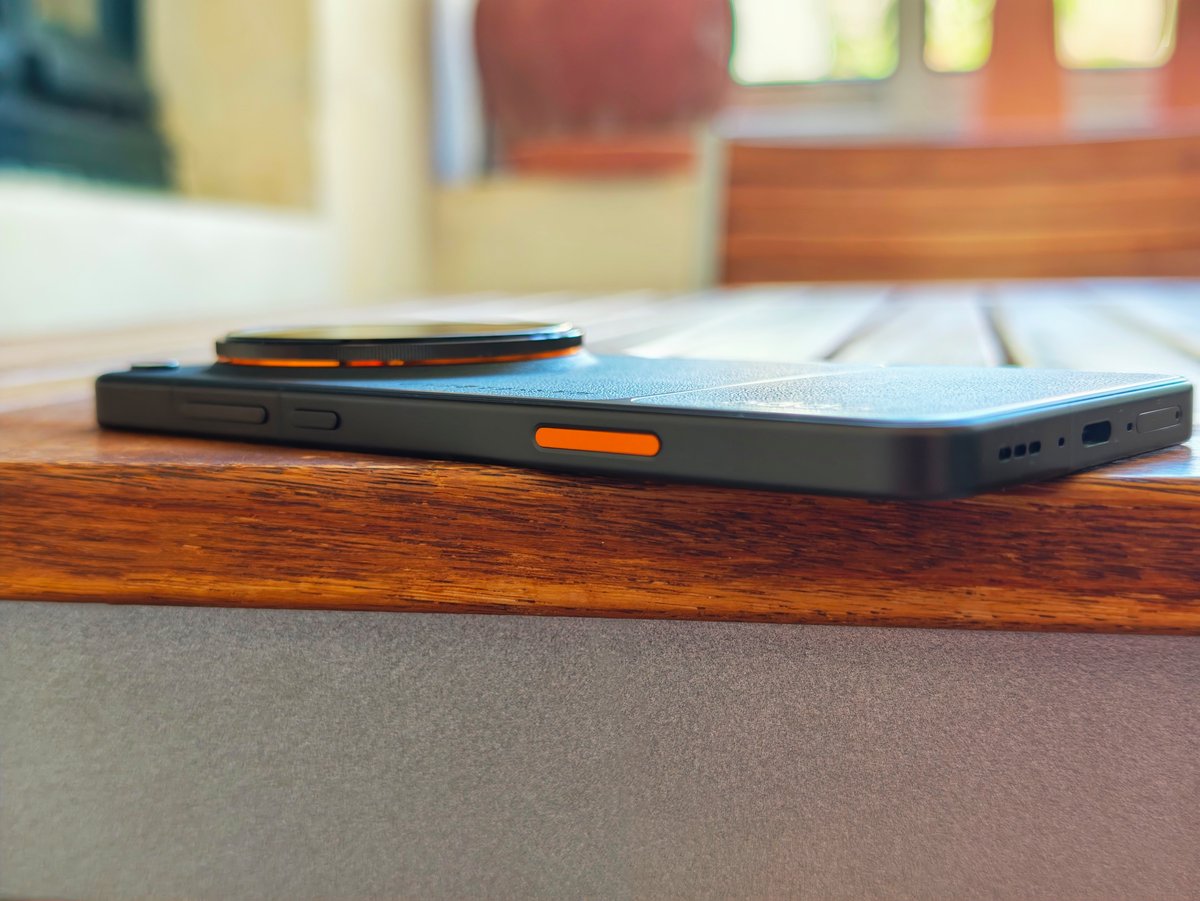
It’s heavy, thick around the camera module and a bit unwieldy for small hands. Still, the leather-like back feels good in the hand and offers a sturdier grip than polished glass. For a device you’ll often hold in landscape mode to shoot, that’s welcome.
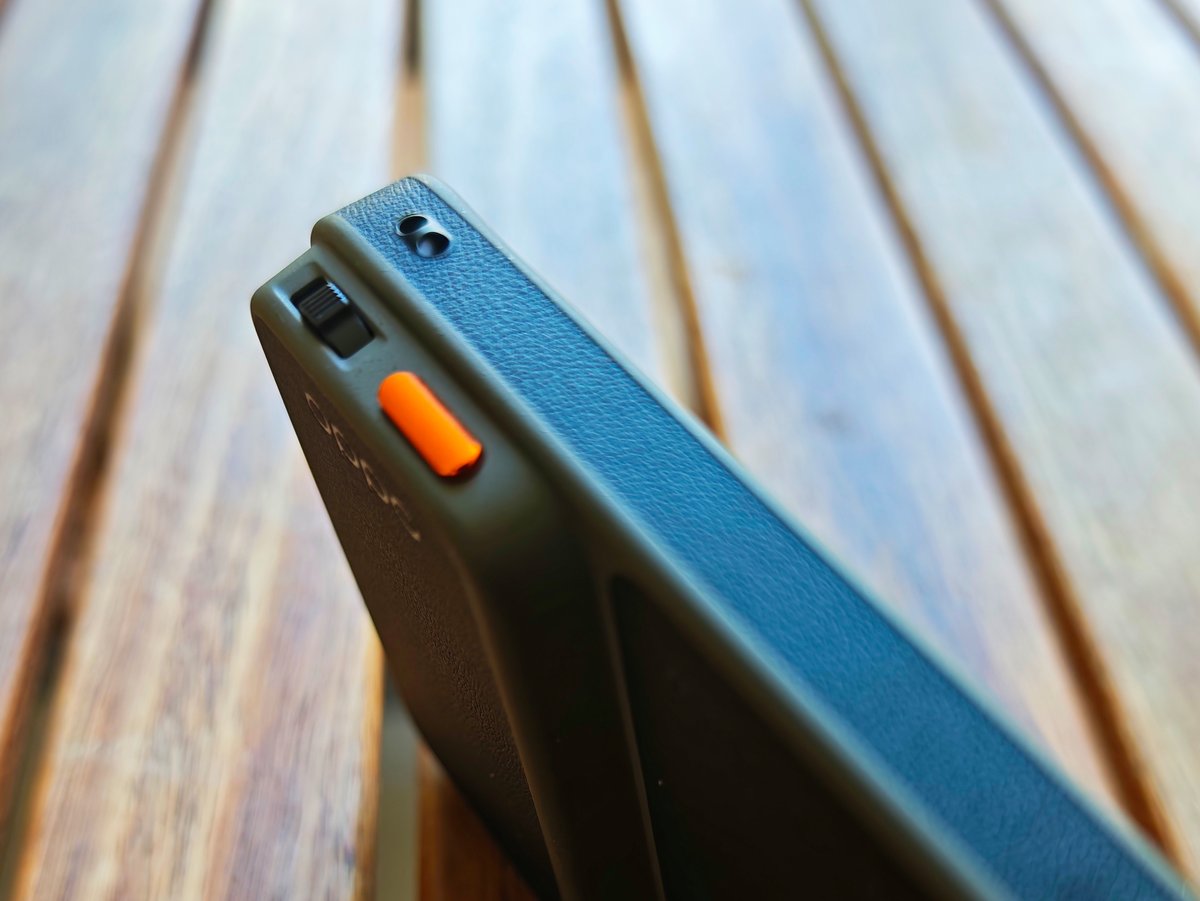
OPPO added an orange accent on the side. It acts as a tactile shutter and responds to pressure. Its operation is close to that found on the Find X8 Pro released at the end of last year. A double press launches the camera, a finger swipe across its surface controls the zoom, and a firm press captures the shot. In use, it’s smooth and fairly natural, especially in landscape mode.
In terms of durability, there’s nothing to complain about: it is rated IP66, IP68 and IP69 while the display is protected by a Gorilla Glass Victus 2 sheet. The Splash Touch feature also allows using the screen with wet fingers. Data security is handled by an under-display ultrasonic fingerprint reader, which we find fast and reliable.
The display at its best
The Find X9 Ultra sports a 6.82-inch LTPO AMOLED panel, with a QHD+ resolution (3,168 × 1,440 pixels, 510 ppi) and a variable refresh rate from 1 to 144 Hz. The bezels are slim (1.4 mm) and perfectly symmetric, making the whole thing easy on the eyes.
In practical use, the display behaves impeccably. Brightness climbs to 1800 nits in typical use and can peak at 3600 nits in HDR highlight areas. Legibility in bright sun is excellent, which is fitting for a phone aimed at outdoor photography.
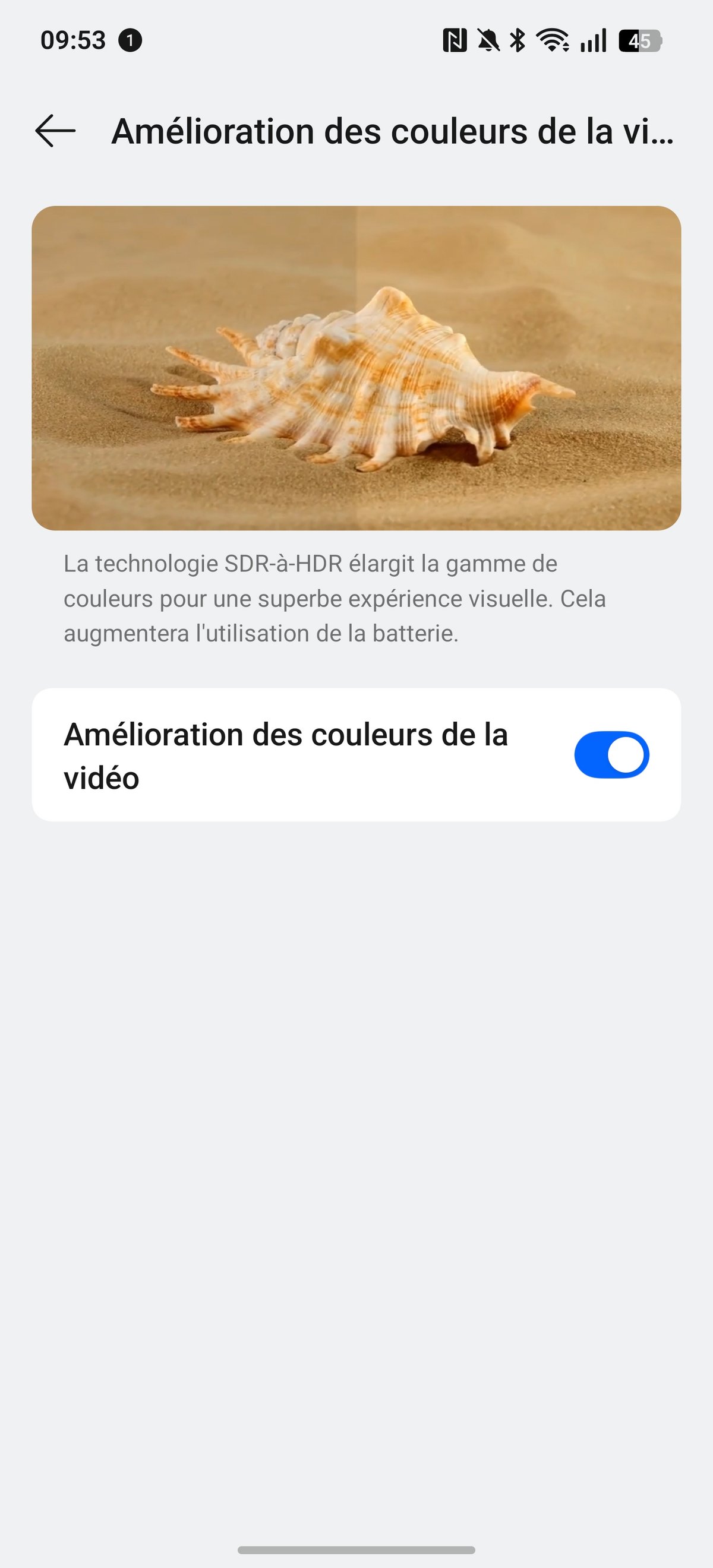
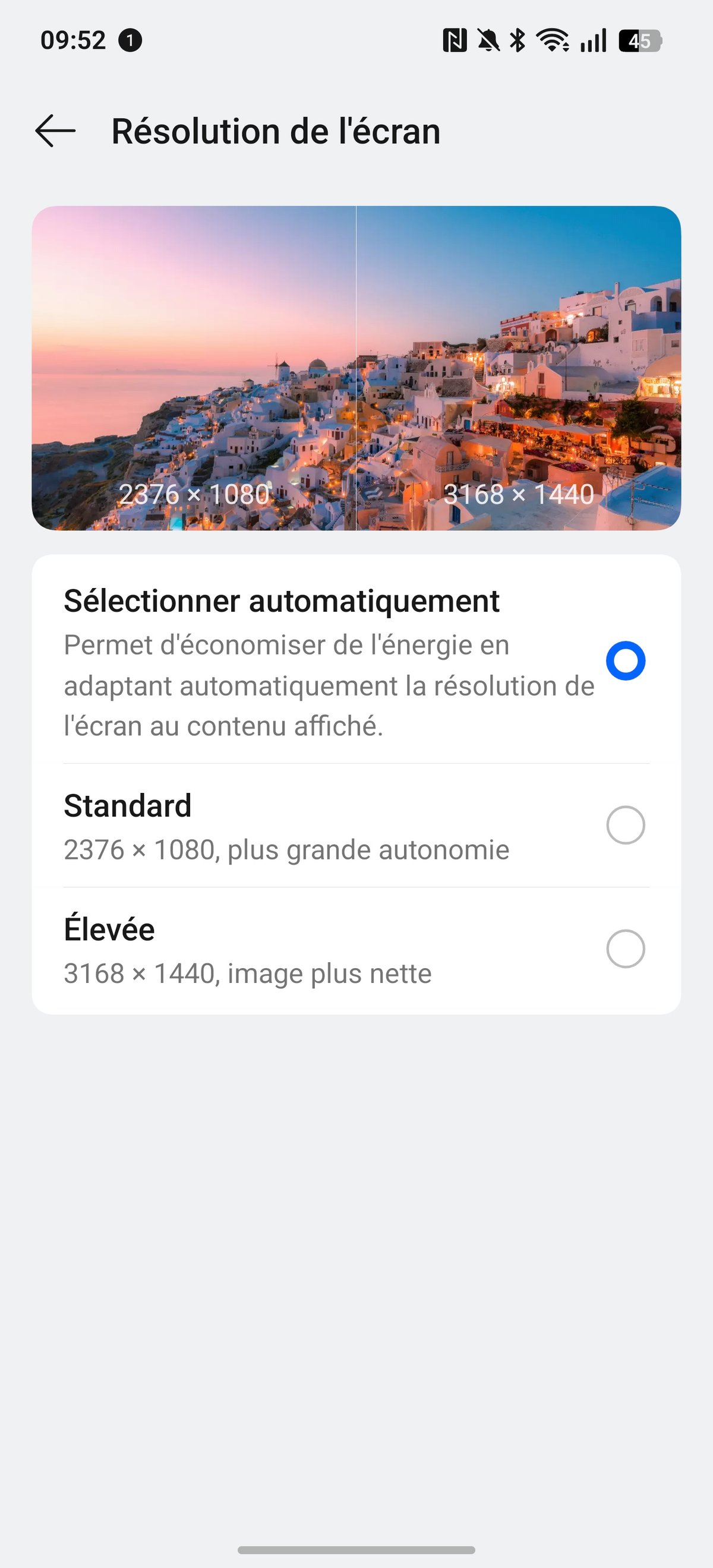
On peut descendre l’affichage jusqu’à 1 nit pour les sessions nocturnes, avec un PWM à 2 160 Hz censé ménager les yeux sensibles au scintillement. La technologie de polarisation circulaire, plus anecdotique, garantit que l’écran reste lisible derrière des lunettes de soleil polarisées. Concrètement, ça fonctionne, et les habitués des sorties estivales apprécieront.
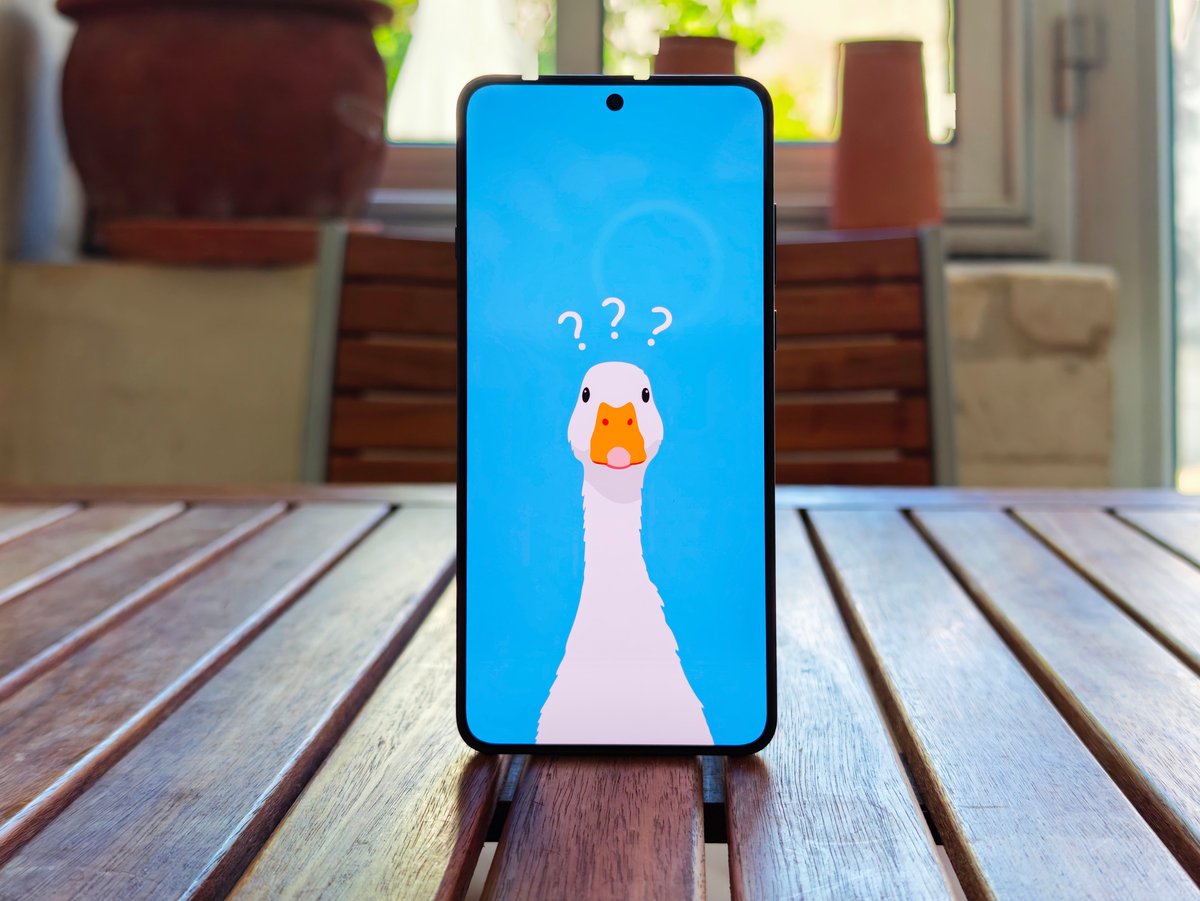
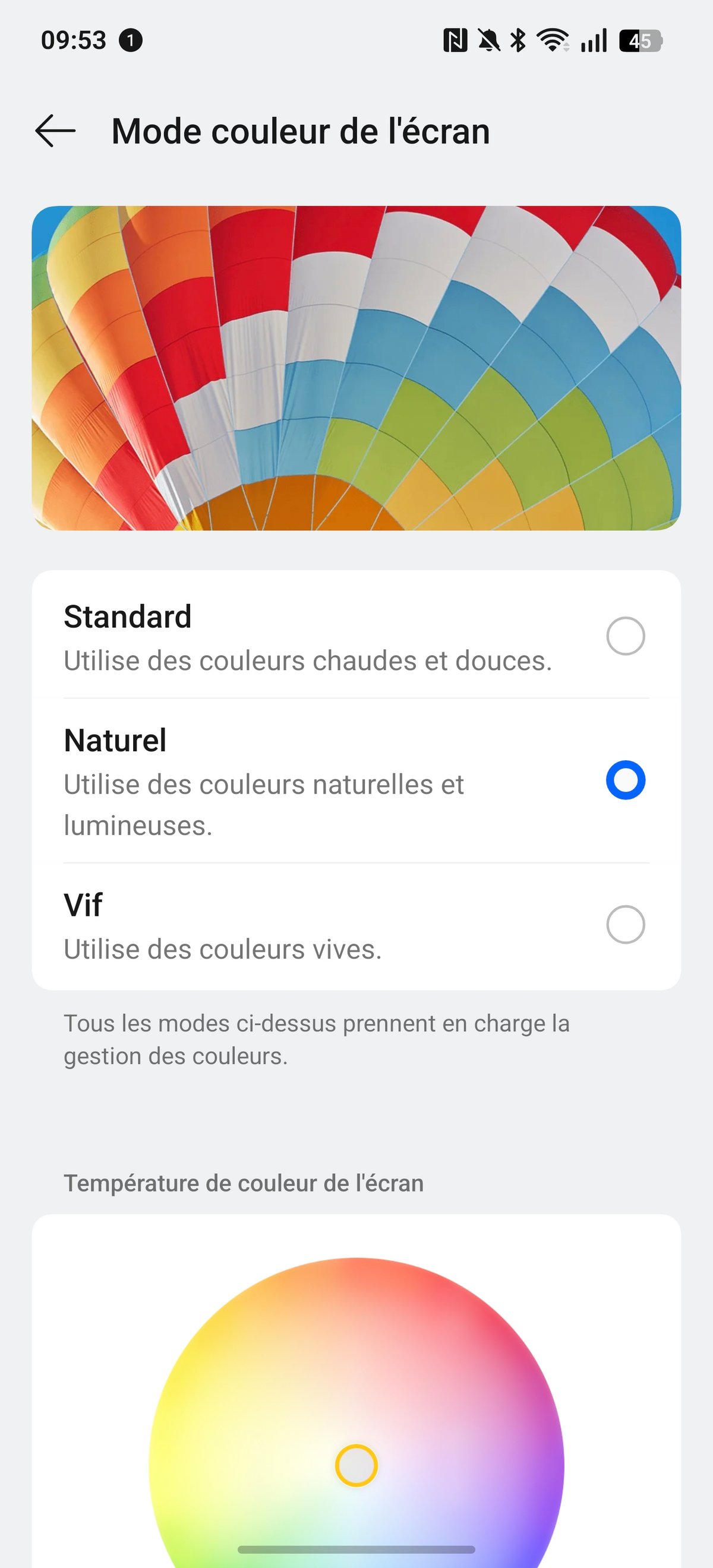
The colorimetry is factory-calibrated panel-by-panel, and you can tell. In natural mode, the rendering is faithful, with no blue shift. Dolby Vision and HDR Vivid are part of the streaming experience. My only caveat concerns the automatic brightness handling, which can be slow when switching between indoor and outdoor lighting. Nothing dramatic, and it will likely be corrected by a future software update.
Performance sprinting
The Find X9 Ultra is built around Qualcomm’s Snapdragon 8 Elite Gen 5 SoC, etched at 3 nm. It is backed by 12 GB of RAM LPDDR5X and 512 GB of UFS 4.1 storage. OPPO also introduces an “encapsulated thermal unit,” intended to stabilize temperature during peak loads, alongside a conventional vapor chamber. We’ll see later that the label is more impressive than its results…
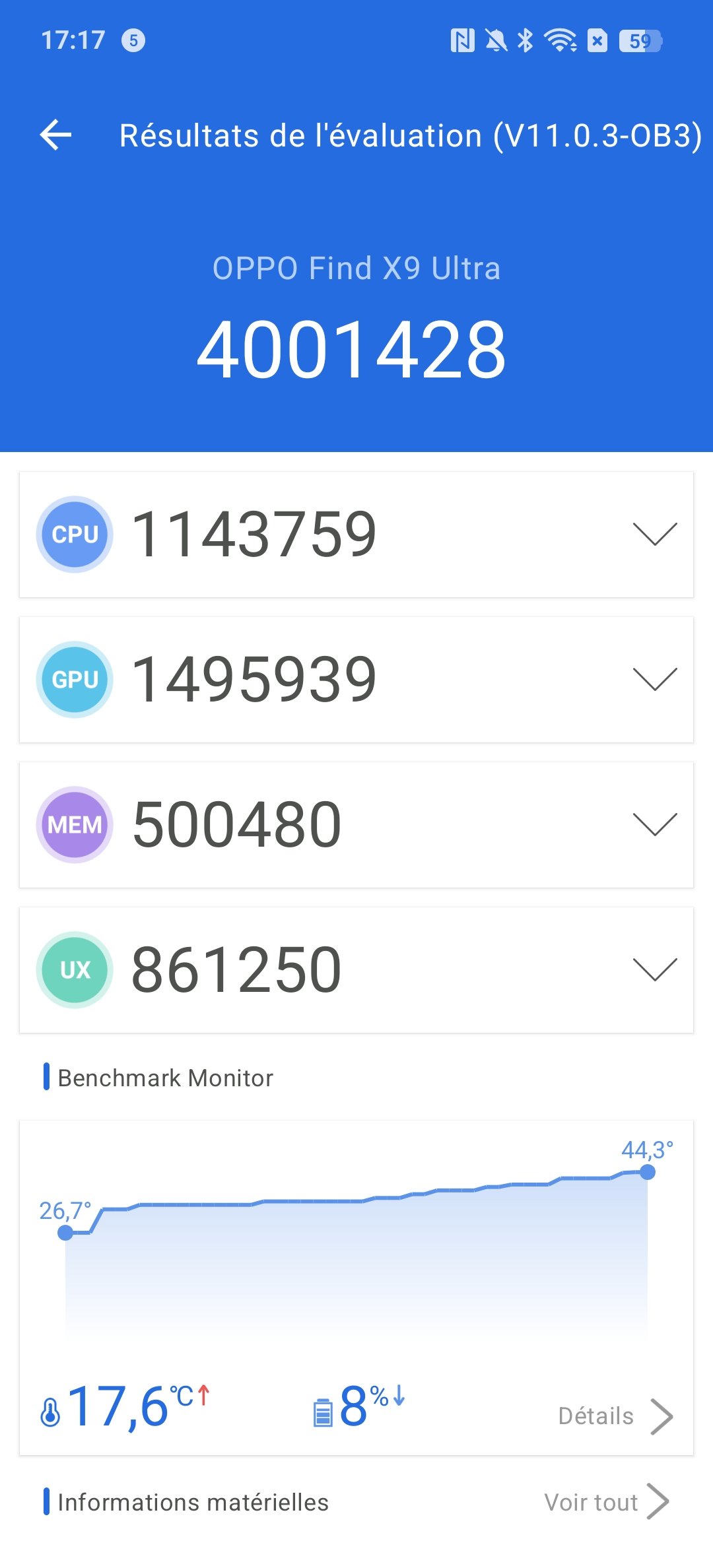
As expected, raw performance measured live lives up to expectations. The Find X9 Ultra scores 4,001,428 points in the AnTuTu benchmark assessing overall power. The symbolic threshold of 4 million is crossed, placing it among the Android smartphones at the forefront of the moment.
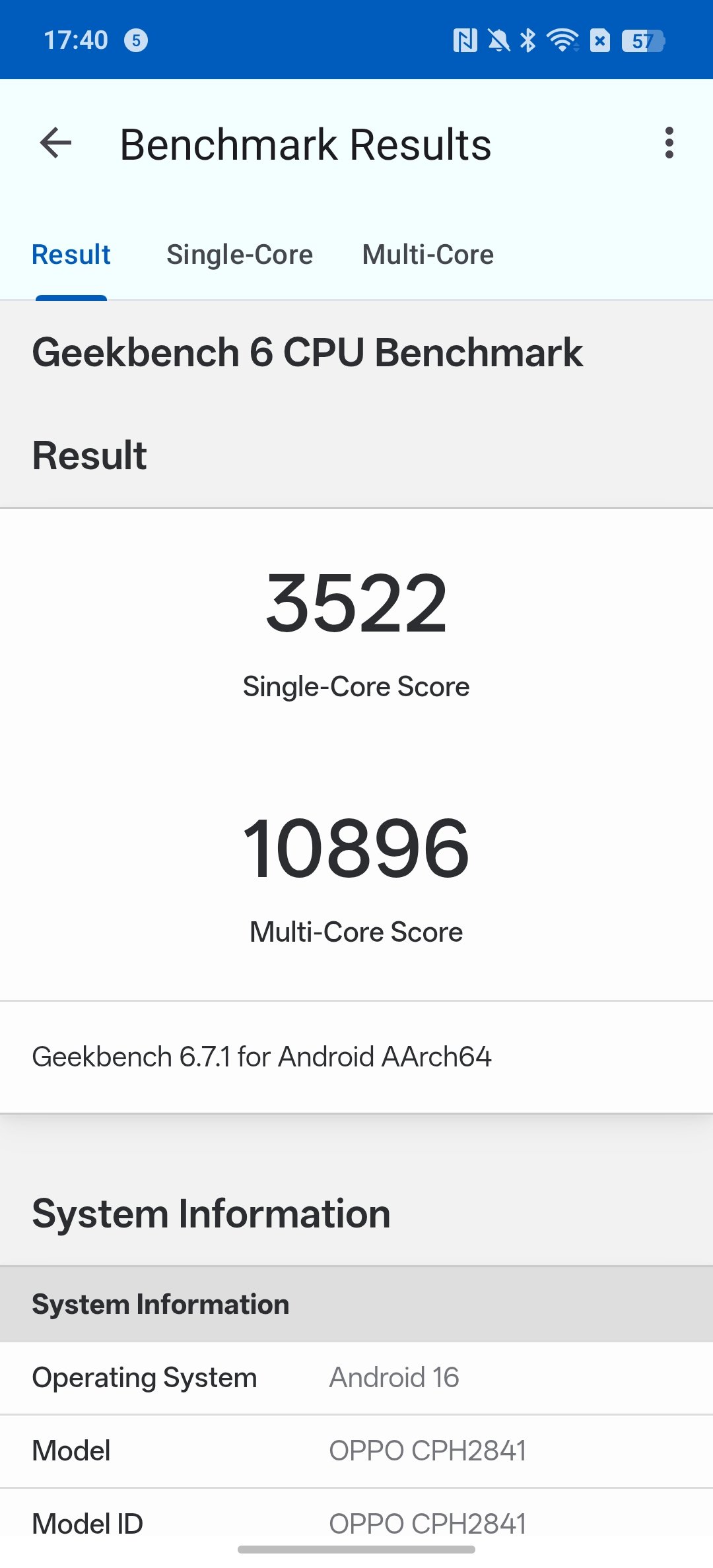
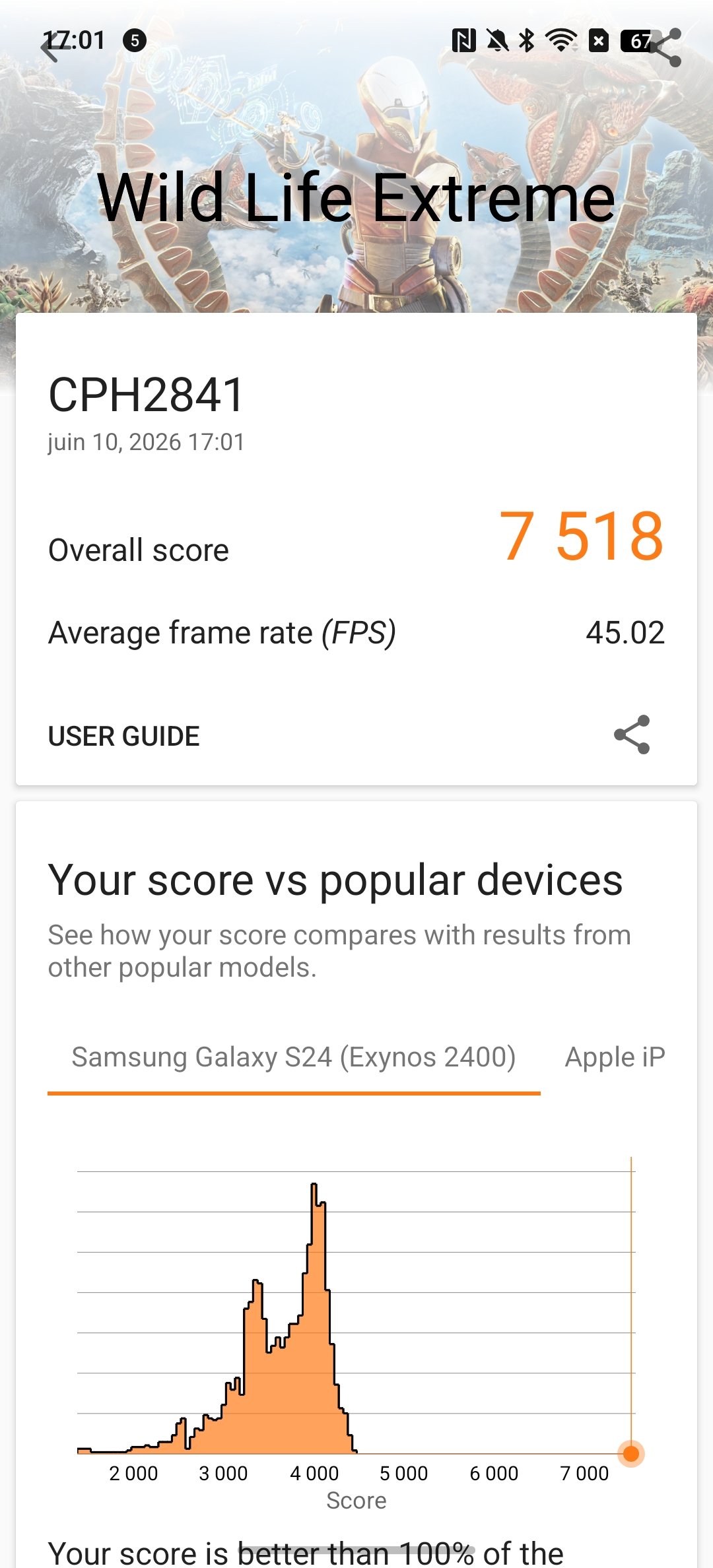
GeekBench 6 credits the processor with 10,896 points in multi-core and 3,522 in single-core. Finally, it racks up 7,518 points in the 3DMark Wild Life Extreme test, placing among the best scores of the moment.
From that point, one will not be surprised to learn that no app, however demanding, resists it. All the most demanding 3D games run smoothly at maximum frame rate and detail, while multitasking remains unconstrained.
One of the manufacturer’s promises is effective heat management during heavy use thanks to an “encapsulated thermal unit.” Presented as a first-of-its-kind in industry, it is supposed to guarantee peak performance under heavy load. You know us, we had to test it.
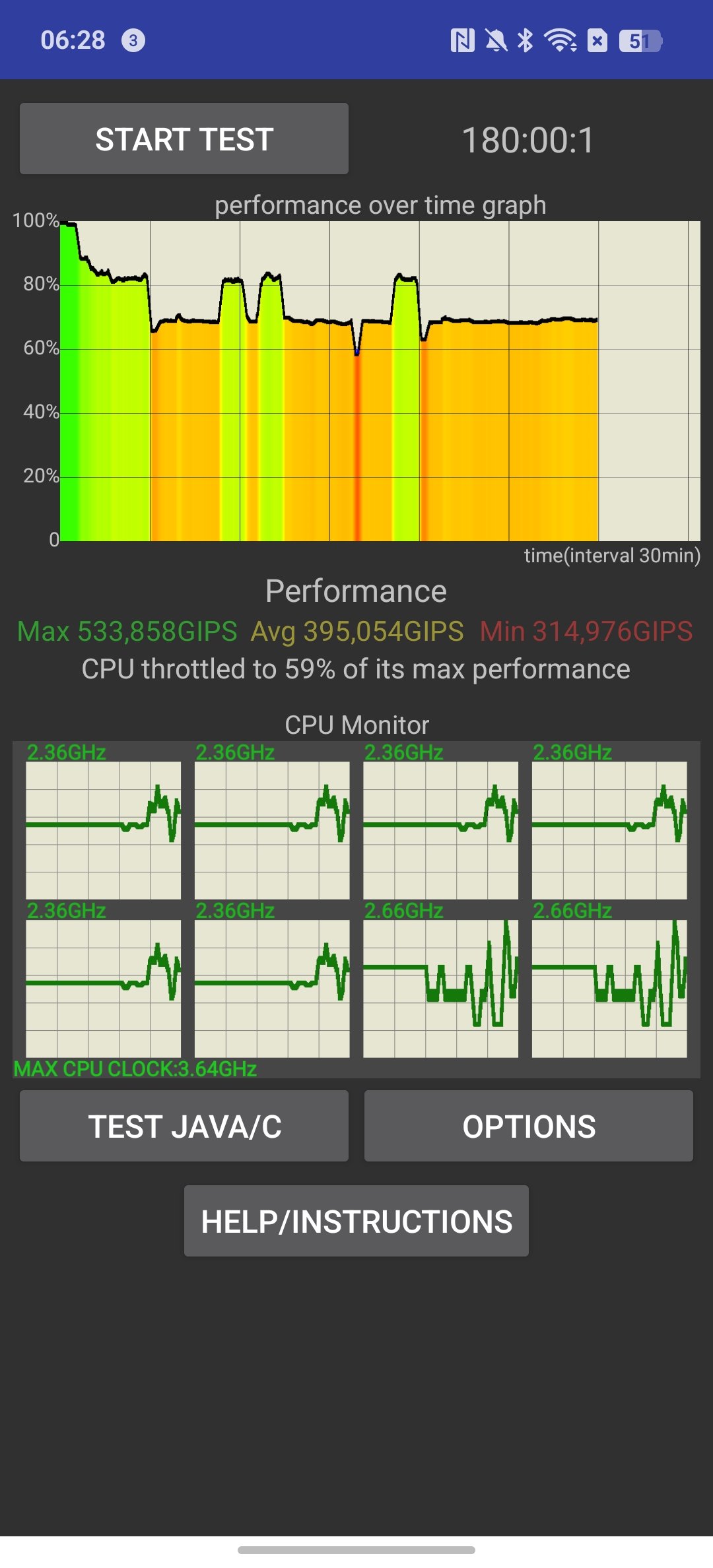
Rather than rely on the usual 60‑minute test, we ran the throttling test for 3 hours in a row. At worst, the processor drops to 59% of its maximum performance, with stabilization around 65–70% after the initial fifteen minutes.
During the AnTuTu run, internal temperature climbed by almost 18 °C in about ten minutes. The back of the device becomes warm, then even quite hot, without becoming scorching. In short, the Find X9 Ultra is an extraordinary sprinter, but a prudent marathoner capable of slowing down during long sessions.
None of this is truly penalizing, as the SoC offers a phenomenal power reserve. In the end, the throttling regulates heat effectively and remains comparable to what the competition offers. The encapsulated thermal unit sounds impressive on paper, but is mostly a strong marketing argument.
Good endurance, fast charging
The Find X9 Ultra’s 7,050 mAh silicon-carbide battery is one of its standout arguments. It makes it the premium smartphone with the largest energy capacity to cross our hands to date. The PowerCore chip is tasked with optimizing discharge at the end of life and in cold weather.
In normal use (social networks, photos, video streaming, GPS navigation, light gaming), the phone easily lasts between 1.5 and two days. Even in “geek” mode (heavy photo sessions with 10x zoom, 4K video, maximum display), you still finish the day with margin. That’s an excellent result given the premium hardware on board.
OPPO announces 100 W wired SuperVOOC and 50 W wireless AirVOOC charging. As usual, no charger is included and you’ll need to obtain OPPO’s recommended SuperVOOC unit to reach maximum speed. In that case, 0 to 50% happens in 26 minutes and 100% is reached in a little over an hour (63 minutes, precisely).
If you only own a “simple” Power Delivery 55-watt charger, performance will obviously be less brilliant. Of course, the battery capacity is phenomenal. But OPPO has definitely been less spectacular than it used to be a few years ago when the 100-watt SuperVOOC charger powered 5000 mAh batteries “only.” You can’t have everything…
ColorOS 16 and its avalanche of relevant AI
The Find X9 Ultra runs Android 16 and ColorOS 16, OPPO’s AI-powered custom skin. OPPO commits to major OS updates and security patches for five years. That’s good, but still short compared to Samsung and Google’s seven-year promises.
ColorOS 16 is now well known: smooth and highly customizable, designed to fill the gaps in the official Android interface (and there are quite a few). Not many big aesthetic novelties. The main addition is Live Space: a downward swipe on the lock screen groups notifications into a discreet capsule to preserve the wallpaper. This will please parents who set their kids’ pictures as wallpaper…
On the AI side, OPPO clearly intended to do things seriously—and the result is more cohesive than a mere stack of features. The centerpiece is AI Mind Space, a true conductor of AI on the Find X9 Ultra. It is activated with the Snap Key on the side. A short press captures and immediately classifies what is displayed on the screen—an address, a snippet of text, a web page—, a long press records a voice memo that will also be analyzed and stored.
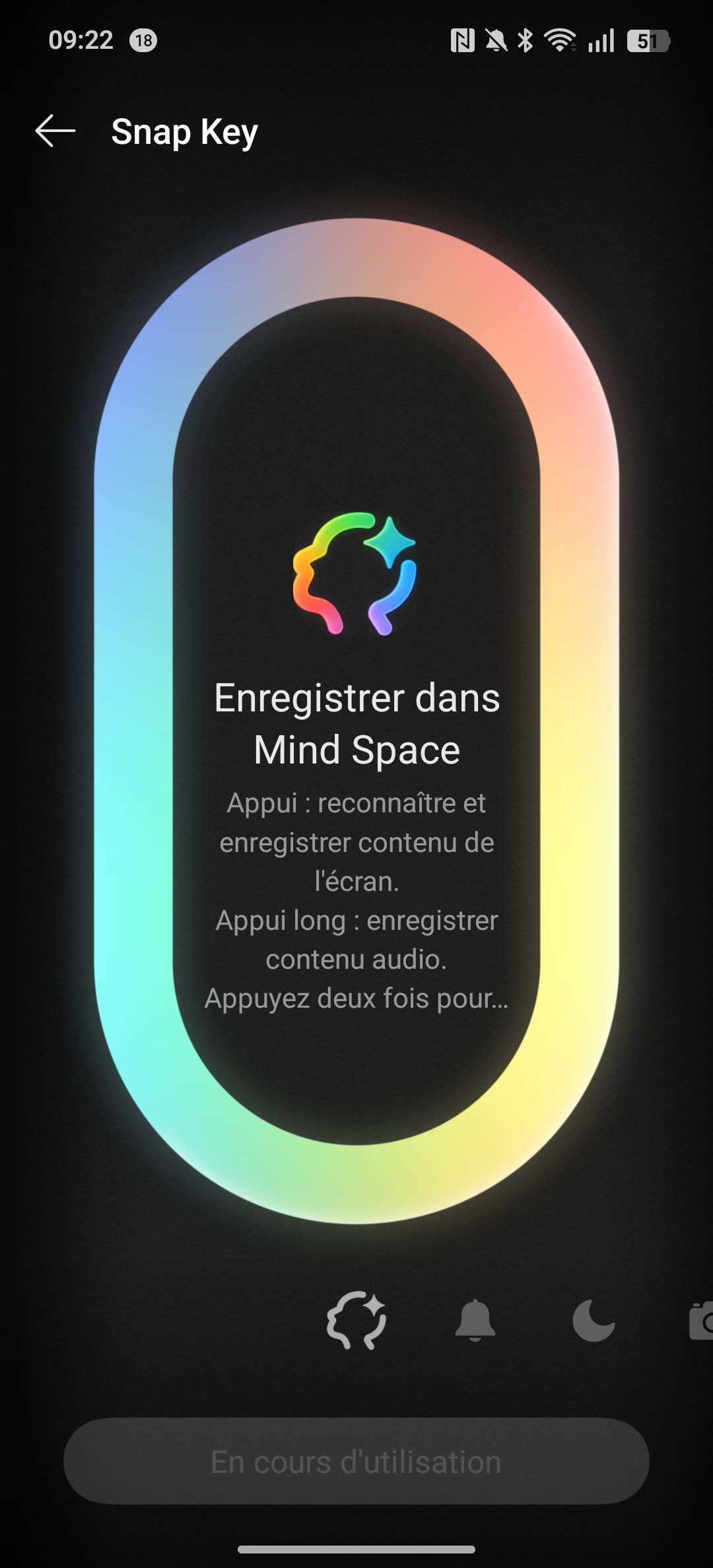
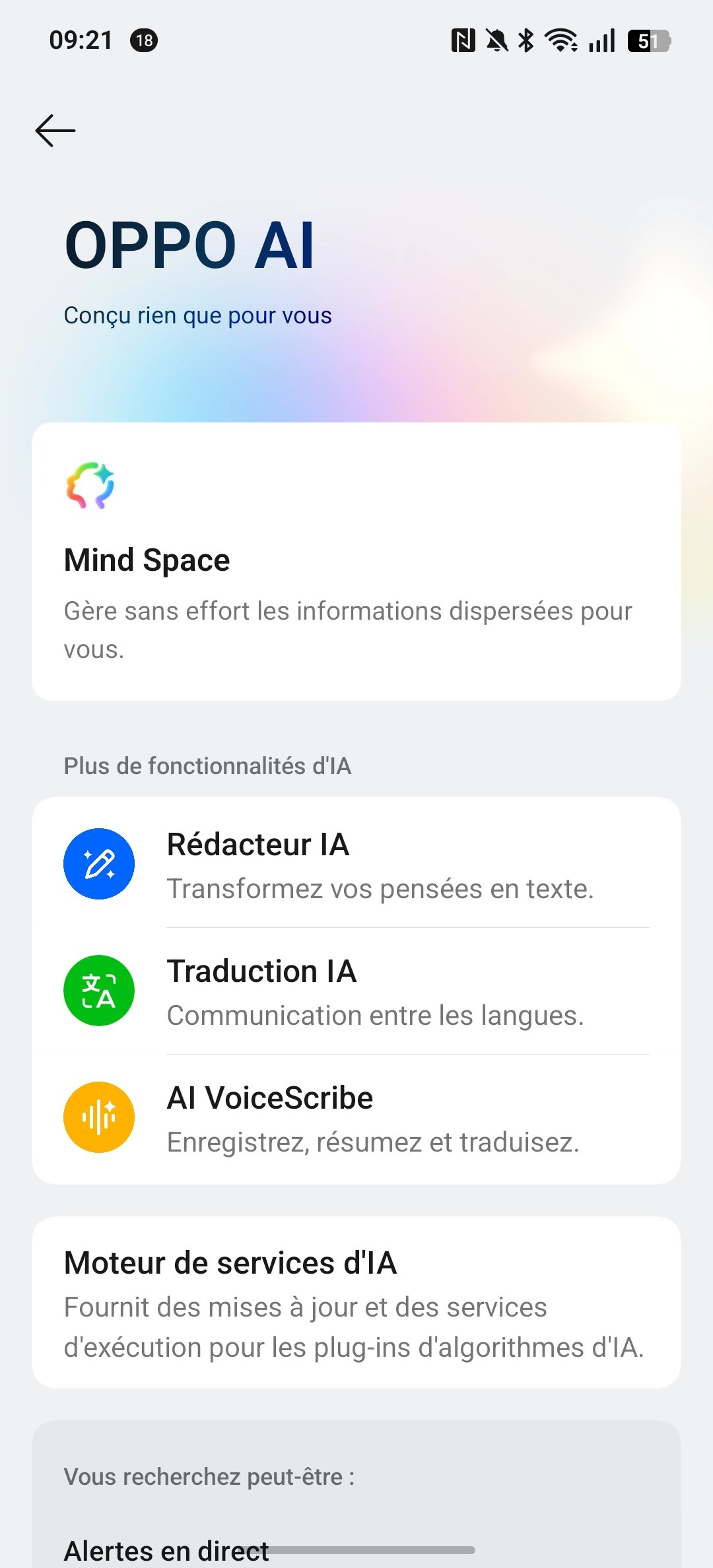
Tout atterrit dans un espace centralisé, interrogeable en langage naturel : posez une question à AI Mind Space, il retrouve et compile toutes les informations liées à votre demande. En pratique, c’est redoutablement efficace. On ne perd plus de temps à retrouver une adresse notée rapidement, un article lu la semaine dernière ou cette fameuse capture d’écran où figuraient les références du livre à acheter pour les enfants.
AI Mind Space offre aussi des capacités supplémentaires tout aussi intéressantes. AI Bill Manager récupère les achats réglés électroniquement via le smartphone (paiement NFC, etc.) et les organise en un tableau de bord des dépenses mensuelles. Les tickets de caisse physiques et les reçus sont pris en charge par scan.
Mind Space peut aussi faire travailler ensemble Gemini, Perplexity et DeepSeek via une interface unifiée. Cela évite d’ouvrir plusieurs applications et enrichit les réponses fournies. Au moment de ce test, la fonction n’est pas encore disponible en Europe. OPPO promet un déploiement prochain sans date précise.
Bien entendu, les fonctions IA attendues sur tout flagship digne de ce nom sont présentes : transcription audio, résumé, traduction, édition d’images par IA ainsi que l’indispensable assistant Google Gemini. L’ensemble forme un écosystème IA plus mûr que la moyenne : cohérent, centré sur une utilisation réelle plutôt que sur le simple effet d’annonce. Il manque encore de finition, mais la direction est clairement la bonne.
Enfin, OPPO soigne l’interopérabilité avec son application O+ Connect. Elle autorise l’échange de fichiers avec iPhone, Mac et PC ainsi qu’une compatibilité Quick Share vers l’écosystème Apple annoncée comme imminente.
Photography: A true demonstration of strength
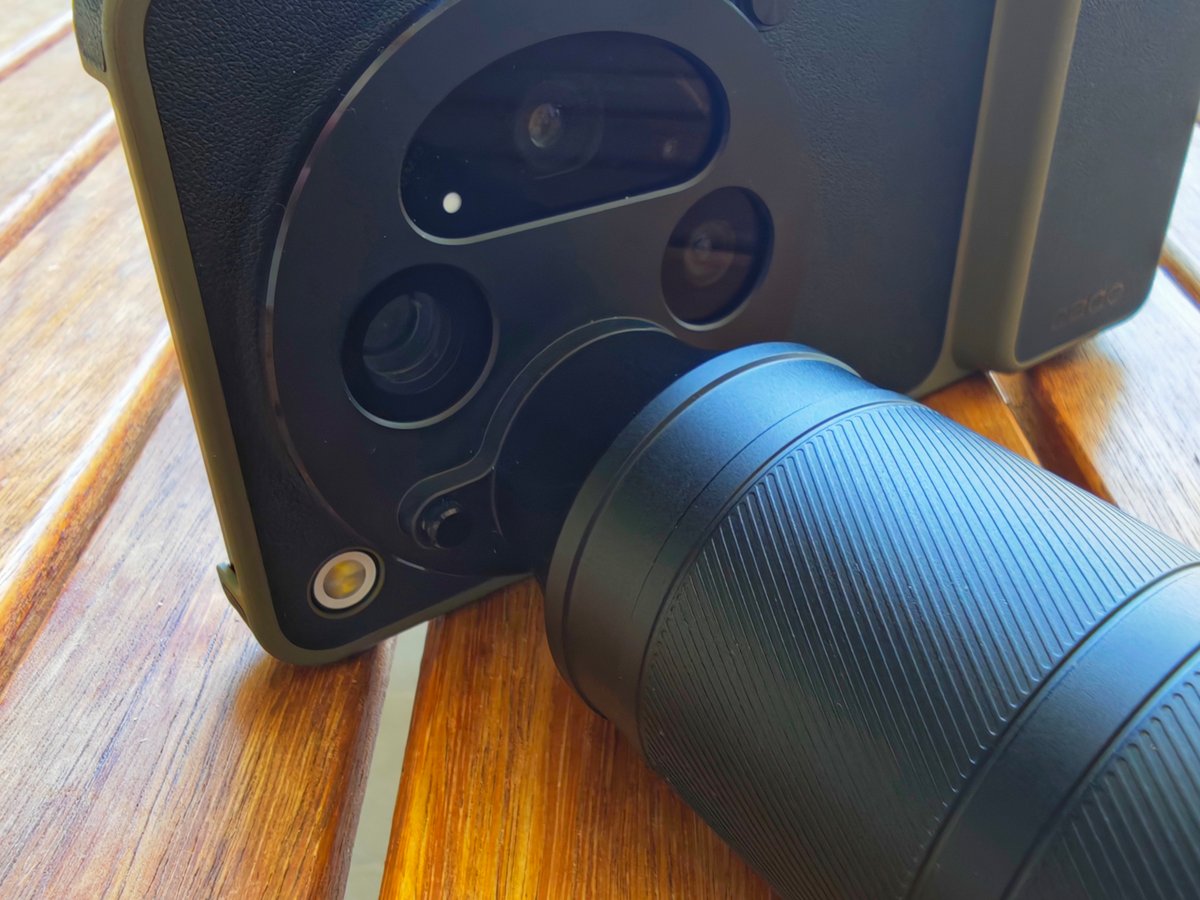
The rear camera system of the OPPO Find X9 Ultra is composed of four modules:
- Main: Sony LYT-901 200 MP sensor (1/1.12″); 23 mm lens opening at f/1.5; optical stabilization
- Ultra-wide: Sony LYT-600 50 MP sensor (1/1.95″); 14 mm lens at f/2; autofocus
- Telephoto/Macro: OmniVision OV52A 200 MP sensor (1/1.28″); 70 mm periscope lens at f/2.2; 3x optical zoom; optical stabilization; minimum focus distance of 15 cm
- Long-range telephoto: Samsung JNL 50 MP sensor (1/2.75″); five-prism periscope 230 mm lens at f/3.5; 10x optical zoom; sensor-shift stabilization
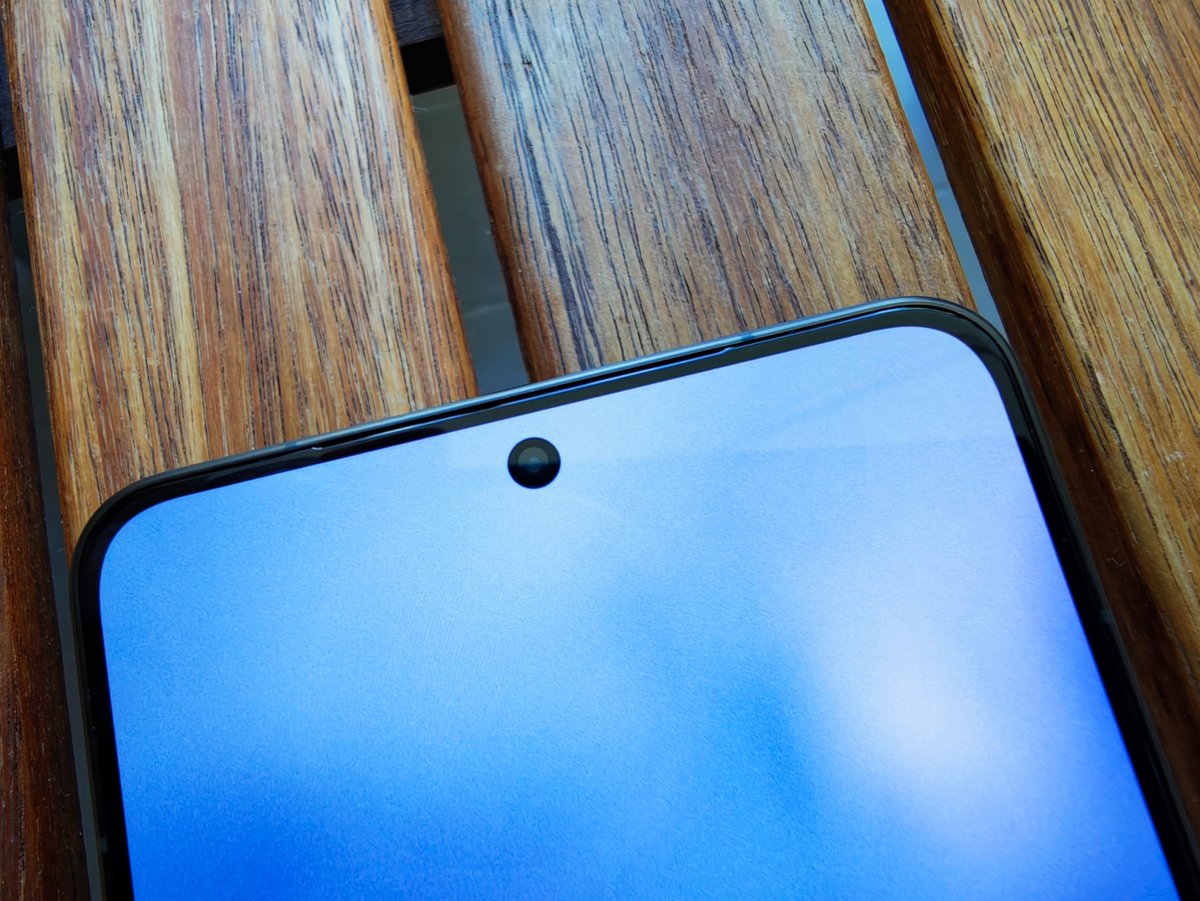
The main sensor is the largest 200 MP sensor ever integrated into a smartphone. Its telephoto counterpart is equally pioneering: never before had a telephoto sensor reached this format within a periscope.

In good light, the main module delivers sharp photos with extended dynamic range and natural colors. You can clearly see the Hasselblad signature, prioritizing fidelity over flashy saturation. Thanks to the 200 MP sensor, the 2x crop retains optical quality, giving a convincing virtual 50 mm focal length for street photography.
The 3x telephoto, with its enormous 200 MP sensor, is tailored for portrait work. Sharpness is good, depth separation feels natural, and a 15 cm minimum focus distance makes it an excellent macro lens as well. Textures, insects, and architectural details are stunning.