
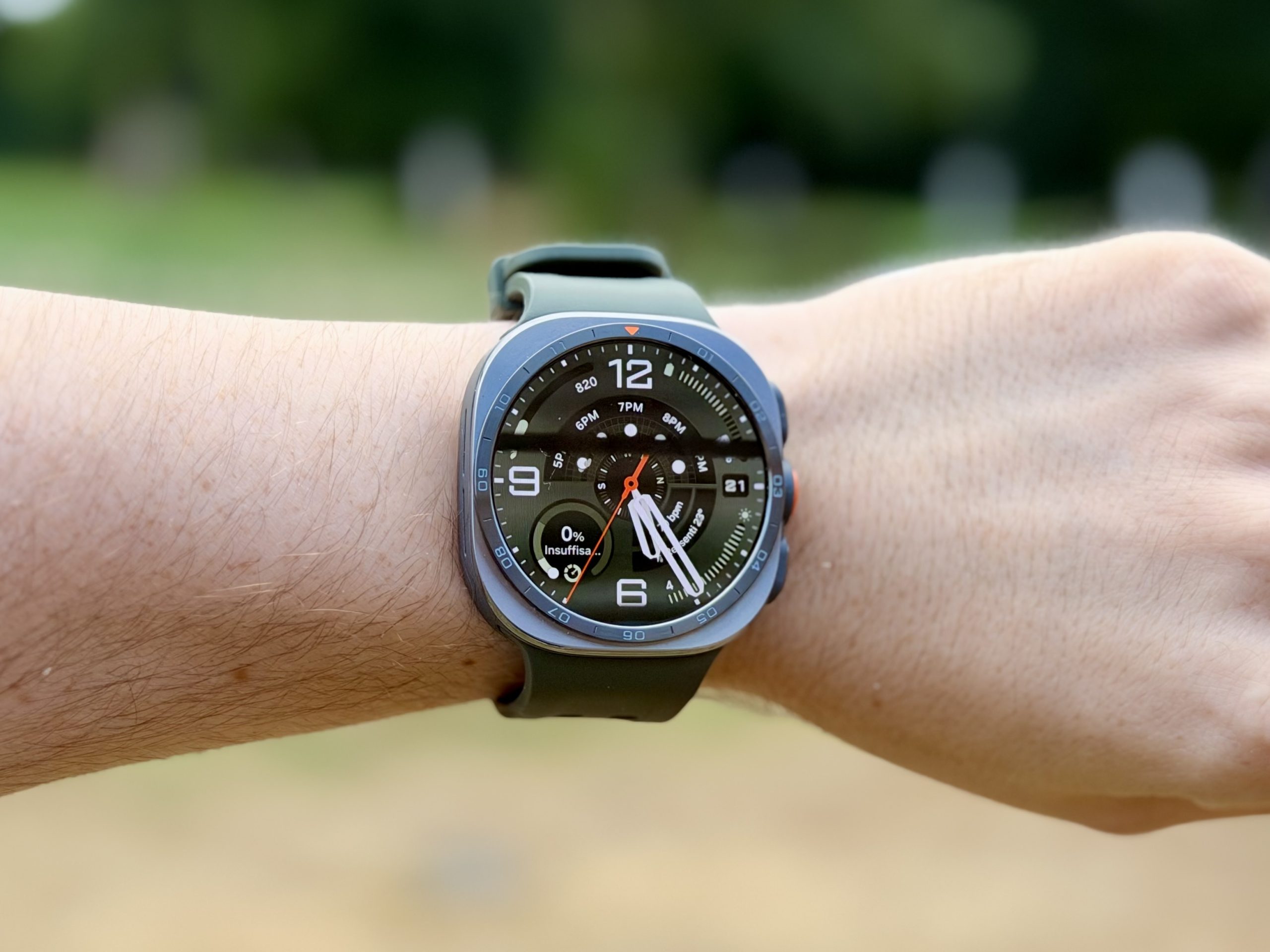
Samsung refines its Galaxy Watch Ultra with this second generation: a refined titanium case, a display capable of reaching 5000 nits, and the Snapdragon Wear Elite under the hood. A watch designed to rival the Apple Watch Ultra 3, with one major hurdle: it remains unable to go without its smartphone.
9 / 10
- Exemplary build, titanium and sapphire glass
- Display at 5000 nits, legibility in bright sun
- One UI 9 Watch: smooth and mature
- Very responsive, accurate GPS and reliable heart rate
- Health tracking of exceptional depth
- Fast and well-integrated Gemini
- Good autonomy for an Ultra watch (about 3 days)
- Strong smartphone dependency for many settings
- No iOS compatibility
- Recharge a bit long (about 1h30)
- Antioxidant index measurement not ergonomic
The first Galaxy Watch Ultra already laid the groundwork for a premium watch capable of taking on the Apple Watch Ultra on its own turf: ruggedness, endurance, and advanced fitness tracking. This second generation refines the formula rather than reinventing it, with a slimmer case, an even brighter screen, and a new One UI 9 Watch interface that marries Gemini and Bixby.
On paper, the Galaxy Watch Ultra 2 has all the cards in hand to assert itself as the best Android smartwatch on the market. One obstacle remains, however: for many features, this remarkably powerful watch still cannot do without a smartphone, not to mention the complete lack of iOS compatibility. I wore the Galaxy Watch Ultra 2 for several days to see what this second generation really changes in daily life.
Test conducted on a unit loaned by the manufacturer.
Design: rugged on the outside, refined on the wrist, and a sun-defying display
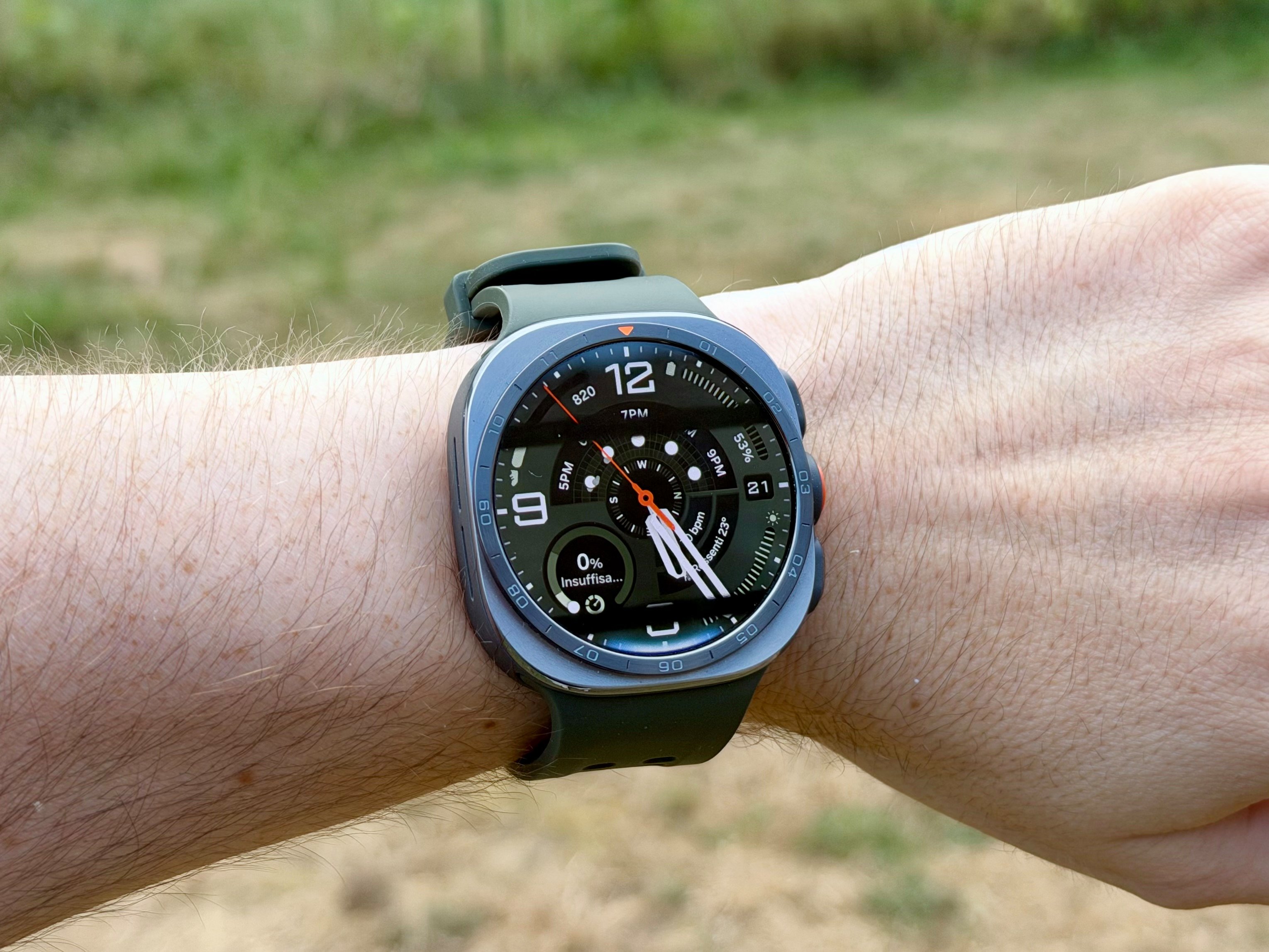
The Galaxy Watch Ultra 2 inspires confidence the moment you pick it up. The titanium case protected by sapphire glass, the careful finishes, the chromed effect: everything is felt at the touch, making it clearly a premium object.
If the front face hasn’t changed much compared with the previous version, Samsung has refined the design by 12% versus the first Ultra, bringing the thickness down to 10.7 mm without sacrificing that sense of ruggedness—a balance not easy to achieve. To do this, the company developed a computational design, based on an in-house AI and millions of data points to adapt the watch’s comfort to every wrist. And it works. Despite its pronounced thickness compared to the Galaxy Watch 9, the Galaxy Watch Ultra 2 blends well with a more formal look.
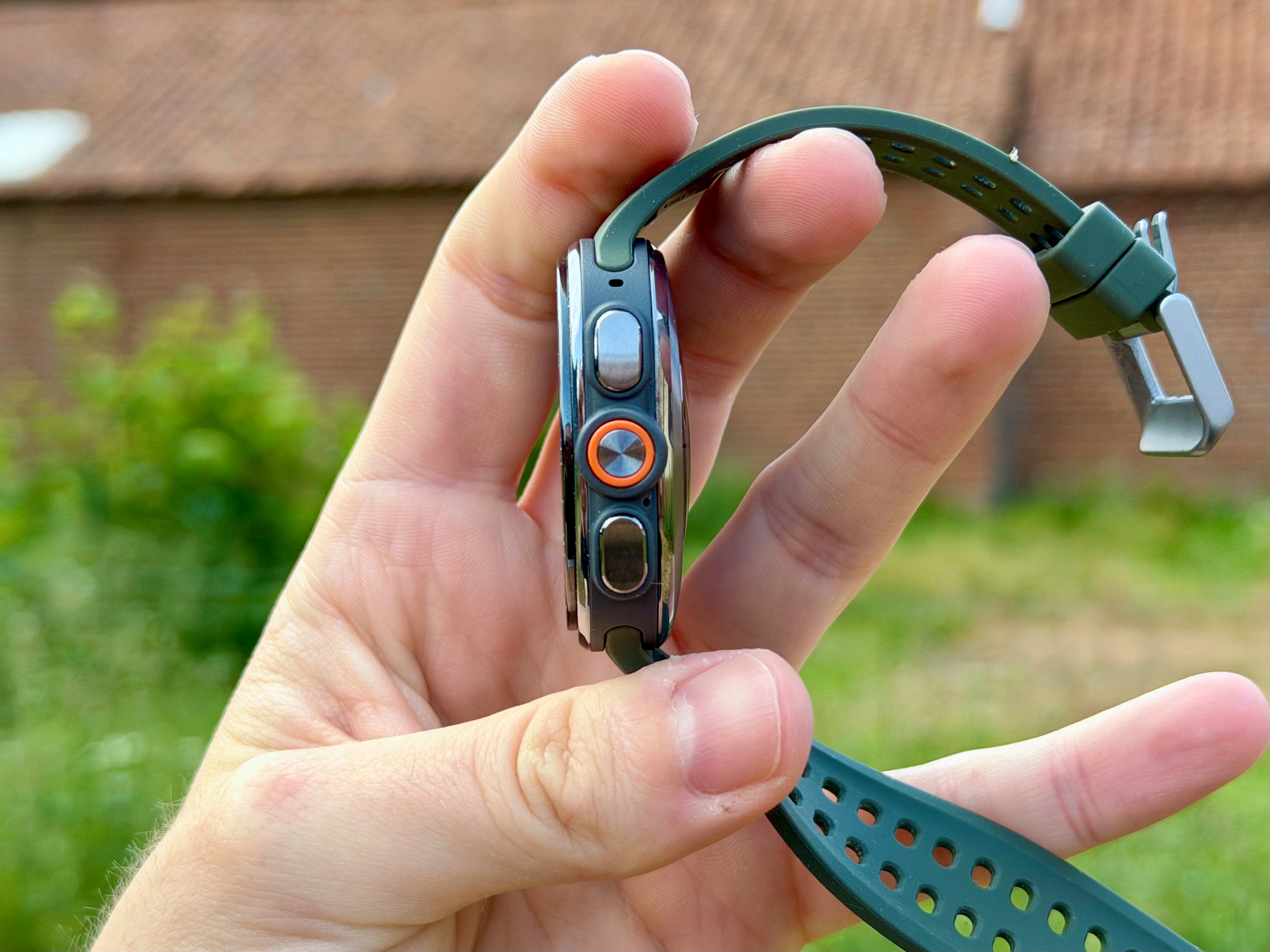
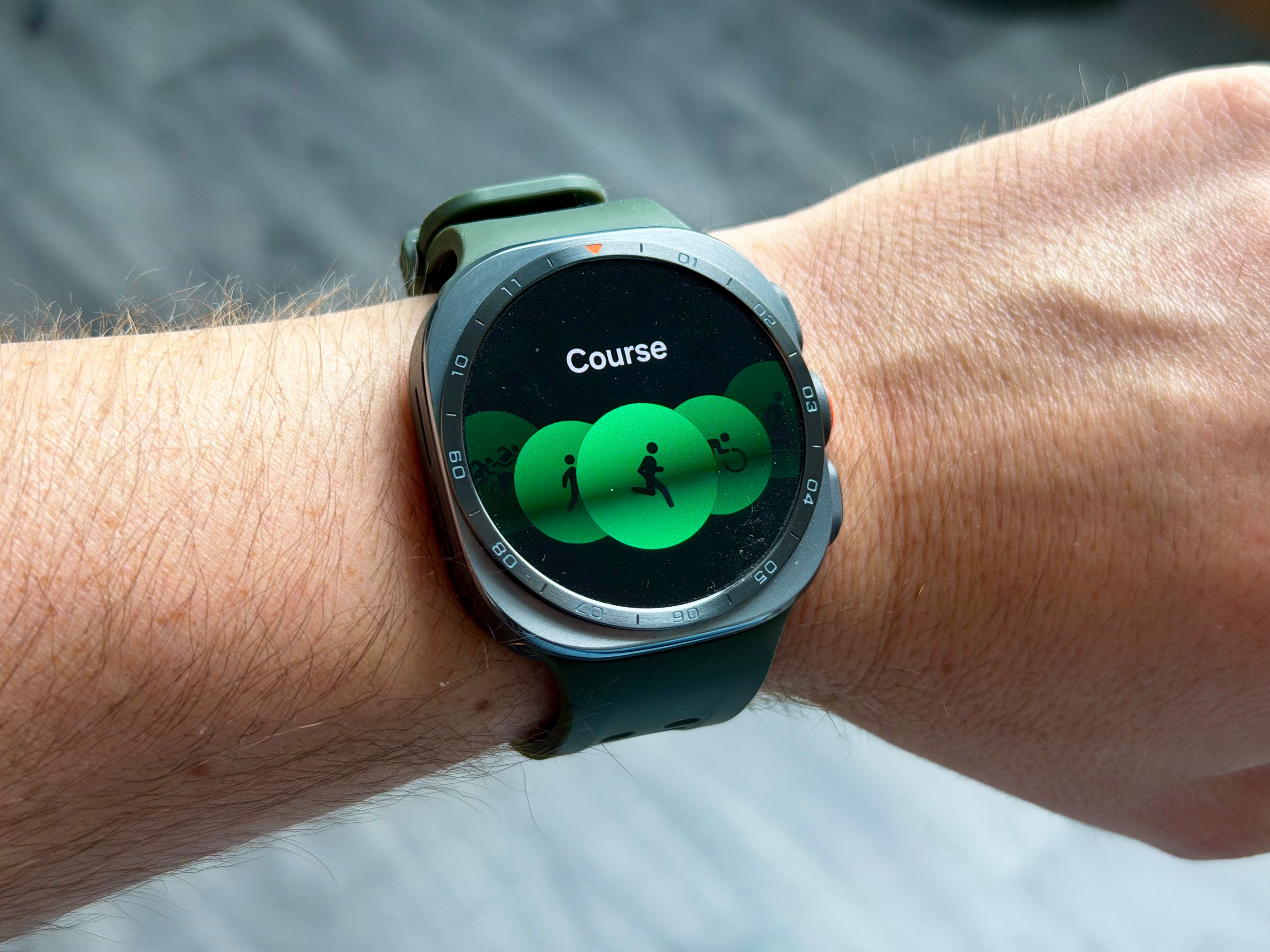
The Galaxy Watch Ultra 2 features three physical buttons: the top button serves as “Back,” the bottom one gives quick access to Samsung Wallet, and the central button, called the “Action Button,” launches a shortcut. By default, the button opens Samsung Health to start a run, but you can customize everything to change the default sport or the software to activate.
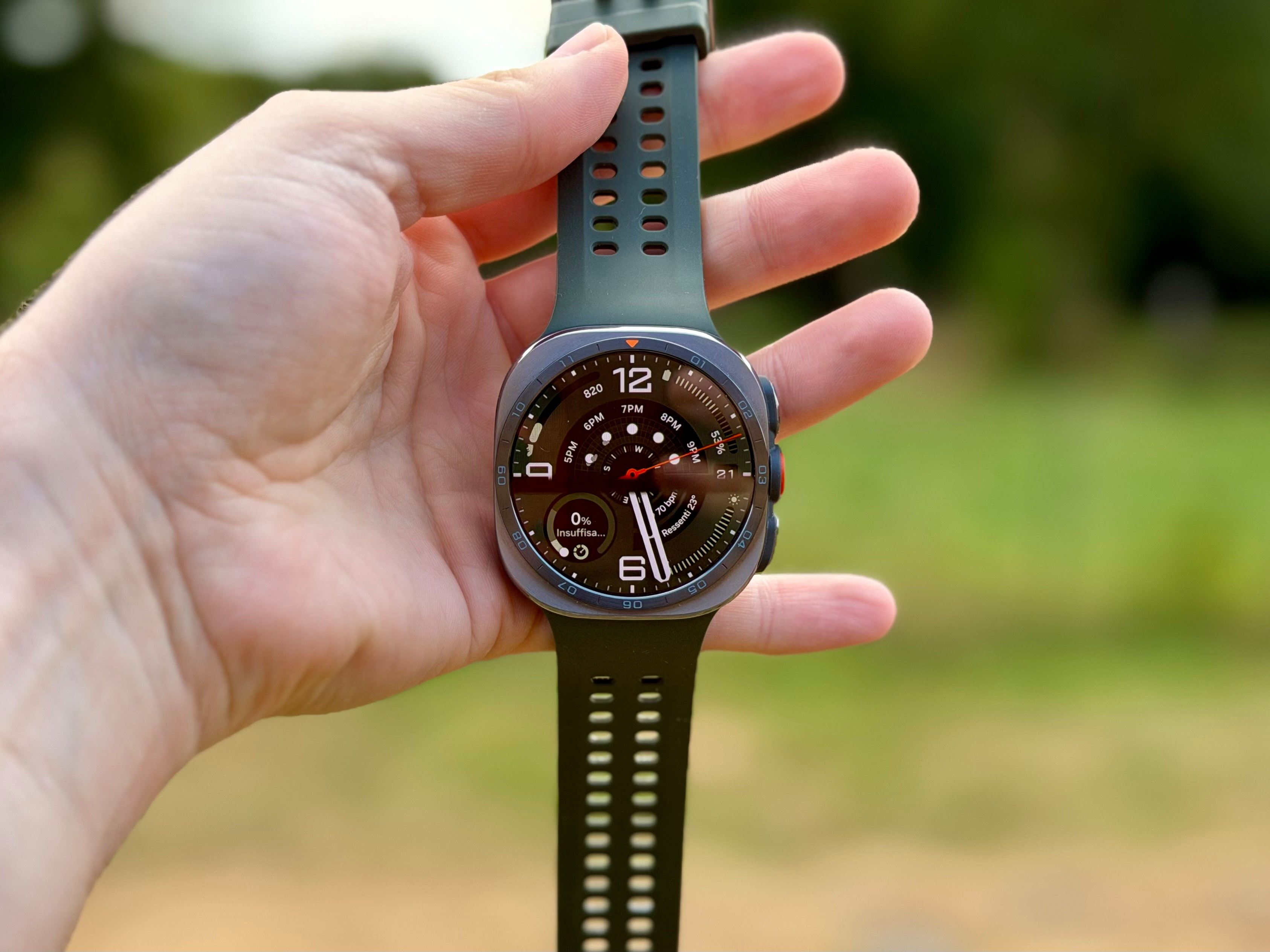
Weight comes as a surprise when unboxing. The watch initially feels quite heavy in the hand. After a few days of wearing it, it feels noticeably lighter and more comfortable; weight distribution does its job, and you quickly forget it’s there on the wrist. The proprietary strap has also been revised, now thinner (1.9 mm) and 25% lighter than previous accessories. It uses a new technology called Air Pocket and is indeed more pleasant on the skin. I still appreciate the numerous perforations that allow a perfect fit on any wrist.
The display is arguably the standout feature of the specs, with a maximum brightness of 5,000 nits. Unprecedented in the smartwatch space, where premium models cap at around 3,000 nits. It is also slightly larger than the previous model, improving daily navigation comfort. In practice, the difference is most noticeable outdoors: readability remains flawless where others struggle. Indoors or at night, the screen does its job well, but outdoors, in bright light, this figure makes all the difference. Saying the difference is glaring would be an exaggeration, but the Galaxy Watch Ultra’s ultra-bright, perfectly defined display is simply the best I’ve seen on a smartwatch.
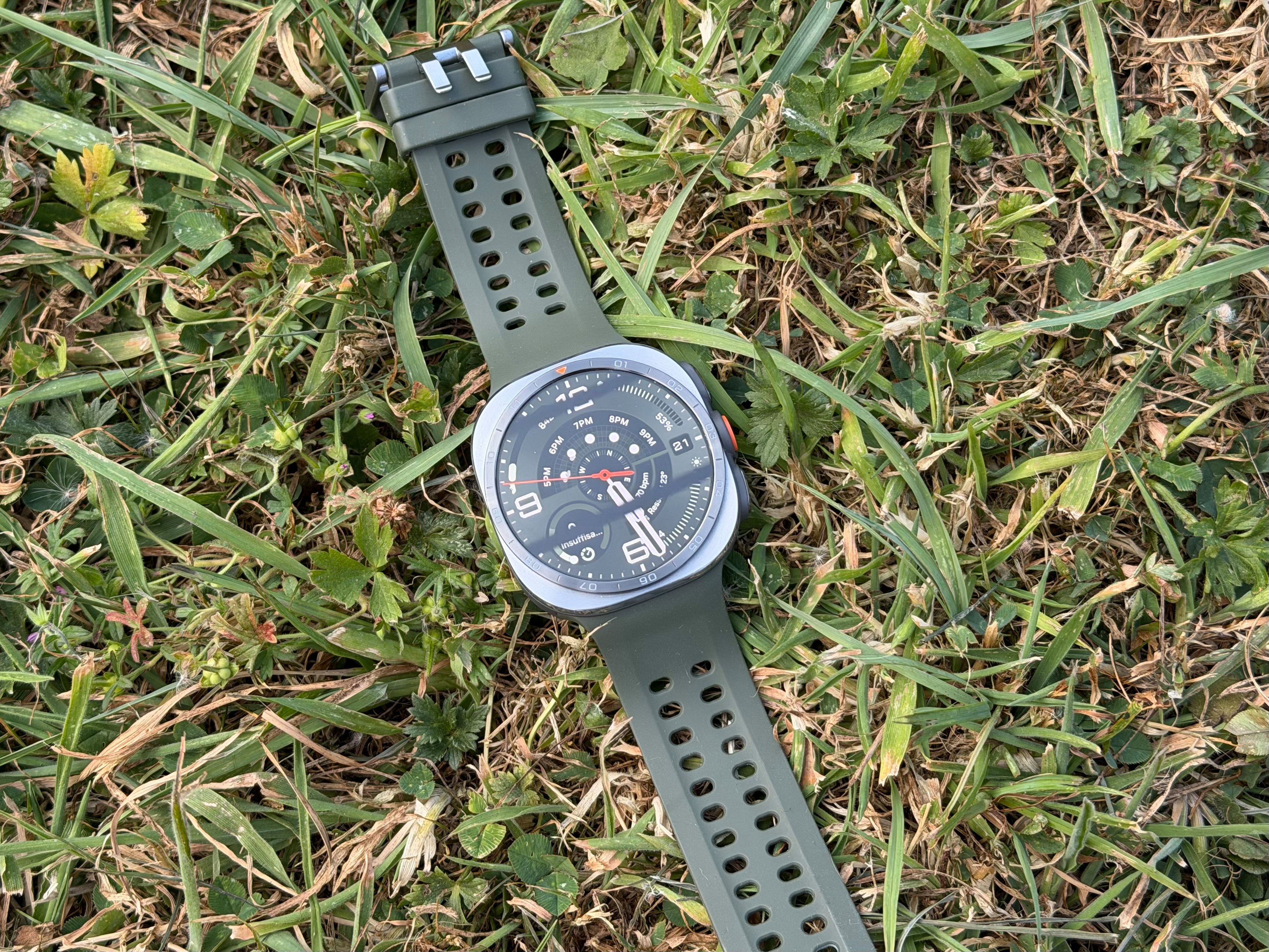
The microphone and speaker are genuine pleasant surprises. Voice capture is clear, recognition efficient, and calls come through without issue, which isn’t always a given for a watch. The only downside is that sound quality drops slightly at maximum volume, but in normal use—the majority of cases—it remains crisp and enjoyable.
In terms of durability, the Galaxy Watch Ultra 2 takes splashes and baths in stride, and carries EN13319 and IP69K certifications for swimmers and divers, attesting to its resistance to extreme pressures.
Software: Gemini accelerates, the smartphone slows things down
One UI 9 Watch marks a real maturity milestone for Samsung. The interface doesn’t change radically (Notifications on the left, widgets on the right, home menu at the bottom) but is more legible and better organized. Widgets benefit from clearer visual separation, navigation is fast, and the whole feels designed for a small screen rather than a phone adaptation. On personalization, Samsung remains one of the most generous manufacturers in the Android market, offering numerous free and paid dials.
The Snapdragon Wear processor clearly makes a leap in performance. The Galaxy Watch Ultra 2 responds instantly, moving between apps is ultra-fluid. We expected nothing less from a premium product.
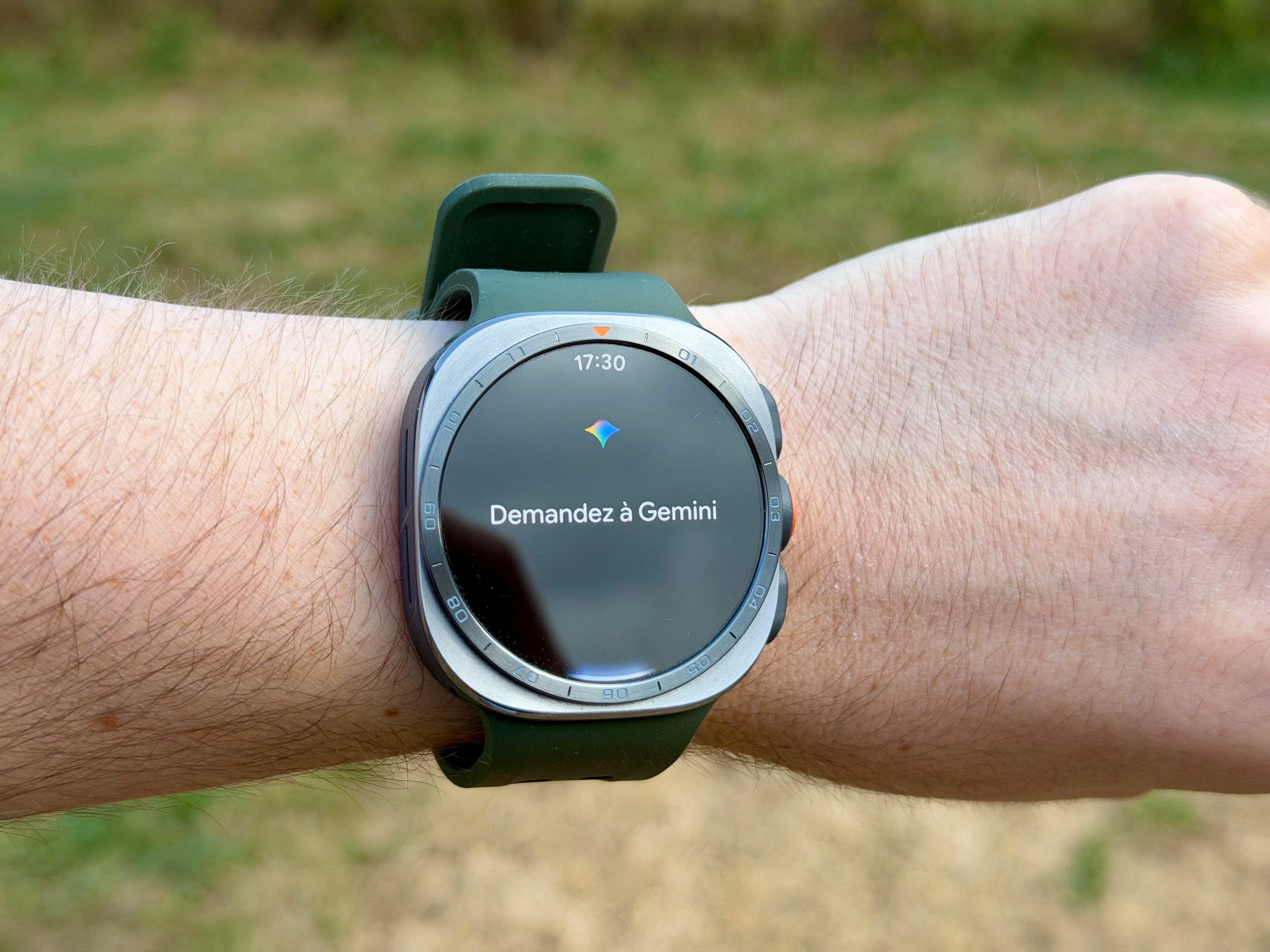
On the intelligence front, the watch carries both Gemini and Bixby. In practice, it’s mostly Gemini I use daily for general queries and information requests, with a response speed that impressed during testing, whether asking a question or dictating a command like “Start a walk” to begin exercise tracking. A new feature in this version: Gemini now has a “Raise to speak” mode, which, like Siri on an Apple Watch, listens with a simple arm-to-mouth motion. You must bring the watch close for the gesture to be understood, but it works well after a few tries. Bixby remains more on the sidelines, limited to system settings such as brightness, and I admit I hardly used it directly. Have you ever used Bixby on your phone? Me neither.
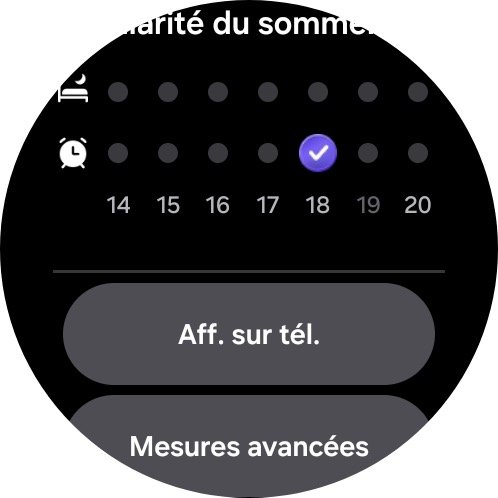
The real downside is the persistent smartphone dependency. Despite all the power packed into the watch and a well-thought-out interface, many features still point back to the phone for configuration or activation, with menus that simply say “Show on the phone” where the action could very well be done at the wrist. It’s genuinely frustrating, and it slightly undermines the idea of having such a self-contained device on paper: what’s the point of such a chassis if you always have to pull out your phone for advanced configuration?
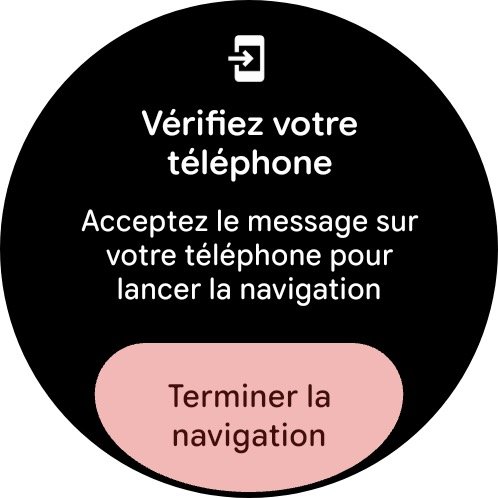
On the payments side, however, there’s no fault to find. Samsung Pay and Google Pay are present and work flawlessly in daily use, which is not a given for a watch intended to accompany outdoor activities without a phone. In the same vein, the watch handles notifications reliably, with complete synchronization, and offers full media control as well as remote triggering of the phone’s camera. The Galaxy Watch Ultra 2 is one of the most complete watches on the market, and that’s even more true if you own a Samsung phone.
The app ecosystem is another major asset. Beyond Samsung’s own apps, the Galaxy Watch Ultra 2 is compatible with dozens of services like Strava, but it’s especially Google Maps with offline maps that proved most useful on a daily basis, a real comfort for wrist navigation without constant network dependence. The Samsung Wearable app, which centralizes the settings, also gains clarity with a more modern interface, well-presented data, and excellent translations.
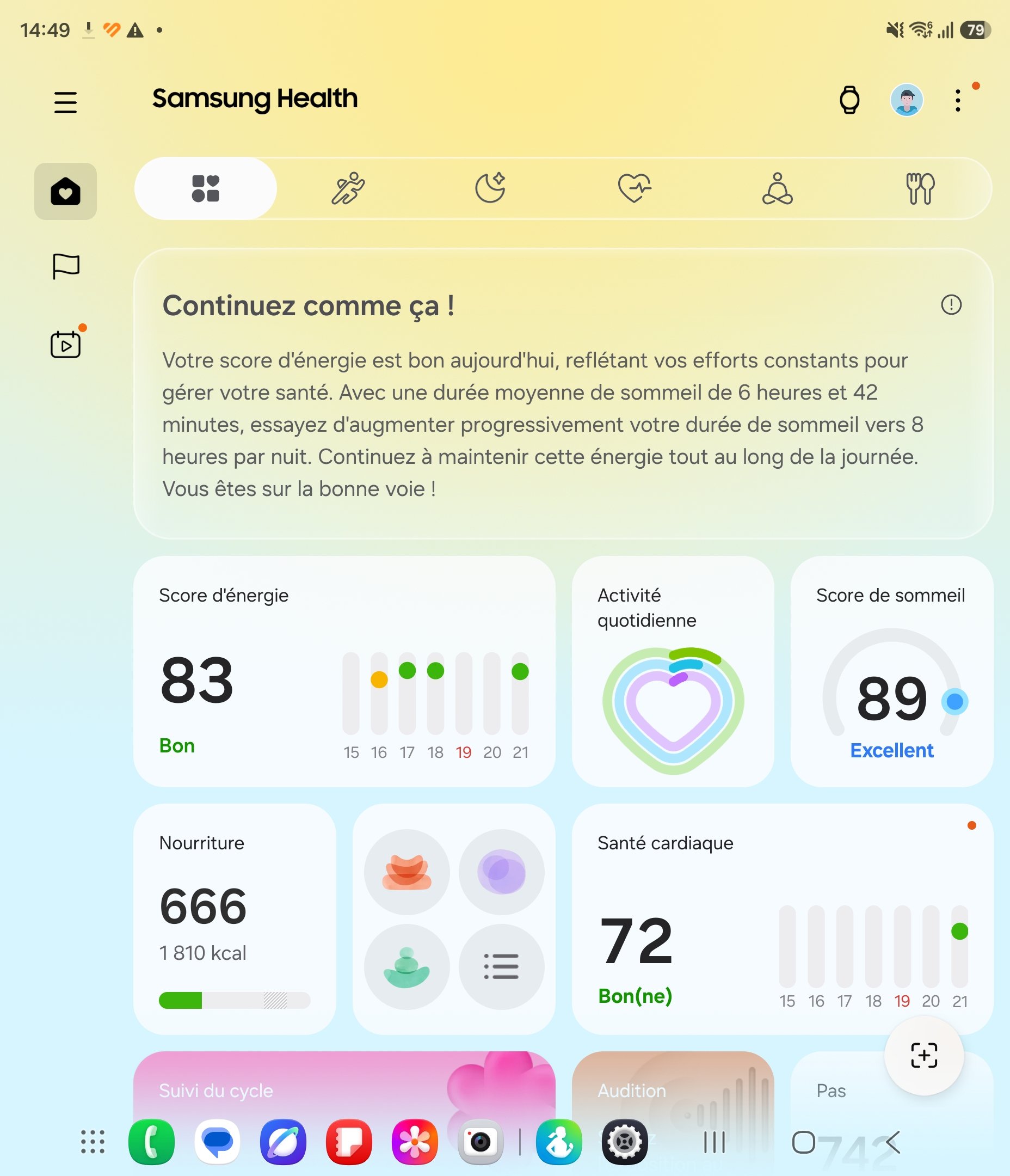
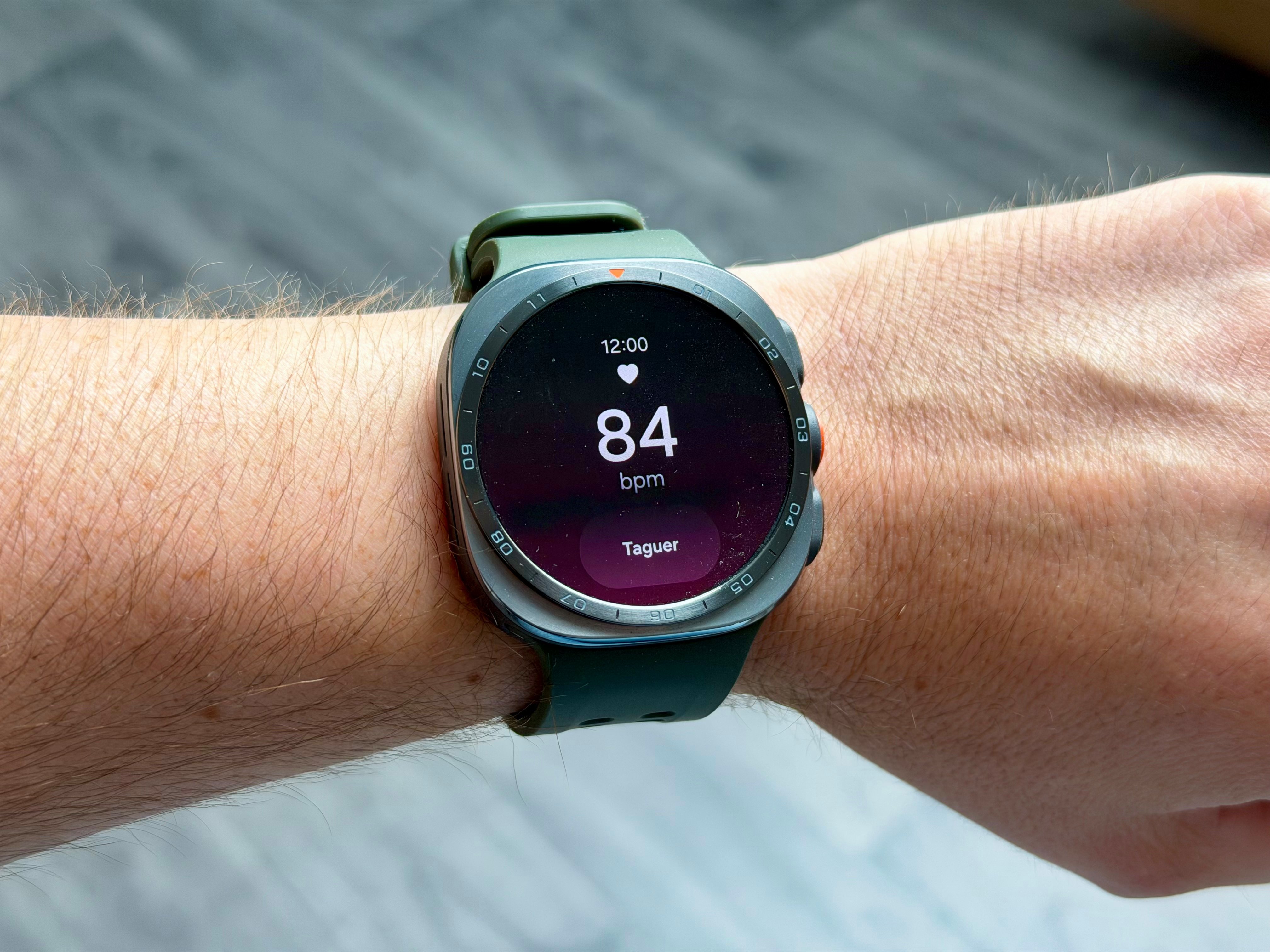
On the health front, Samsung has pulled out all the stops. Beyond the classic heart rate, SpO2 and stress tracking, the watch extends to cardiovascular load, body composition, cycle tracking, diet, and even hearing health: few manufacturers cover such a wide spectrum. The energy score shown every morning is arguably the most useful daily metric: I really integrated it into my routine, it provides a concrete, actionable snapshot in the widget area to frame your day—much more informative than a stack of graphs. Alarm wake detection, coupled with sleep tracking, rounds out the picture. Samsung Health’s recent update turns the app into a comprehensive dashboard for a holistic view of your metrics, similar to a Google Health recently. Apple should take a leaf from this, as its Health app lags well behind this interface.
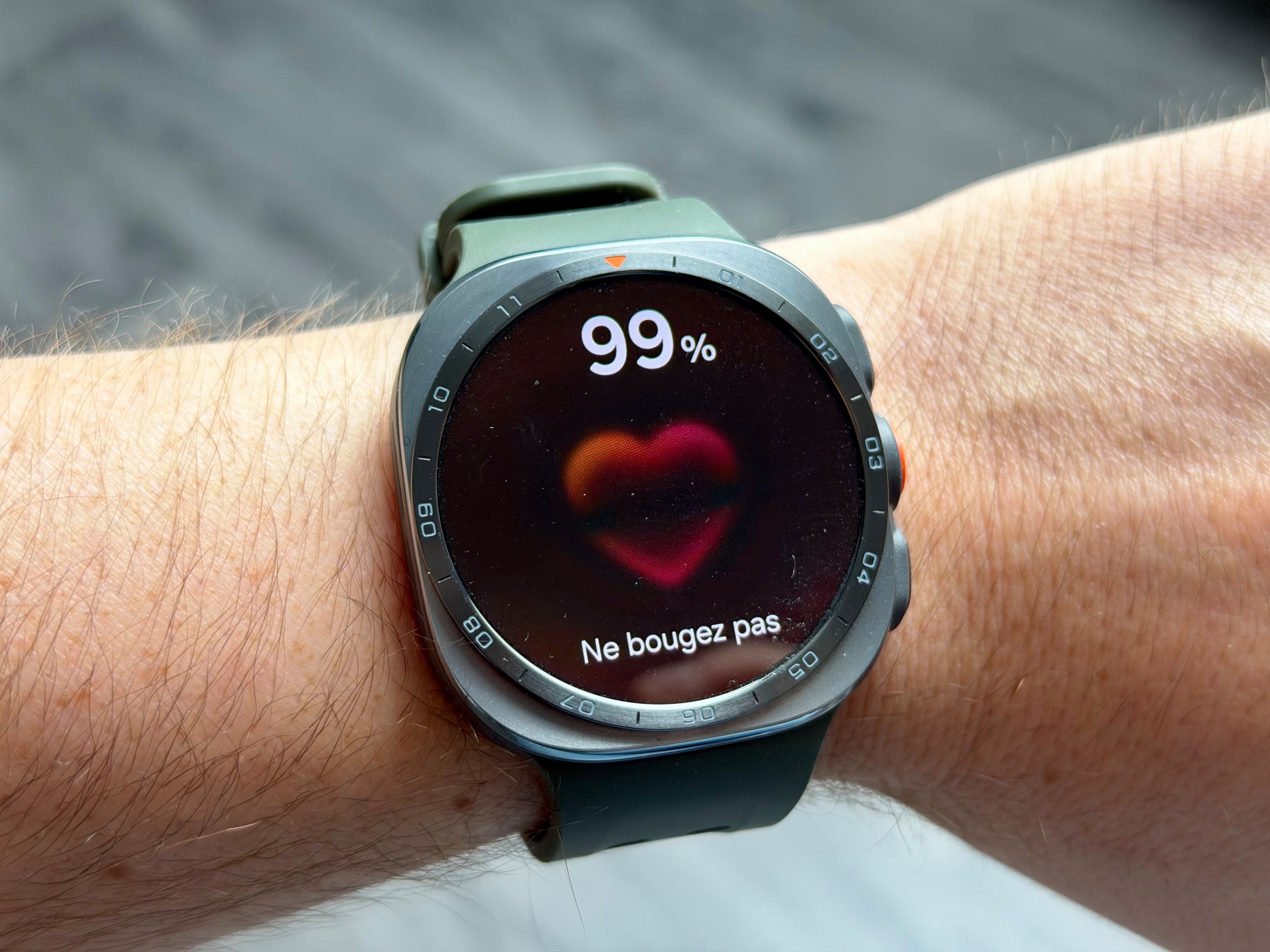
Not all measurements are as well conceived. The antioxidant index is the best example: you literally have to flip the watch on your wrist to take the measurement, a somewhat unnatural gesture that betrays a sensor limitation rather than a real ergonomics choice. Technically understandable, yet inconvenient in use and it clashes with the care given to the rest of the health experience. You’ll unfortunately forget it after one or two attempts.
Autonomy: three days of quiet, a charger that drags
With all features enabled, the Galaxy Watch Ultra 2 lasts a little under three days, with an hour of activity and GPS tracking active, which is still a very good result given the power onboard and the brightness of the display. In my daily use, it’s more than enough: I never had to monitor the battery with anxiety, the Always-On Display stays active from start to finish, and notifications continue to function until complete discharge. Samsung quotes an average of 90 hours of use, likely with lighter usage than mine during this test.
Charging, however, slightly dampens this positive impression. Expect around 1h30 for a full charge via the wireless charging puck, a bit long given the product’s premium positioning. It’s not a deal-breaker, though: you can schedule it easily—one charge in the morning under the shower or during breakfast is usually enough to cover the day.
Samsung Galaxy Watch Ultra 2: Clubic’s verdict
The Samsung Galaxy Watch Ultra 2 stands as the best Android smartwatch on the market today without much difficulty. The titanium case, the 5000-nit display, a GPS that rivals premium references, and exceedingly dense health tracking: every building block of the experience is well-crafted, even the audio, surprisingly good for a watch. One UI 9 Watch marks a real maturity, and Gemini integration hits the mark with its speed.
One shadow remains despite this know‑how: the persistent link to a smartphone. It’s hard to understand why such a powerful watch still leans on the phone for so many settings that could very well be done at the wrist. Add to that a somewhat long charging time for a premium device, and a baseline antioxidant index measurement that requires flipping the watch on the arm, and the experience loses a bit of its technological shine. The absence of iOS compatibility, meanwhile, is more of a notice than a real gripe; no one buys this watch to pair it with an iPhone.
The Galaxy Watch Ultra 2 targets a specific audience: Android users who want a rugged, sporty, and feature-rich watch without compromising on build quality. For others, those who dream of truly autonomy from their phone, the road is still long, for Samsung and beyond. It remains to be seen whether a future version will finally dare to cut this cord.
- Exemplary build, titanium and sapphire glass
- Sun-max brightness display of 5,000 nits
- One UI 9 Watch: smooth and mature
- Fast and accurate GPS, reliable heart rate
- Rich health monitoring
- Gemini quick and well integrated
- Good endurance for an Ultra watch (around 3 days)
- Strong dependence on the smartphone for many adjustments
- No iOS compatibility
- Recharge a bit long (about 1h30)
- Ergonomics issues with antioxidant index measurement
9
10
8
9
8
Samsung Galaxy Watch 8
Apple Watch Ultra 3
Xiaomi Watch 2
Google Pixel Watch 2
Huawei Watch Ultimate

Daniel Brooks
I cover everyday products with a practical eye, from kitchen tools and home essentials to smart gadgets and consumer trends. My goal is to help readers understand what is genuinely useful, what is worth the price, and what deserves a second look before buying.