As it has done every summer for five years now, Samsung is unveiling the next generation of Galaxy Z devices, its foldables. Last year, the company took many by surprise with the addition of the Z Flip7 FE, a more affordable version of the Z Flip 7. The 2026 batch also brings a few little surprises, as a new model makes its debut.
Samsung takes the opportunity to revise the nomenclature of its folding devices: the successor to the Z Fold 7 is now dubbed the Z Fold 8 Ultra. The newcomer carries the name Z Fold 8, while the Flip line keeps the logical evolution of the branding: the Z Flip 8 follows the Z Flip 7 and the Z Flip 8 FE will replace the Z Flip 7 FE when Samsung decides to announce it (in the fall, according to our information).
Samsung justifies this shift by aiming for consistency with the Galaxy S line, where Ultra represents the pinnacle of current technology: it made sense that the high-end of the Z family adopt the same suffix.
8 / 10
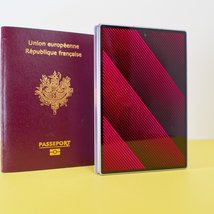
- Nouveau format passeport
- Screen quality, crease nearly invisible
- Raw power
- Silicon-graphite battery and 45 W fast charging
- Exorbitant price
- Disappointing photo quality for a premium device
- Throttling too high
- IP54 water resistance only
- No S-Pen support
- Puncture on folding screen
If we were to be cheeky (though that’s not our thing, you know), one could note that by following this logic, the Z Fold 8 should be named Z Fold 8 Plus (or Edge, but given the relatively modest success of the Galaxy S25 Edge, it’s not certain it will have a successor). In any case, the Z Flip 8 should be called Z Fold 8 “full stop.”
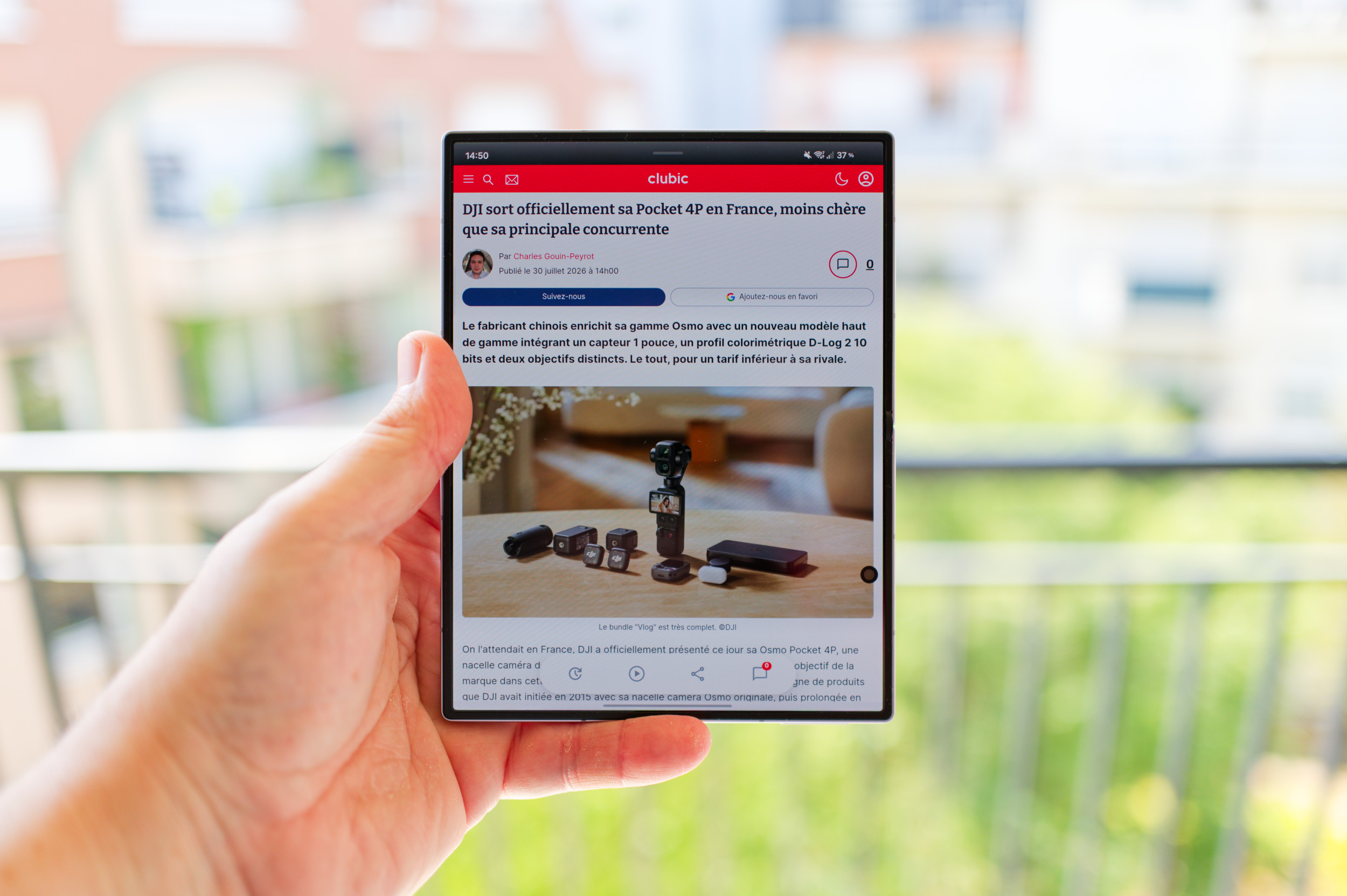
Whatever the case, the Z Fold 8 adopts a format that is unusual for the Korean manufacturer, though not entirely new. OPPO pioneered it in 2021 with the Find N, followed in 2023 by Google with its first Pixel Fold. In May, Huawei joined with the Pura X Max, available only in China.
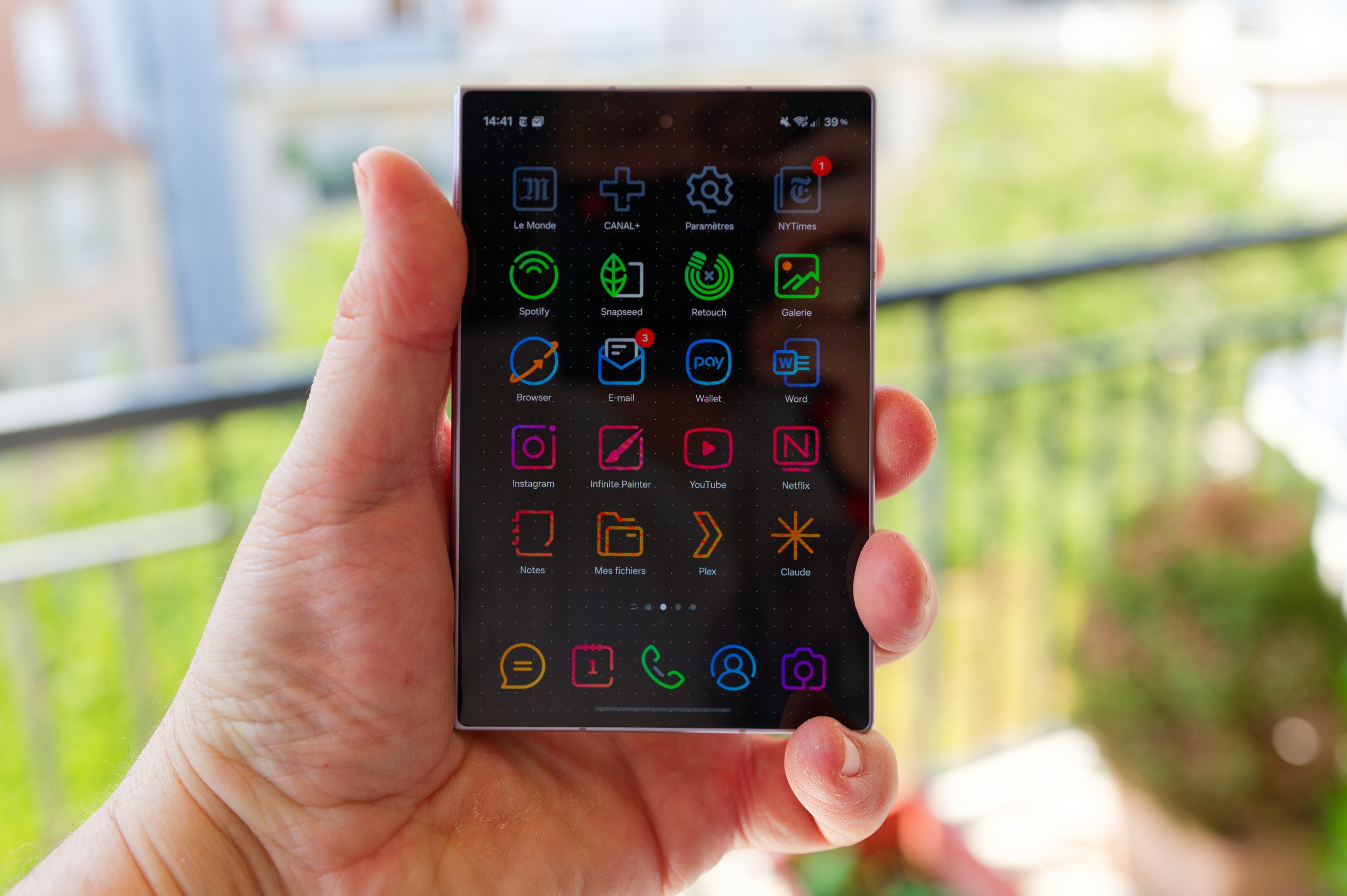
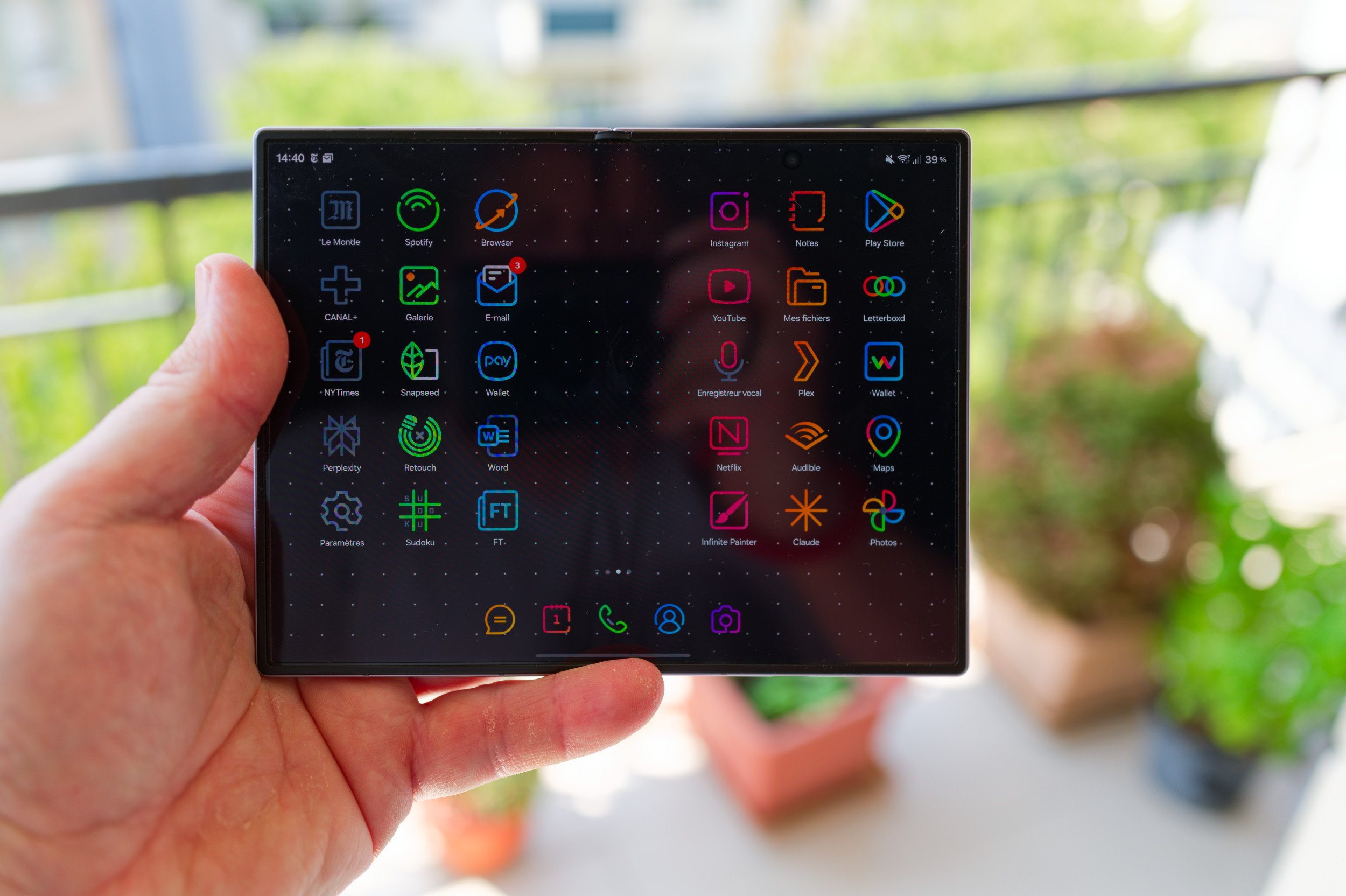
This format aims to make the keyboard on the outer display more usable, since the Fold’s main exterior screen demands a patient approach to mastering it. Another important detail is that the foldable display ratio left many users hungry, especially for watching movies or video content.
To be thorough, we should note that a hypothetical passport-style folding iPhone could surface in the coming months. For now, it’s merely a rumor that has grown into a colossal online talking point (as it often does with Apple). Is it a fantasy, as were Apple TV or Apple Car, or a reality?
We lean toward the second hypothesis, which would fit the manufacturer’s ethos. Apple has shown that when it comes to hardware, it can let competitors pave the field with various concepts, only to announce its own enhanced version. It did so with Wi‑Fi in 1998 (before Airport existed, configuring a network properly required an engineering degree), in 2001 with the iPod (hello Creative Labs and Archos, two fine geek memories) and of course with the iPhone.
A Versatile Passport-Style Format
Back to the Z Fold 8. The first impression is positive. And to be frank, we find it quite endearing (yes, a smartphone can be cute for a geek). Its compact footprint (81.9 × 123.9 mm) lets it slip into a pocket without weighing you down at 201 g. Samsung has done an impressive job on the Fold 8’s slimness: 9.7 mm thick when closed and 4.5 mm when opened. It isn’t the thinnest around—Honor’s V6 is thinner—but it remains remarkable.
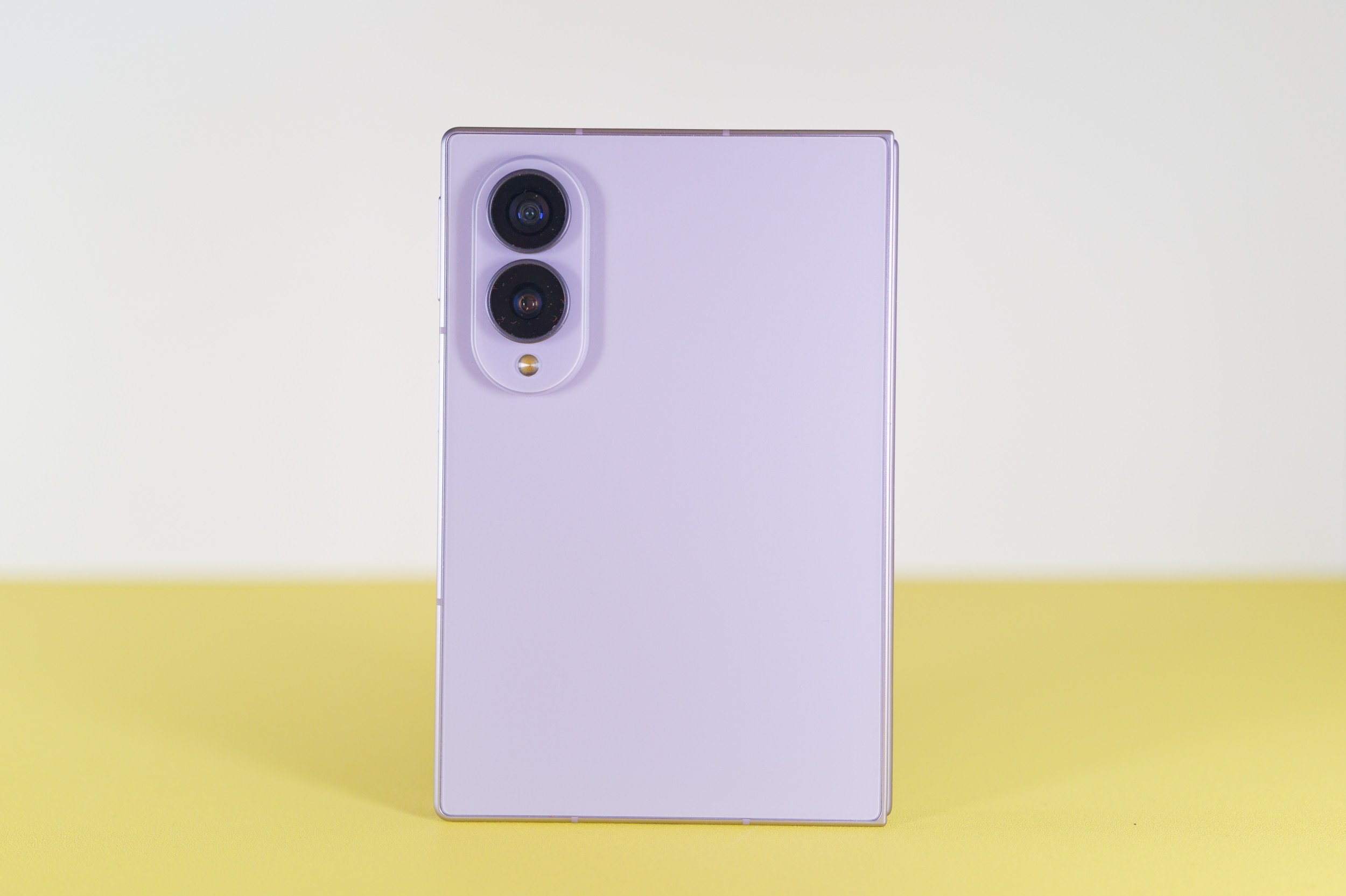
The Fold 8 uses premium materials and brushed glass, presenting a clean look, slightly rounded corners, and the capsule housing the rear camera. Samsung claims to have refined the opening mechanism to make it more pleasant than on the previous model. A slight bevel aids the opening, which is a little tricky given its thinness. Is there a real difference in everyday use? Yes and no. Yes, because the screen is indeed easier to unfold. No, because the outer display’s aspect ratio means you won’t use it much (certainly not as often as on the Z Fold 7).
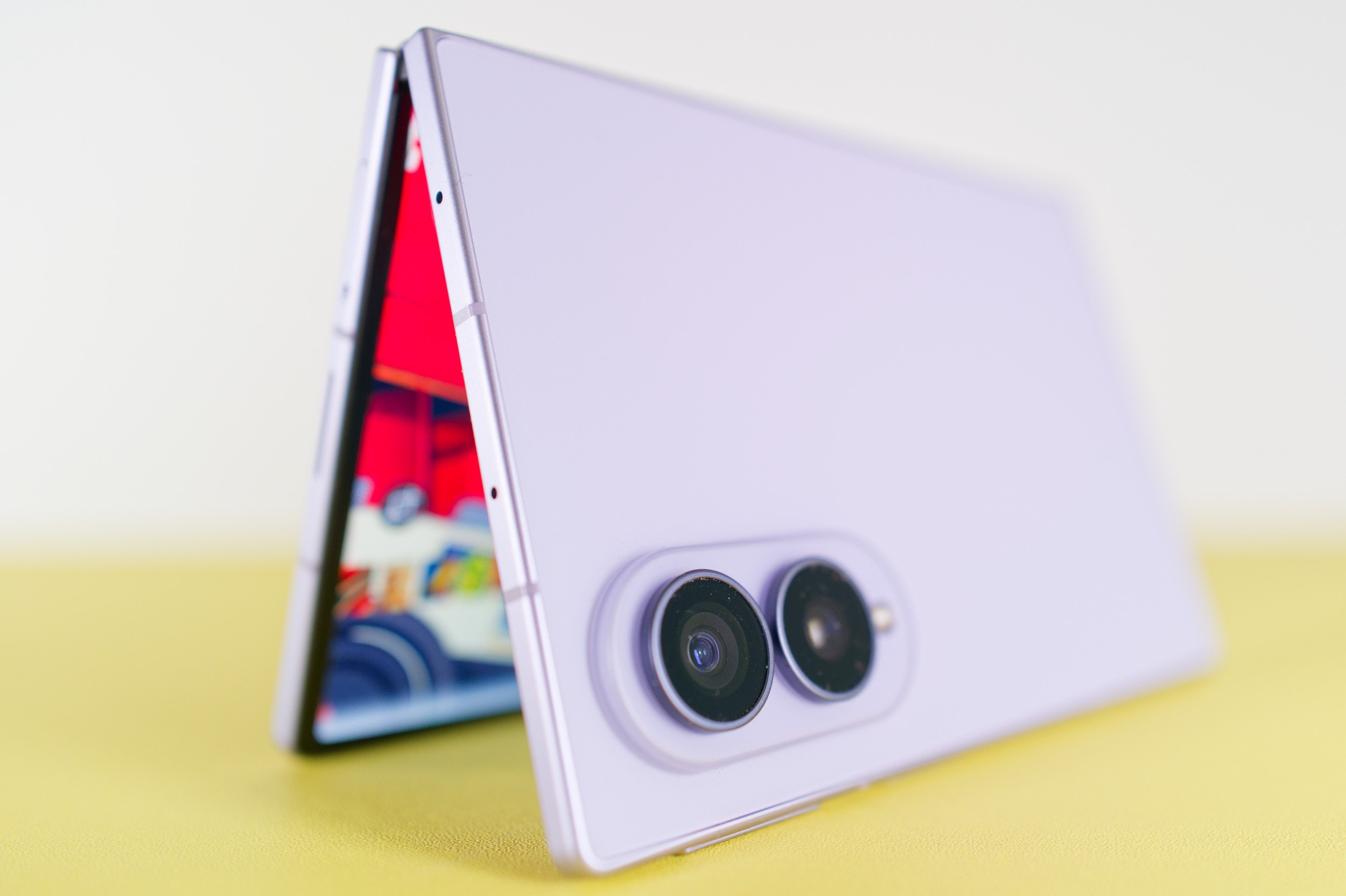
Why bother with two displays? That’s a very good question, and thank you for asking. The 10:16 outer display is perfect for scrolling through social networks or using instant messaging (the keyboard is a real joy to type on).
Once opened, the Fold 8 is well suited for viewing photos and especially videos. Unless you insist on watching only CinemaScope films, the letterboxing is much reduced compared to the old Fold format. By flipping the device to portrait (3:4), browsing websites, documents or magazines becomes much more comfortable.
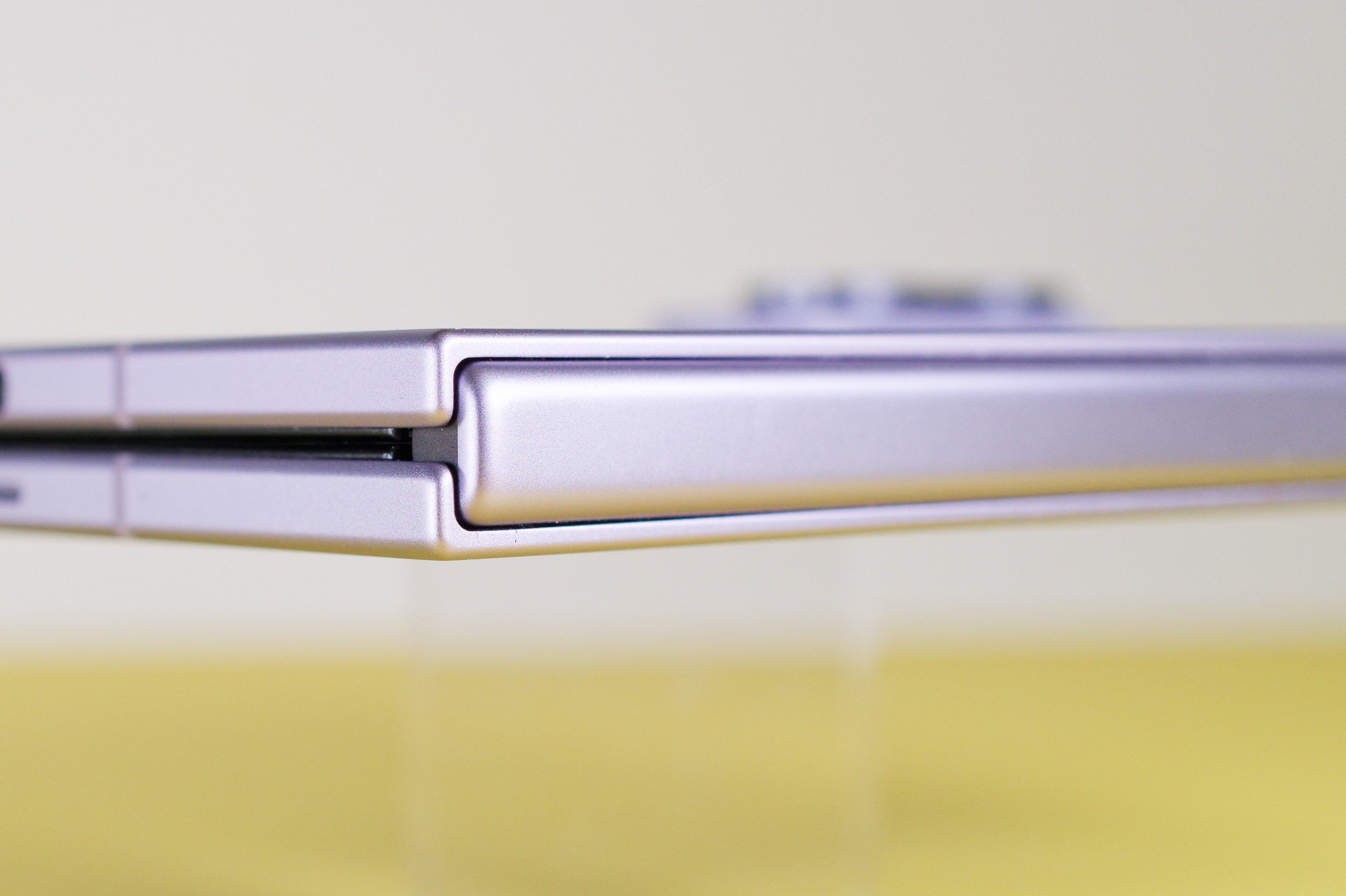
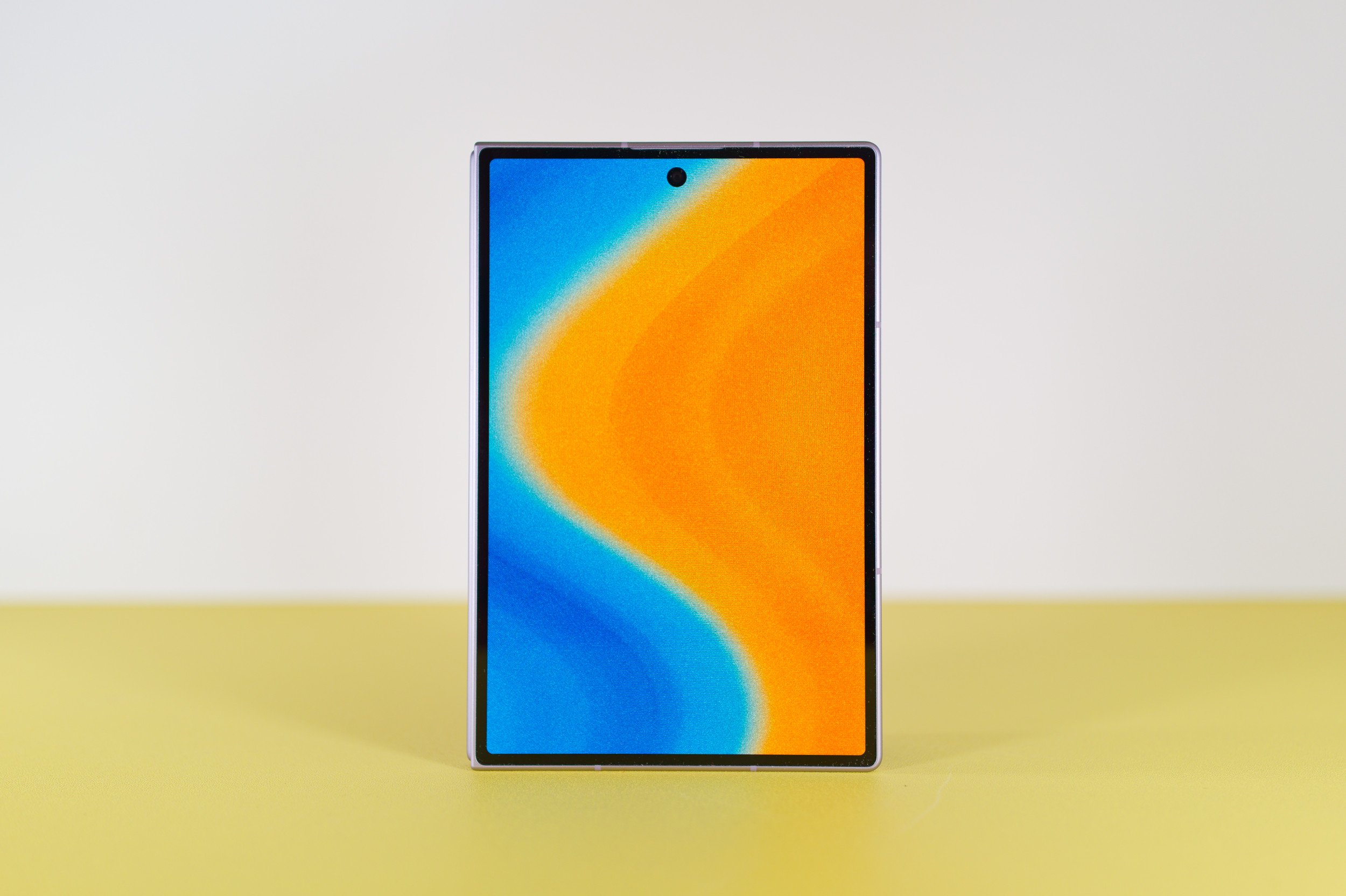
The external format is ideal for social networks and instant messaging, while the interior screen allows for full-screen collaboration or creative work, making the passport-like format particularly flexible.
The true software novelty is dynamic video cropping. After recording a clip, you open the gallery, press the dedicated Galaxy AI icon, then select the subject to track on-screen. The AI then keeps the subject framed throughout the clip, without needing to crop frame by frame.
Best of all, you can also change the output format after the fact (landscape, portrait, 16:9, 4:3). You could, for example, film a scene in landscape and export it directly in vertical orientation for Instagram or TikTok without re-editing in post. Everything is done as simply as possible, with no manual cropping. An interesting idea for content creators.
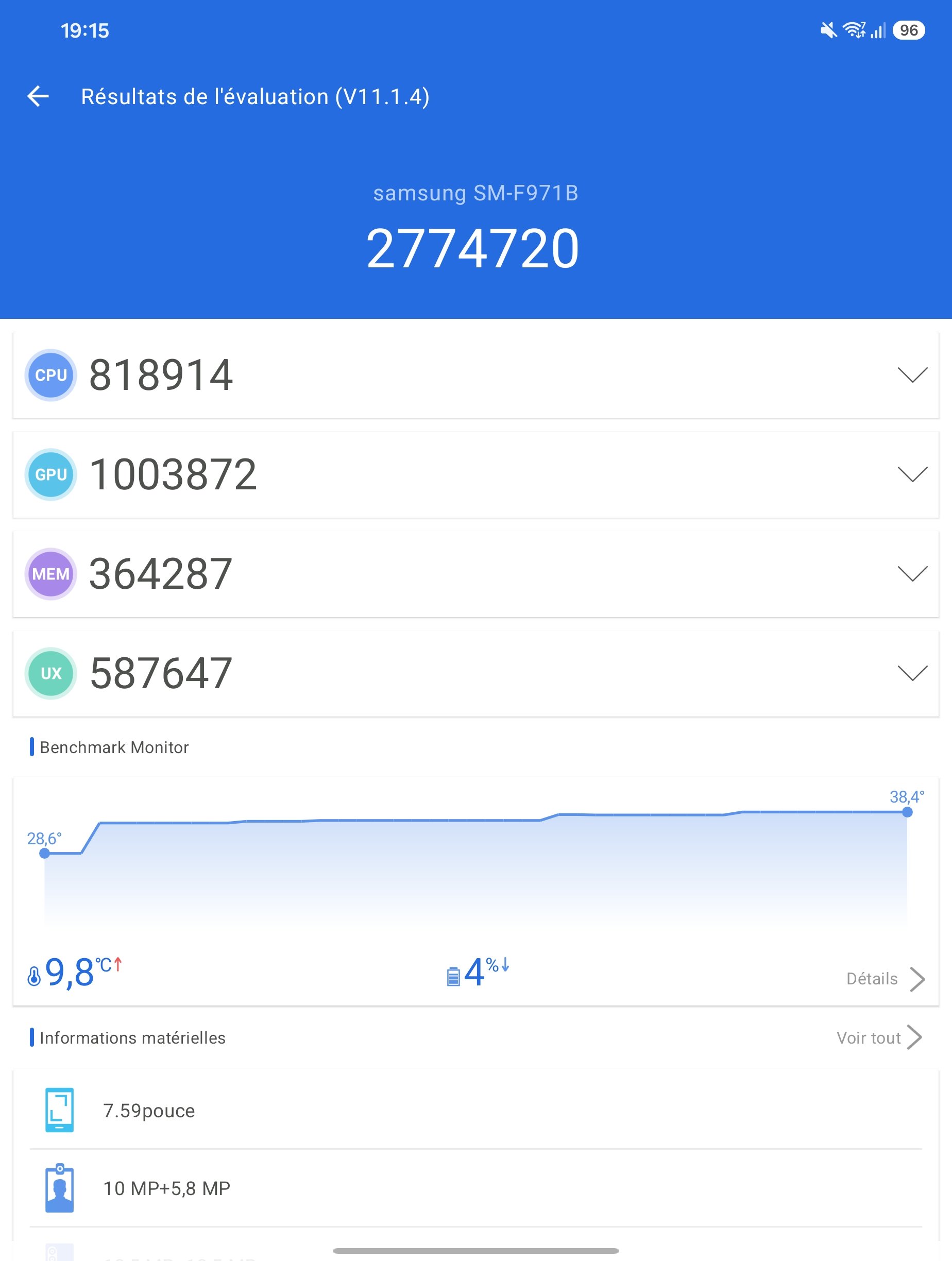
It thus scores 2,774,720 points on the AnTuTu benchmark, which measures overall device power. It brushes against the top flagship phones of the moment, propelled by a particularly strong graphics engine (over a million points just for the GPU).
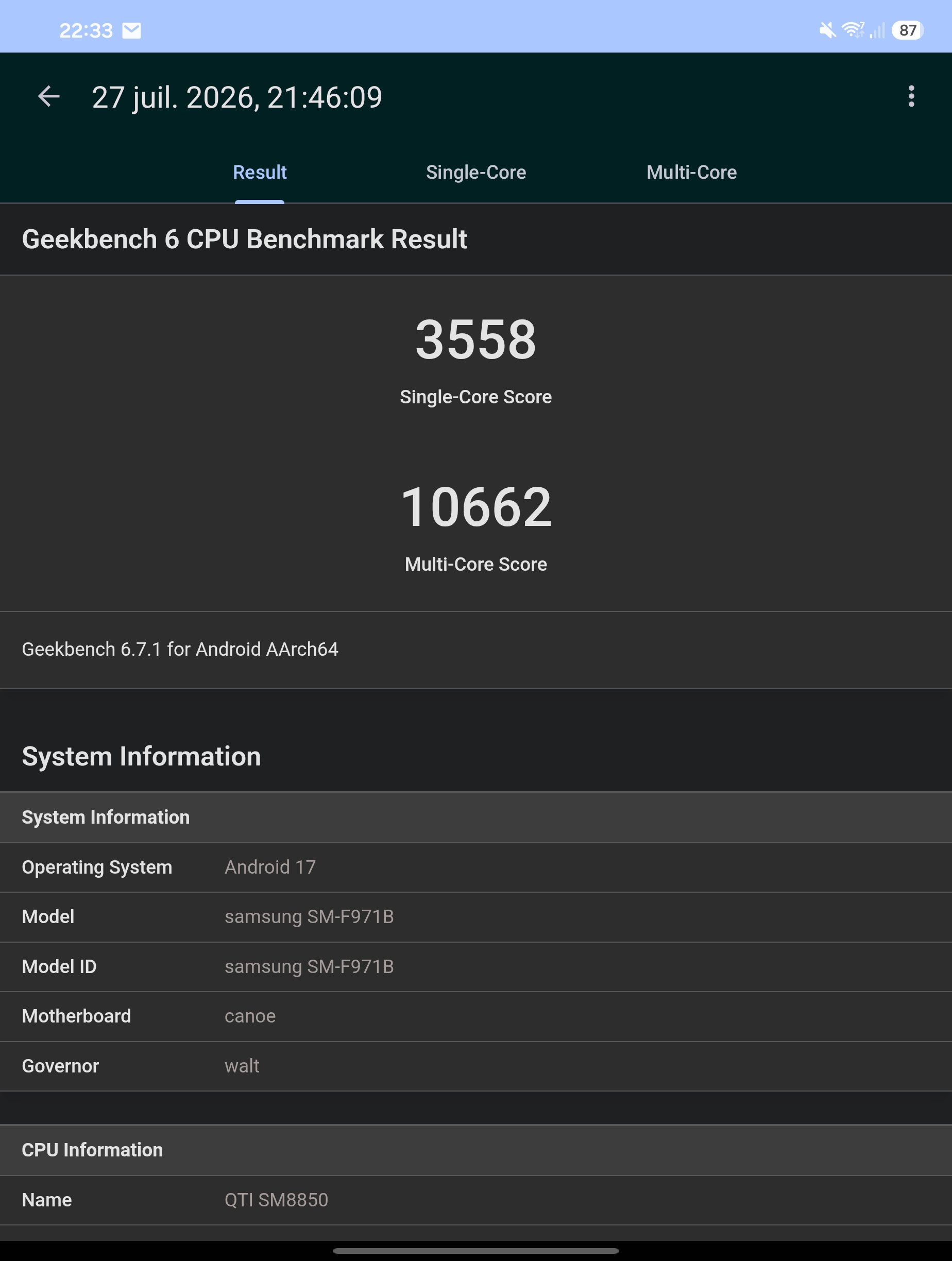
Geekbench 6 credits it with 10,662 points in multi-core and 3,558 in single-core. The latter figure is the most telling in daily use: it conditions responsiveness, app launch speed, and navigation fluidity.
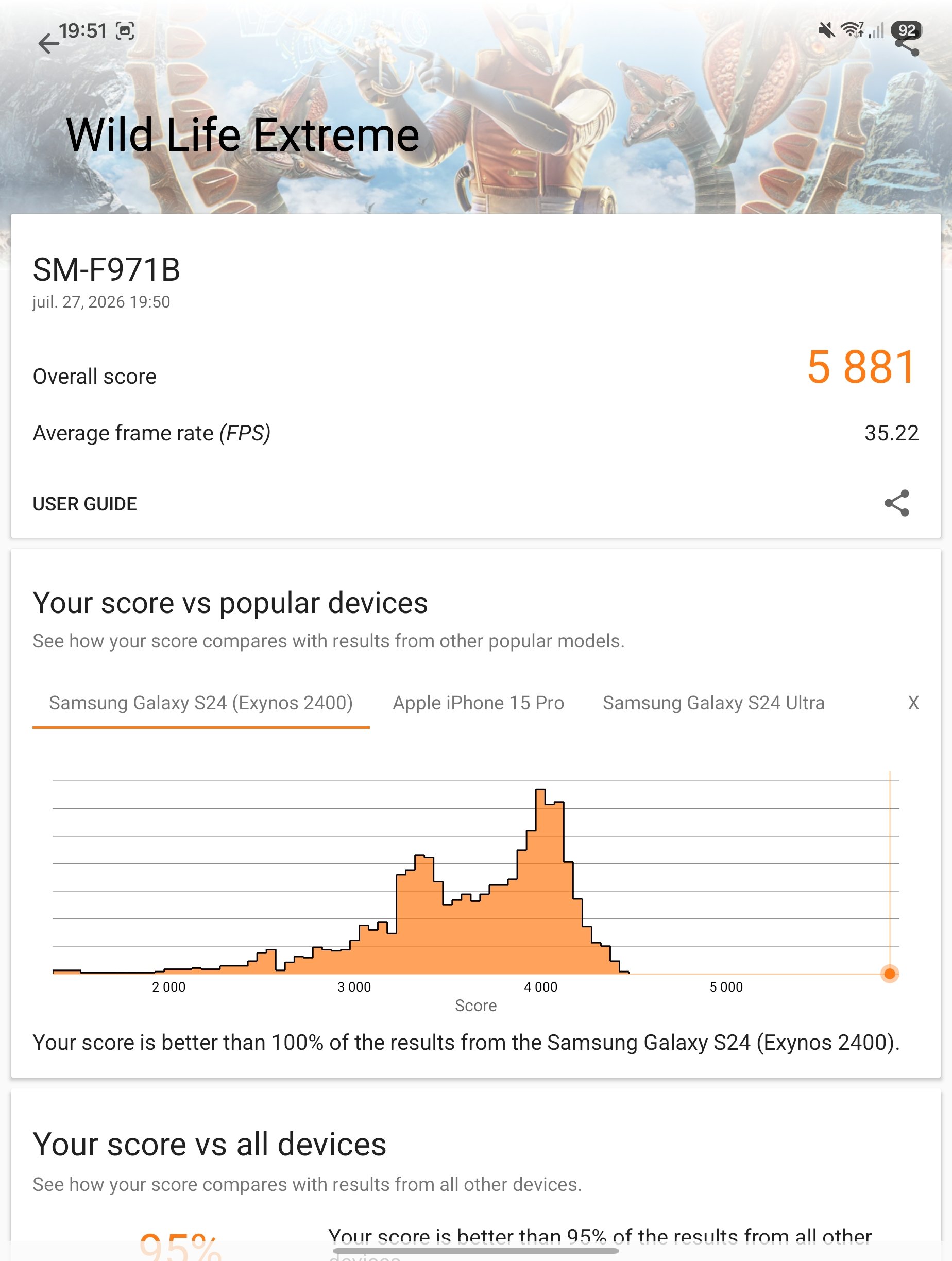
Finally, it scores 5,881 points in the 3DMark Mobile Wild Life Extreme test. For a foldable, historically trailing on the graphics side, this is a solid performance.
So what does this mean in concrete terms? The Fold8 can handle anything we throw at it. Multitasking across three windows on its foldable screen, high-graphics games at max settings, or 4K video editing all pass with ease. In daily use, it’s simply one of the fastest smartphones on the market.
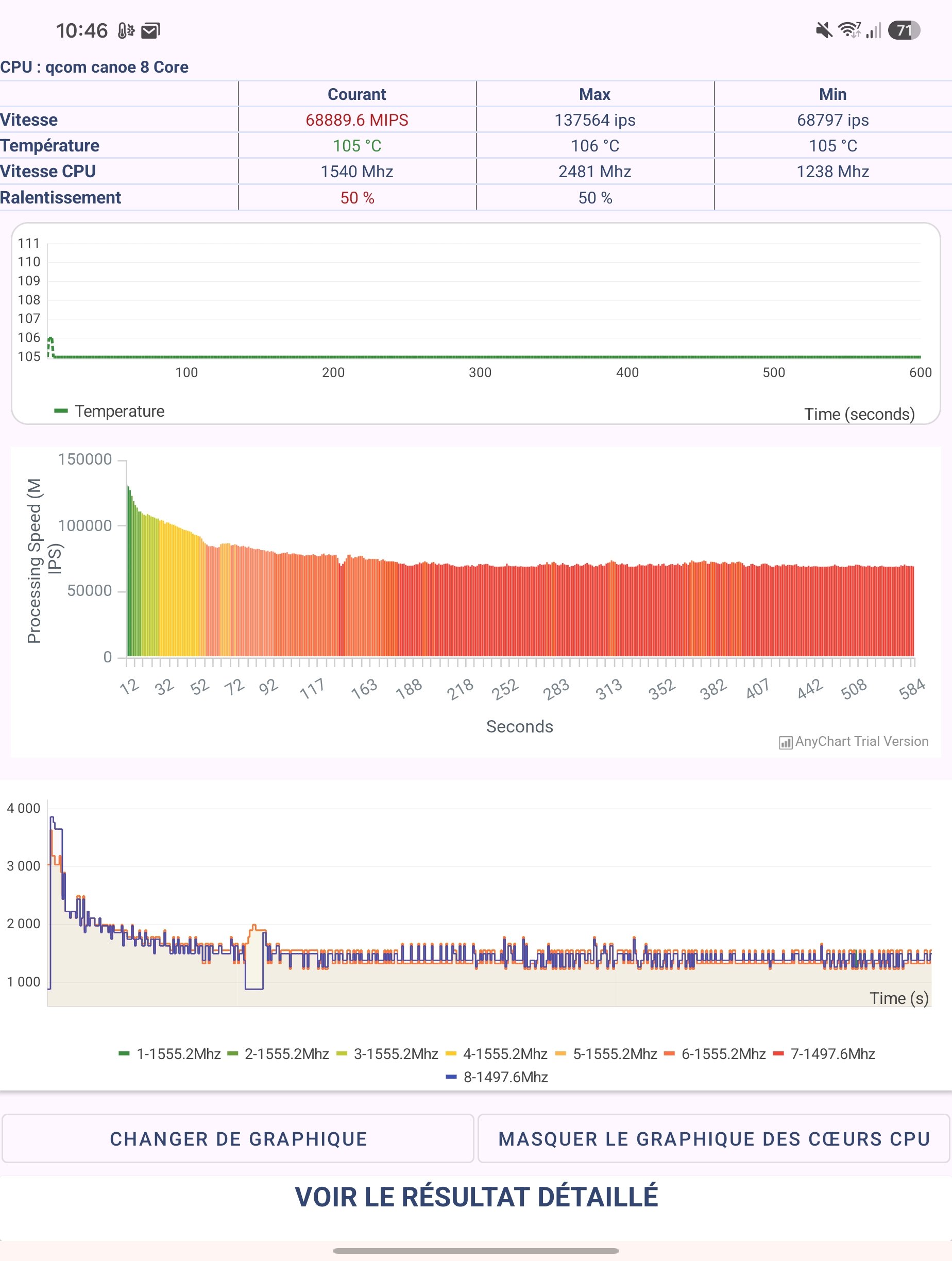
There is, however, one caveat. And that caveat is heat. You know us, we tested power longevity to see how this monster behaves over time. The foldable form factor imposes limits here.
During a prolonged CPU stress test, the SoC climbs to 105-106 °C internally and throttles to about half its performance: computational speed falls by nearly 50% before stabilizing. The same occurs in the Wild Life Extreme stress test, where stability sits at about 50% of nominal power. In short, during intense gaming sessions, the Fold8 loses about half of its prowess.
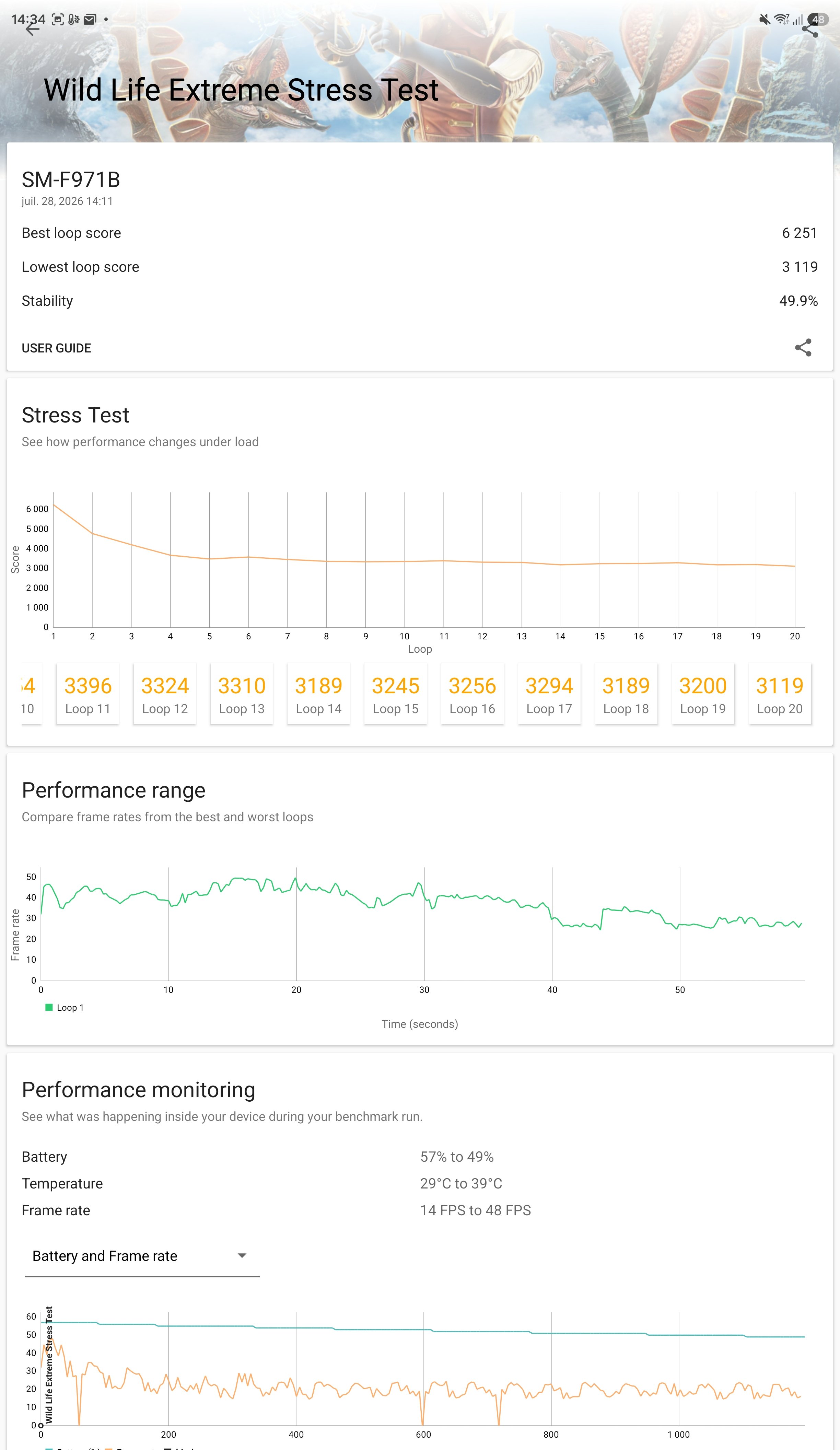
Should you worry? Honestly, not too much. First, because throttling remains stable: the smartphone settles into a cruising regime and stays there, without erratic spurts. Second, because this aggressive regulation seems primarily preventive. The surface temperature never exceeds 39 °C in our readings, roughly ten degrees above baseline.
In other words, Samsung is intentionally sacrificing some short-term power to preserve comfort when holding a unfolded device with two hands. In a foldable whose chassis is slim, leaving little room for a generous heat chamber, this trade-off makes sense.
The summary in one line: monstrous on brief sessions, wiser over the long haul. The Fold8 is not the ultimate marathon gaming machine. Let’s be realistic: that’s not exactly why you buy a folding smartphone!
Galaxy AI is increasingly present
The Galaxy Z Fold 8 runs on Android 17 and One UI 9, which Samsung designed to leverage the “big Fold displays.” Practically, the interface adapts to the way you hold the phone rather than simply scaling up a conventional UI.
Regarding Galaxy AI, two features are highlighted. The first isn’t new to this generation but fully leverages the format: the photo assistant, already seen on the S26, can describe aloud the edit you want to apply to a photo directly from the gallery—crop, remove an element, adjust lighting—and leave the AI to handle it.
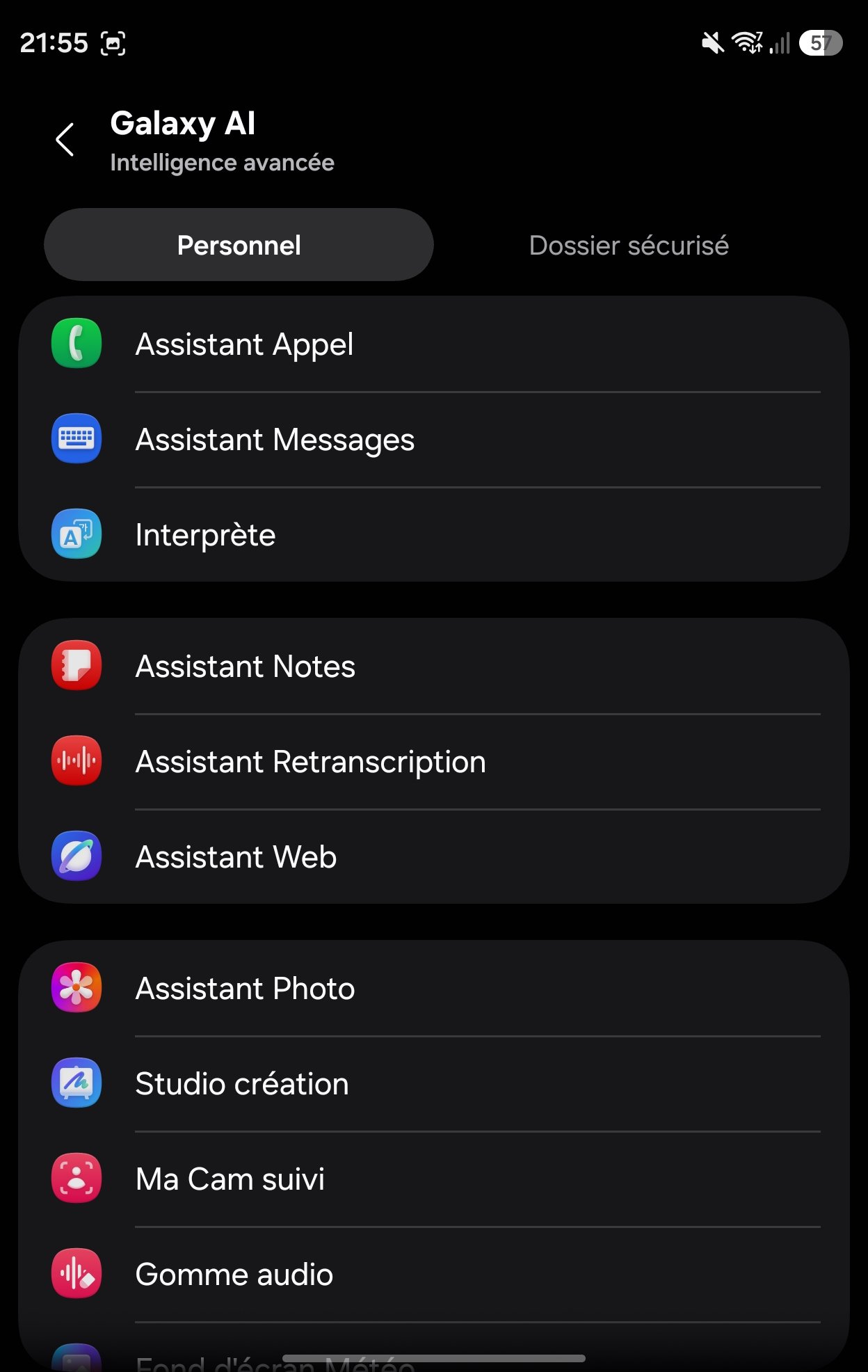
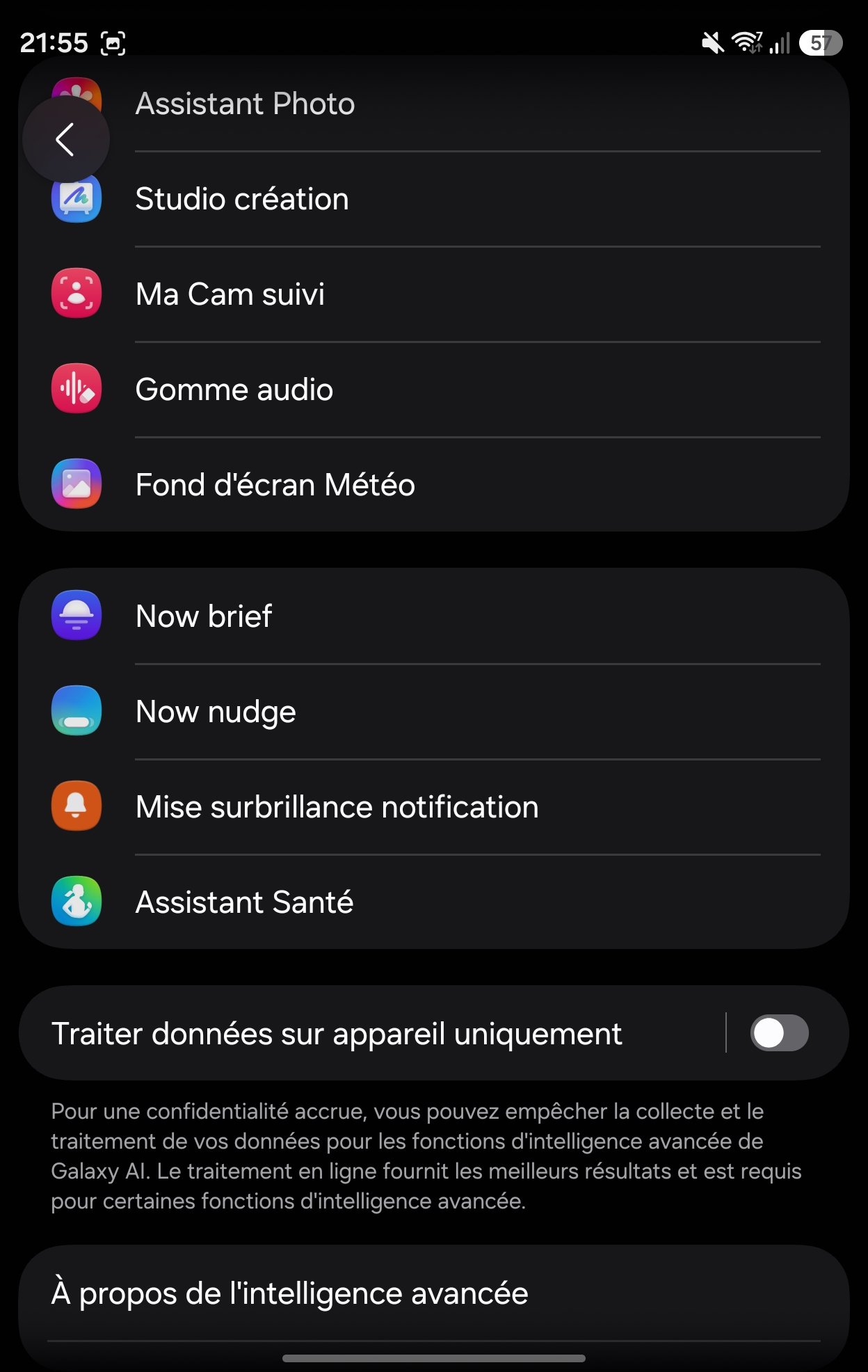
Beyond these two features, Samsung describes Galaxy AI as a layer that “works in the background” on the Fold8, with an aim to offer a smooth and integrated experience rather than a pile of AI gadgets to toggle manually. It’s a narrative that runs across the entire Z8 range, not just this model.
Some Galaxy AI automation features won’t be available in Europe at launch. For example, a voice command like “Call me an Uber” triggers a sequence of actions to fulfill the request. The feature already covers more than 40 apps in the United States and Korea, but it remains absent from the European market. When we asked Samsung France about availability, the reply was a vague “later.” Who knows how long a “later” might be…
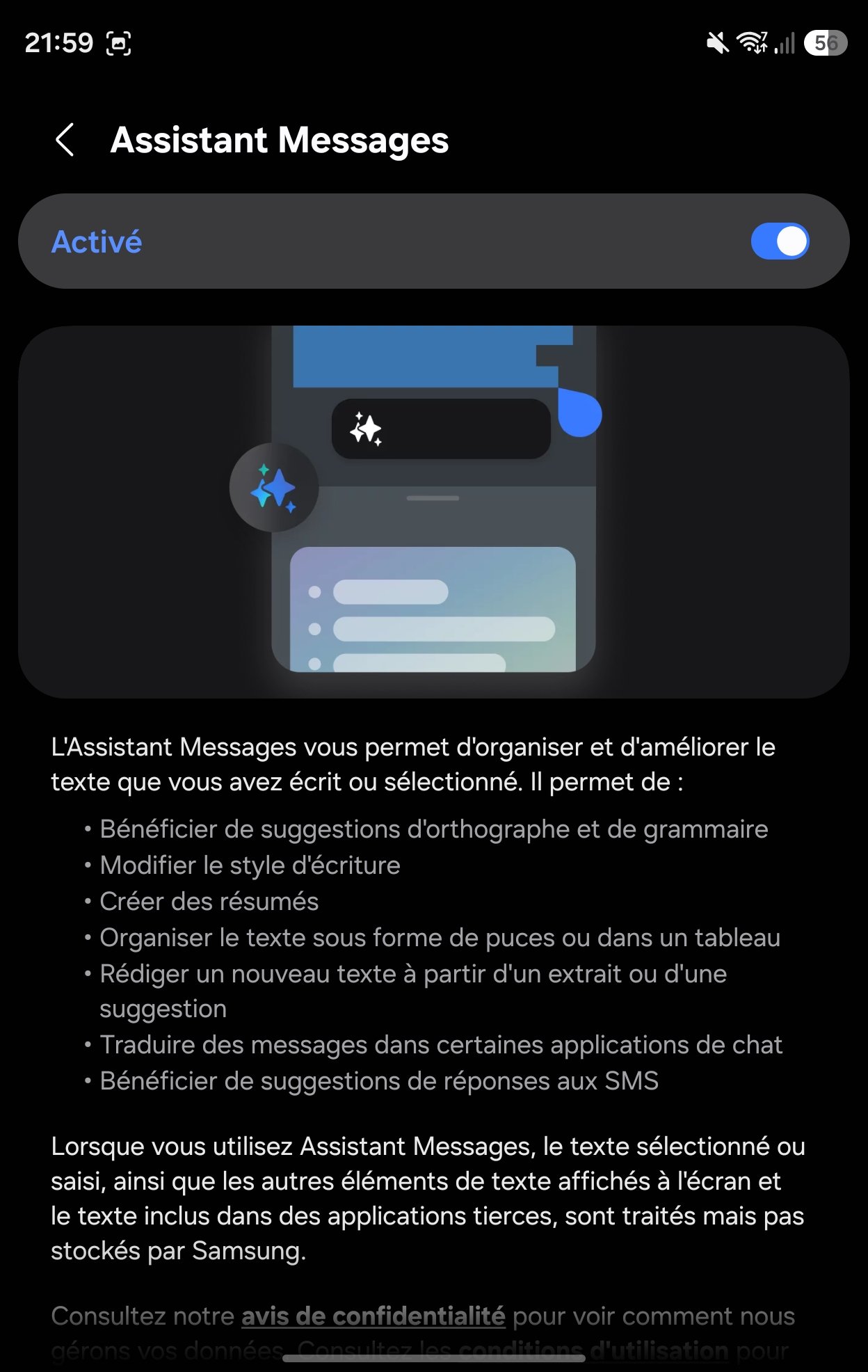

The passport format of the Z Fold 8 is, in our view, much more versatile than what existed before. Even better: it complements the two existing models pertinently. The Z Fold 8 Ultra with its “remote control” format will appeal more to business users who want to display two or three apps simultaneously. The Z Flip 8, on the other hand, is designed to appeal to a younger (and wealthier) crowd for whom style comes first. So far, so good.
Two Stunning Displays
The external screen is a small marvel. Its LTPO AMOLED 2X panel measures 5.5 inches with a resolution of 1248 × 1972 pixels. It ticks all the boxes for a premium product: adaptive refresh rate from 1 to 120 Hz, peak brightness up to 3000 nits in HDR, and Vision Booster technology that keeps it legible even in bright sunlight. Color fidelity is solid, blacks are true, and the contrast is excellent thanks to the OLED nature.
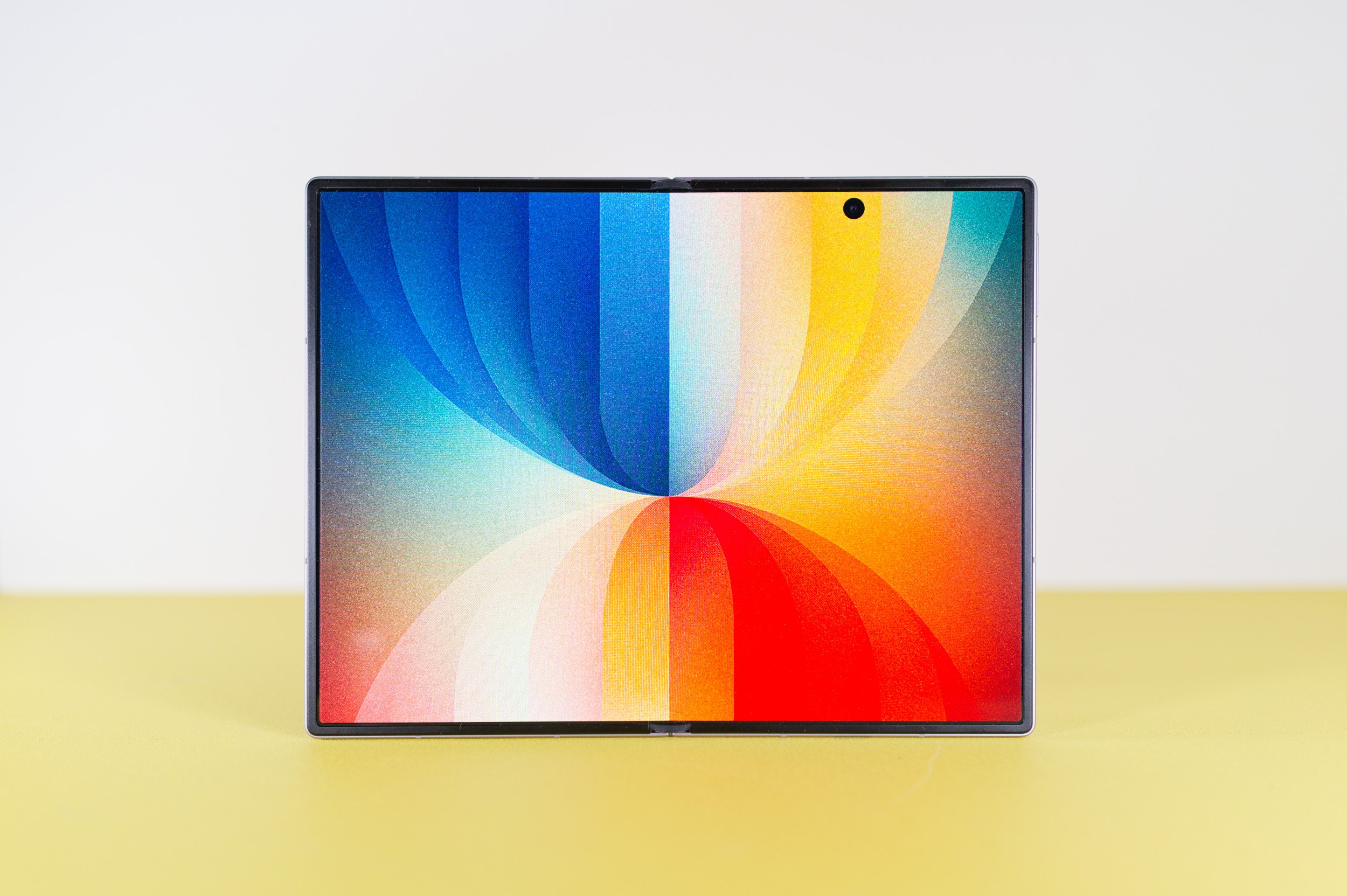
The main screen also holds up well. It uses a folding 7.6-inch panel with a resolution of 1828 × 2448. Again, the specifications are as expected. The refresh rate varies from 1 to 120 Hz, and the brightness peaks at 3000 nits in HDR. Vision Booster helps keep it legible in bright July sun.
Samsung completely redesigned the construction to be more rugged and thinner, while making the crease even less visible. It uses a double titanium layer integrated into the protective frame, a redesigned hinge, and a more effective anti-reflective treatment. In everyday use, the foldable screen is also excellent.
We do have two gripes. The main display is marred by an unsightly punch hole, which reappeared on the Z Fold 7. It’s especially disappointing since the Fold8 is pitched for digital leisure: that tiny hole sticks out more than ever.
We also regret the disappearance of S Pen compatibility, dropped last year. Samsung justified this by its ongoing chase for thinner devices. Very well, but with a screen about 10% thinner than the previous model, one would still have appreciated its return. Samsung counters that it preferred to allocate that extra space to the battery, as we’ll see later.
Performance: flagship power with foldable thermal management
The Galaxy Z Fold8 houses the Qualcomm Snapdragon 8 Elite Gen5 SoC, paired with 12 GB of RAM. Our test unit has 256 GB of internal storage, non-expandable. On paper, that’s the top-tier setup for mid-2026. In practice, the Fold8 does not pretend to be anything but the best.
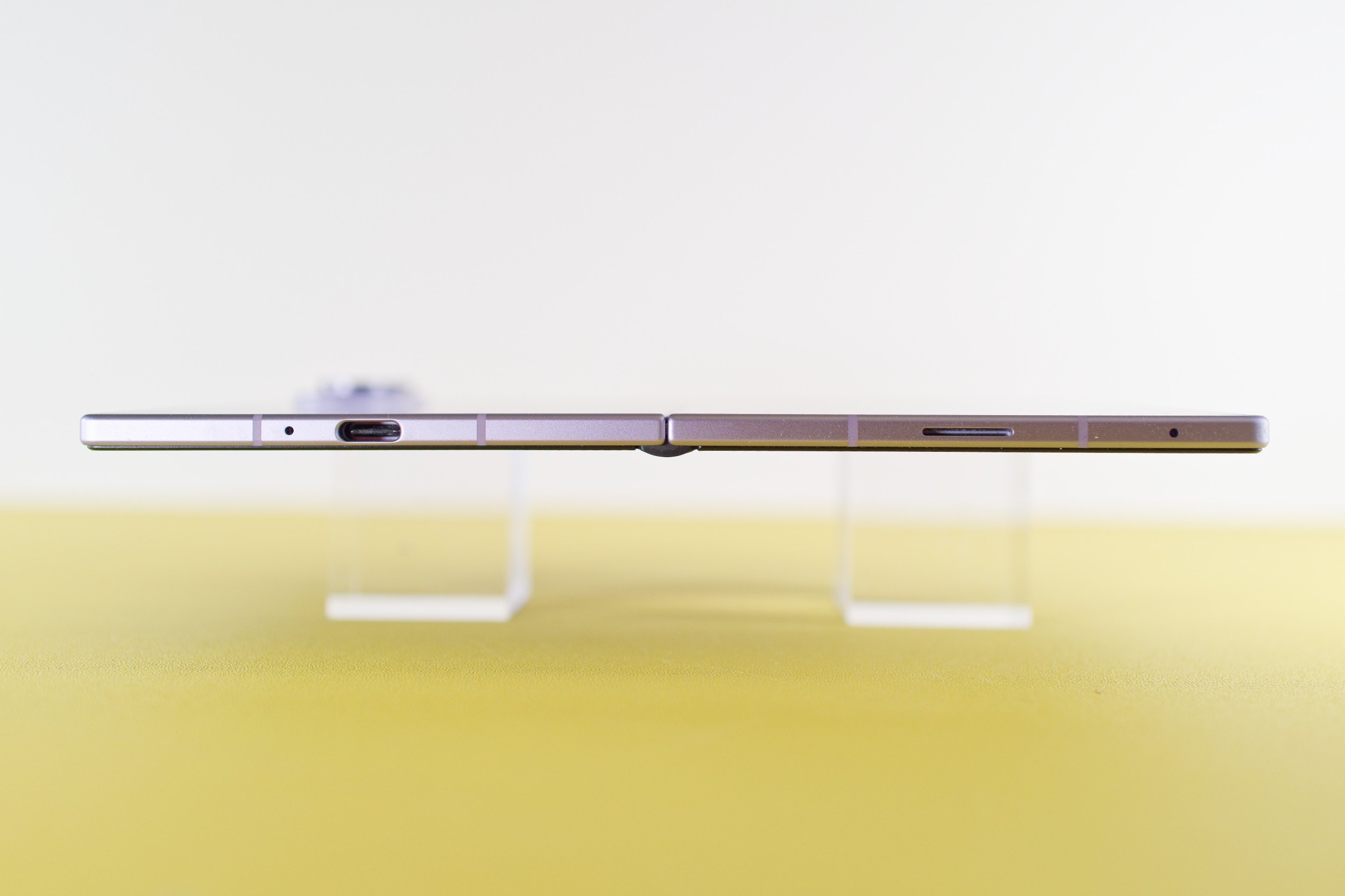
So, why bother with two displays? That’s a great question, and we thank you for asking. The exterior 10:16 display is perfect for scrolling social feeds or messaging, where the keyboard is actually a pleasure to use.
When opened, the Fold 8 is well-suited to viewing photos and especially videos. Unless you’re married to Cinemascope movies, the black bars are significantly reduced compared to the old Fold format. Rotating to portrait makes websites, documents, and magazines feel much more comfortable.
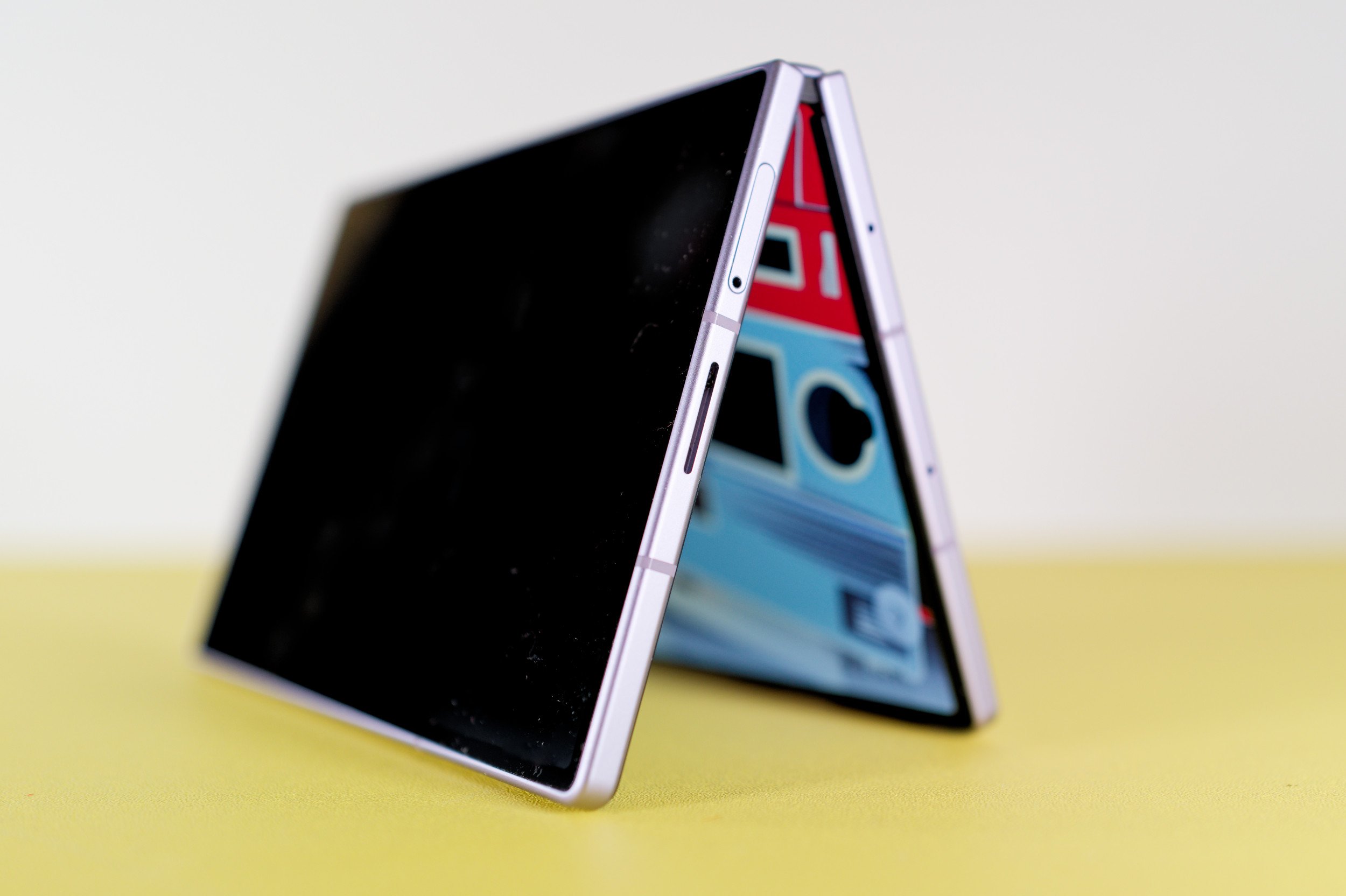
The internal screen enables better reading of both the “before and after” side-by-side, rather than overlaying edits. The same logic applies to document scanning: partially folding the phone lets you angle the shot to match the paper’s format, a use Samsung presents as made easier by the Fold rather than reinvented for the occasion.