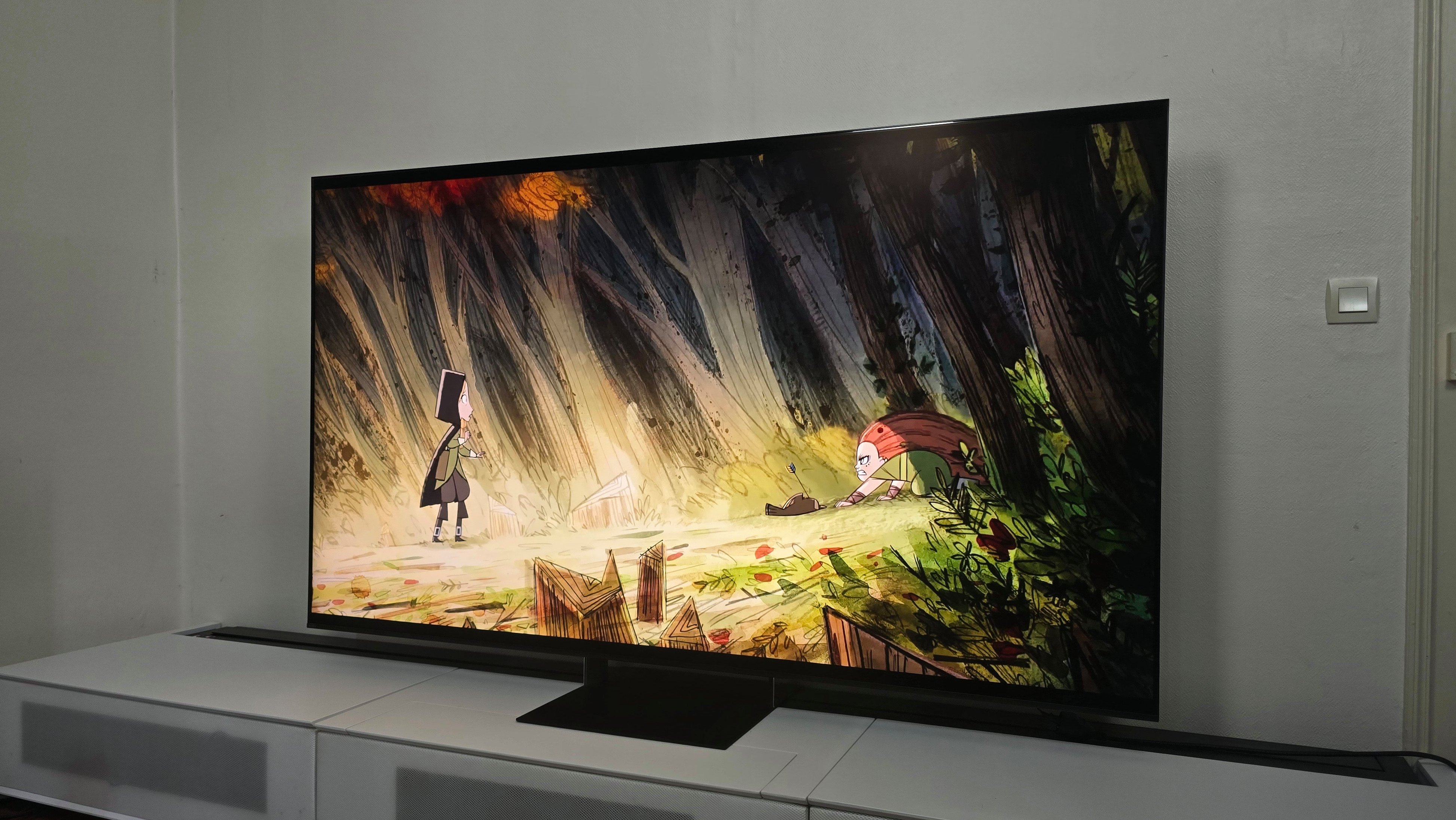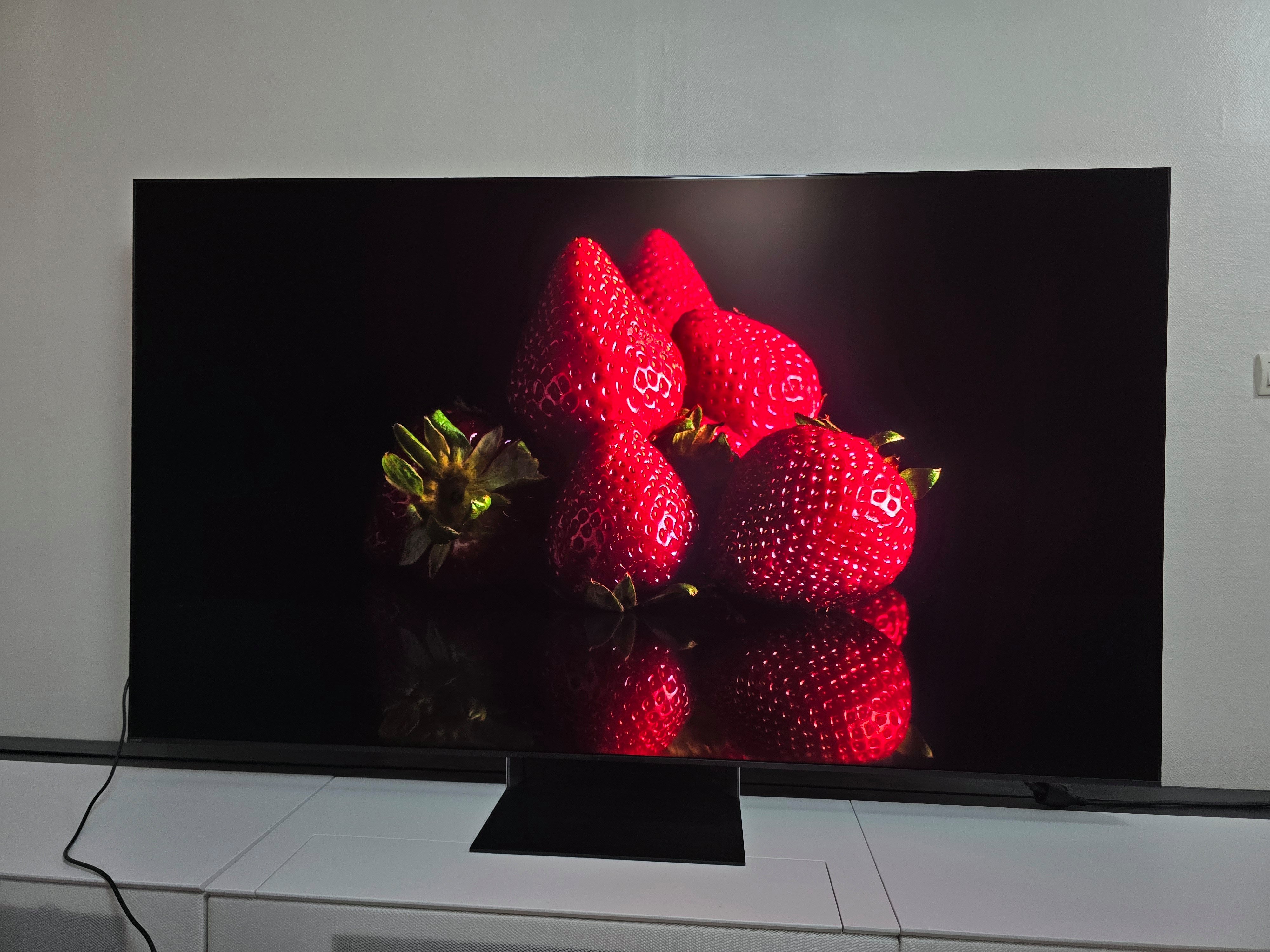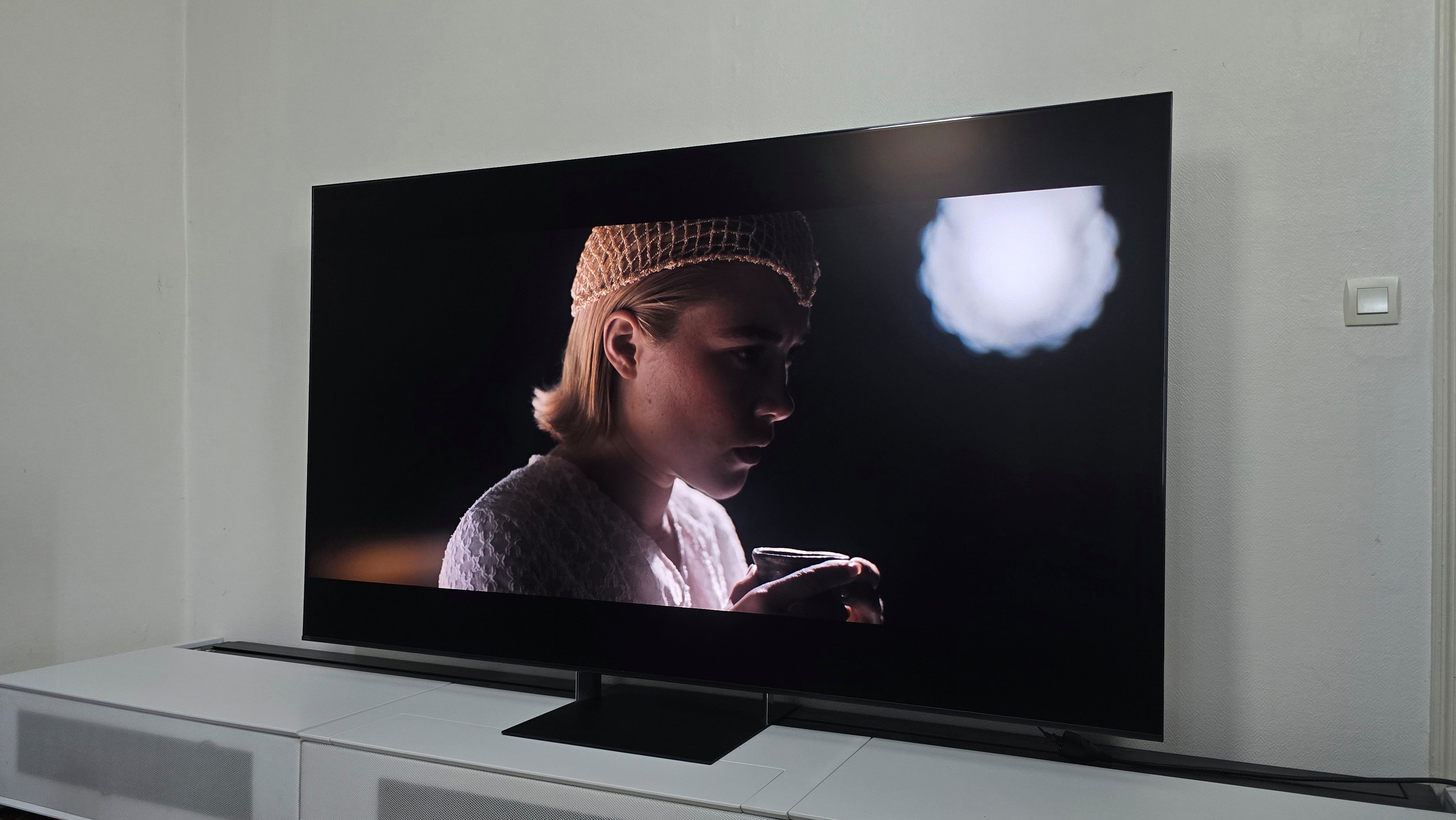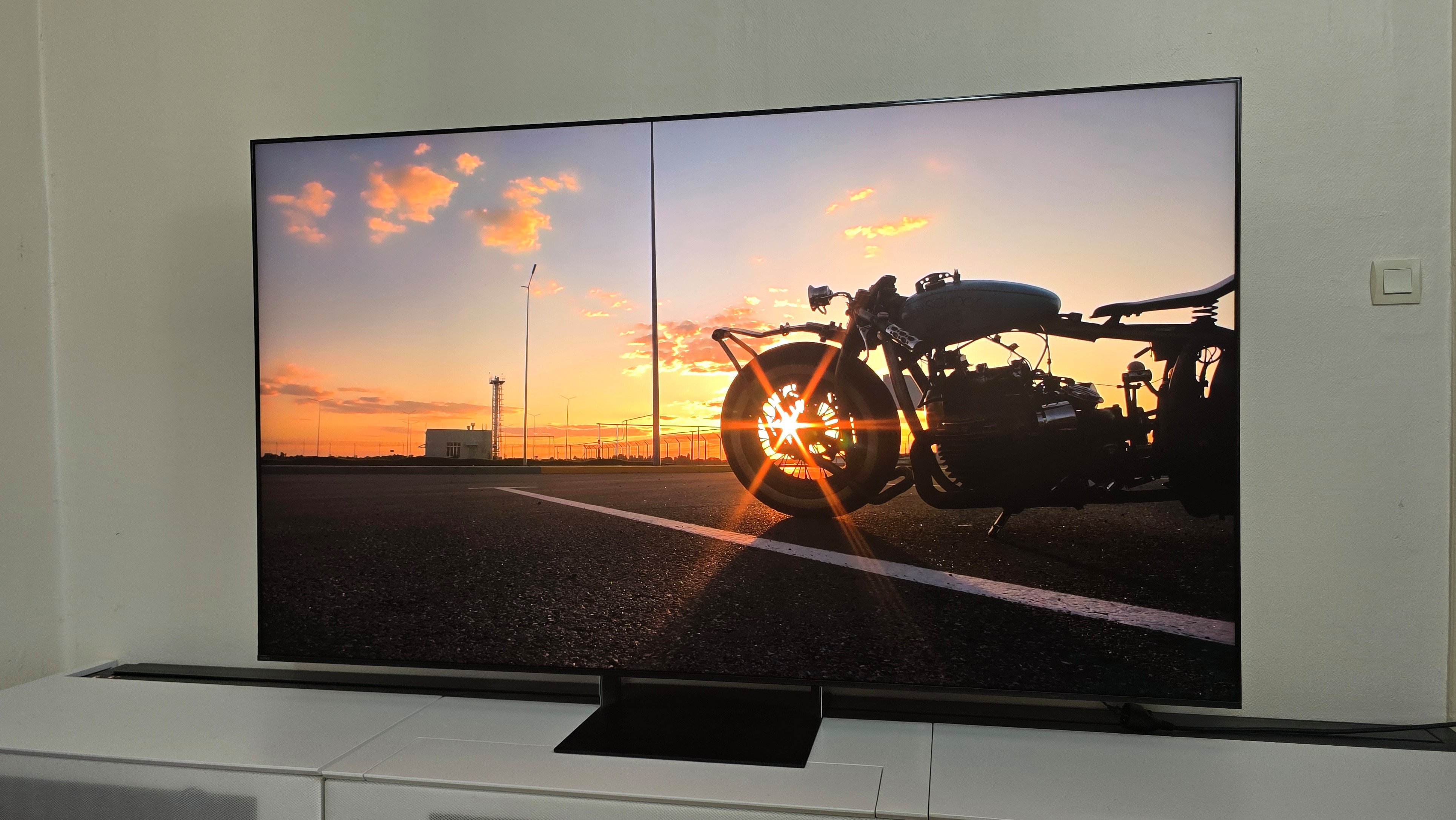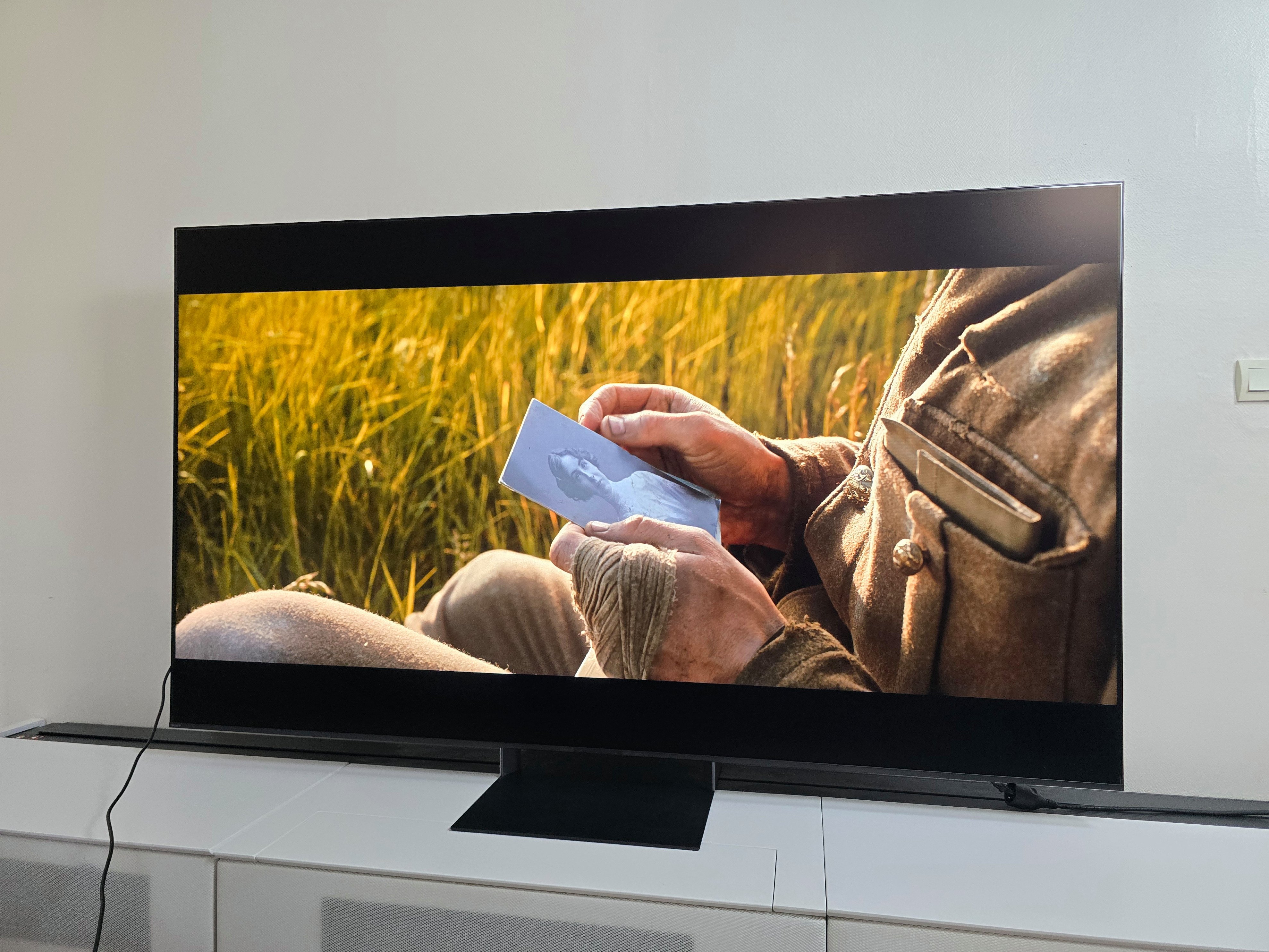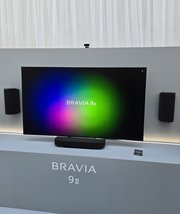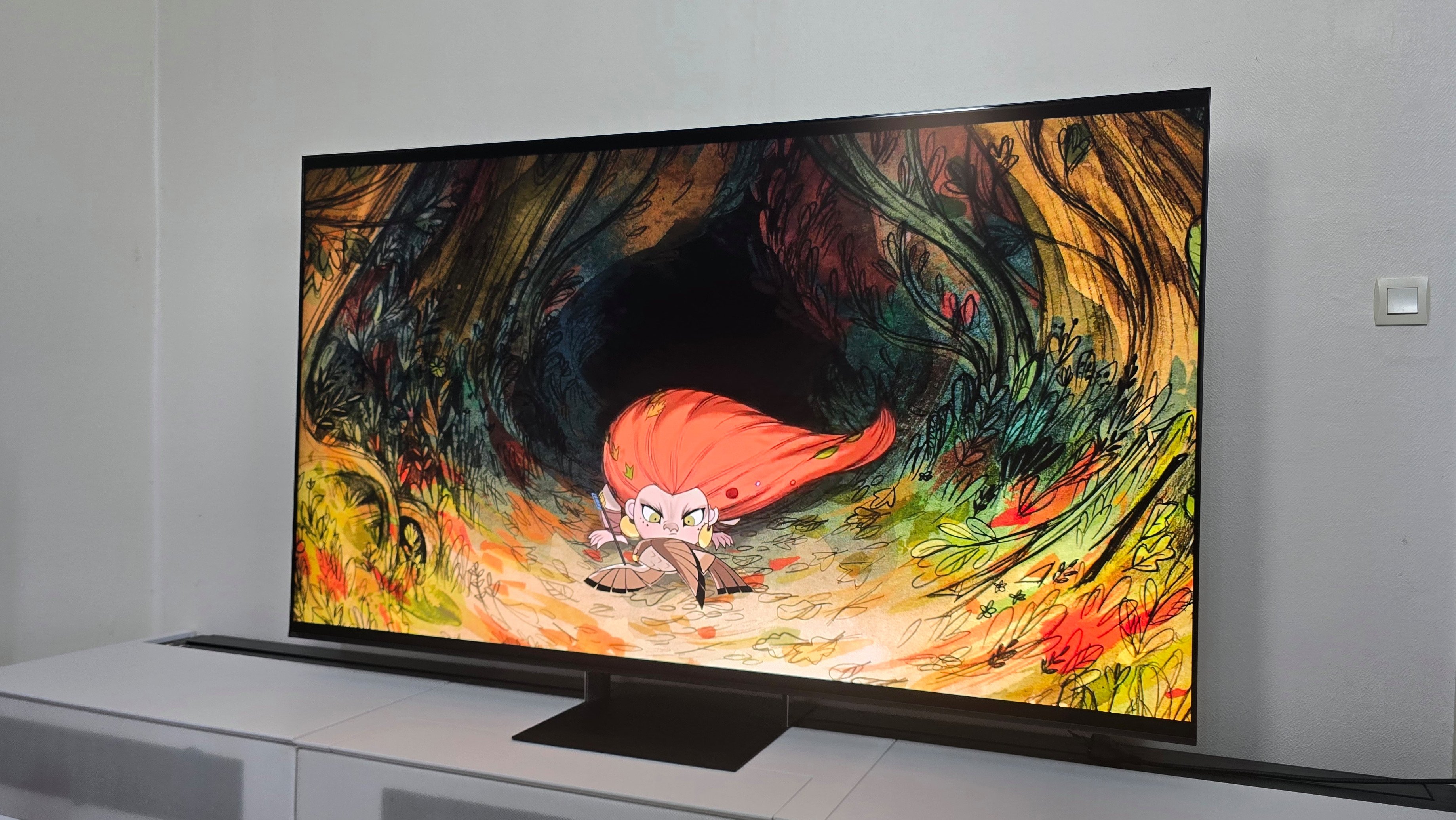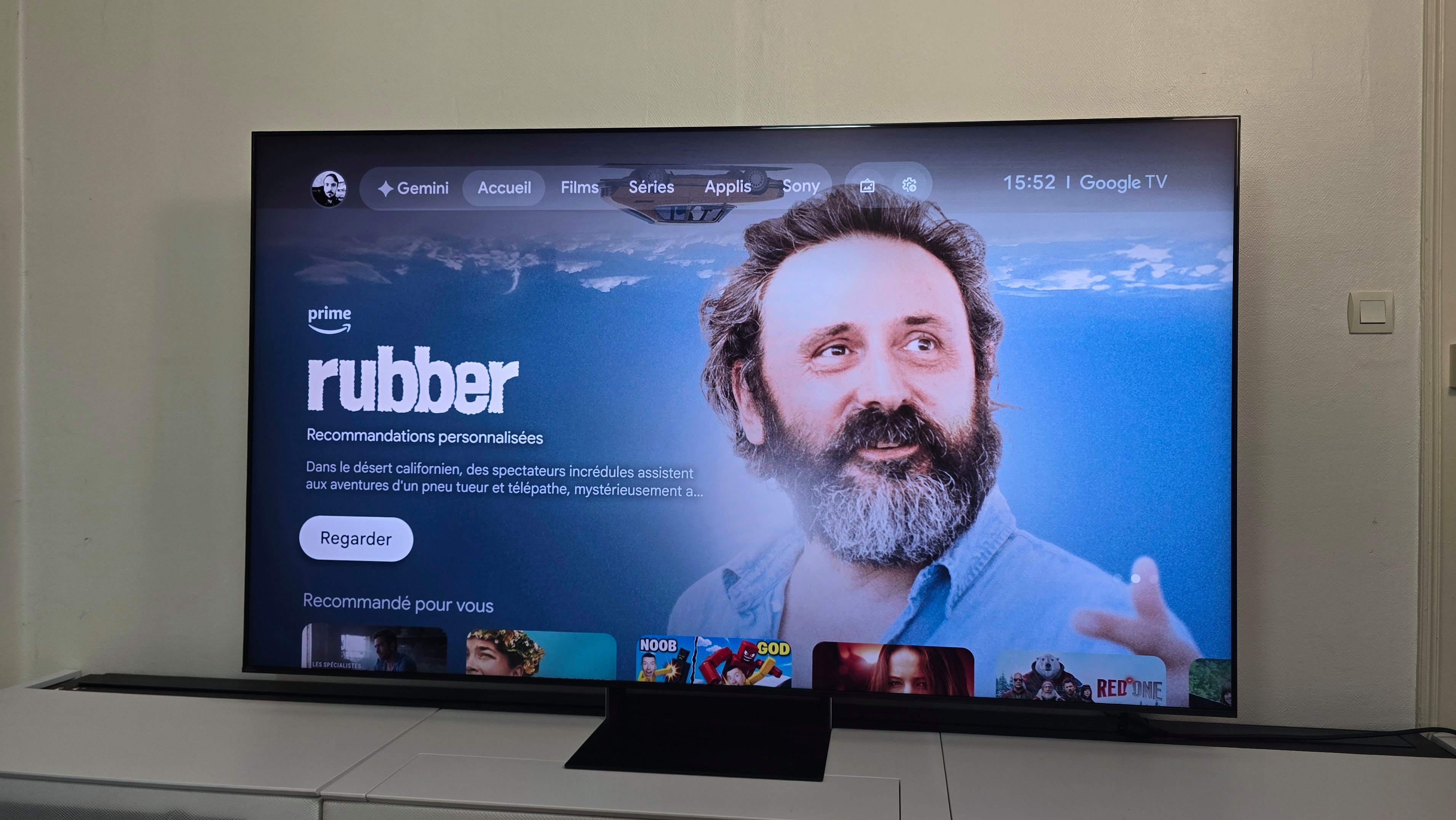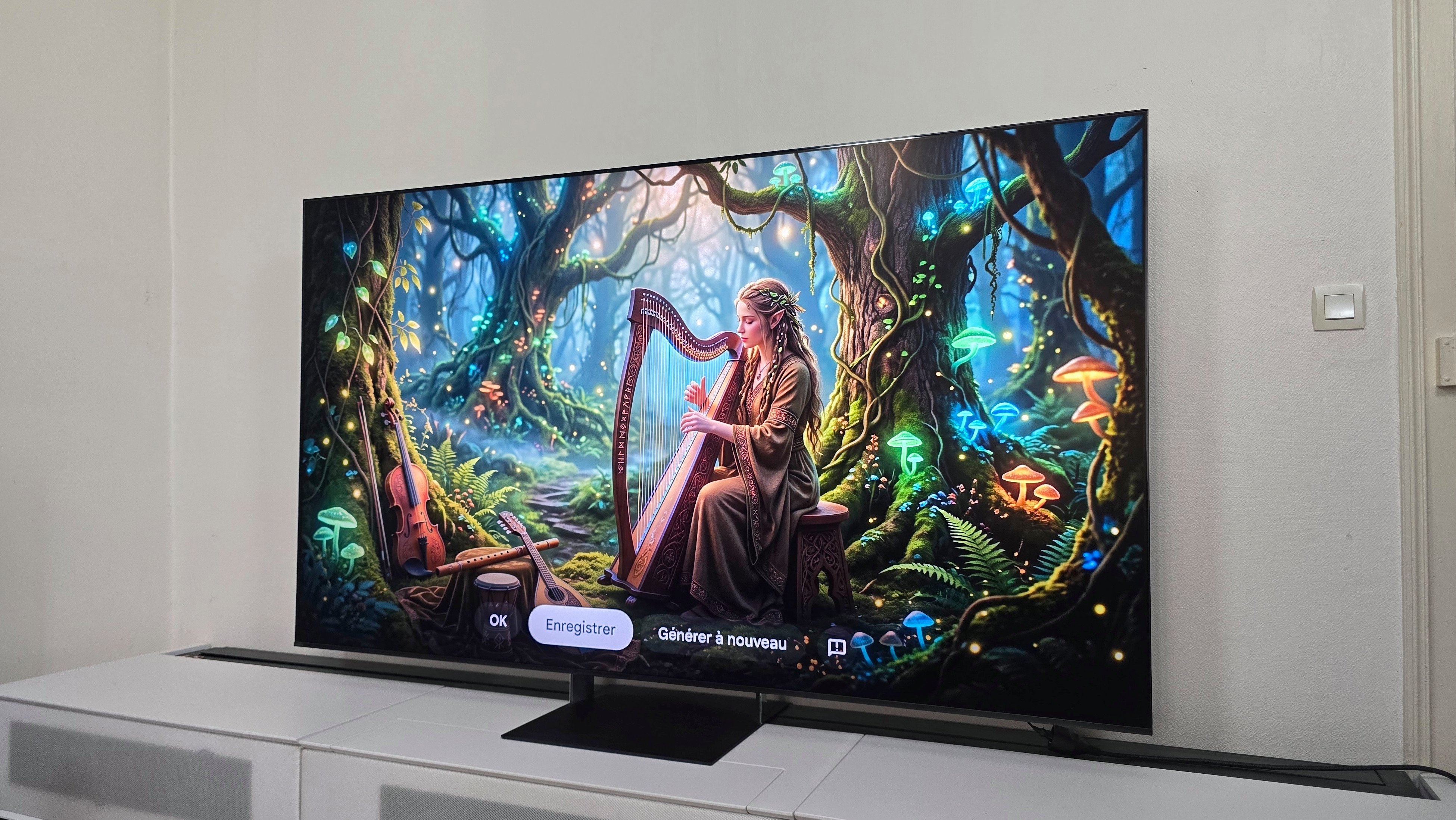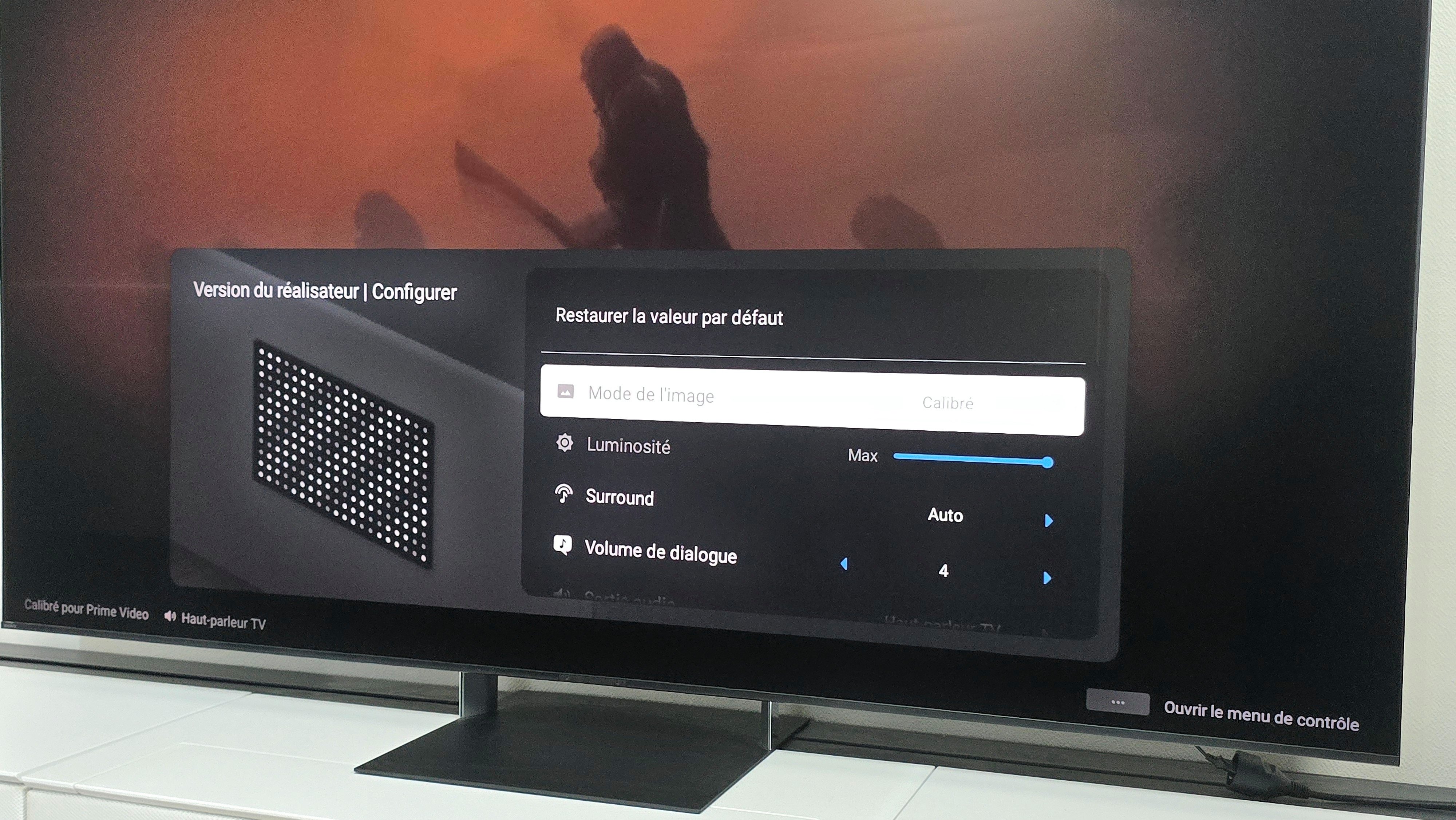
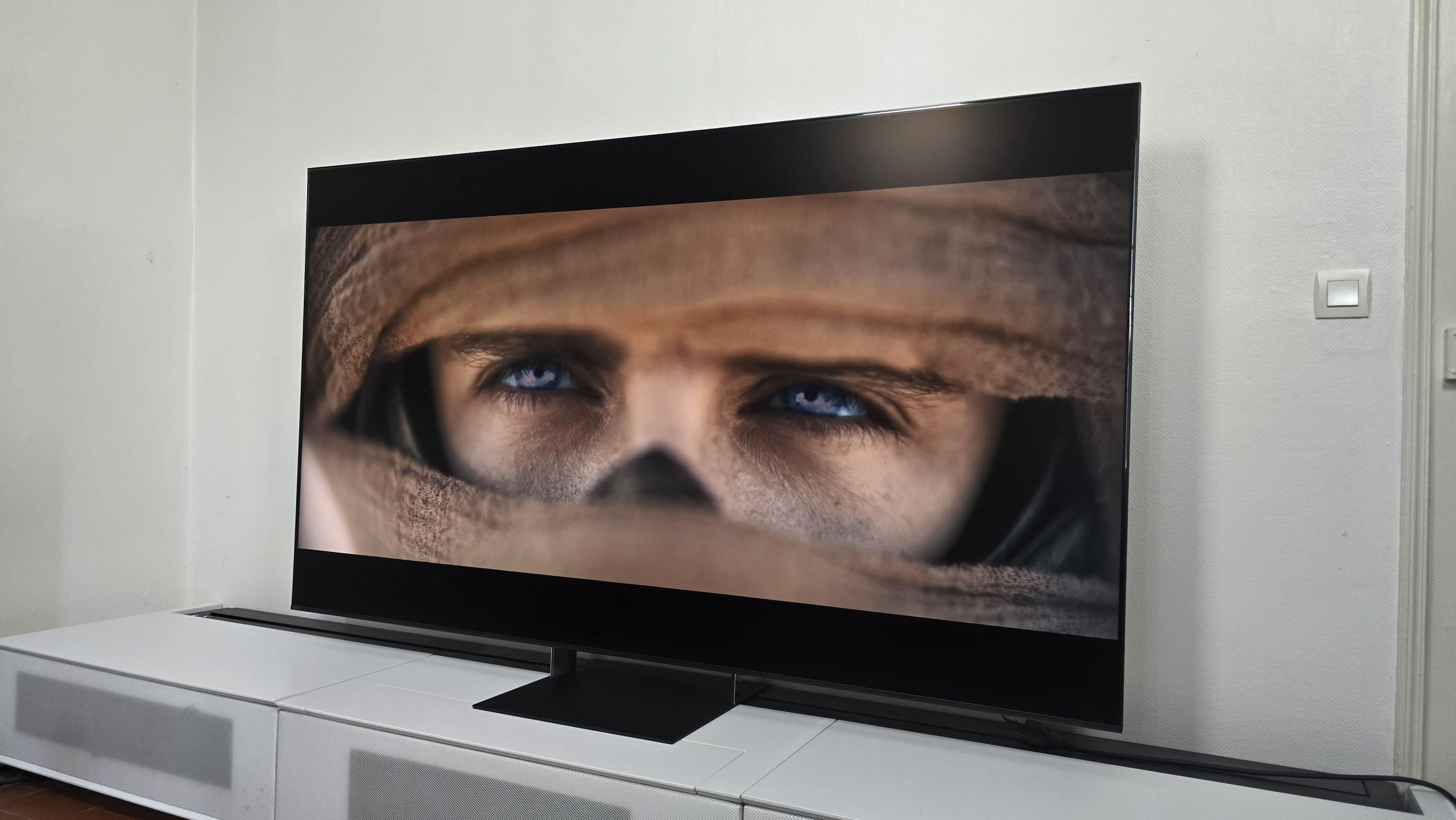
Sony targets the very high-end LCD market with a markedly different approach from what has been adopted in recent years. The BRAVIA 9 II abandons conventional MiniLED backlighting in favour of an RGB system capable of separately steering the red, green, and blue components. On paper, the promise is compelling: to significantly increase color volume, keep saturated colors at very high luminance, and preserve the traditional LCD advantages in terms of brightness.
That is precisely what we wanted to verify with the 75-inch Sony BRAVIA 9 II. Between its True RGB backlighting, its impressive brightness claims, its in-house video treatments, and its premium positioning, this model aims to push the limits of LCD and measure up to the best OLED references. It remains to see what this new generation actually brings to the image, and whether the RGB MiniLED promises hold true when the TV is subjected to our measurements and test content.
9 / 10
Best prices
Fnac
Son-Vidéo
Darty
Sony FR
See more prices
- Spectacular HDR rendering with very high brightness
- Strong color volume, even in bright highlights
- Excellent on-axis contrast and solid video processing
- Excellent gaming performance with reduced input lag
- Ultra-efficient anti-reflective
- Blooming and color crosstalk perceptible
- Off-axis rendering degradation fairly noticeable
- SDR calibration in Professional mode could be improved
- Only two HDMI 2.1 ports
- 120 Hz maximum, a bit tight for the most demanding PC gamers
Sony Bravia 9 II: performance and image quality
Our measurements
The BRAVIA 9 II marks a significant evolution in Sony’s LCD lineup. The manufacturer leaves behind conventional MiniLED backlighting in favor of what it calls True RGB technology, in other words a backlight whose red, green, and blue components can be controlled separately. The objective is to push further in color volume: rather than simply producing a lot of light, the TV must be able to retain rich, saturated colors as luminance rises.
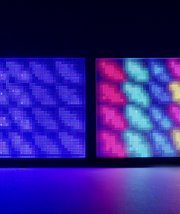
Sony officially brands “True RGB” for its upcoming televisions
On our 75-inch model, this backlight sits behind a VA-type LCD panel. This pairing promises high on-axis contrast, but it also places heavy responsibility on the local dimming system. With three light-emitting components to drive, the challenge is not only to limit blooming; Sony must also prevent light from a colored zone from contaminating neighboring areas.
This is the core challenge of this generation. On paper, True RGB promises very high brightness, an extended gamut, and sufficiently fine backlight control to rival the best self-emissive televisions. We sought to verify this ambition through both measurements and real-world observations.
Click here to view our SDR measurements
We conducted measurements on the BRAVIA 9 II 75-inch using the Professional mode as our baseline.
In SDR, let’s start with the grayscale. The average color temperature sits at 6,684 K, a value fairly close to the D65 reference. However, the RGB balance becomes less tight as luminance increases: red progressively drifts downward while green remains slightly dominant.
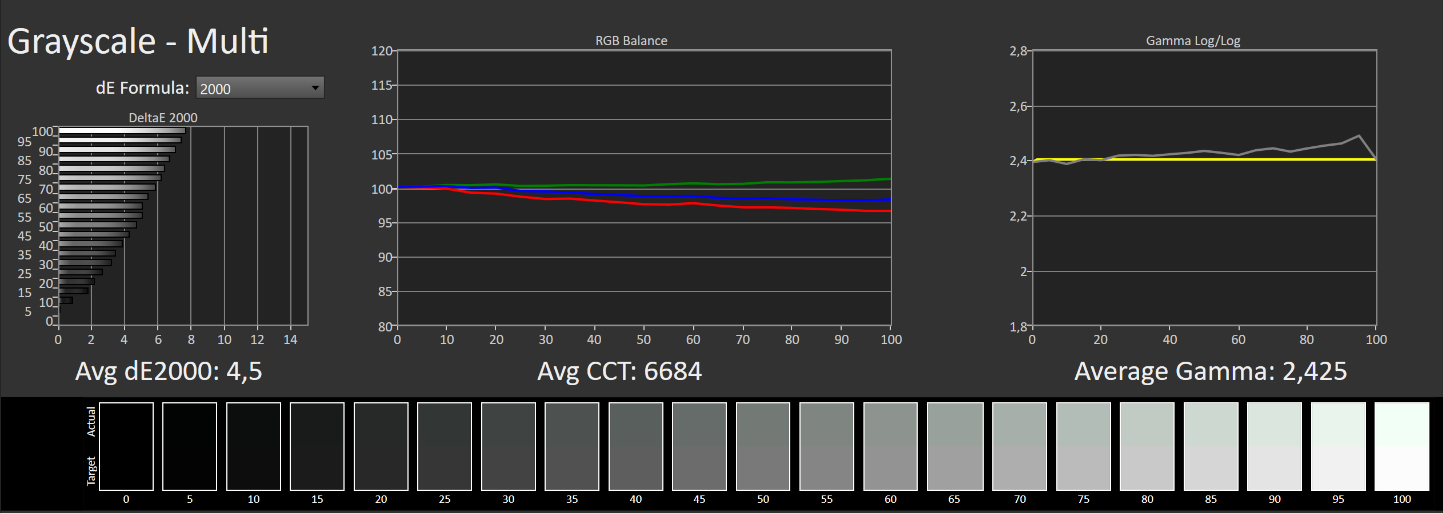
This slight drift is reflected in the mean Delta E on the grayscale, measured at 4.5. It’s a fairly high value for a Professional mode on a TV of this tier. The average gamma reaches 2.425. The curve remains overall coherent, but gradually sits above our 2.4 target at the higher luminance levels.
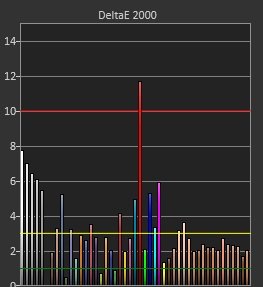
The ColorChecker results confirm SDR accuracy of the Bravia 9 II remains imperfect. We obtain an average Delta E of 3.27, with notably a large drift of 11.71 on red.
Most colors stay much closer to reference, but this occasional deviation shows that the average does not tell the whole story. To the eye, the drift remains not easily noticeable across most content, though some warm-toned images sometimes appeared a bit more saturated.
Our HDR SDR measurements continuation
Passons maintenant au HDR. Le BRAVIA 9 II prend en charge les formats HDR10, HLG et Dolby Vision, y compris Dolby Vision pour le jeu. Comme toujours chez Sony, le HDR10+ reste absent. La certification IMAX Enhanced est également de la partie.
The HDR support includes HDR10, HLG, and Dolby Vision, including Dolby Vision for gaming. As always with Sony, HDR10+ remains absent. IMAX Enhanced certification is also included.
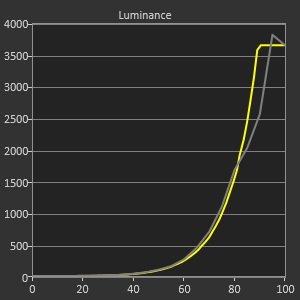
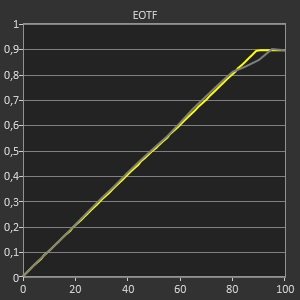
Certainly, brightness is where this BRAVIA 9 II shows its muscles. With True RGB backlighting, Sony promises substantial brightness reserves, and our 75-inch model does not disappoint here. On our HDR window test, we measure about 3,600 cd/m² at 1%, close to 4,000 cd/m² at 2%, and peak a little over 4,100 cd/m² on a 5% window. At 10%, the TV stays around 3,900 cd/m². This reserve is accompanied by a particularly clean EOTF tracking. The measured curve closely follows reference for most of the luminance rise, indicating Sony isn’t just chasing the brightest image possible. The TV respects the signal’s intent before adapting its behavior as it approaches its limits.
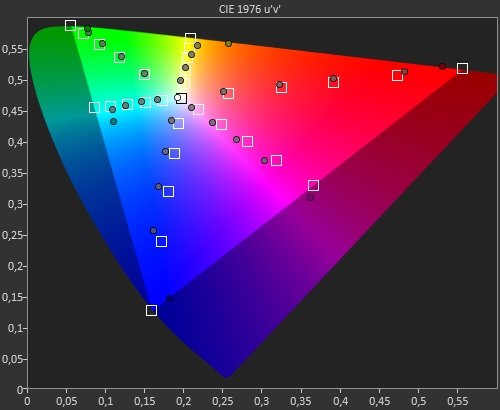
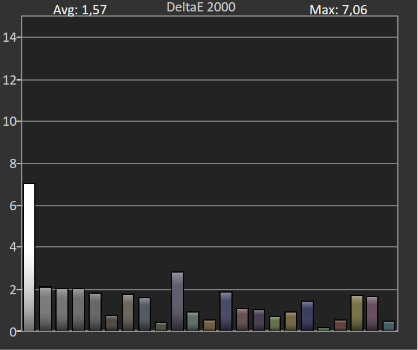
La précision colorimétrique est d’un excellent niveau en HDR. Notre ColorChecker affiche un Delta E moyen de seulement 1,57, largement en deçà du seuil à partir duquel les écarts deviennent perceptibles. Tout n’est toutefois pas parfait: l’écart maximal atteint 7,06 sur le blanc.
This is clearly demonstrated by the on-axis brightness and color precision; the ColorChecker result shows an excellent HDR color accuracy with a mean Delta E of 1.57, and only a maximal deviation of 7.06 on white.
La précision colorimétrique est d’un excellent niveau en HDR. Notre ColorChecker affiche un Delta E moyen de seulement 1,57, largement sous le seuil à partir duquel les écarts deviennent perceptibles. Tout n’est toutefois pas parfait puisque l’écart maximal atteint 7,06 sur le blanc.
C’est évidemment par la luminosité que ce BRAVIA 9 II commence à montrer les muscles. Avec son rétroéclairage True RGB, Sony promet une réserve lumineuse particulièrement importante, et notre modèle de 75 pouces ne déçoit pas sur ce point. Sur notre série de fenêtres HDR, nous relevons environ 3 600 cd/m² à 1 %, près de 4 000 cd/m² à 2 %, avant d’atteindre un maximum d’un peu plus de 4 100 cd/m² sur une fenêtre de 5 %. À 10 %, le téléviseur reste encore aux environs de 3 900 cd/m². Cette réserve s’accompagne d’un suivi EOTF particulièrement propre. La courbe mesurée colle étroitement à la référence sur l’essentiel de la montée en luminance, signe que Sony ne cherche pas simplement à produire l’image la plus lumineuse possible. Le téléviseur respecte correctement l’intention du signal avant d’adapter son comportement à l’approche de ses limites.
Le rendu ColorChecker confirme que la précision SDR du Bravia 9 II reste perfectible. Nous obtenons un Delta E moyen de 3,27, avec surtout une large dérive de 11,71 sur le rouge.
Most colors remain reasonably close to reference, but this occasional deviation shows that the average does not tell the whole story. To the eye, the drift remains difficult to identify clearly across most content, though some hot-toned images sometimes appeared slightly more pronounced.