
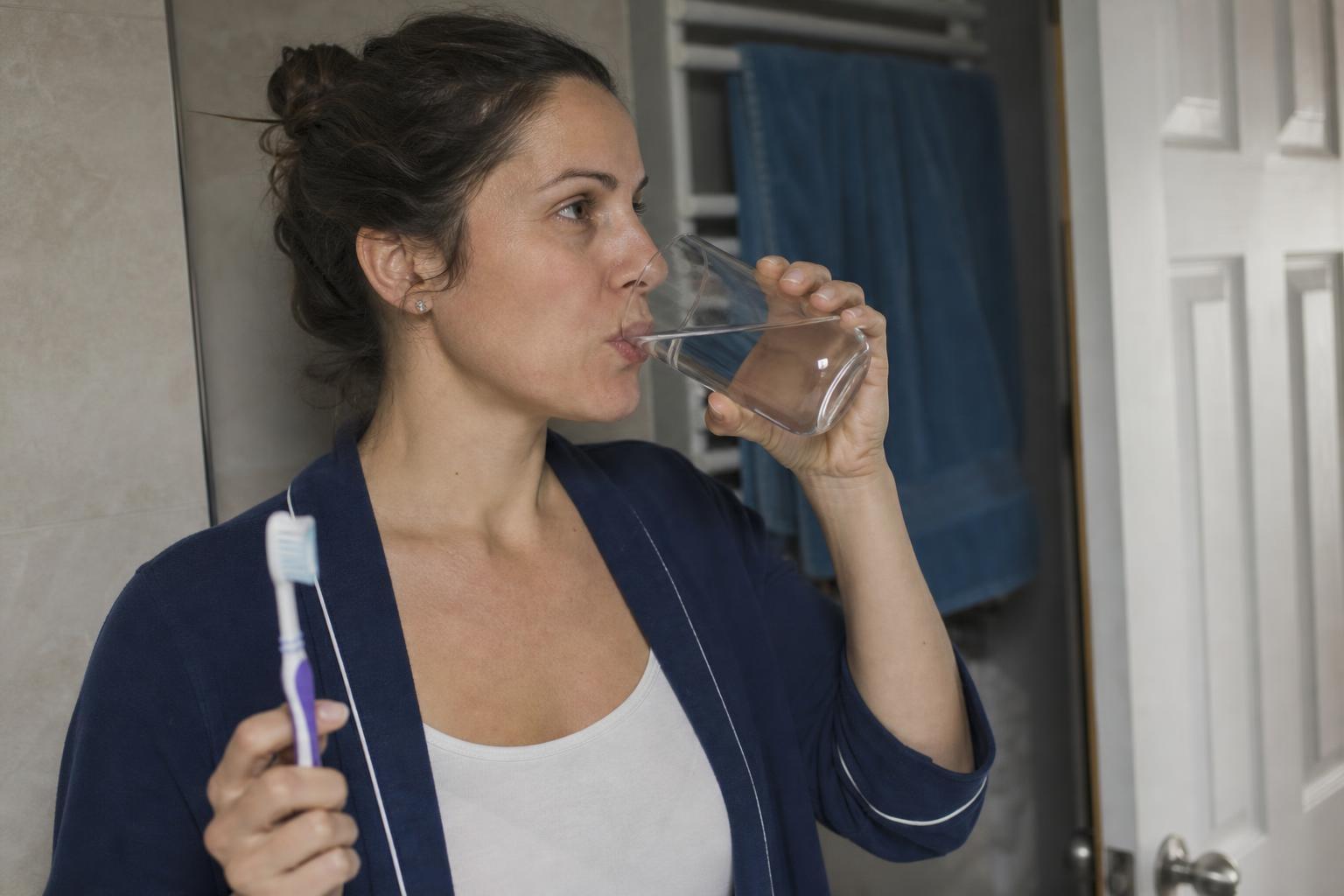
You brush, you spit, you feel virtuous—and then you do the tiny thing that quietly undoes most of the work. It’s so reflexive that many people don’t even notice it. Dentists see the aftermath every day and repeat the same, simple line: “Spit, don’t rinse.” That small shift can make your toothbrush do twice the heavy lifting.
The fluoride factor your mouth relies on
Toothpaste isn’t just minty soap. Its superpower is fluoride, a mineral that helps rebuild softened enamel and makes it more resistant to acid attacks from food and bacteria. For that to happen, fluoride needs quiet time on your teeth—time to bond, to soak, to work like a leave-in treatment rather than a quick wash-off.
“Think of toothpaste like a leave-in conditioner for your enamel,” say countless dental pros. You wouldn’t shampoo and immediately rinse away your conditioner—so don’t do it with fluoride either.
Why rinsing right after ruins the moment
When you finish brushing and swish with water, you dilute and wash away the fluoride coating your teeth. The same goes for a non-fluoride mouthwash used immediately after brushing. “You’re clearing the very ingredient that keeps your enamel safer between brushes,” many dentists will warn.
Research consistently shows that immediate rinsing leaves far less fluoride available on the tooth surface. Less fluoride means less remineralization, more sensitivity, and a higher chance of future cavities. The habit feels clean, but it’s strategically counterproductive.
What to do instead—simple, not fussy
Finish brushing, then simply spit out the extra foam and call it good. Leave a thin film of toothpaste in place. Give it at least 30 minutes—longer is even better—before you eat, drink, or rinse. Nighttime is perfect because saliva slows while you sleep, letting fluoride linger and strengthen your enamel.
If you love mouthwash, use a fluoride rinse at a different time of day, ideally when you haven’t just brushed. “Brushing plus immediate mouthwash is like painting a wall and then hosing it down,” as one clinician likes to say.
Fresh breath without sabotaging the good stuff
Worried you’ll feel less fresh if you don’t rinse? Try a gentle tongue clean—scrape or brush your tongue lightly to reduce odor-causing bacteria. Sip plain water before you brush, not after, to refresh your mouth. Choose alcohol-free fluoride rinses at separate times for bonus breath support without sacrificing the benefits.
Other sneaky habits that erase progress
Brushing too hard can abrade enamel and irritate gums, which ironically makes teeth more vulnerable. Charcoal or overly abrasive pastes can scratch and dull your smile over time. Grabbing a citrus drink or sports beverage right after brushing bathes freshly cleaned enamel in acid—not the kind of spa treatment you want.
“Soft brush, small strokes, slow tempo,” is another quiet dentist mantra. Technique beats force every day of the week.
Your new post-brush routine
- Brush for two minutes with a fluoride toothpaste (pea-sized amount), aiming for gentle, thorough coverage.
- Spit, don’t rinse. Leave the fluoride film in place.
- Wait 30 minutes before eating, drinking, or using a mouthwash.
- Use a fluoride rinse at a separate time if you want extra protection.
- Replace your brush or head every three months (or when bristles look splayed).
How long until you notice a difference?
Many people report less sensitivity and smoother-feeling teeth in a few weeks once they stop rinsing. Your hygienist may see less plaque and fewer early demineralized spots at your next visit. “Consistency beats perfection,” as the saying goes—tiny, repeatable habits drive the biggest changes.
For parents, this tip pays dividends
Kids often gulp water right after brushing because it feels like the last step. Make “spit, don’t rinse” a family rule and explain that fluoride is their teeth’s shield. A fun timer, a pea-sized dot of paste, and a high-five for not rinsing can build a lifelong routine.
Bottom line: keep the good on the teeth
You don’t need a new gadget or a complicated regimen. You just need to let the fluoride stay put and do its job. Brush, spit, and walk away. In oral health, the quiet pause after brushing is where most of the magic happens. As many dentists repeat, “The best rinse is no rinse—right after you brush.”