
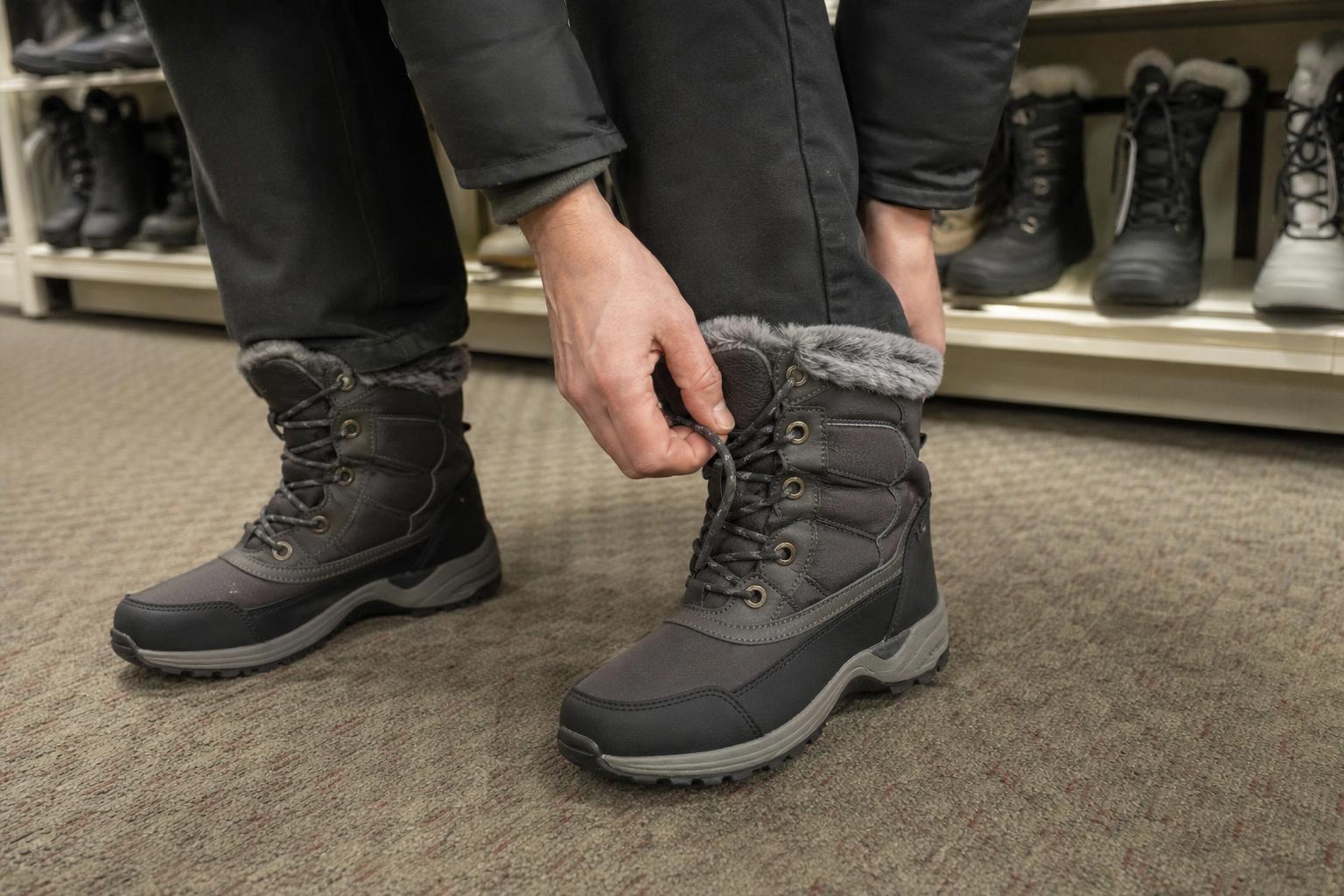
Foot doctors keep steering patients toward affordable winter boots that still respect anatomy. The message is refreshingly simple and surprisingly consistent across clinics. You can get reliable support and cold‑weather traction without torching your wallet.
“People think comfort starts at $200, but feet don’t read price tags,” says one veteran podiatrist, who treats snow‑belt walkers all winter long. “The right structure and grippy outsole are what keep you upright, not a fancy logo,” adds another specialist, echoing what many clinicians tell patients week after week.
Why foot doctors favor budget picks
Podiatrists prioritize biomechanics over brand gloss. Most injuries stem from poor support and sloppy fit, not missing status badges. A well‑built midsole with modest stability will do more for your stride than exotic leathers or luxe insulation.
Another common refrain is weight, because heavy boots fatigue calves and alter natural gait. Affordable models often use EVA foam and rugged synthetics that cut grams without cutting function. “Light, warm, and stable beats heavy, hot, and wobbly every time,” says a clinic‑based DPM, who sees a lot of post‑slip sprains.
The non‑negotiables under $100
Smart shopping means targeting a few must‑haves that reliably protect your feet. Look for these core features, even on discounted or entry‑level lines:
- Structured midsole with mild **stability** and a firm heel **counter** for rearfoot control.
- Torsional rigidity through the **arch**, so the boot resists twisting under **load**.
- Roomy, rounded toe **box** to prevent nail trauma and cold‑induced **numbness**.
- Grippy rubber **outsole** with winter‑ready lugs and siping for icy **sidewalks**.
- Waterproof membrane or sealed **seams**, plus a gusseted **tongue** to block slush.
- Removable insole for custom **orthotics** or thicker winter **socks**.
- 200–400g insulation or felt **liner** for warmth without marshmallow **bulk**.
Materials that punch above their price
Affordable boots often mix rugged nylon or PU‑coated synthetics with dense rubber shells. These combos shrug off slush and dry faster than saturated full‑grain leather. Many include thin films or seam‑taped membranes that keep meltwater out.
Underfoot, compression‑molded EVA remains a budget hero for cushioning that doesn’t feel like a wet sponge. Podiatrists warn against ultra‑soft memory foams that pack down in cold. A firmer platform supports your arch and reduces plantar‑fascia strain over miles of frozen pavement.
Fit and sizing that actually protect you
Great structure fails if the fit is off by even half a size. Try boots with your thickest winter socks, and leave a finger’s width in front of the longest toe. That small buffer prevents nail bruising on descents and preserves warm airspace.
Lock the heel with snug lacing, then flex on a store ramp or step. Your foot should feel contained at the heel, yet free at the forefoot. “If you feel pressure over the big‑toe joint, walk away,” notes a podiatry resident, flagging a prime hotspot for winter flare‑ups.
Models and places where deals hide
Prices swing with seasons, outlets, and weekly promos, but reliable budget winners appear in familiar aisles. You’ll often spot sturdy picks from Kamik, Quechua, Skechers, and Columbia’s outlet lines dipping below that double‑digit ceiling. Look for house‑brand insulated hikers at major retailers, where construction quietly mirrors pricier siblings.
Don’t ignore lesser‑known labels that pass the twist‑and‑flex tests. Many “work” or “hiker” silhouettes add winter rubber and basic waterproofing at no‑frills prices. When in doubt, prioritize outsole grip and heel stability over flashy trims.
How to test durability in five minutes
Do a hand‑twist test: the boot should resist spiraling through the arch. Bend at the forefoot only, ensuring the flex line sits under the ball of the foot. Squeeze the heel counter; it should feel firm, not paper‑thin or mushy.
On a store ramp, simulate curbside angles and mid‑stride stops. If the outsole slips, pass, even if the upper feels hotel‑slipper soft. “Traction you can trust saves ankles you can’t replace,” says one sports‑minded podiatrist, who treats weekend winter warriors.
Care that extends life far past winter
Value multiplies with smart maintenance, even on modestly priced boots. Air‑dry with crumpled paper, never against direct heat, which can delaminate glues and warp liners. Refresh waterproofing with spray‑on treatments every few salty walks.
Rotate pairs when possible, letting midsoles rebound fully between outings. Swap tired insoles after a season to revive cushion and odor control. When the outsole’s leading lugs look rounded, you’ve lost critical bite on ice and should upgrade your daily pair.
The bottom line from clinic halls is both practical and optimistic. Solid winter footing doesn’t demand premium receipts or precious leathers. With clear criteria, a quick in‑store audit, and a willingness to skip status labels, you can wrap your feet in warm, secure, budget‑smart boots all season long.