KULT Elite M150 Mouse Review: G-Lab Takes On Razer at a Much More Attractive Price

November 8, 2026
Tech

The upward shift in quality seen with The G-Lab’s keyboards goes hand in hand with a similar evolution in the mouse world. In quick succession, the French brand launched the KULT ELITE M100 and KULT ELITE M150. We decided to test this second model.

© Nerces for Clubic
Tested & Approved
The G-Lab KULT Elite M150

8  / 10
The G-Lab KULT Elite M150

Tested & Approved

Best prices

amazon.fr

69,95 €

Materiel.net

69,95 €

RDC

69,99 €

Boulanger

69,99 €

Voir plus de prix

The most
  • Comfortable design and shape
  • PixArt PAW3950 sensor sensitivity
  • Quality of thumb button switches
  • 8 kHz polling rate at 2.4 GHz too
  • Light mouse (55 g)
  • Endurance (200h with 2 batteries)
The pros
  • PixArt PAW3950 sensor
  • Build quality of the buttons
  • 8 kHz polling rate also on 2.4 GHz
  • Very precise (HERO 2, 8000 Hz)

166,99 €

Read the test
Razer Viper v4 Pro

Razer Viper v4 Pro
  • The Viper remains incredibly lightweight
  • Excellent grip
  • Reliability, build and design
9 / 10

136,99 €

Read the test

Razer Viper v4 Pro

Razer Viper v4 Pro
  • The Viper remains incredibly lightweight
  • Perfect hand feel
  • Reliable, sturdy build
Les moins
  • Dongle to be stored under the battery
  • Right-handed only
  • Adhesive grips: idea may be improved
Read the conclusion

© Nerces for Clubic

© Nerces for Clubic

A design highly inspired by the Razer Viper V4 Pro

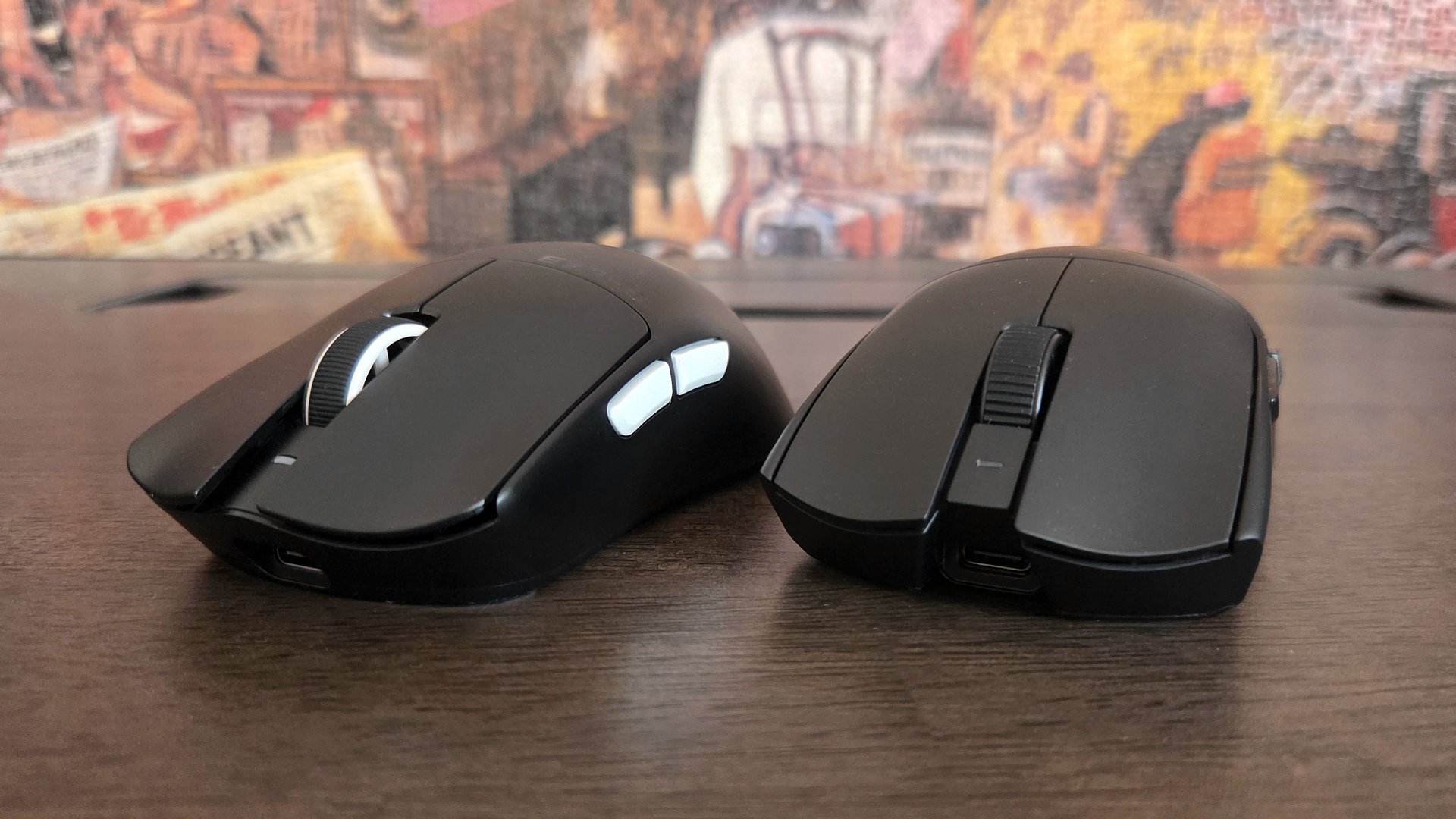
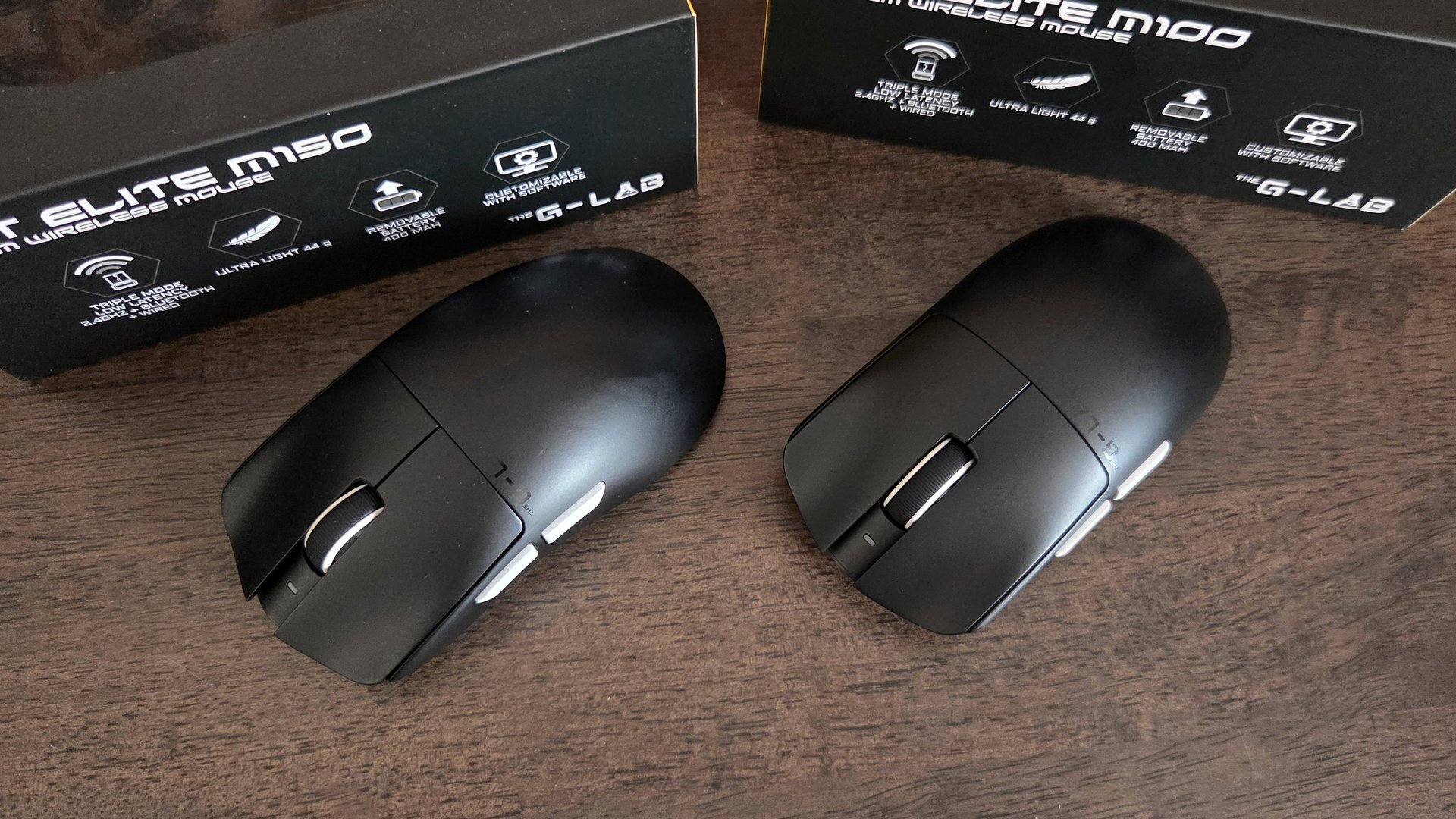
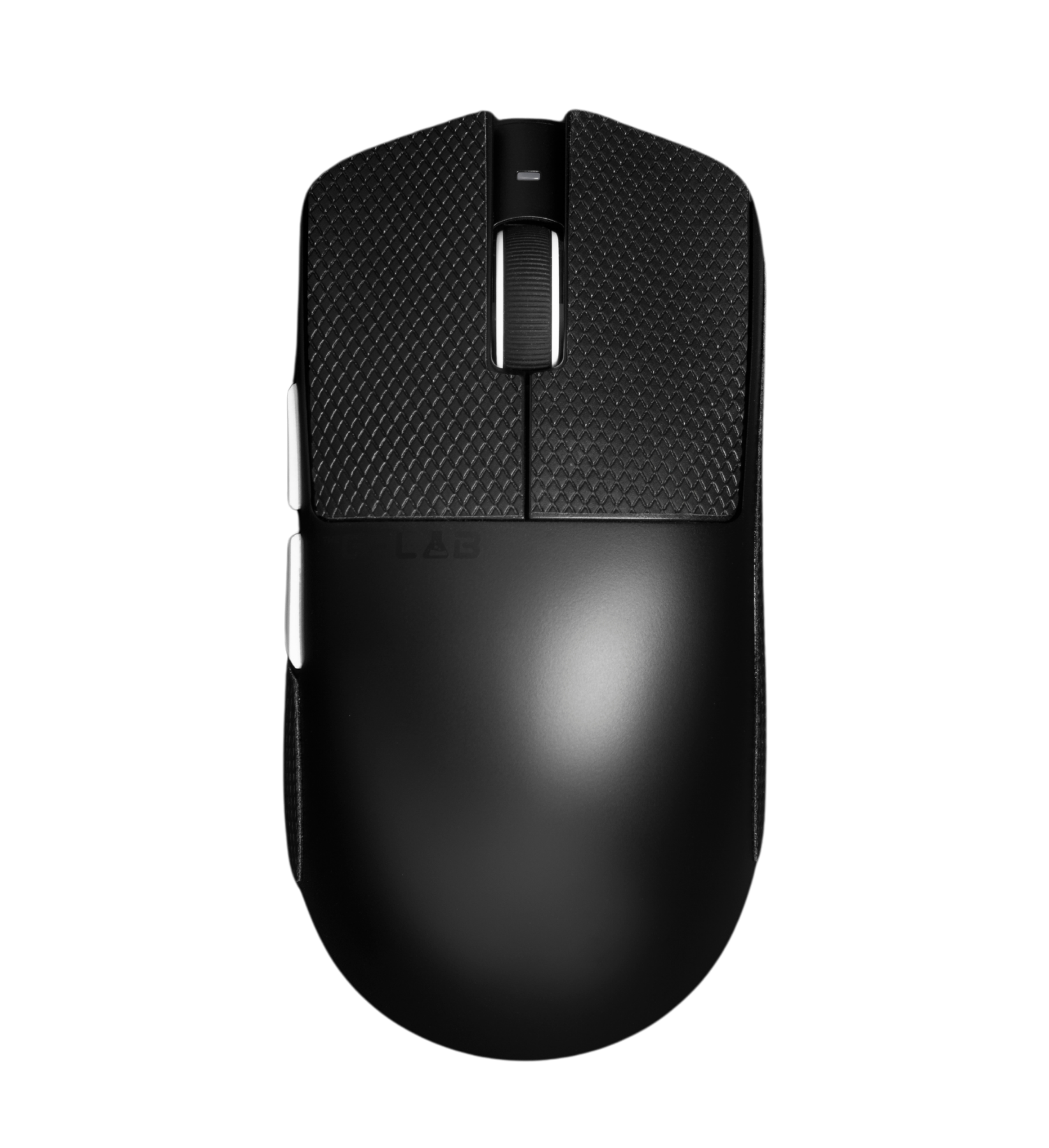
The renewal shown by The G-Lab with the KEYZ ELITE is once again at play here, this time with two gaming mice that boast appealing specs but carefully staged prices. At first glance, the M150—and the M100 as well, since they look externally identical—evoke a famous model from a similarly iconic brand: the Viper V4 Pro from Razer.

Tested in our pages a few weeks ago, the Viper V4 Pro remains one of the best gaming mice on the market. Razer highlights staggering technical features (55K DPI sensor, 8 kHz polling rate), but at a rather steep price: 180 euros. The G-Lab therefore plans to draw heavy inspiration from the Viper V4 Pro while keeping an entry price more reasonable.

A family resemblance between the M150 and the Viper V4 Pro from Razer. © Nerces for Clubic

A family resemblance between the M150 and the Viper V4 Pro from Razer. © Nerces for Clubic

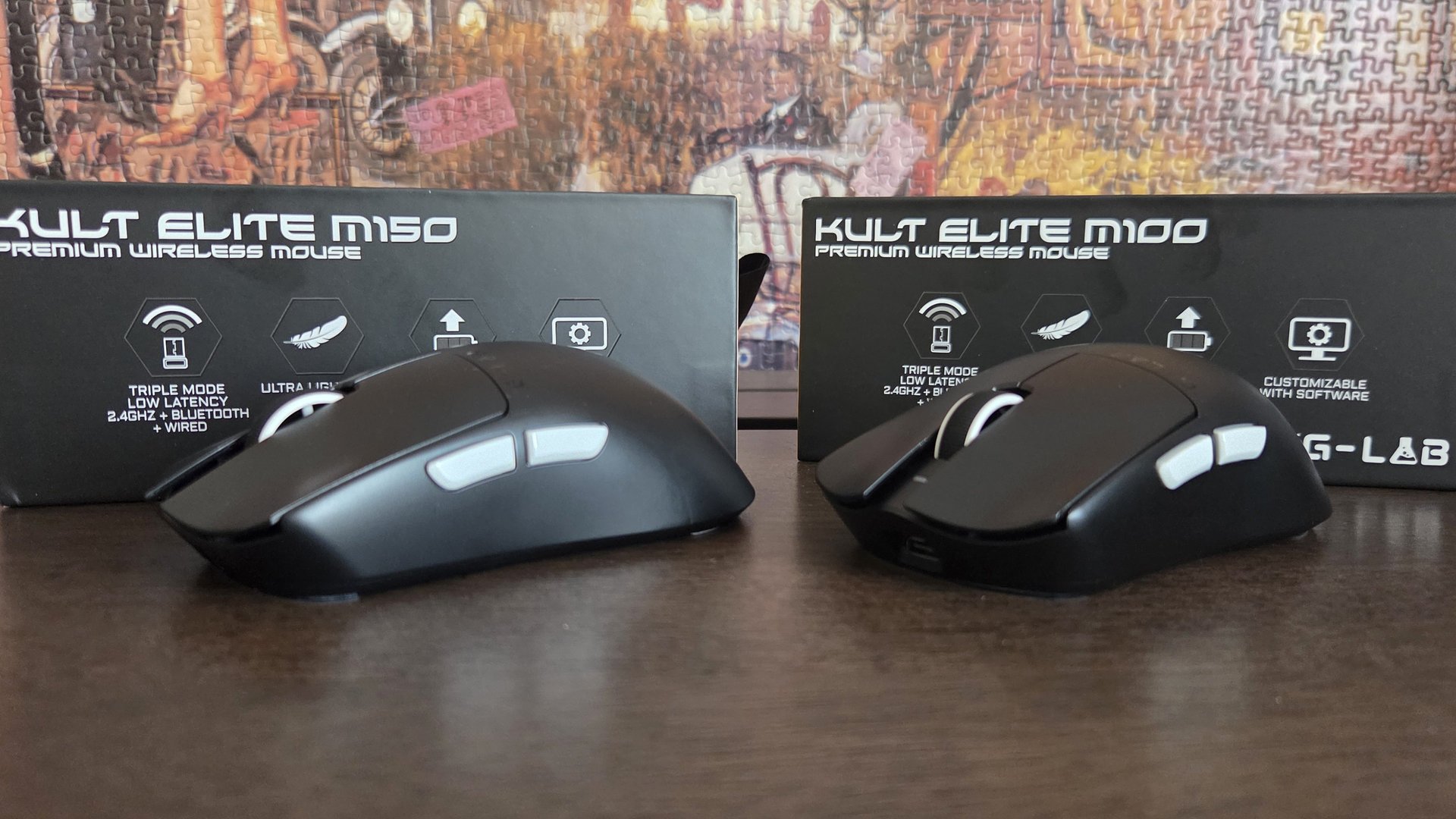
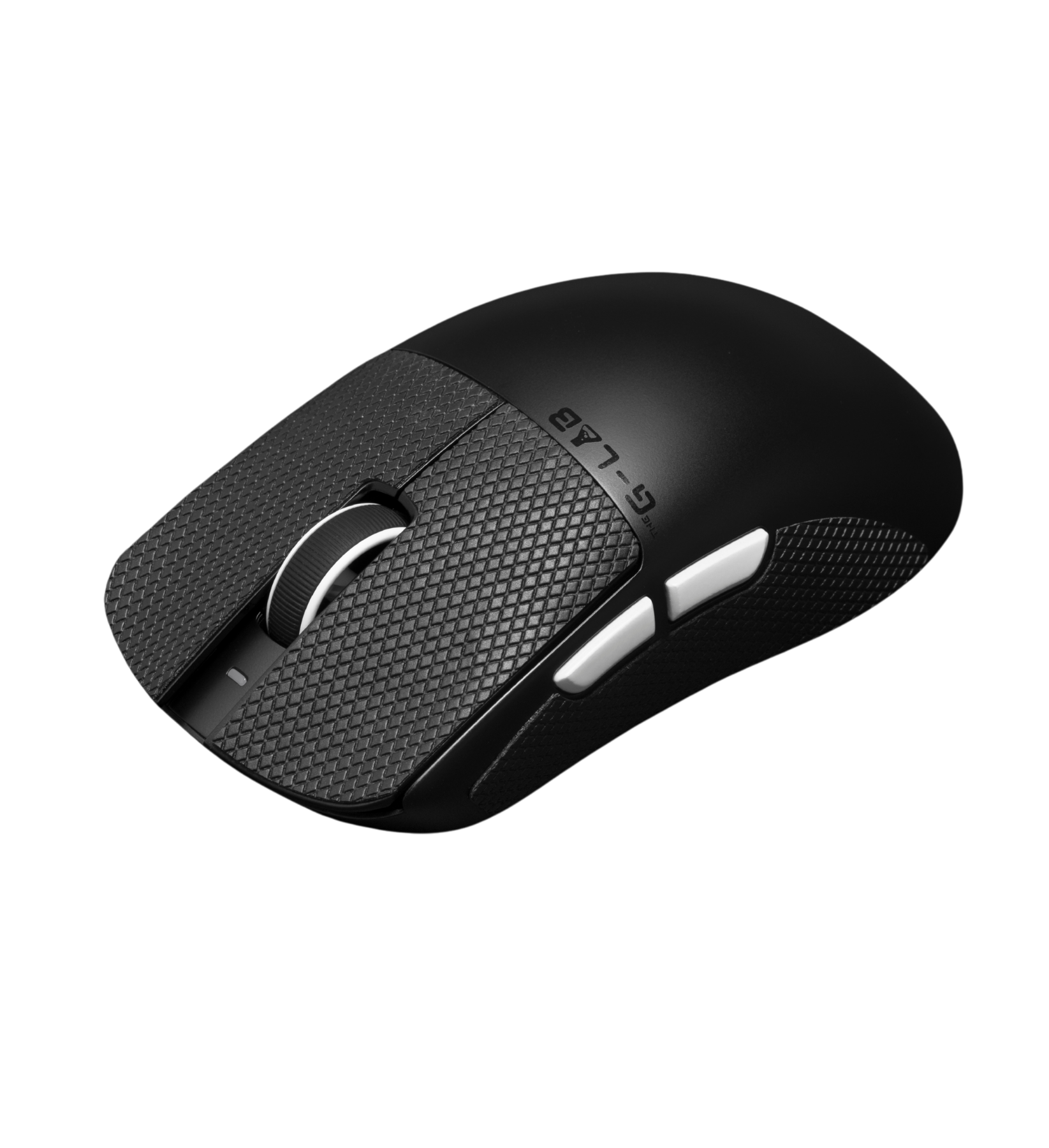
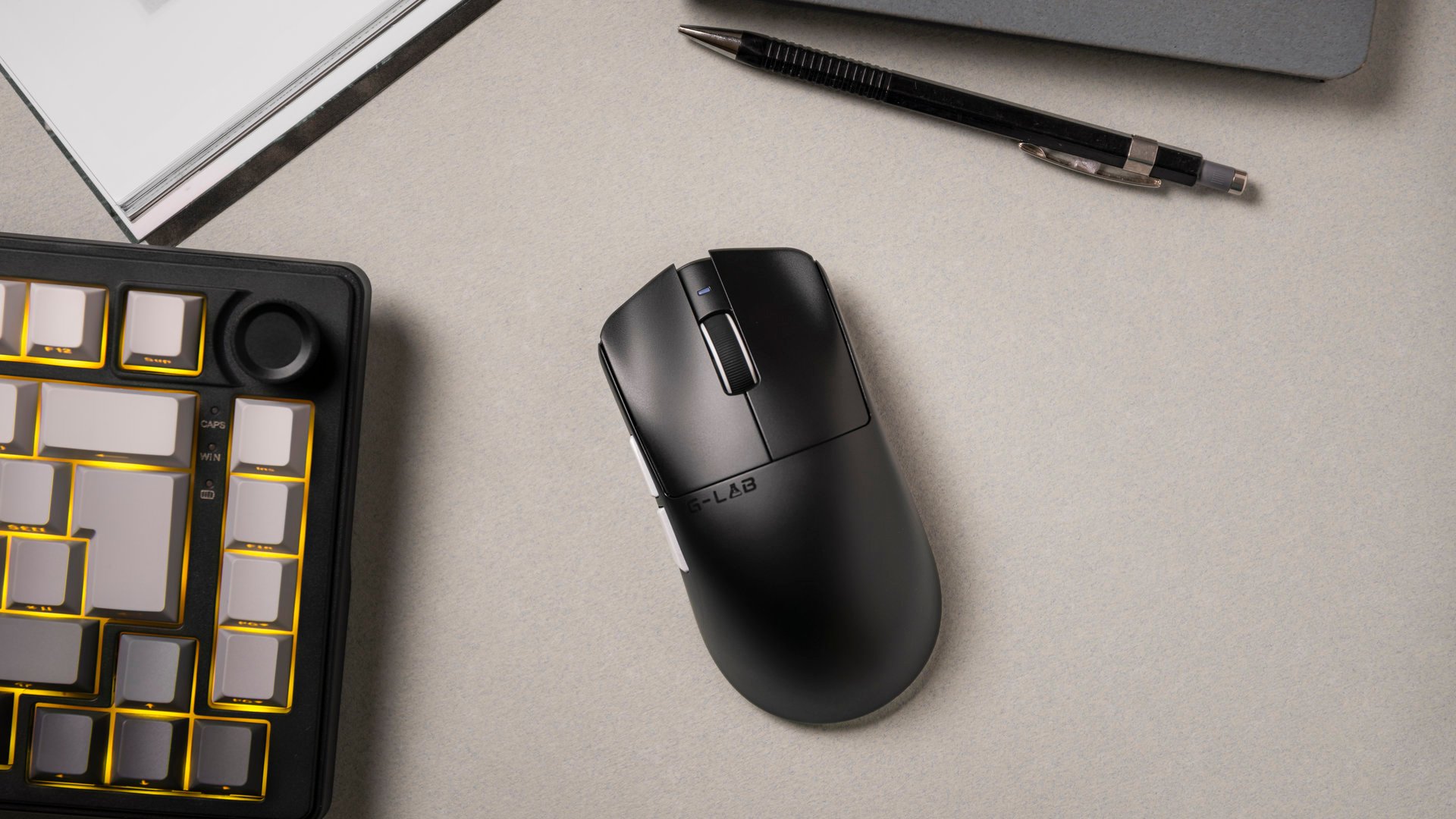
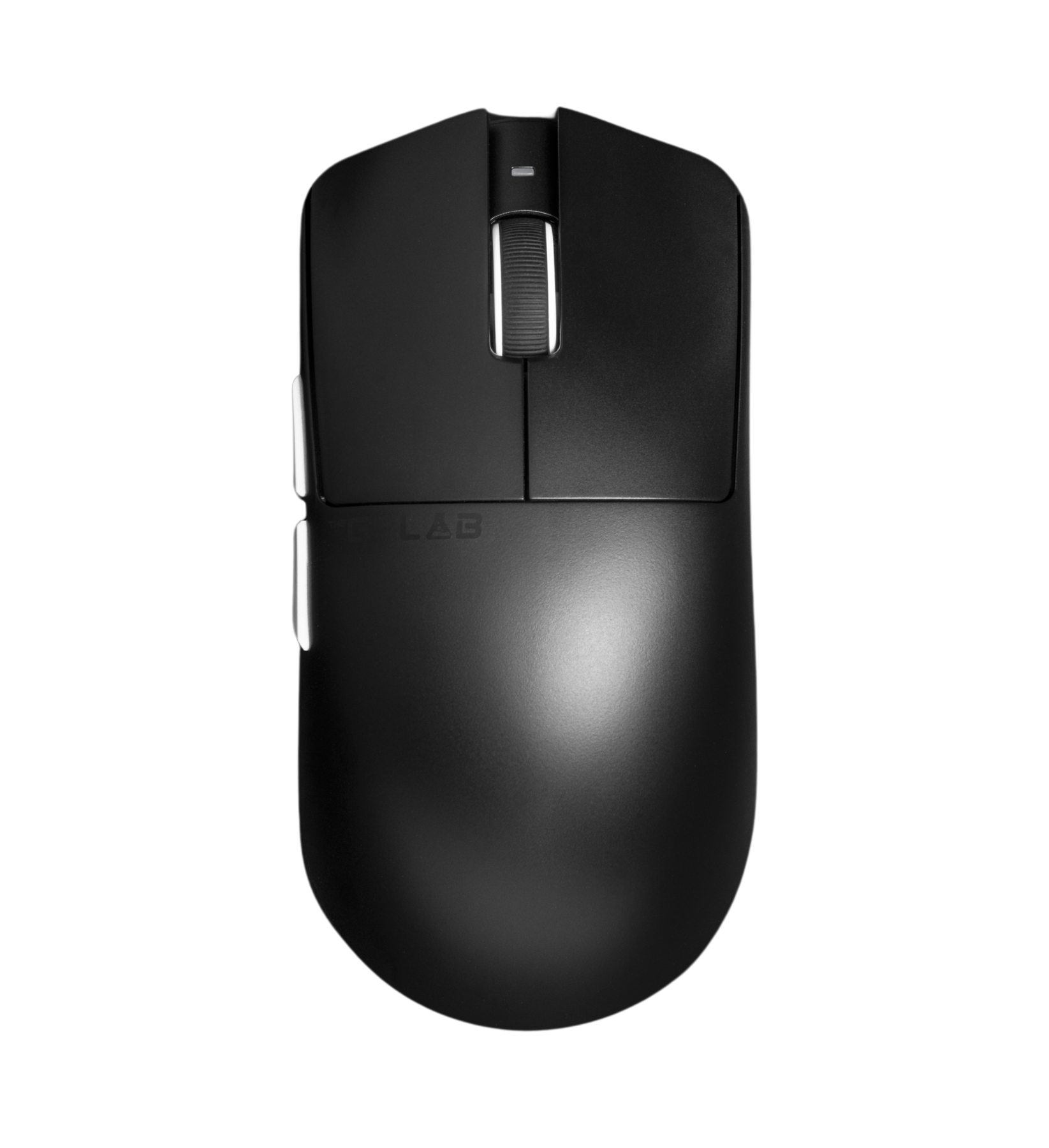
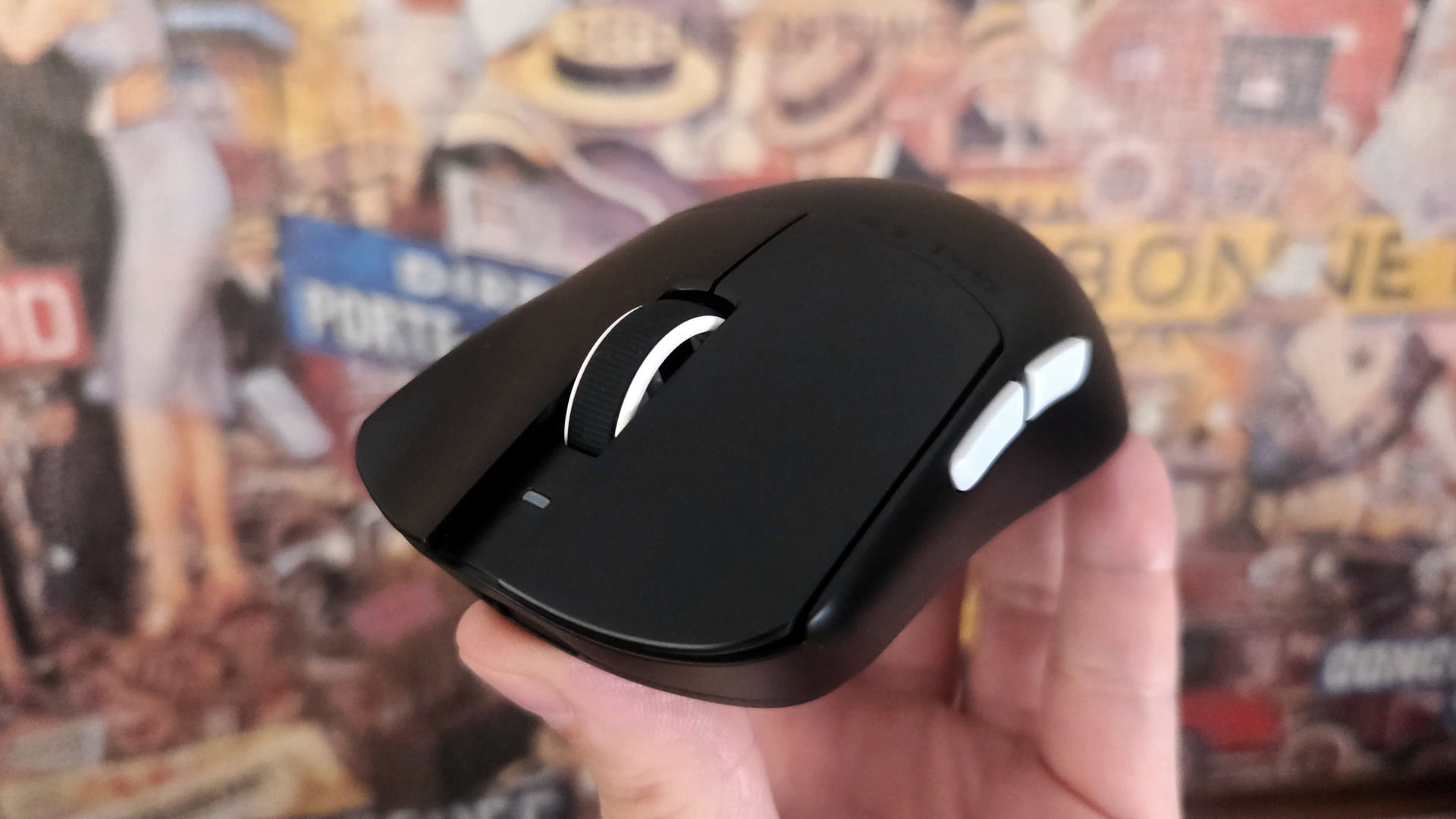
Measured at 125 mm in length, 63 mm in width and 38 mm in thickness, the M150 stands very close to the Viper V4 Pro’s dimensions (127.1 x 63.9 x 39.9 mm). But beyond numbers, it is the shape and the design that catch the eye. Look at the photo below; besides the white trim on the wheel and the thumb buttons (also white) on the M150, it is almost impossible to tell the two mice apart.

The G-Lab KULT Elite M150

The G-Lab KULT Elite M150

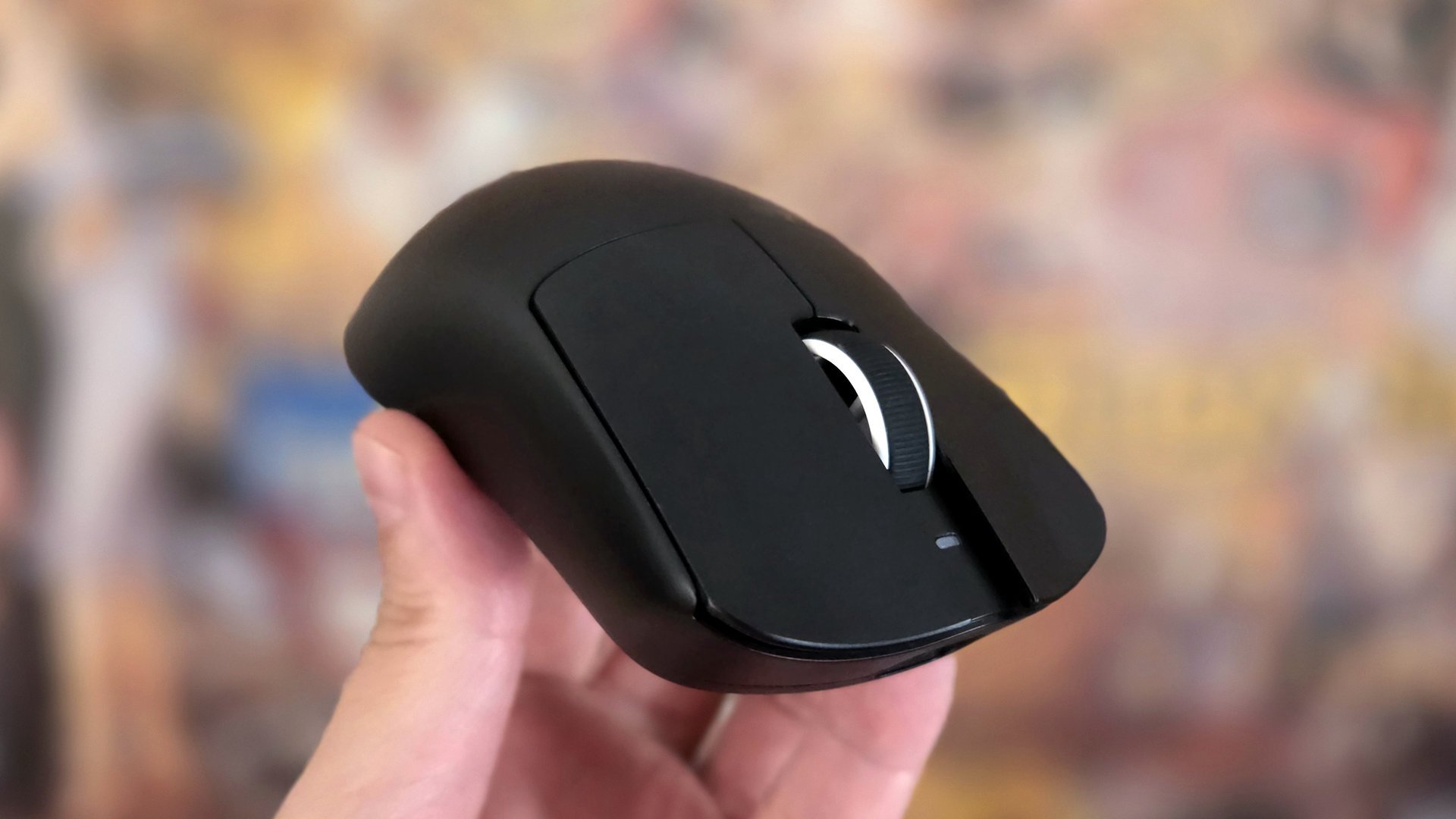
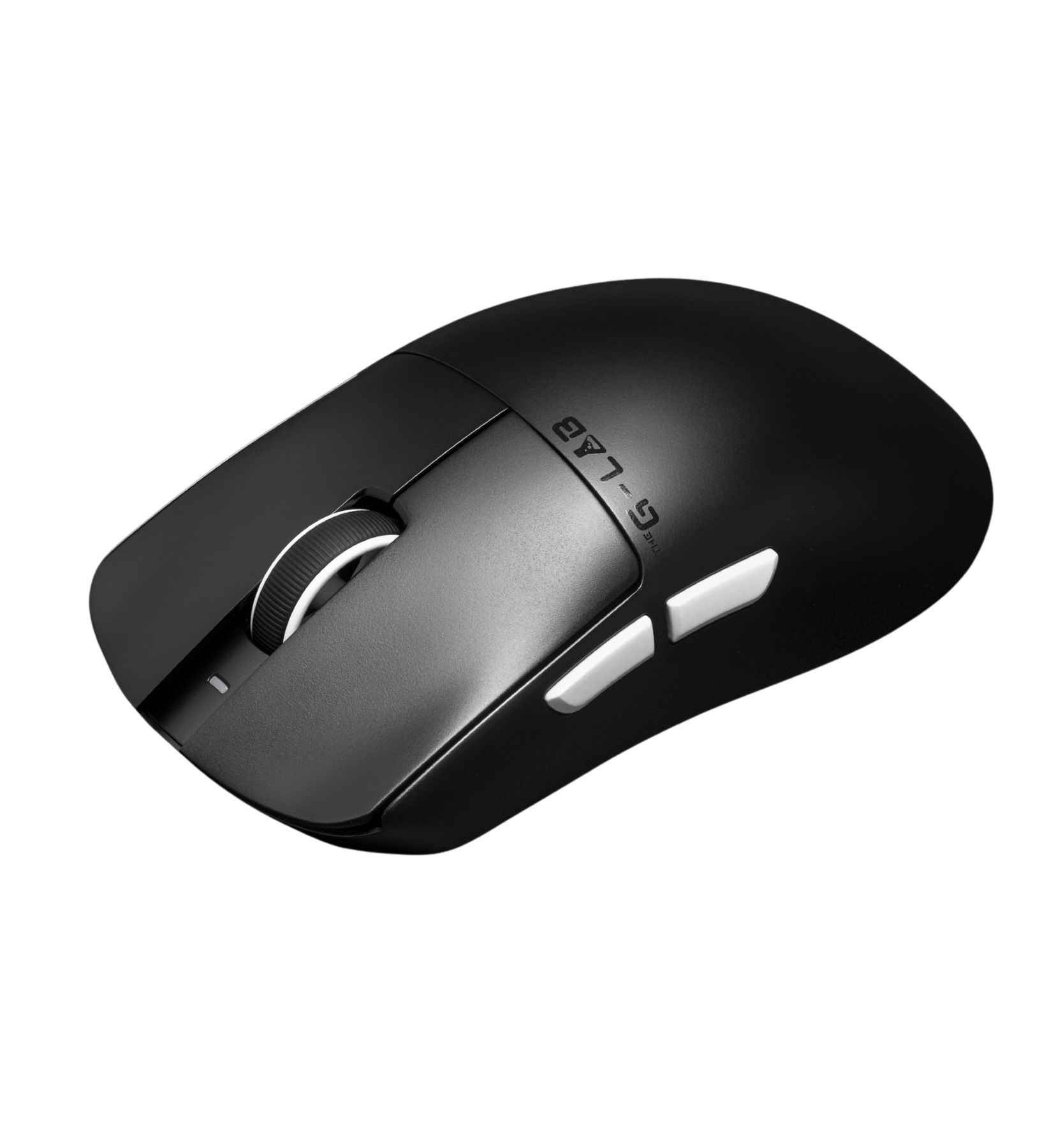
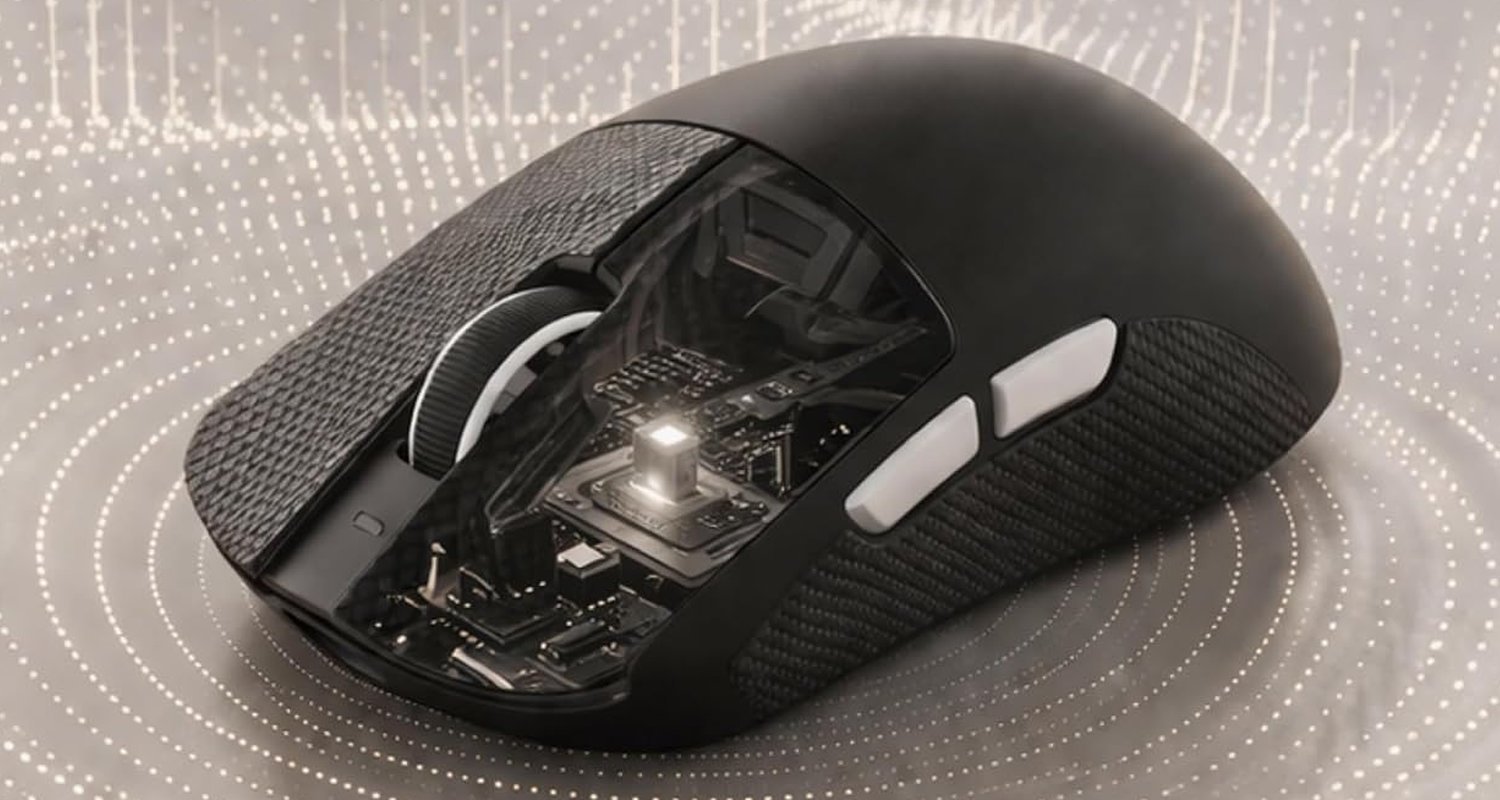
In reality, the M100 and M150 feature a slight recessed area in front of the LED just before the scroll wheel, and that is about all. The G-Lab has adopted the same gently elongated shape with no protrusions anywhere, be it at the thumb or little finger. The mouse is slightly rounded to suit a right-handed user, and the back is more rounded than in many models to favor a palm-grip hold.

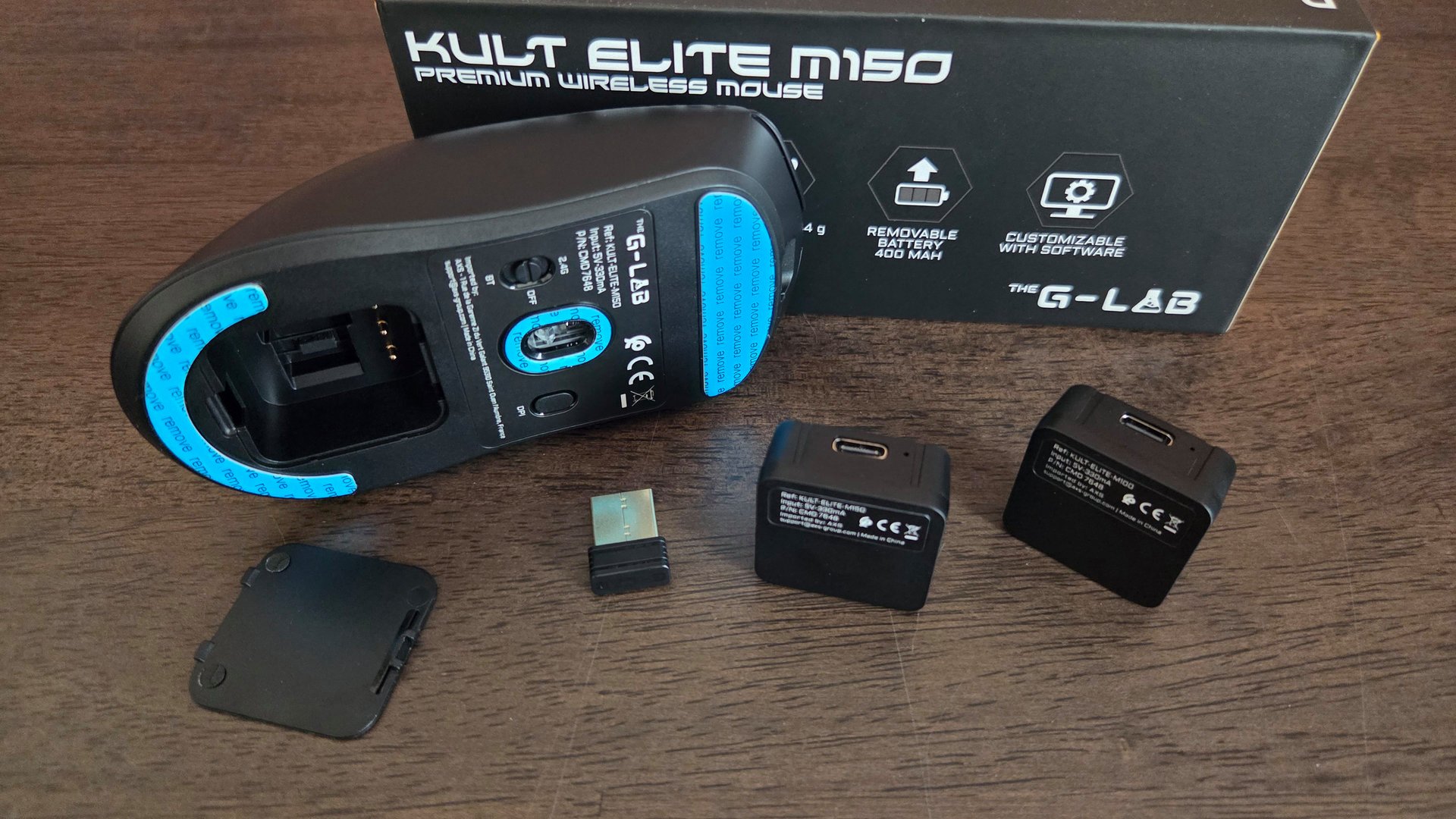
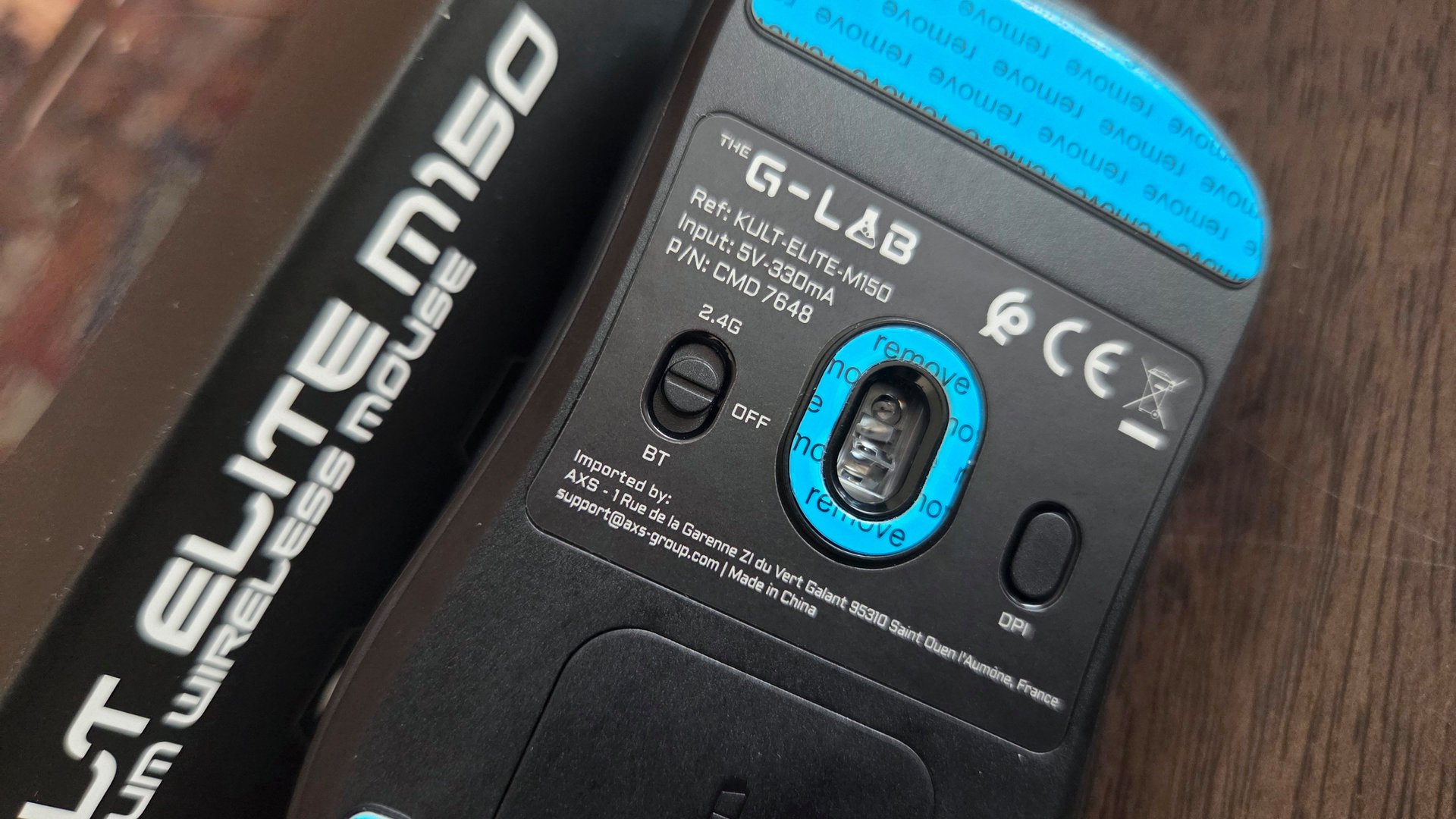
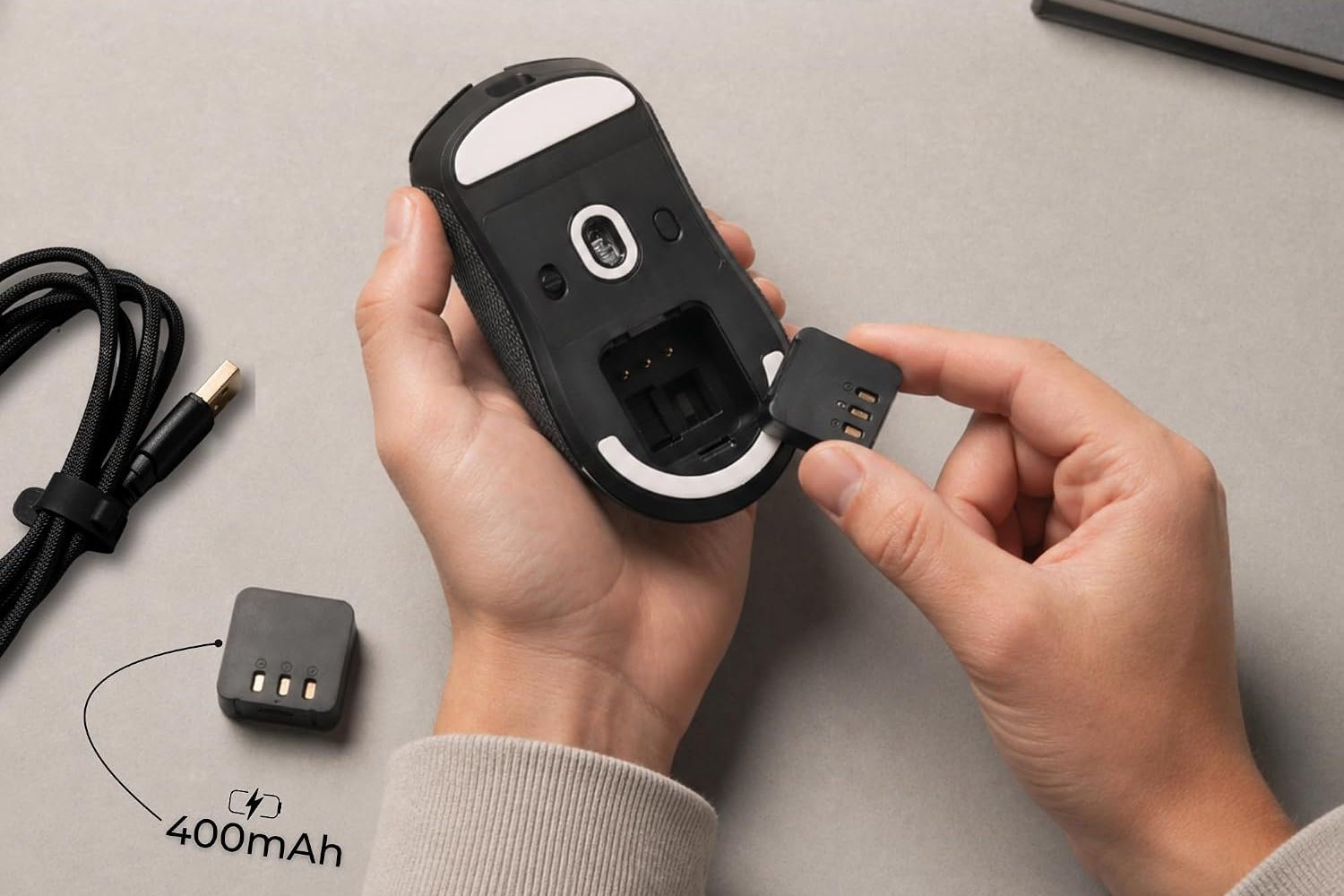
Under the mouse, notice two PTFE strips where Razer uses wide pads. A small bonus from The G-Lab is that the battery has a compartment that also houses the USB dongle: the battery is thus replaceable, and two are supplied with the mouse. Finally, note that under the mouse you’ll find two selectors: the first for connectivity (wired, 2.4 GHz or Bluetooth) and the second for the sensor’s sensitivity.

The G-Lab KULT Elite M150

The G-Lab KULT Elite M150

As if there were a family resemblance between the M150 and the Viper V4 Pro from Razer. © Nerces for Clubic

At 125 mm long, 63 mm wide and 38 mm thick, the M150’s dimensions are very close to the Viper V4 Pro’s (127.1 x 63.9 x 39.9 mm). But beyond measurements, it’s the shape and the design that catch the eye. Compare the two images: aside from the white trim on the wheel and the thumb buttons on the M150, it’s nearly indistinguishable from the Viper V4 Pro.

The G-Lab KULT Elite M150

The G-Lab KULT Elite M150

On the mouse side, in practice, the engineering work pays off. The grip—thus identical to the Viper V4 Pro’s—belongs to a class of its own, aimed at large hands, with palm-grip or claw-grip ergonomics. Medium hands can adapt, but small hands (like those of children) may feel less at ease.

© Nerces for Clubic

© Nerces for Clubic

On the mouse front, the usage confirms the excellent work by the brand’s engineers. The grip—identical to that of the Viper V4 Pro—belongs to a class suited for large hands, with palm-grip or claw-grip ergonomics. Medium hands will adapt, but small hands, particularly those of children, may feel less comfortable.

The G-Lab KULT Elite M150

The G-Lab KULT Elite M150

On the mouse side, practice confirms the excellent work by the brand’s engineers. The grip, identical to the Viper V4 Pro’s, is a model of its kind, tailored to larger hands with palm or claw grip ergonomics. Average hands can adapt, but smaller hands—especially from younger users—will feel less comfortable.

© Nerces for Clubic

© Nerces for Clubic

© Nerces for Clubic

© Nerces for Clubic

Nothing to complain about the weight of the mouse, even though it’s not among the lightest models. At 55 g, the M150 sits well in hand, never tiring the wrist, even in the most intense gaming sessions. Its center-of-movement re-centering on the mousepad poses no issue while the optical sensor’s sensitivity remains appreciable. Admittedly, we don’t have the skill to fully exploit the 30K ppp of the Pixart component.

The 8,000 Hz polling rate also holds up, though we noticed a more pronounced impact on battery life when it’s left on continuously: about a 60% reduction. Of course, the 8,000 Hz option is only available in wired or 2.4 GHz modes. Bluetooth cannot achieve this performance.

The M100 and M150 are excellent mice at an attractive price. © The G-Lab

The M100 and M150 are excellent mice at an attractive price. © The G-Lab

We also appreciate the button quality and responsiveness, while the scroll wheel remains smooth and well notched. Note that it isn’t detent-free. Nothing to complain about the glide either, thanks to PTFE pads: solid work, and we never felt like we had to fight to reach our goals. The G-Lab also includes a sticker grip sheet with its mouse. We didn’t find them particularly useful, but they’re there.

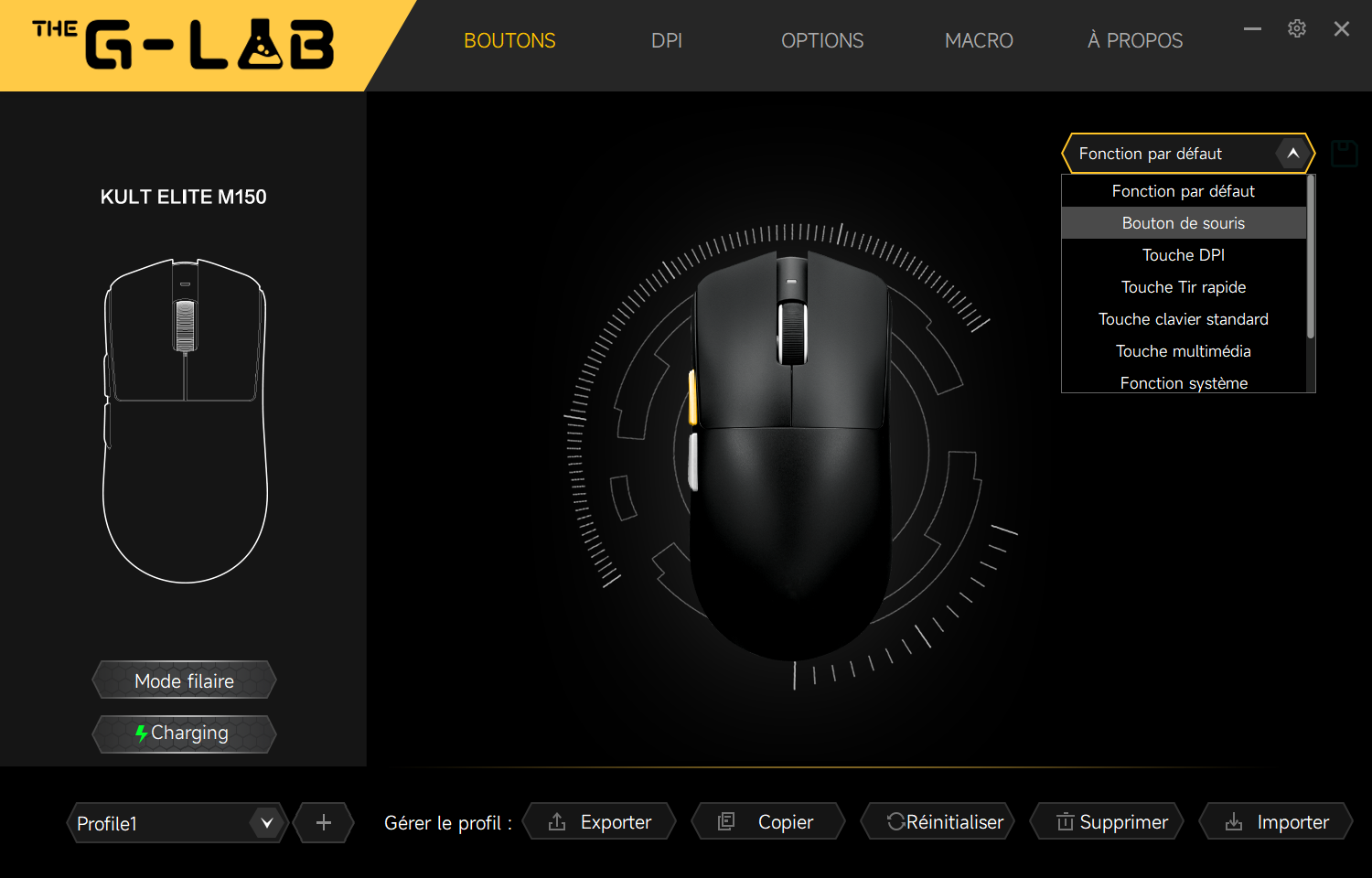
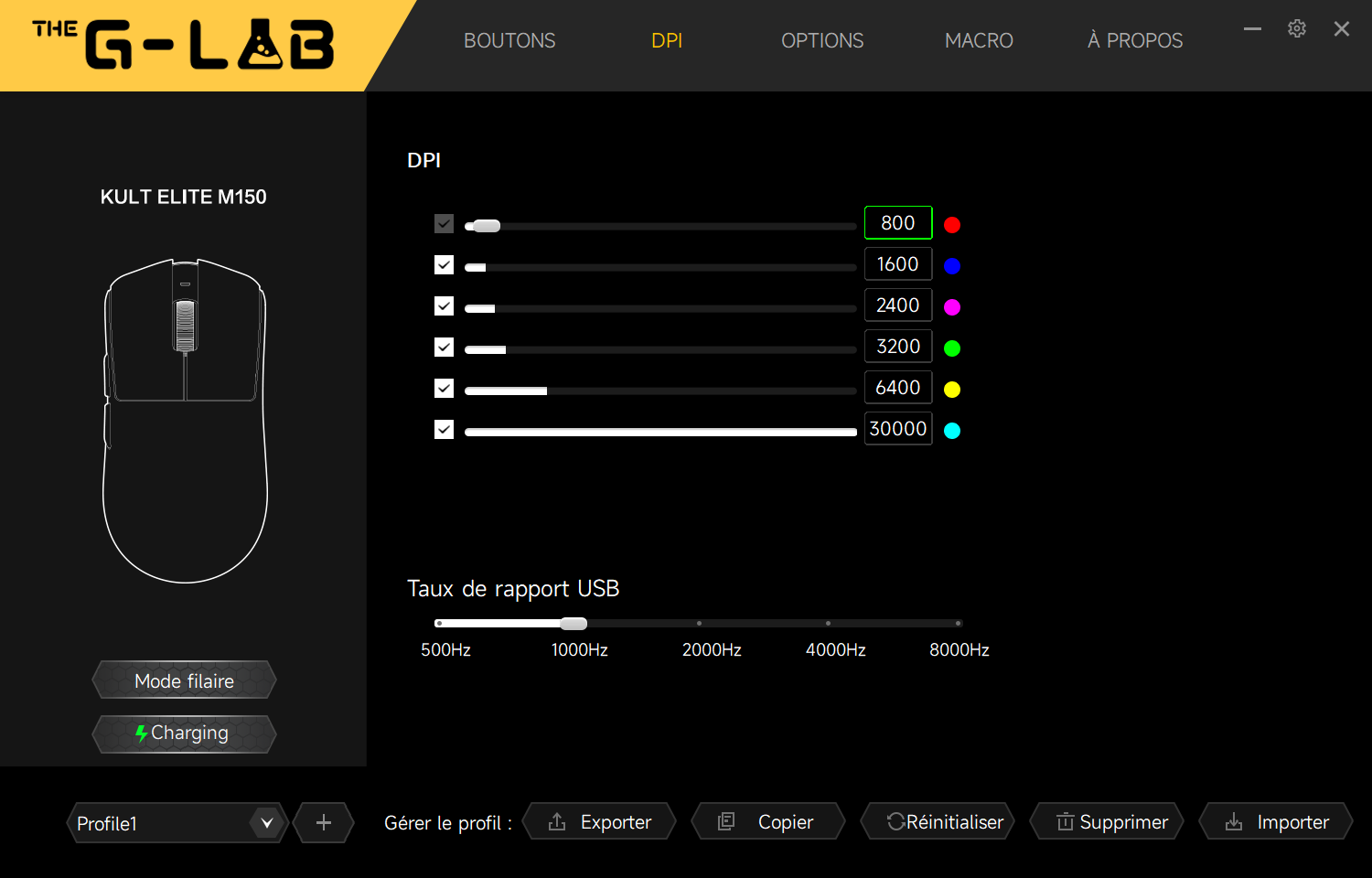
To configure the KULT Elite M150, The G-Lab reuses its own software, a classic we’ve already tested on the brand’s keyboards. The program is lightweight, though it isn’t (yet?) a solely web-based interface. The upside is that you don’t need an Internet connection to adjust settings. The downside is that you must install another piece of software on your machine.

The G-Lab KULT Elite M150

The G-Lab KULT Elite M150

On the whole, the M100 and M150 deliver a measured step up in quality, with a very similar exterior and a few refined touches that set them apart fromThe G-Lab’s earlier offerings. They carry a more refined look without sacrificing the compact footprint that made the brand notable.

The M150’s design, in particular, is well matched to the Viper V4 Pro’s silhouette, and the two share a notable visual family. The M150 is not a direct copy, but its proportions, curvature, and even the white accents around the wheel and thumb buttons create a near-identical impression at first glance. The weight, finish, and materials, though, communicate a more premium sense relative to the earlier KULT devices.

Sensor 33K and 8 kHz polling rate

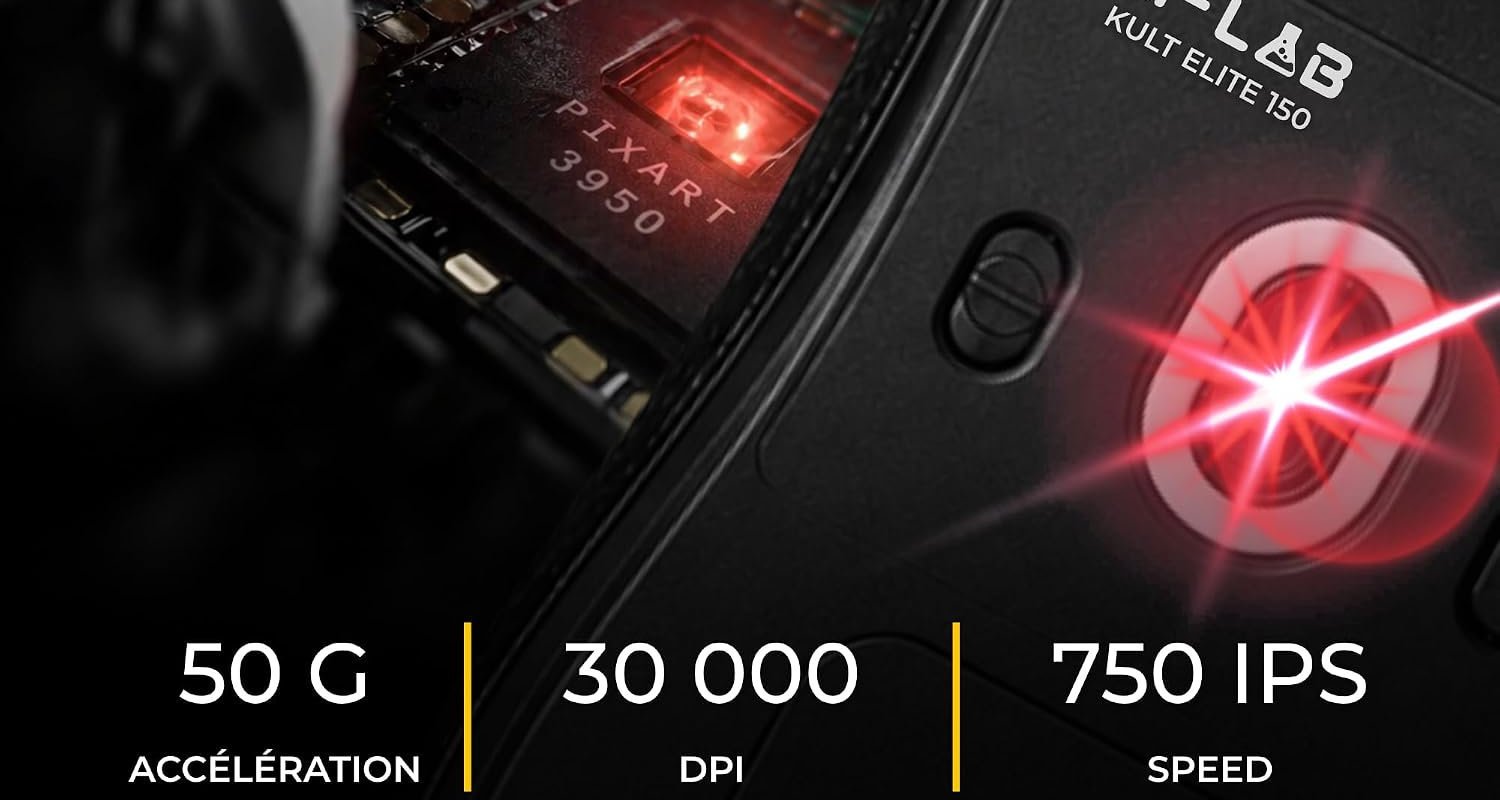
If there is one area where The G-Lab had a hard time competing with a maker that specializes in this field, it is the optical sensor. While Razer has developed its own Focus Pro 3rd generation sensor offering up to 50K DPI, the Pixart PAW3950 chosen by The G-Lab already features notable characteristics, including a sensitivity up to 30K DPI.

The Pixart PAW 3950 sensor features. © The G-Lab

Les caractéristiques du capteur Pixart PAW 3950. © The G-Lab

Again somewhat behind the focus of the Razer Focus Pro, the PAW3950 is also advertised with a maximum acceleration of 50 G compared with the Focus Pro’s 90 G. Not reason enough to blush. It’s also worth noting that—like most premium mice—the polling rate can climb to 8,000 Hz for greater responsiveness. Here, Razer cannot do better than The G-Lab.

For the buttons, TTC optical switches were used. © The G-Lab

Pour les boutons, des contacteurs TTC ont été employés. © The G-Lab

Unfortunately, the brand provides little detail about the switches used for the main and thumb buttons. Useful note: the latter are confirmed to be Optical TTC switches and are rated for 100 million clicks. That should keep things going for a while!

Finally, the M150 is a wireless mouse, and it can connect via USB (a 1.6 m braided cable is included), Bluetooth, or 2.4 GHz. The mode is selected with a switch under the mouse, and the 2.4 GHz option is supported by a USB dongle. Unfortunately, while the dongle has a small slot to tuck it away, the compartment sits beneath the battery, making access a bit less convenient. Still workable, though.

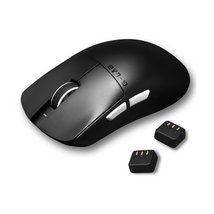
Two batteries supplied with the M150, but above all a very accessible slot that also allows storing the USB dongle. Unfortunately, it's not held in place by a magnet. © The G-Lab

Two batteries supplied with the M150, but above all a very accessible slot that also allows storing the USB dongle. Unfortunately, it’s not held in place by a magnet. © The G-Lab

And in practice, how does it perform?

That battery life is one of the M150’s first advantages once you start using the mouse. It delivers about 100 hours of autonomy—a very respectable score—and charges to full in roughly three hours. Another nice detail: The G-Lab doesn’t ship just one, but two batteries with the mouse so you’re never left in the lurch. This is rare in the world of mice, especially for a sub-€80 device.

Even nicer, The G-Lab designed the two batteries with a USB-C connector that lets you recharge them outside the mouse. Handy. All told, you can claim a maximum of 200 hours of autonomy, a remarkable figure in this segment. The only downside is that the included USB-C cable is a bit short.

The G-Lab KULT Elite M150

Two batteries supplied with the M150, but above all a very accessible slot that also allows storing the USB dongle. Unfortunately, it’s not magnetically held. © The G-Lab

Two batteries supplied with the M150, but above all a very accessible slot that also allows storing the USB dongle. Unfortunately, it’s not magnetically held. © The G-Lab

The G-Lab KULT ELITE M150: Clubic’s verdict

Conclusion
General note
8 / 10

Tested & Approved

While adopting a design that is clearly very close to the excellent Viper V4 Pro by Razer, the KULT ELITE M150 trims slightly on features in almost every area: the mouse is a touch heavier and its sensor a touch less sensitive, but its autonomy is slightly higher.

Moreover, if The G-Lab is stepping up in the market, it doesn’t pretend to go after brands as established as Razer. Instead, by markedly advancing the capabilities of its mice, adopting a successful design and quality materials, the French company makes a striking leap forward. The M150 may not be the absolute best gaming mouse on the market, but it certainly earns its points.

Finally, and this is perhaps the most important for The G-Lab, the brand manages to keep a relatively accessible price. It still takes nearly 80 euros for the M150, but that remains about 2.5 times cheaper than the Viper V4 Pro that inspired it. For many players, the choice will be quick, and if that price is still too high, the M100 offers a slightly smaller footprint for 20 euros less. Clearly, these are very well-positioned products.

Les plus
  • Pleasant design and form
  • Sensitivity of the PixArt PAW3950
  • Button switch quality
  • 8 kHz polling rate on 2.4 GHz as well
  • Smooth wheel with strong grip
  • PTFE glide pads

Fiche technique The G-Lab KULT Elite M150

Résumé

Nombre de boutons 5
Type de souris Optical
Résolution optique 30000 ppp
Sans-fil Oui
Poids 55g

Ergonomie

Utilisation Gamer
Nombre de boutons 5
Type de Roulette Bidirectionnelle
Lateralité Souris pour droitier
Trackball Non
Souris verticale Non

Caracteristiques techniques

Type de souris Optique
Résolution optique 30000 ppp
Sans-fil Oui
Interface avec l’ordinateur Bluetooth, USB Type C, RF 2,4 GHz
Logiciel compagnon The G-Lab
Polling Rate 8000 Hz

Batterie

Type de batterie Batterie intégrée
Autonomie 100h

Caractéristiques physiques

Longueur du câble 1.6m
Largeur 125mm
Profondeur 63mm
Poids 55g
Poids modulable Non
Rétro-éclairage Non

The Kult Elite M150 alternatives

Logitech G PRO X2 Superstrike

Logitech G PRO X2 Superstrike
  • Haptic click, HITS innovation and silent
  • Very comfortable to play
  • Excellent precision (HERO 2, 8000 Hz)
9 / 10

166,99 €

Lire le test

What are the best gaming mice in 2026?

À découvrir

What are the best gaming mice in 2026?

Compare

Daniel Brooks

I cover everyday products with a practical eye, from kitchen tools and home essentials to smart gadgets and consumer trends. My goal is to help readers understand what is genuinely useful, what is worth the price, and what deserves a second look before buying.