Acer Googlebook 14 Review: Google Aims to Compete with Windows Using Android, but It Falls Short

November 20, 2026
Tech

Acer is among the top five manufacturers to venture onto the Googlebook field, the new premium Android-powered laptops. It’s a risky bet given the platform’s own limitations… and the current surge in RAM prices.

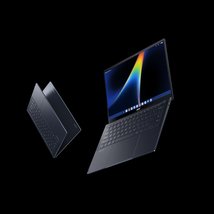
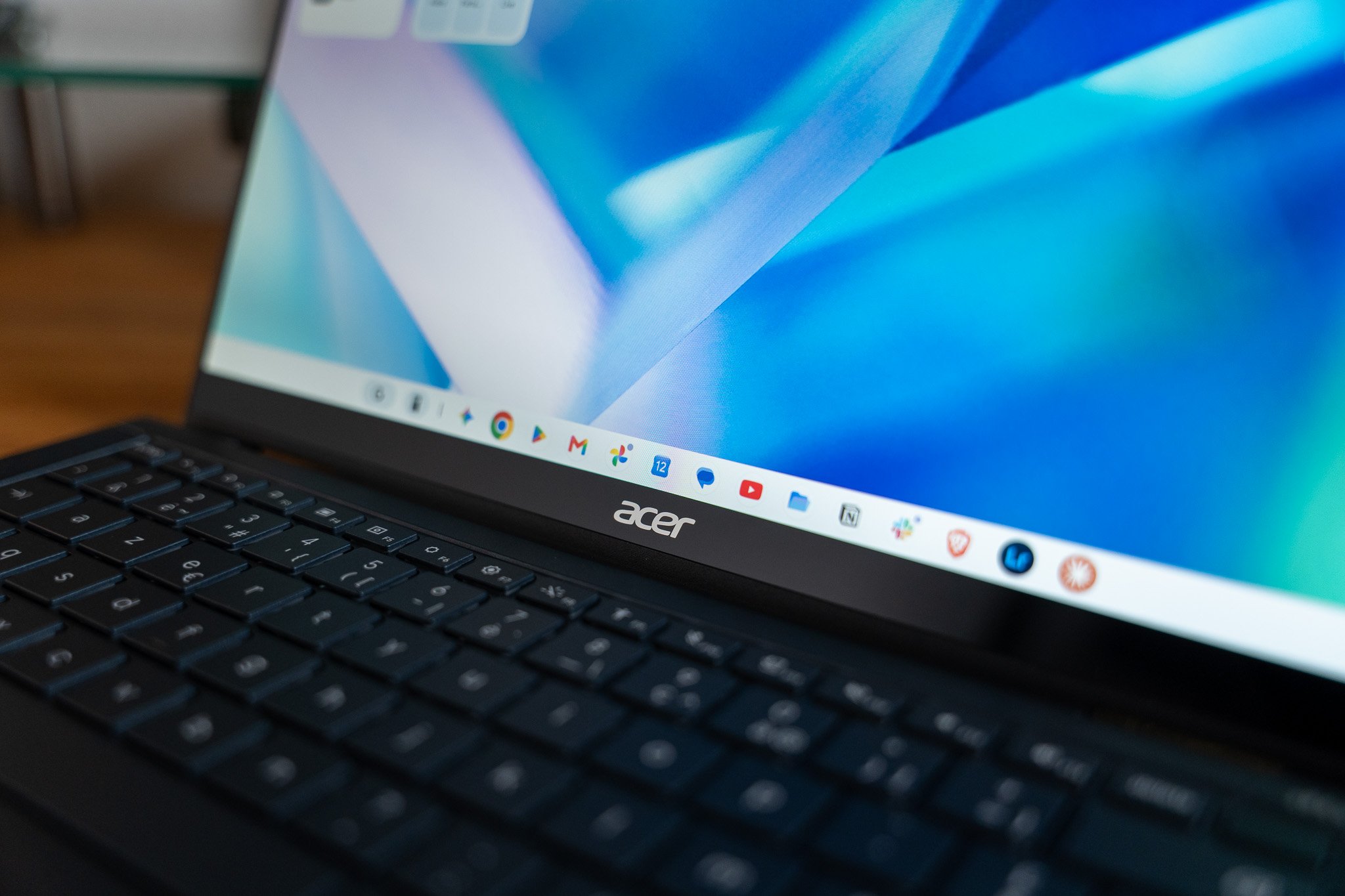
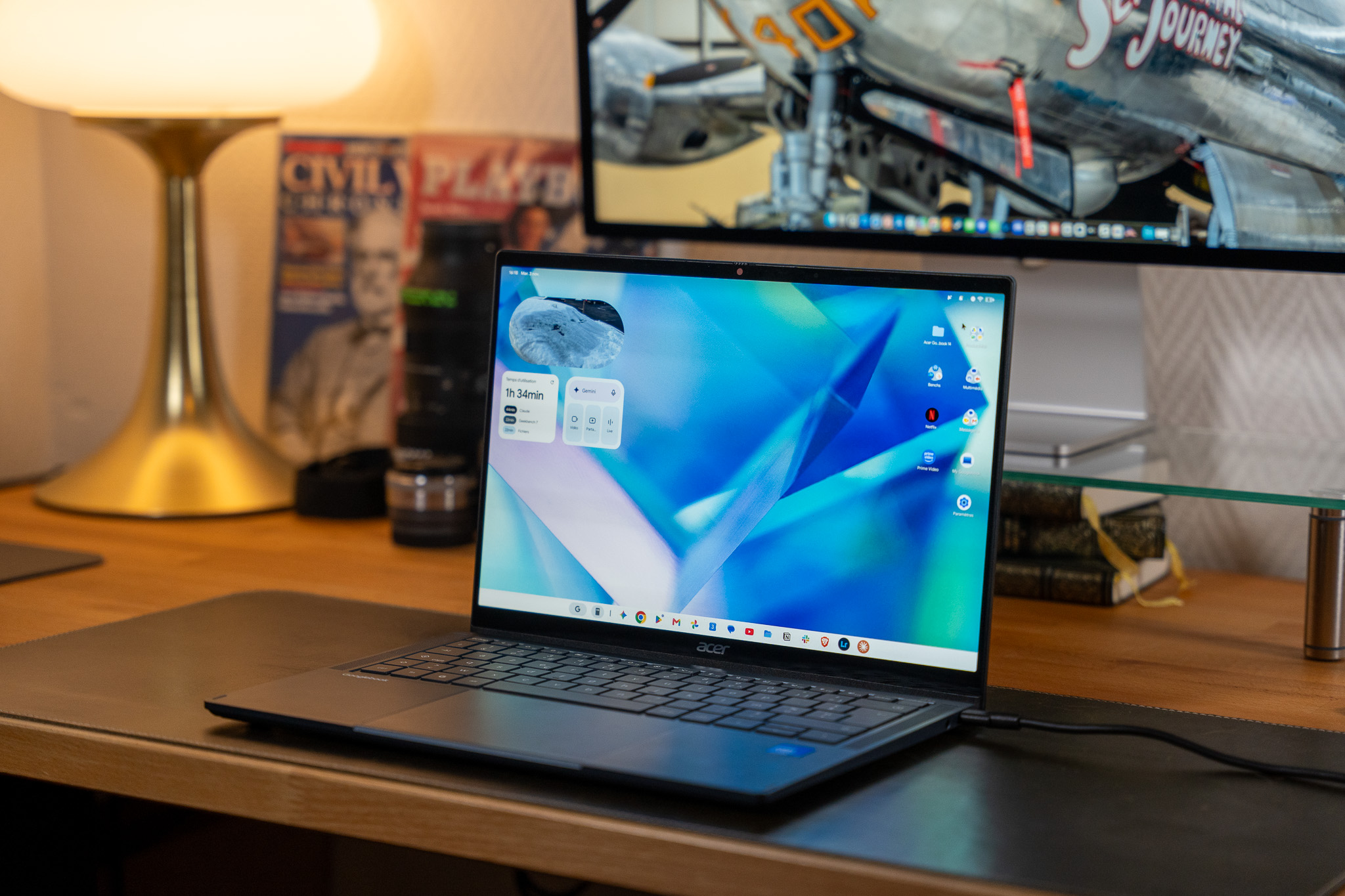
The Acer Googlebook 14. © Nathan Le Gohlisse for Clubic

Were you familiar with Chromebooks and their ChromeOS environment? Then you have probably learned a little about the new Googlebook devices and their Android-based ecosystem—the most widely deployed mobile operating system on the planet.

Acer Googlebook 14

6  / 10

Acer Googlebook 14

Best Prices

PC Componentes

1129,00 €

Cdiscount

1229,99 €

E.Leclerc

1299,00 €
The Most
  • Sturdy build, elegant device
  • The only Googlebook 2-in-1 (for now)
  • OLED screen, its contrast, its colors
  • Low heat, stays quiet
  • Solid battery life (between 12 and 15 hours)
The Cons
  • Keyboard center too soft, clickpad not haptic
  • Performance is adequate, but modest
  • Googlebook OS desktop experience is frustrating
  • As expensive as a MacBook Air… but far less versatile
Read the conclusion

Announced by Google in spring and properly launched in early October, the Googlebook platform aims to offer the California giant a third path between Windows and macOS in the realm of premium laptops. An objective that one might almost call into the past, given Google’s ambitions appear high relative to the real capabilities of its new Googlebook OS as it stands today, as we explained in a longer article dedicated to the question.

In this context arrives the Acer Googlebook 14, the first Googlebook model from the Taiwanese manufacturer, and the only convertible in this new line of devices designed in tight collaboration with Google. An elegant and well-built OLED laptop, but expensive and limited, as we will see.

Before going further, here is the exact technical sheet of the model that Acer France loaned us:

Technical sheetAcer Googlebook 14

Summary
Processor
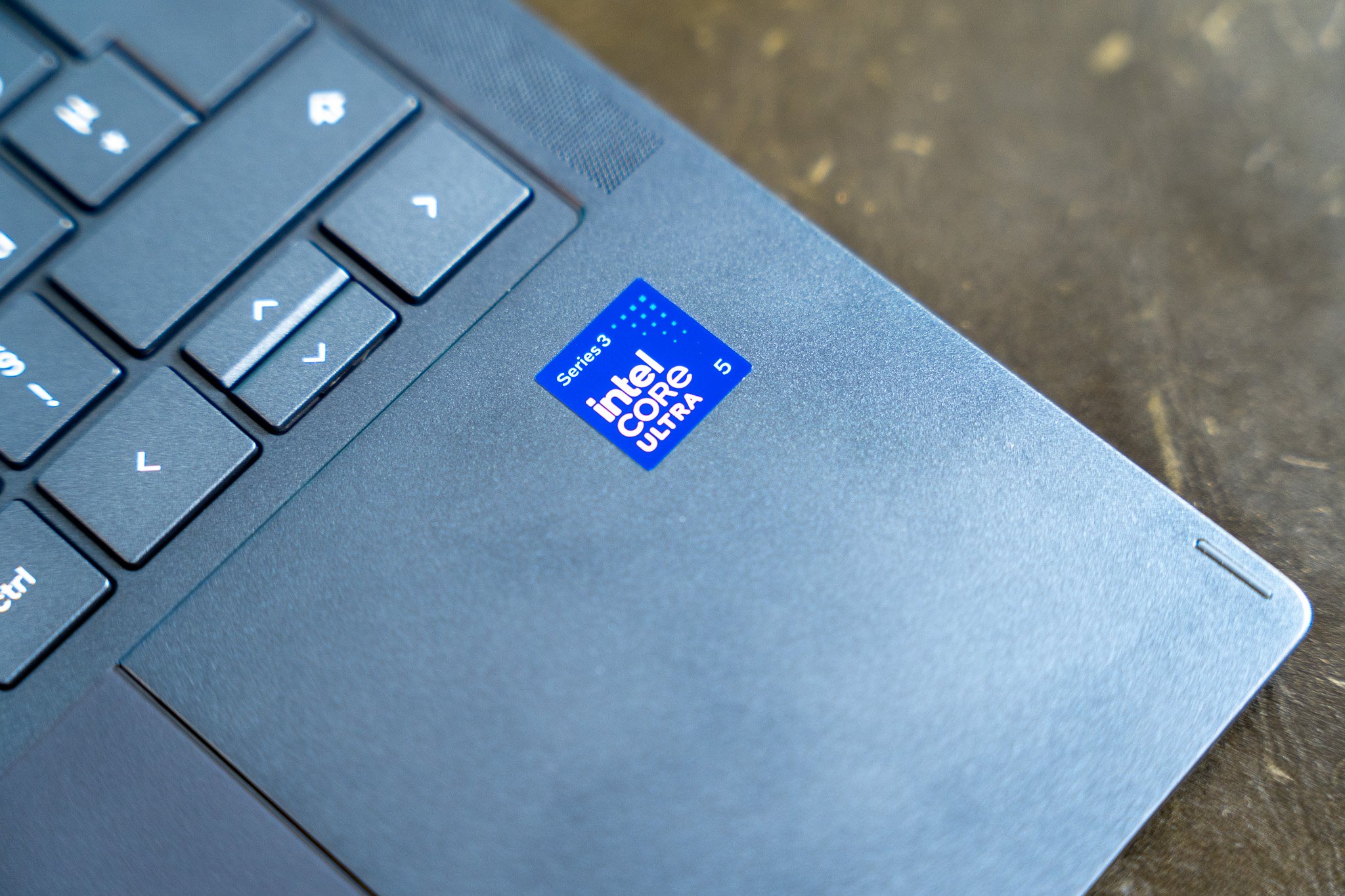
Intel Core Ultra 5 325
Memory capacity
16Go
Graphics card
Intel Graphics
Screen size
14 inches
Refresh rate
120Hz
OS
Operating System Chrome OS
Processor
Processor Intel Core Ultra 5 325
Processor type 8 cores / 8 threads
Processor frequency 4.5GHz
Manufacturing process 1.8m
NVIDIA RTX Spark No
Memory
Memory capacity 16Go
Memory type DDR5
Free memory slots 0
Graphics
Graphics card Intel Graphics
Max-Q No
Display
Screen size 14 inches
Refresh rate 120Hz
Panel type OLED
Display type OLED
Panel resolution 2880 x 1800 pixels
Screen format 16/10
Matte / anti-reflective No
NVIDIA G-SYNC No
Touchscreen Yes
Storage
Disk configuration SSD
Main disk 256 Go
Secondary disk 1 slot M.2 NVMe
Optical drive Aucun
mSATA/M.2 slot M.2 (occupied)
Memory card reader Aucun
Connectivity
Available ports Thunderbolt 4/USB-C, USB 3.2 Type C, 3.5 mm female stereo jack
Wireless networking
Wi‑Fi Yes
Wi‑Fi version 7
Bluetooth Yes
Bluetooth version 6
Equipment
Webcam Non
Speakers Integrated
Keyboard AZERTY
Backlit keyboard Yes – single color
Numpad No
Fingerprint reader Yes
Physical characteristics
Length 314mm
Width 222.9mm
Thickness 13.9mm
Weight 1.14kg

The Acer Googlebook 14 Core Ultra 5 / 256 Go is priced from €1,199.99 in France. Another version of the device, equipped with a Core Ultra 7 355, 16 GB of RAM and a 512 GB SSD, is also offered, at a price of €1,399.99 this time.
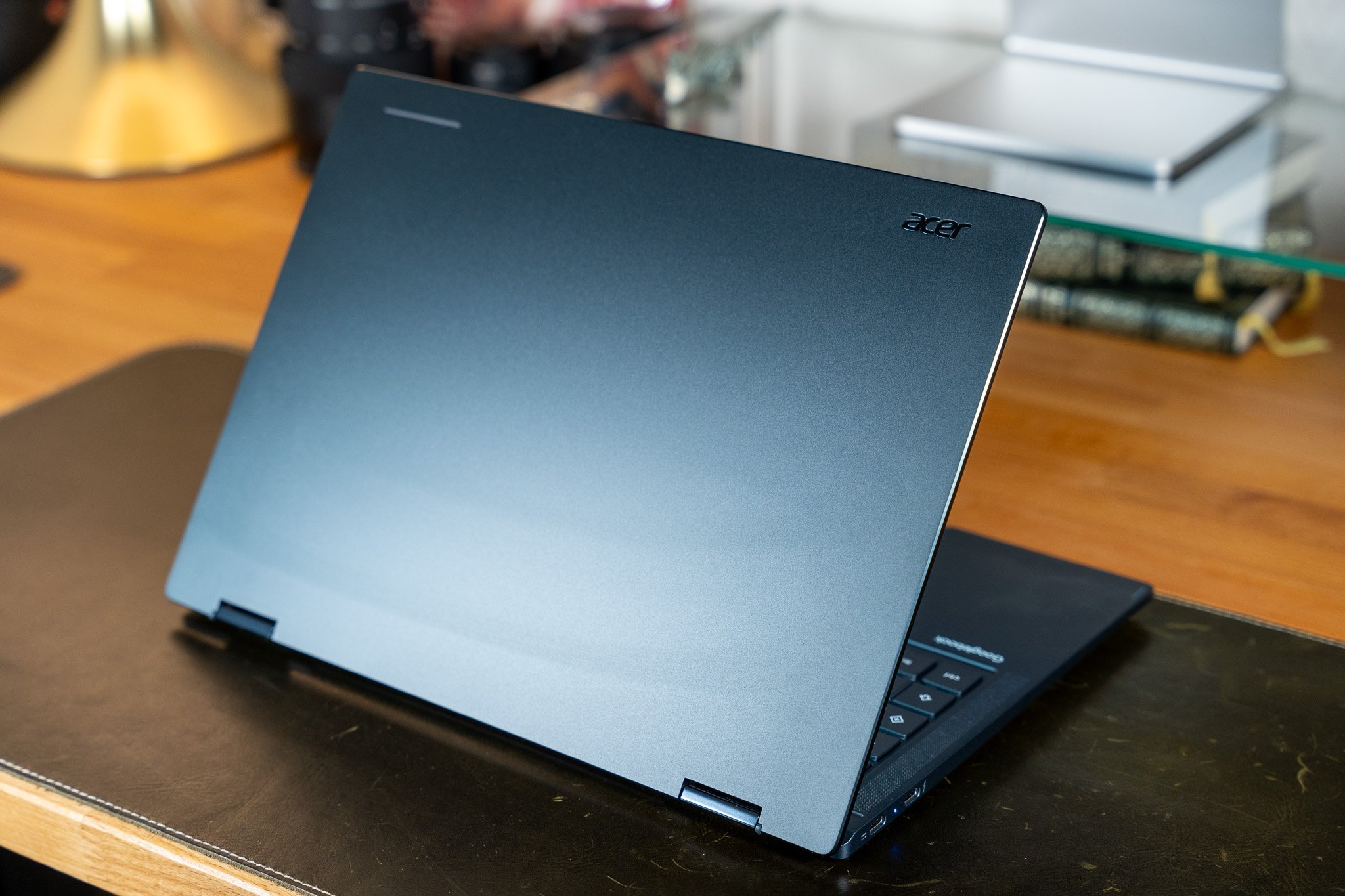
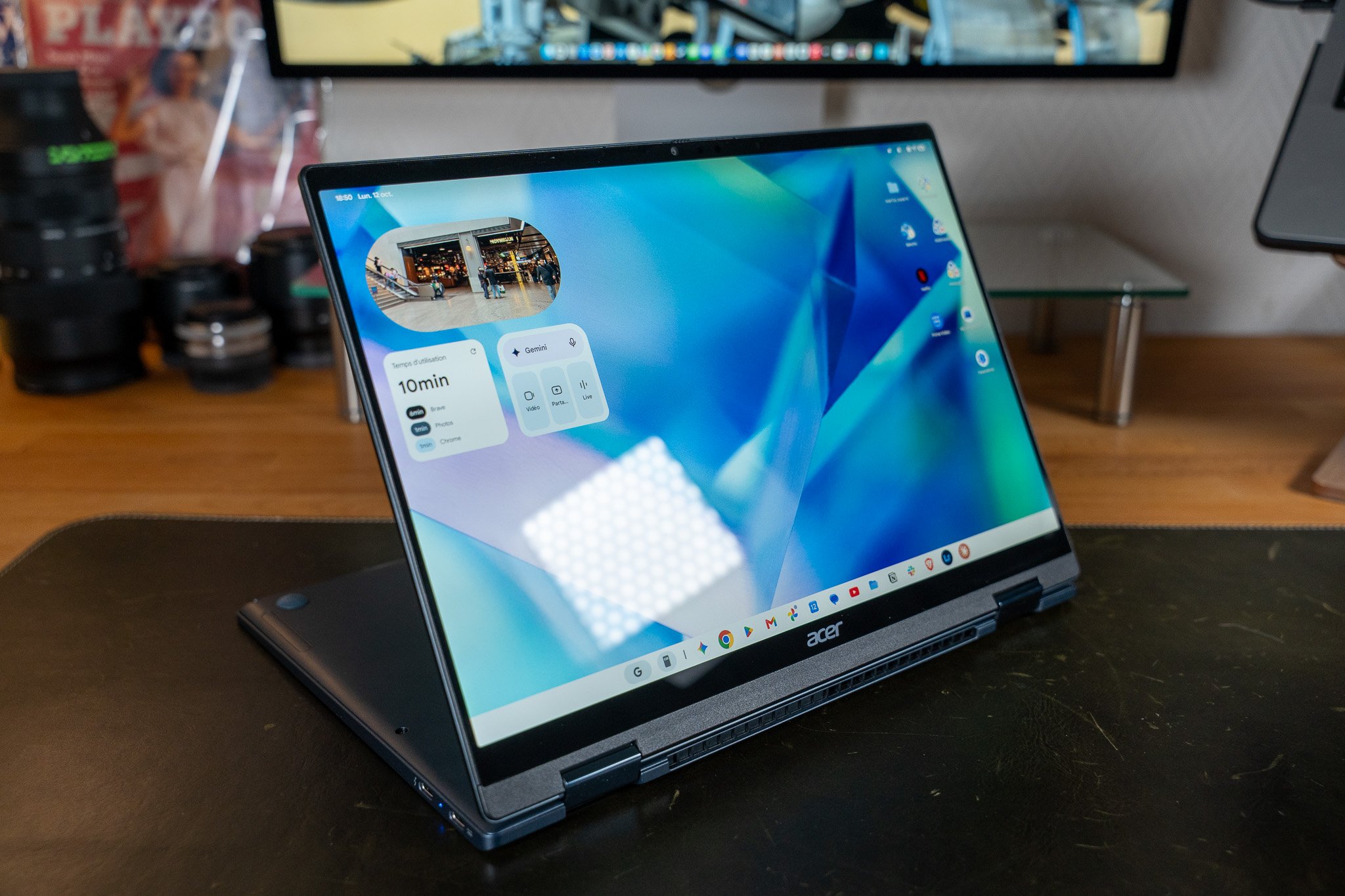
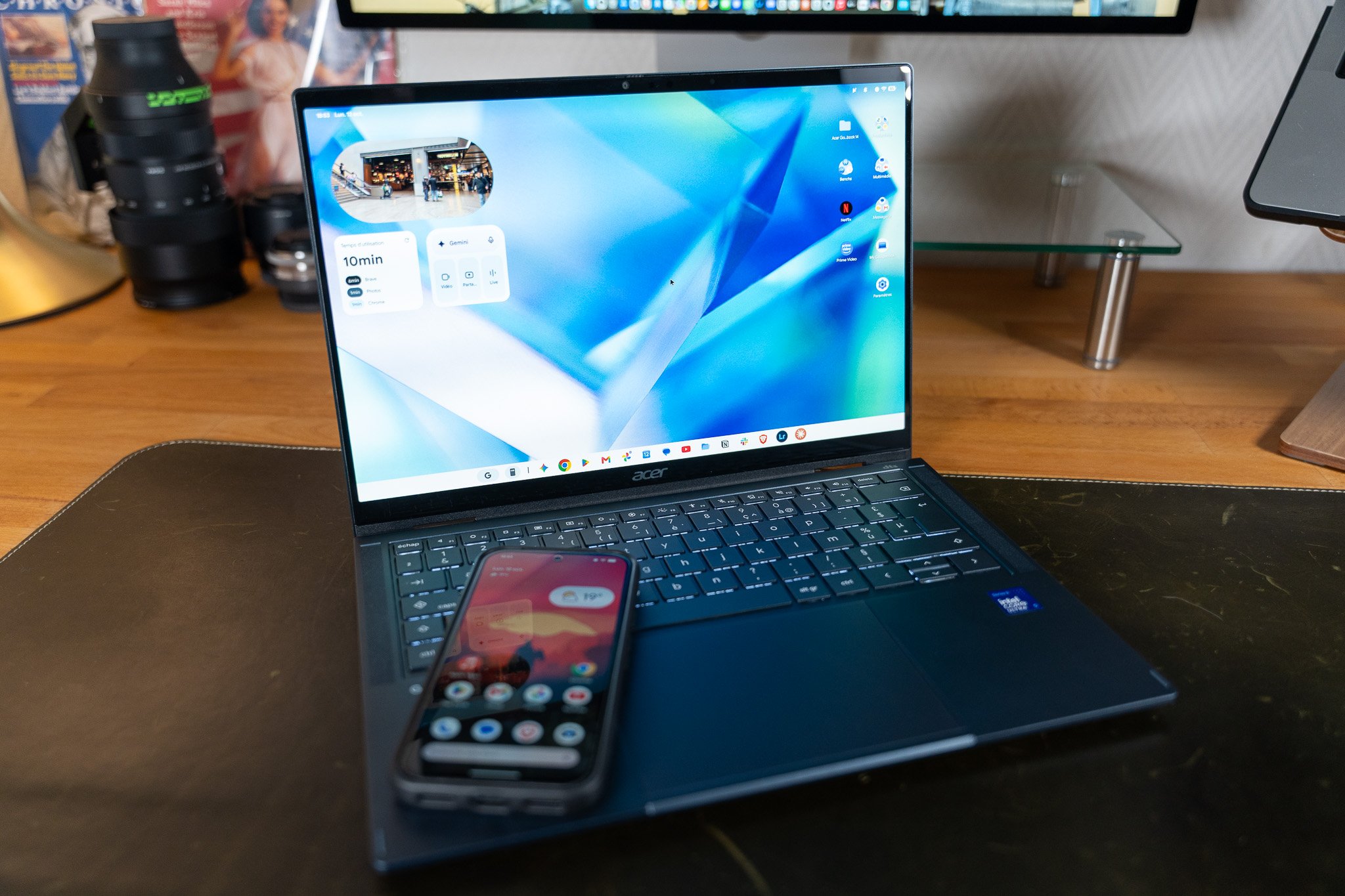
It may not be clearly visible here, but the Acer Googlebook 14 is draped in a lovely blue-black alloy. © Nathan Le Gohlisse for Clubic

It may not be clearly visible here, but the Acer Googlebook 14 is draped in a lovely blue-black alloy. © Nathan Le Gohlisse for Clubic

© Nathan Le Gohlisse for Clubic

© Nathan Le Gohlisse for Clubic

© Nathan Le Gohlisse for Clubic

© Nathan Le Gohlisse for Clubic

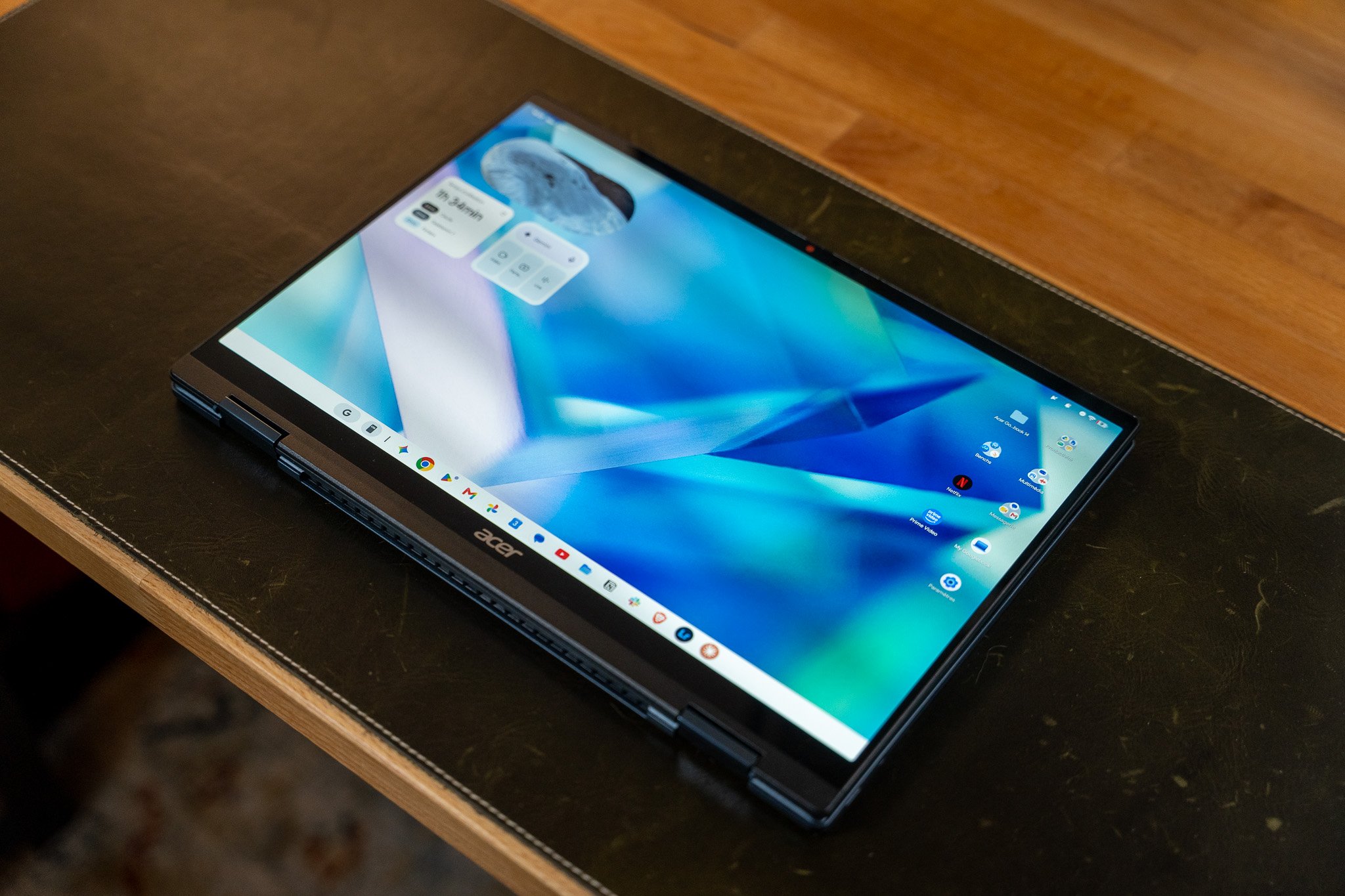
As a convertible by nature, the screen can flip 360 degrees around the keyboard to switch to tablet mode. That transition triggers a switch of interface, quite welcome for Googlebook OS, which also shifts to tablet mode with a taskbar that hides in favor of a Dock that’s a little easier to use with a finger. It becomes more apparent the (quite large) bezels framing the screen of our Acer Googlebook 14, but also the slight recess along the hinges that improves vertical handling. A rather well-thought detail.

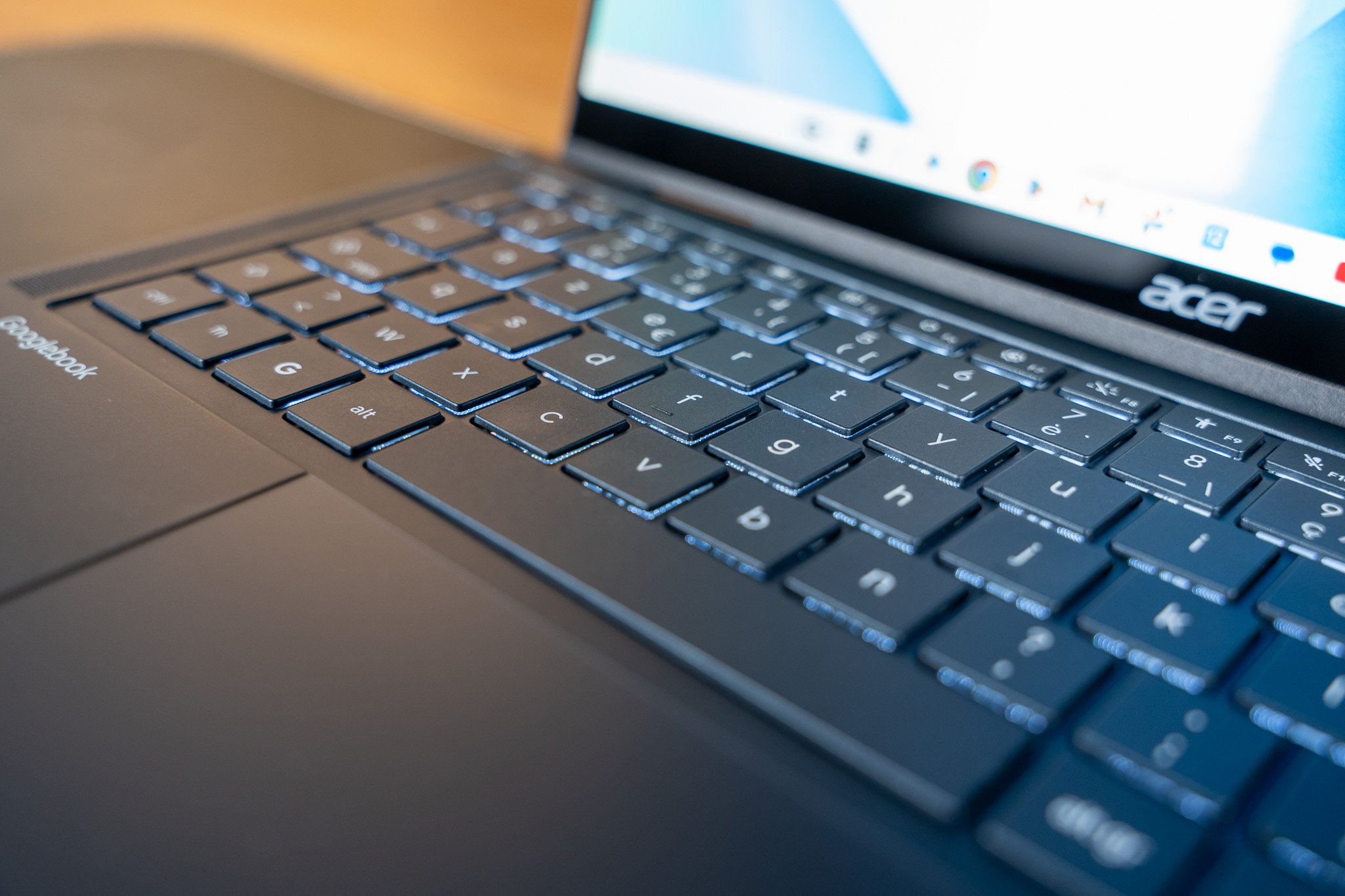
The hinges also feel solid and well built, as does the rest of the device, though the center of the chassis is quite too flexible. Unfortunately, this reduces the keyboard quality—as well as the rest. It’s relatively quiet, offering a nice deep keystroke. Unfortunately, the rebound of the keys isn’t as snappy as we’d like… and the lack of rigidity at the center of the chassis detracts from overall comfort.

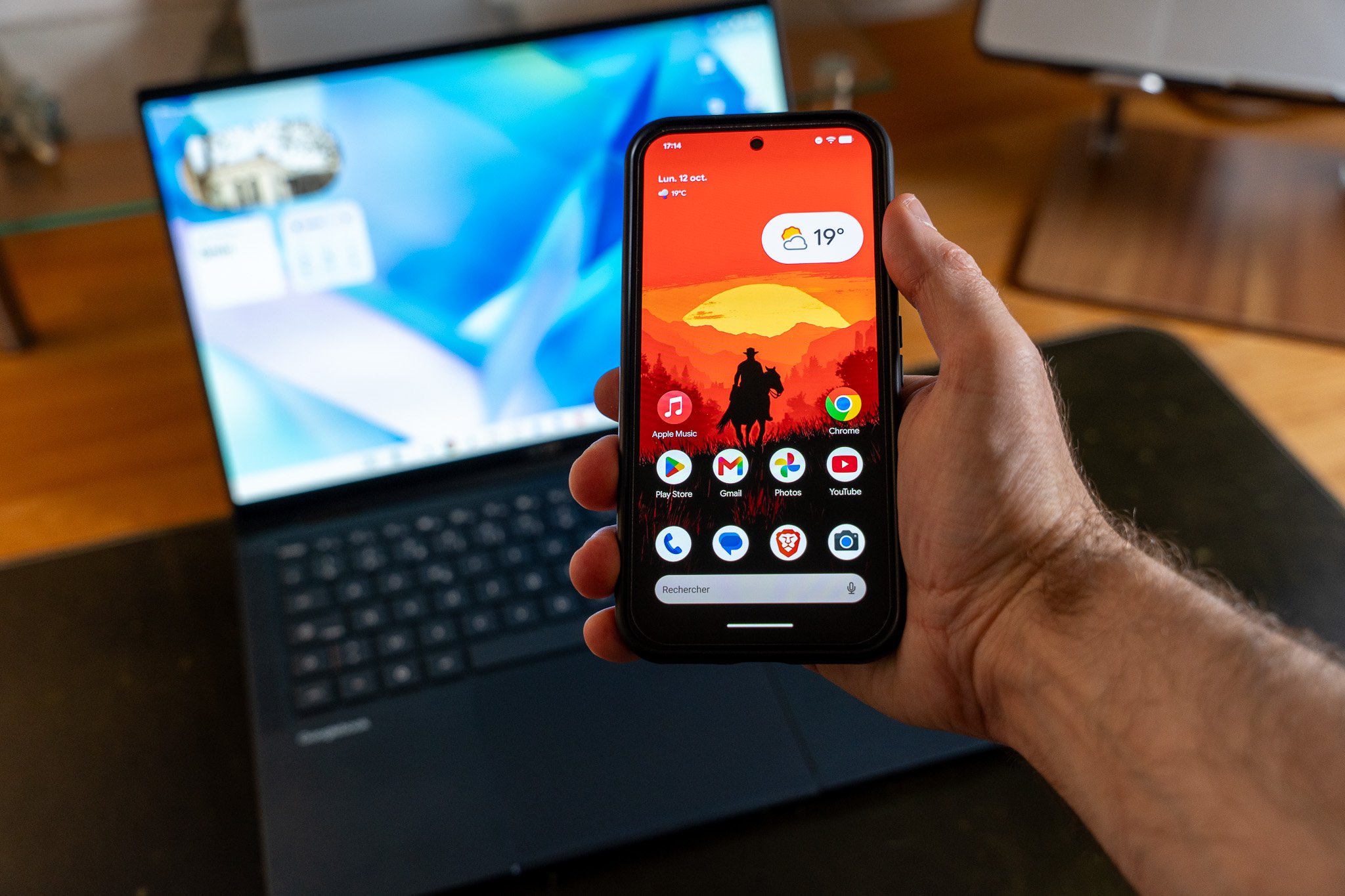
The Googlebook 14 is designed to communicate with an Android smartphone. © Clubic

The Googlebook 14 is designed to communicate with an Android smartphone. © Clubic

© Nathan Le Gohlisse for Clubic

© Nathan Le Gohlisse for Clubic

© Nathan Le Gohlisse for Clubic

© Nathan Le Gohlisse for Clubic

The webcam is, for its part, honest and sufficient for occasional video conferencing, but don’t expect more. Despite its 5-megapixel resolution, it produces a fairly noisy image and somewhat dull colors. Use it only as a backup, as with the speakers. Their presence on either side of the keyboard is welcome, but that’s about all we can praise about them.

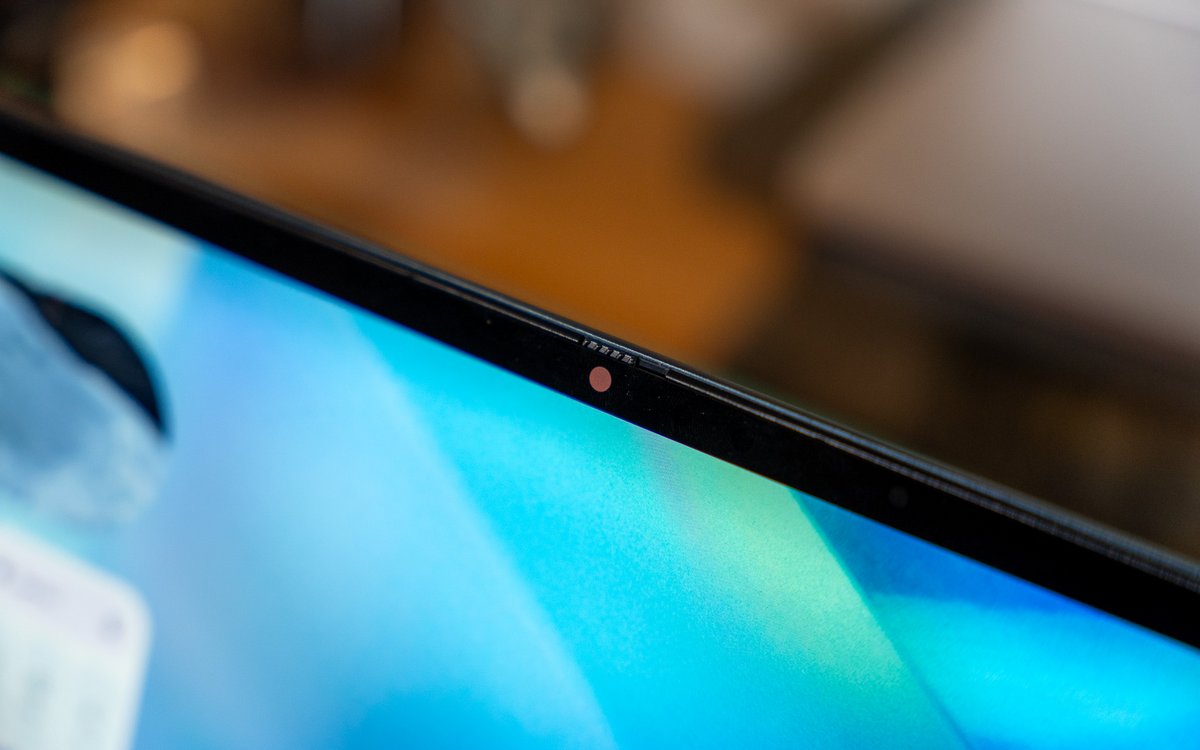
A blinking Googlebook symbol, an RGB light bar sits in the top-right corner of the lid. Let’s be clear: it is completely unnecessary. Invisible to the user 90% of the time, it loses its relevance and becomes merely a distinctive element of this lineup. It’s a pity—the concept was meant to alert the user to battery level or incoming notifications… It does that, but in a place where no one will notice it.

Acer Googlebook 14

© Nathan Le Gohlisse for Clubic

The Googlebook 14 is designed to communicate with an Android smartphone. © Clubic

© Clubic

© Nathan Le Gohlisse for Clubic

© Nathan Le Gohlisse for Clubic

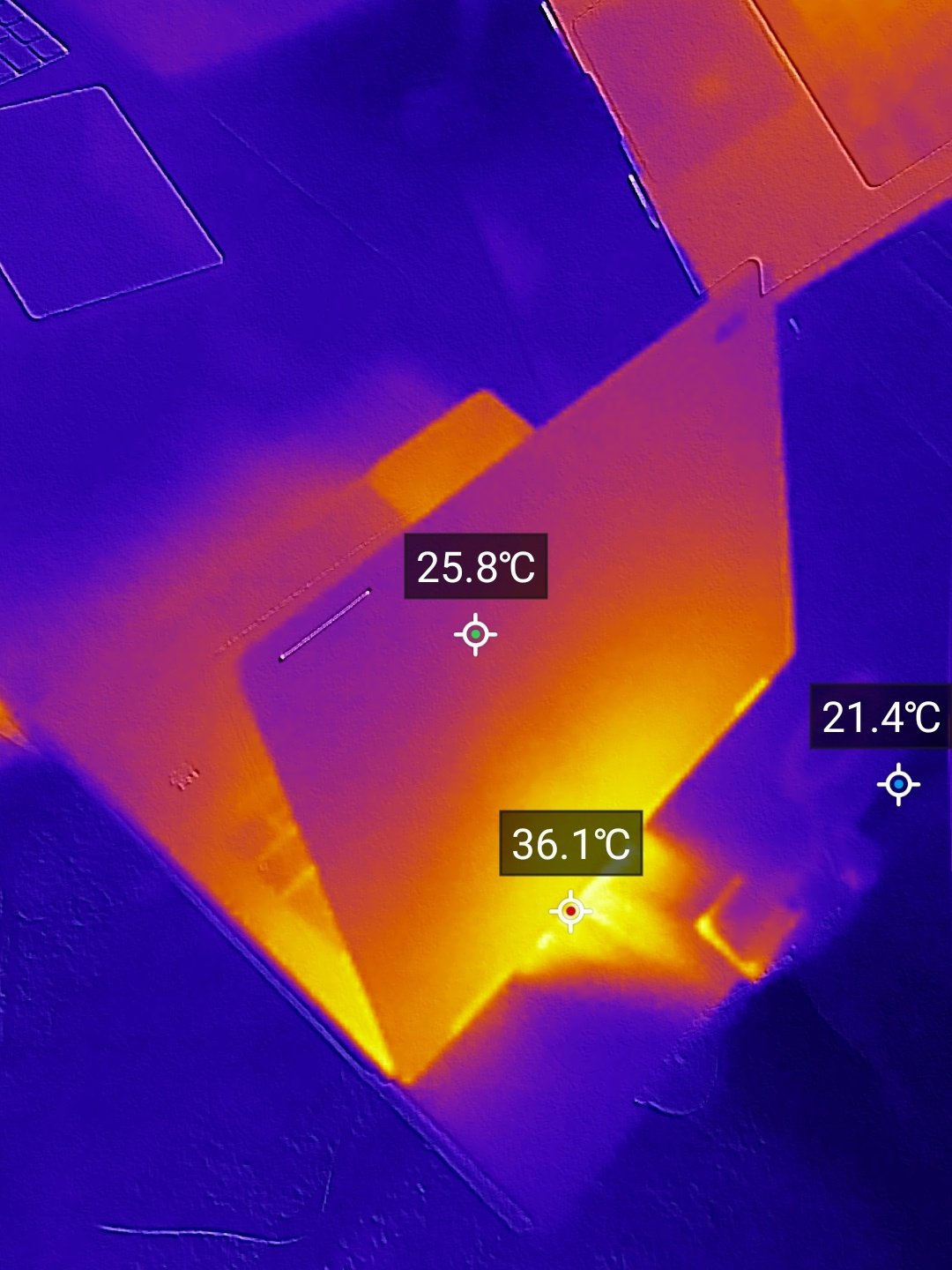
The device remains discreet and is only activated sparingly. It should be noted that most Googlebook OS apps have been optimized primarily for tablets, so our Acer Googlebook 14 rarely lets its two fans roar at full speed. That’s a good thing. The thermal performance is modest on this computer, with a maximum of 48 degrees Celsius recorded by our probe during a long graphics stress test in 3D Mark. The fans were whisper-quiet at about 34 dB at 40 cm from the screen—a soft murmur.

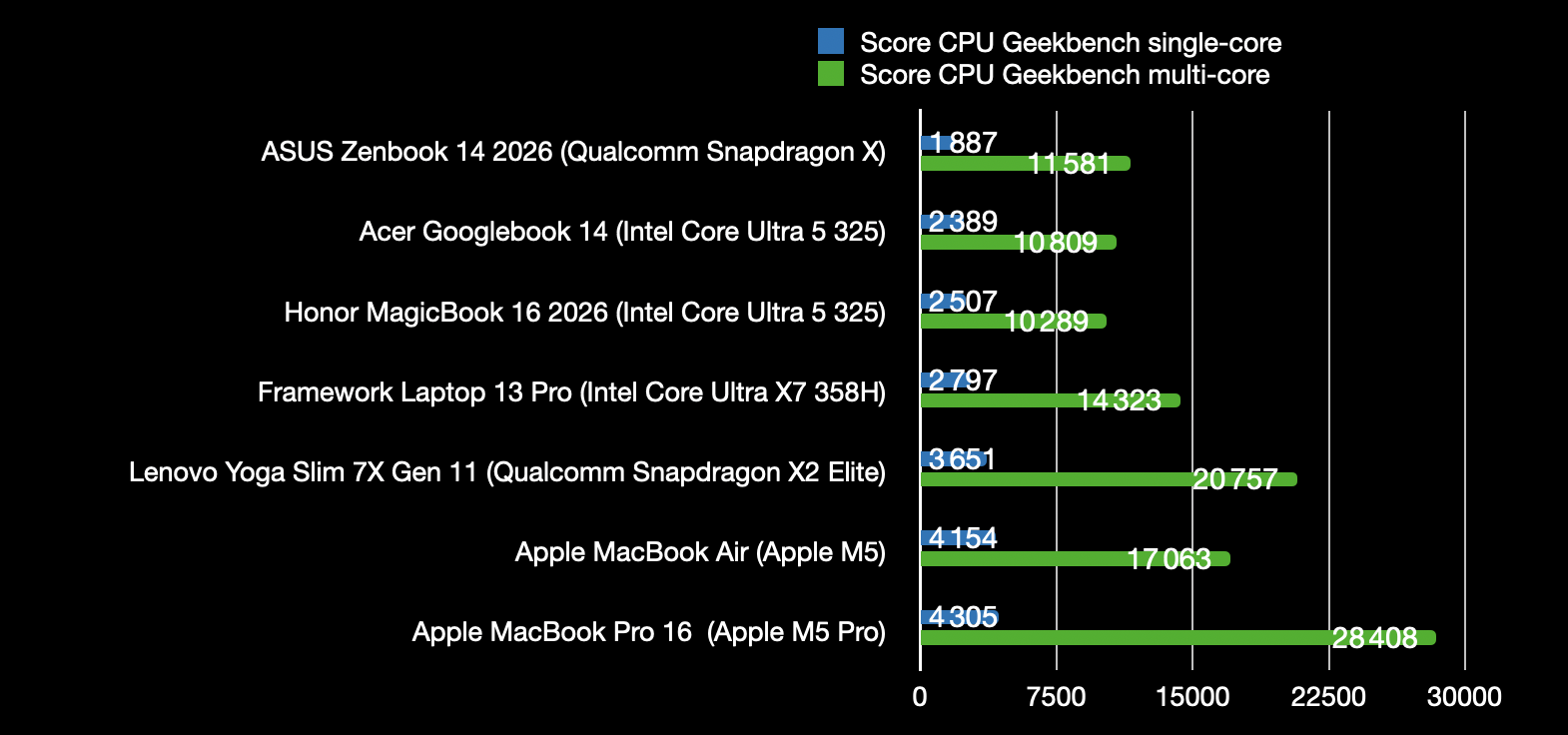
As for CPU performance, we rely on Geekbench scores, since Cinebench 2024 and 2026 benchmarks cannot be run on Googlebook OS. Our test machine with the Intel Core Ultra 5 325 sits, for the same processor, two steps behind the Honor Magicbook 16 (2026) in single-core. The ASUS Zenbook 14 (2026) with Snapdragon X lags behind… but at a much lower price, while the MacBook Air M5 sits in a completely different league in both single-core and multi-core.

The Geekbench CPU score table. © Clubic

The Geekbench CPU score table. © Clubic

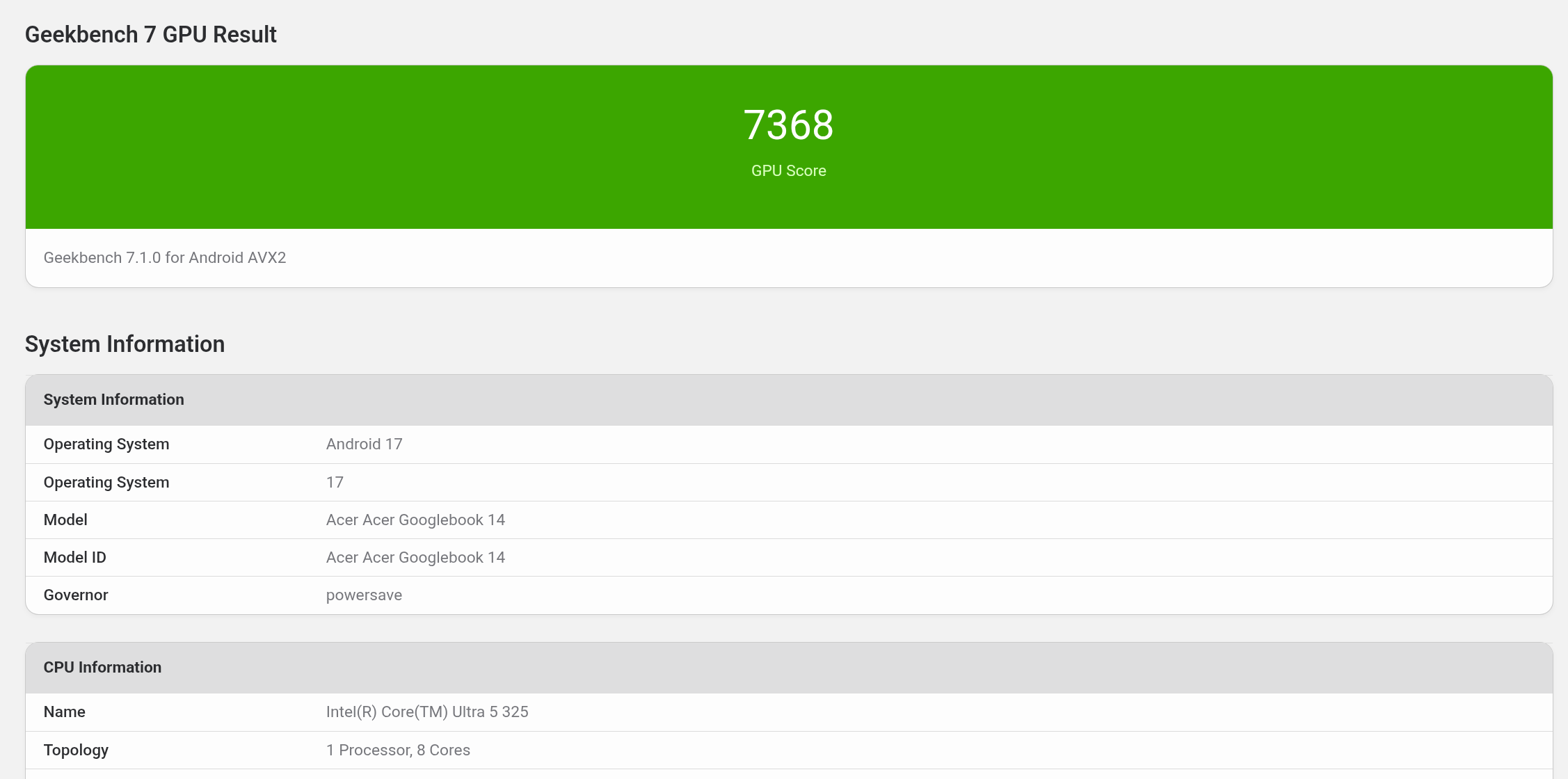
GPU results under Geekbench. © Clubic

GPU results under Geekbench. © Clubic

© Nathan Le Gohlisse for Clubic

© Nathan Le Gohlisse for Clubic

© Nathan Le Gohlisse for Clubic

© Nathan Le Gohlisse for Clubic

© Nathan Le Gohlisse for Clubic

© Nathan Le Gohlisse for Clubic

© Nathan Le Gohlisse for Clubic

Ultimately, the screen on this Acer Googlebook 14 is, as you might have guessed, very convincing. It will suit the most demanding users when it comes to image quality… even if the software environment constraints (as of today) strongly limit the appeal of this model to power users and creators.

Performance: just what’s needed, not much more

The Acer Googlebook 14 is—so far?—one of the two Googlebook models to rely on an Intel Panther Lake x86 processor, all the others using Qualcomm Snapdragon X Elite (first generation) ARM chips.

Unlike Windows, where ARM architecture still suffers a slight performance disadvantage (though the situation is gradually improving), the Googlebook OS environment is less comfortable with x86 processors than with ARM design. The reason is simple: Googlebook OS is built on the Android software stack… which was historically developed for mobile processors in smartphones, all of which are ARM-based.

Panther Lake isn’t at its best on Googlebook OS. © Nathan Le Gohlisse for Clubic

Panther Lake isn’t at its best on Googlebook OS. © Nathan Le Gohlisse for Clubic

According to Google itself, the device we’re looking at today suffers somewhat from performance that’s slightly behind its Snapdragon X Elite-powered peers, at least for certain Android apps that have not yet been properly optimized for the x86 architecture. A problem that Google and its partners will likely address over time, but one worth noting.

Before diving into the particulars, here is a quick recap of our Acer Googlebook 14 test configuration:

  • Intel Core Ultra 5 325 processor (8 cores / 8 threads clocked between 3.6 and 4.5 GHz, 25 W TDP and 12 MB cache) with integrated Intel Graphics (Xe3 4 cores up to 2.45 GHz) and a 47 TOPS NPU
  • 16 GB of RAM (LPDDR5X)
  • 256 GB PCIe Gen 4 M.2 SSD

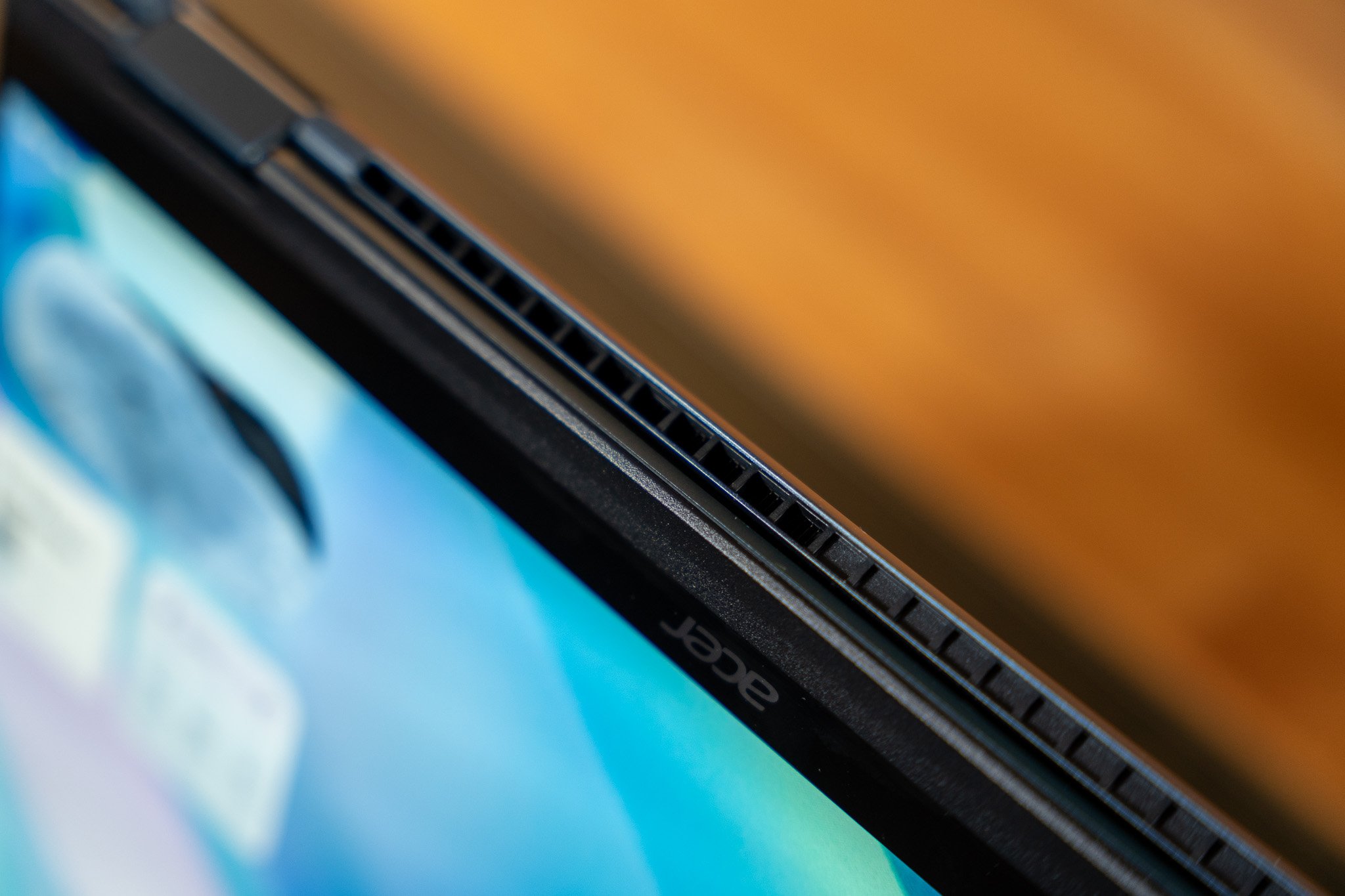
Let’s start with the device’s thermals. Unlike the excellent MacBook Air M5, the Googlebook 14 uses an active cooling system built around two small adjacent fans linked to a large heat pipe.

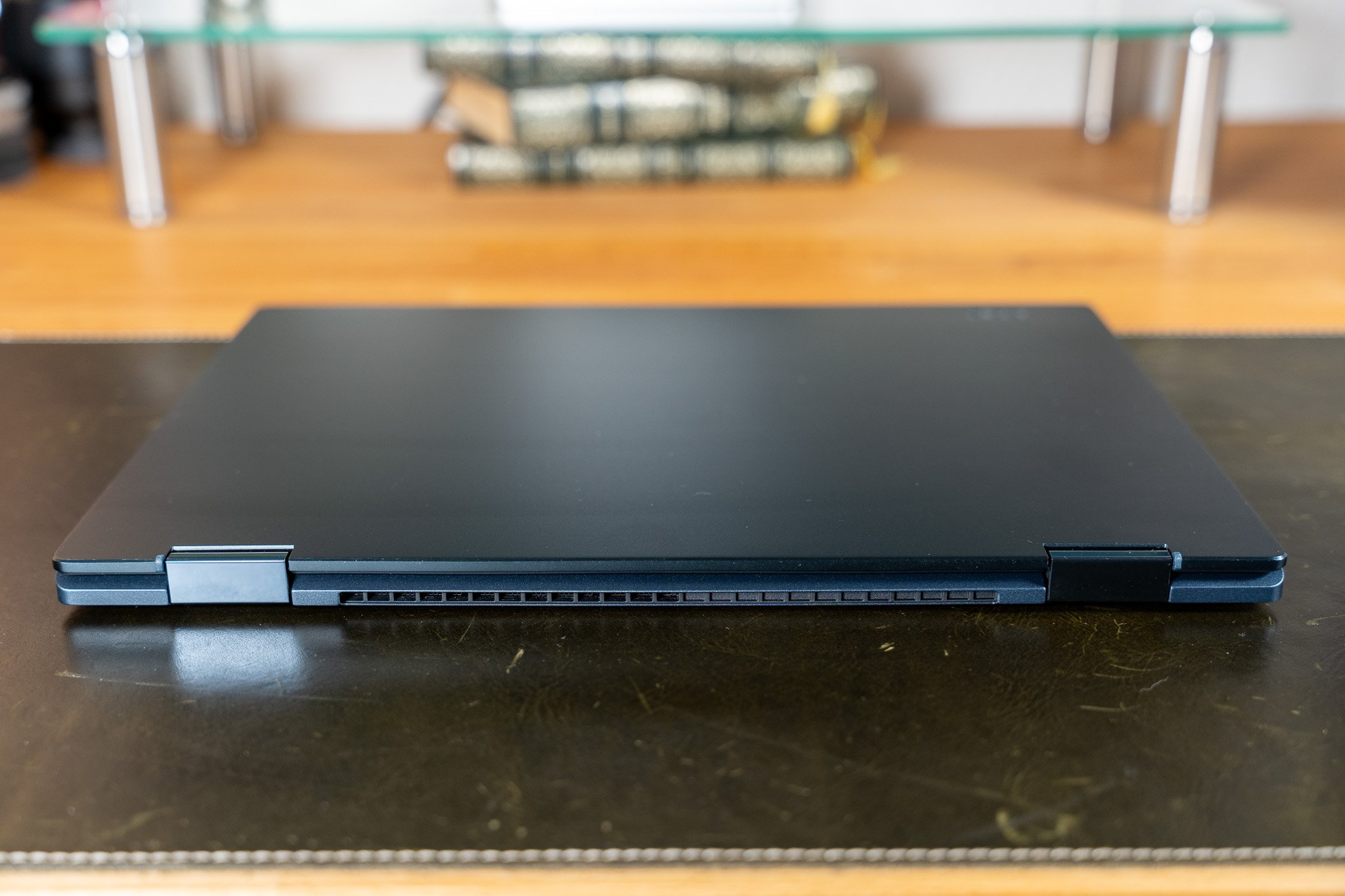
Hot air expelled through this grille. © Nathan Le Gohlisse for Clubic

Hot air expelled through this grille. © Nathan Le Gohlisse for Clubic

The inner workings of the Acer Googlebook 14. © Clubic

The inner workings of the Acer Googlebook 14. © Clubic

© Nathan Le Gohlisse for Clubic

© Nathan Le Gohlisse for Clubic

© Nathan Le Gohlisse for Clubic

© Nathan Le Gohlisse for Clubic

Whichever the case, the screen on this Acer Googlebook 14 is, as you’ve guessed, highly impressive. It will certainly satisfy the most demanding users when it comes to image quality… even if the software constraints (as of today) limit the appeal of this model for power users and creators.

Performance: just enough, not much more

The Acer Googlebook 14 is—so far?—one of the two Googlebook models to rely on an x86 Intel “Panther Lake” processor, with others using Qualcomm Snapdragon X Elite ARM chips.

Unlike Windows, where ARM architecture still has a slight performance disadvantage (though it’s gradually improving), the Googlebook OS environment is less comfortable with x86 processors than with ARM. The reason is simple: Googlebook OS is built on the Android software stack… which was historically developed for mobile processors in smartphones, all of which are ARM-based.

Panther Lake isn’t at its advantage on Googlebook OS. © Nathan Le Gohlisse for Clubic

Panther Lake isn’t at its advantage on Googlebook OS. © Nathan Le Gohlisse for Clubic

From Google’s own admission, the device under study today suffers slightly from performance that’s a notch lower than its Snapdragon X Elite peers, at least for Android apps that have not yet been fully optimized for the x86 architecture. It’s a concern that Google and its partners should be able to address gradually, but it was worth noting.

Before diving into the specifics, here’s a quick recap of our Acer Googlebook 14 test configuration:

  • Intel Core Ultra 5 325 (8 cores / 8 threads, 3.6–4.5 GHz, 25 W TDP, 12 MB cache) with Intel Graphics (Xe3 4 cores up to 2.45 GHz) and a 47 TOPS NPU
  • 16 GB RAM (LPDDR5X)
  • 256 GB PCIe Gen 4 M.2 SSD

Let’s begin with thermal performance. Unlike the excellent MacBook Air M5, the Googlebook 14 uses an active cooling system arranged around two compact fans, paired with a large heat pipe.

The hot air is expelled through this grille. © Nathan Le Gohlisse for Clubic

The hot air is expelled through this grille. © Nathan Le Gohlisse for Clubic

© Clubic

© Clubic

© Nathan Le Gohlisse for Clubic

© Nathan Le Gohlisse for Clubic

© Nathan Le Gohlisse for Clubic

© Nathan Le Gohlisse for Clubic

This setup is designed to be used sparingly and remains discreet in its operation. It’s worth noting that most Googlebook OS apps have been tuned for tablet use, so our Acer Googlebook 14 rarely lets its two fans roar to full speed. That’s a good thing. Cooling is moderate on this laptop, with a maximum of 48 degrees measured by our probe during an extended graphics stress test in 3D Mark. The fans stayed at about 34 dB at 40 cm from the screen—just a light murmur.

On the CPU performance front, we rely on Geekbench results, since Cinebench 2024 and 2026 benchmarks cannot be run on Googlebook OS. Our test unit with the Intel Core Ultra 5 325 sits, for the same CPU, two steps behind the Honor Magicbook 16 (2026) in single-core. The ASUS Zenbook 14 (2026) with Snapdragon X lags behind… but at a much lower price, while the MacBook Air M5 sits in a different league in both single-core and multi-core.

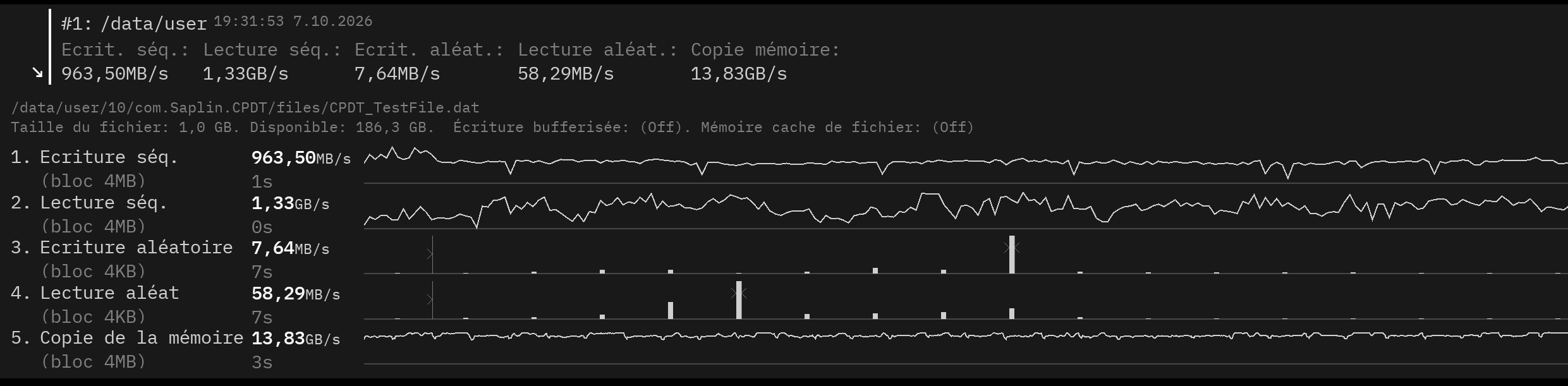
The SSD results. © Clubic

The SSD results. © Clubic

Résultats GPU under Geekbench. © Clubic

Résultats GPU under Geekbench. © Clubic

© Nathan Le Gohlisse for Clubic

© Nathan Le Gohlisse for Clubic

Geeksbench CPU scores. © Clubic

Geeksbench CPU scores. © Clubic
… (Content continues with further sections and figures, translated text continues similarly) …

Daniel Brooks

I cover everyday products with a practical eye, from kitchen tools and home essentials to smart gadgets and consumer trends. My goal is to help readers understand what is genuinely useful, what is worth the price, and what deserves a second look before buying.