

The rise of matcha is not driven solely by an aesthetic trend on social media. Its growing popularity rests on a concrete foundation: it offers a more sustained energy than coffee and is rooted in a centuries-old Japanese tradition where quality and ritual are essential.
According to Elsa Ramos Elías, an Ayurveda expert and international lecturer, interest in matcha makes sense when you understand what truly differentiates it from other stimulants. “Matcha is not simply ground green tea. By consuming the whole leaf, you obtain a higher concentration of antioxidants and a particular combination of caffeine with L-theanine that modulates its effect,” she notes.
Ramos Elías lived in Japan and developed her own matcha brand before dedicating herself fully to Ayurvedic practice. That experience allows her to analyze its current surge from cultural and physiological perspectives. She helps women who have lost their vital energy to heal their body, mind, and emotions through this ancient science that offers practical and timely solutions to the challenges of modern life.
Steadier Energy and Mental Clarity
Unlike coffee, matcha combines caffeine with L-theanine, an amino acid that promotes a more gradual release. This usually translates into greater mental clarity and less of a nervous feeling or post-caffeine crash.
It can be especially useful for those who want to start their day in the morning without the abrupt stimulation that coffee sometimes causes. “A gradual stimulant is generally better tolerated than an abrupt one, especially when sustained concentration is sought,” explains Ramos Elías.
For people sensitive to caffeine or light sleepers, it is advisable to consume it in the morning. Although its effect is more stable than coffee’s, it remains a stimulant and can interfere with rest if taken late.
Those with delicate stomachs may tolerate it better when accompanied by a small breakfast rather than drinking it on an empty stomach. This is not about automatically replacing coffee, but about integrating matcha with discernment.
Some Matcha You Can Buy Online
Ceremonial Premium Organic Japanese Green Tea Matcha Powder Moya
A premium-grade Japanese green tea, made from shade-grown young tencha leaves. Its stone-ground processing preserves antioxidants, chlorophyll, and L-theanine, responsible for sustained energy and a calming effect. With a smooth, vegetal and slightly sweet taste, it is ideal for preparing traditional matcha or incorporating into daily wellbeing rituals. A perfect option for those seeking concentration, balance, and a natural vitality boost.
Premium 100% Organic Matcha Tea Matcha & CO
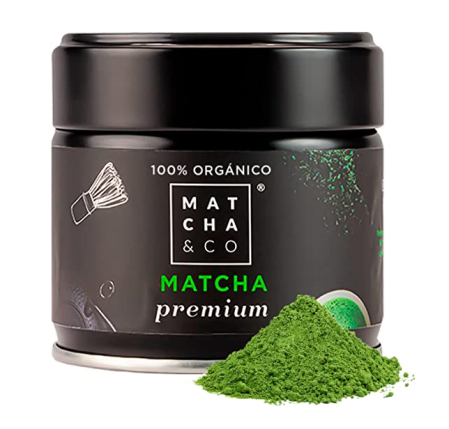
Ideal if you want to begin in the ceremonial matcha world. This organic matcha comes from Uji, in Kyoto, one of Japan’s most prestigious regions for tea cultivation. Rich in antioxidants, it provides sustained energy, supports metabolism, and can help balance blood sugar levels. Its flavor is intense and pure, perfect to enjoy with water alone or blended with plant-based drinks. Cultivated sustainably and stone-ground, it preserves the quality and authenticity of traditional Japanese matcha.
Ceremonial Matcha Tea 30g & 100g Premium Organic Nawo
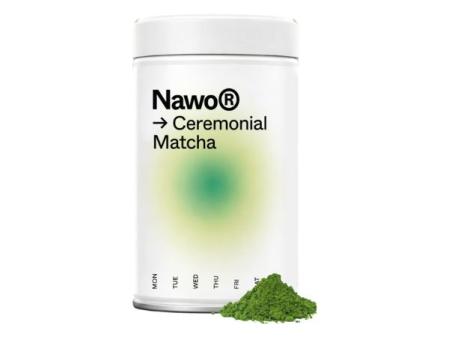
Nawo ceremonial matcha is an organic premium matcha, crafted from carefully selected green tea leaves and stone-ground to preserve their nutrients. It stands out for its high antioxidant content, its ability to provide sustained energy and foster concentration. With a soft, vegetal and balanced flavor, it is ideal for preparing traditional matcha or incorporating into daily wellness routines. Available in 30 g and 100 g formats.
How to Choose a Quality Matcha
The color should be a vivid, bright green, never dull or brownish. The aroma should be fresh vegetal and the flavor balanced, with no excessive bitterness.
The Uji region has historically been associated with the highest quality production. In today’s market, interesting organic-origin options can be found within the ceremonial category. As in the coffee world, connoisseurs prefer premium matchas enjoyed prepared with only water.
The Ritual Also Influences
Matcha originates from the tea ceremony, where its preparation, a ritual in which time stands still, is an essential part of the experience. “Preparing it correctly changes perception. The gesture of whisking it until you achieve a foamy texture turns consumption into a small daily ritual,” explains Elsa Ramos.
The water temperature is decisive: between 70 and 80 °C. Boiling water intensifies bitterness and alters the flavor profile. With the right ceremony set (as the one you will find below) you can recreate your own tea ceremony at home or in the office. Incorporating these details transforms consumption into a more conscious experience and closer to its original tradition.
Five-Piece Matcha Whisk Set
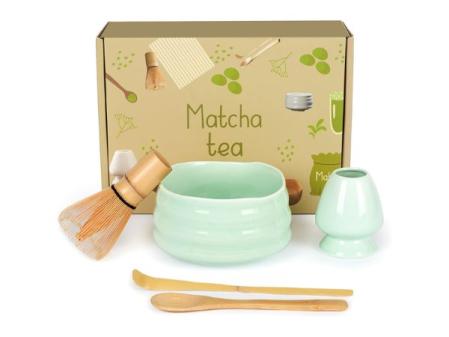
This premium ceremonial matcha set includes seven essential pieces to prepare the tea following the traditional Japanese ritual. The set features a handcrafted bamboo whisk, a chashaku scoop, a ceramic chawan bowl with a pouring spout, ceramic holders, a chakin cloth, and a sifter to achieve a fine, lump-free texture. Made from natural bamboo and high-quality food-grade ceramic, it allows you to enjoy matcha as a genuine wellness experience. Its careful presentation also makes it a perfect gift for matcha lovers and tea-culture enthusiasts.
Would You Like to Cook with Matcha?
For recipes, smoothies, or pastries, the culinary matcha profile is the most suitable due to its more intense flavor. Unlike ceremonial varieties, this type of matcha uses leaves of different quality, giving it a stronger taste and a less bright color, while preserving its antioxidant content.
Culinary Matcha Tea Matchaflix
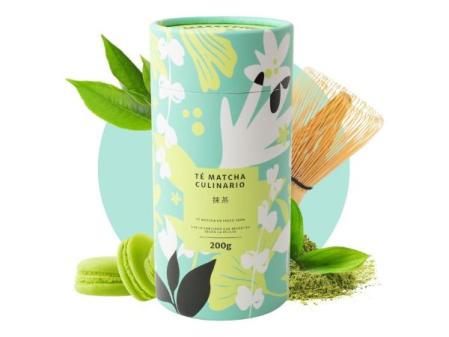
This culinary matcha is ideal for those looking to incorporate the benefits of green tea into their daily diet. Rich in antioxidants, it provides sustained energy without causing jitters and contributes to overall well-being. Its intense flavor makes it a perfect ingredient for recipes such as smoothies, desserts, or healthy bowls. Made from 100% matcha tea, it offers premium quality and kitchen versatility.
In this context, it is worth remembering that adding a healthy ingredient to a dessert or drink with an excess of refined sugars does not automatically make it beneficial. “The value of matcha lies in its natural combination of energy and antioxidants. Turning it into an overly sweet beverage undermines part of its potential,” comments Elsa Ramos Elías.
Integrating It with Balance
The ideal time to consume matcha is in the morning or mid-morning. The so-called superfoods do not replace rest or fix an unbalanced lifestyle, but they can be a steadier option for those who want to cut back on coffee without giving up that extra energy.
Its current popularity has a solid foundation. The combination of antioxidants, a gradual energy release, and cultural tradition give it a distinct identity within the wellness market.
When well selected and properly prepared, “matcha can become a more conscious and balanced way to start the day than traditional coffee,” concludes Ramos.