

For years, cholesterol has been singled out as a major factor when discussing cardiovascular health. Today, social media confuses us with conflicting information that can lead to confusion. Not all cholesterol is the same, nor is its impact on our body as simple as a single elevated number on a test. “LDL cholesterol is not the enemy,” says Dr. Sanagustín. “To understand the real risk of suffering a cardiovascular event, we must analyze all types of cholesterol and the balance between them.”
Alberto Sanagustín clarifies that cholesterol is an essential fat-like substance necessary for life. Our body needs it for fundamental functions such as:
- Form part of cell membranes
- Participate in hormone production
- Be involved in vitamin D synthesis when the skin is exposed to sunlight
- Enable the formation of bile acids, essential for fat digestion
- Support the proper functioning of the brain and the nervous system
Lipoproteins: the real protagonists
“The problem isn’t total cholesterol. That number alone doesn’t alert us to anything nor should it lead us to prescribe medication without a full lipid profile analysis,” notes the specialist. Cholesterol doesn’t travel alone in the bloodstream, but attached to particles called lipoproteins. And here is where the true key to understanding cardiovascular risk begins.
Total cholesterol offers a global, yet incomplete view. For a proper assessment, it’s necessary to analyze the detailed lipid profile, which includes:
- LDL (low-density lipoprotein): transports cholesterol from the liver to the tissues.
- HDL (high-density lipoprotein): collects cholesterol from the tissues and returns it to the liver for elimination.
- VLDL: mainly transports triglycerides from the liver to the tissues; when elevated, it promotes the formation of atheromatous plaques in the arteries.
- Lipoprotein(a): one of the fractions with the greatest impact on cardiovascular risk, linked to atherosclerosis, clots and thrombosis. “It does not usually respond to changes in lifestyle,” explains Dr. Sanagustín.
Healthy living… and something more
One of the most frequent questions among patients is whether a healthy lifestyle completely protects against high cholesterol. The answer is clear: not always. “A very elevated LDL remains a risk factor,” warns Dr. Sanagustín. “Hypercholesterolemia can have a genetic origin, even in people who maintain a balanced diet and exercise.”
Familial hypercholesterolemia is a hereditary condition that is usually detected in adolescence and can trigger cardiovascular events in very young people if not diagnosed and treated in time.
When we talk about elevated cholesterol, it’s important to clearly differentiate risk profiles. Dr. Alberto Sanagustín emphasizes this: in people with high cardiovascular risk, with metabolic syndrome, obesity, diabetes or other associated factors, statins are fully justified and should not be demonized.
Statins have robustly demonstrated their ability to reduce cardiovascular events and save lives. Therefore the debate is not statins yes or no, but in which patients they are indicated and in whom an alternative or supplementation support can be considered. In healthy individuals, without other relevant risk factors, but with moderately altered LDL, supplementation can be a useful tool, always under medical supervision.
Red Yeast Rice
Among supplements with the strongest scientific backing is red yeast rice. This supplement contains monacolin K, a substance with a mechanism of action very similar to that of statins. Precisely for that reason, Dr. Sanagustín emphasizes the need for caution: in some healthy people it can cause side effects similar to statins, such as muscle discomfort or liver issues. It is not a harmless product and should not be taken without monitoring.
Nutralie Red Yeast Rice Capsules
Red Yeast Rice Complex is a supplement that provides monacolin derived from red yeast rice, together with plant sterols and coenzyme Q10, nutrients related to cholesterol metabolism. Its formula is completed with vitamins C, E and niacin, as well as plant extracts such as garlic and sage.
Zenement Red Yeast Rice
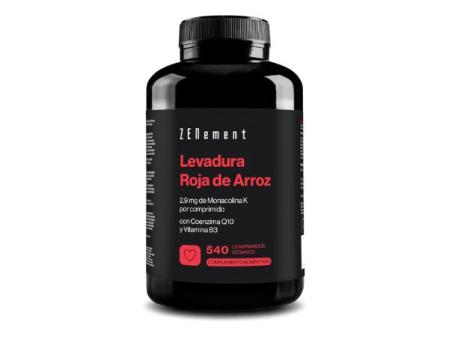
This red yeast rice supplement has been adapted to the new European regulation, adjusting the dose to 2.9 mg of monacolin K per tablet and increasing the number of units per package. The formula is reinforced with coenzyme Q10 and vitamin B3, nutrients that support energy metabolism.
Berberine
Other supplements groups notably recommended are plant sterols. These substances, naturally present in plant-based foods, help reduce intestinal cholesterol absorption, which can translate into a reduction of LDL cholesterol. Their safety profile is good and they are often an interesting option as a dietary supplement. In addition, growing scientific evidence is accumulating on other compounds such as berberine, with positive effects on lipid metabolism and insulin sensitivity.
Pure Berberine 800mg natural by Be Levels
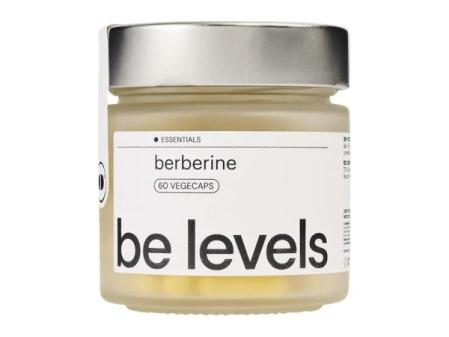
BeLevels berberine is a plant-based supplement used to support glucose and lipid metabolism. Scientific evidence suggests it may help improve insulin sensitivity and reduce LDL cholesterol and triglycerides in certain profiles. It comes in vegetable capsules, with a formulation designed for regular use.
Psyllium
Psyllium is a soluble fiber that helps reduce cholesterol absorption and improves the lipid profile.
Natural Organic Psyllium Husk
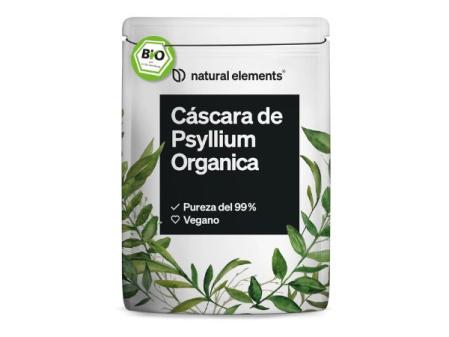
Psyllium husk is a natural source of soluble fiber, essential for proper intestinal function and digestive well-being. Its high fiber content helps improve transit, promote satiety, and support cholesterol metabolism. It can be taken in versatile ways, mixed with water, yogurt, or foods. It comes from organic farming, is vegan, and free from unnecessary additives.
Omega 3
Finally, omega-3 fatty acids deserve a special mention. Supplementation has shown to reduce cardiovascular risk, though this does not necessarily lower LDL cholesterol. There is clear evidence for triglyceride reduction, a key factor in metabolic and cardiovascular health.
Omega 3 by Be Levels
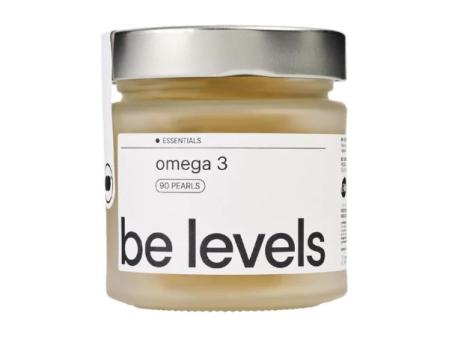
Be Levels Omega-3 provides DHA, an essential fatty acid that supports brain function, memory, and concentration, and supports mental health. It is made from IFOS-certified fish oil, sourced from sustainable origins and processed to maintain freshness and efficacy. Its anti-inflammatory properties aid joint and skin health, and it also contributes to eye health. It is especially useful during pregnancy and breastfeeding due to its role in the cognitive and visual development of the baby.
Although the results of these supplements are promising, Dr. Sanagustín reminds us that they do not replace medical treatment when indicated, but can act as support in selected cases. Another major myth about cholesterol concerns its relation to food. According to Dr. Sanagustín, 80% of cholesterol is produced by our own liver, while only 20% comes from the diet.
And eggs? “In healthy people, they do not increase risk at all,” clarifies the specialist. “The liver perfectly regulates the entry of cholesterol.” That said, in people with genetic abnormalities of lipid metabolism, the diet must be individualized, especially regarding trans fats. “Cholesterol is not an enemy, but a marker that we must know how to interpret,” concludes Dr. Sanagustín. Understanding it is the first step to prevent cardiovascular diseases with sound judgment and without alarmism.
Therefore, beyond demonizing a single figure, the key message is the global assessment of cardiovascular risk, taking into account genetics, lifestyle, other metabolic factors, and the balance among the different lipoproteins. If you have or think you have any condition, you should always consult your usual health care professional.