

The sudden heat, night awakenings, or that sense of an “internal fire” that many women describe during menopause are not imaginary nor mere hormonal misalignments. Behind hot flashes lies a complex neurophysiological mechanism in which the brain plays a decisive role. The consequence? The body interprets minor temperature changes as an excess of heat and triggers an emergency response that leads to sweating, vasodilation, and a feeling of extreme heat.
There are women who describe hot flashes as a sudden wave of heat. Others speak of anxiety, night sweating, or constant awakenings. Although each experience is different, the truth is that hot flashes remain one of the most frequent—and most disabling—symptoms of menopause. And despite that, there is still a lot of confusion about what actually provokes them.
Where Do Menopause Hot Flashes Come From?
“Hot flashes in menopause appear because the brain becomes hypersensitive,” explains Edgar Barrionuevo, a nutritionist specializing in menopause. A phrase that captures very well what happens inside the female body during this life stage. “The thermostat isn’t broken,” he warns.
According to the expert, the main protagonist is the hypothalamus, a small region of the brain responsible for regulating essential functions such as sleep, body temperature, and multiple hormonal signals. “It’s the body’s thermometer,” he notes. Its job is to keep internal temperature stable by activating compensatory mechanisms when it detects changes: sweating, vasodilation, or heat release.
The problem arises when the hormonal drop typical of menopause alters the functioning of this system. “Estrogens don’t just regulate the menstrual cycle. They also have a very important impact on the hypothalamus,” Barrionuevo explains. When these levels decline, the brain loses part of that neuroendocrine stability and the thermal tolerance margin narrows significantly. “Any minor variation in temperature is interpreted as a heat excess,” he adds. And that’s where the flush appears.
Far from being a random failure of the body, the specialist insists that it is a physiological defense response. “The hot flash is an attempt by the body to release heat,” he affirms. The body then triggers a sudden vasodilation, increases sweating, and generates that intense heat sensation that can last from seconds to several minutes. But hormones are not the only ones responsible.
What Can These Hot Flashes Be Triggered By?
Stress plays a much more important role than many women imagine. When the nervous system remains on constant alert, hormones such as cortisol and noradrenaline rise, two substances directly related to brain activation. “These hormones further narrow the sensitivity of the hypothalamus,” explains the expert.
That is why hot flashes tend to intensify during periods of anxiety, mental overload, or lack of rest. It’s also common for them to appear at night or be accompanied by nocturnal awakenings. “The body reacts more, corrects less, and amplifies signals,” he summarizes.
To this adds another key change: the decline of progesterone. During menopause this hormone drops markedly and that directly affects GABA, one of the neurotransmitters related to calm and brain relaxation. “When progesterone decreases, one of the calm neurotransmitters also decreases,” Barrionuevo explains.
The result is a more reactive nervous system, more sensitive and less able to self-regulate. That’s why, to alleviate hot flashes, the expert considers it essential to act on the nervous system and not only on the symptoms.
What Can We Do to Prevent Hot Flashes?
The first step is to reduce the basal activation of the body. “We must avoid anything that the body perceives as a threat or as sustained stress,” he notes. And here enters a topic that often sparks debate: prolonged fasting or excessive restrictions.
The nutritionist clarifies that not all women react the same, but insists that context matters a lot. “If someone experiences fasting from a perspective of requirement, stress, or constant exertion, that can activate the stress axis even more and worsen the symptoms,” he explains.
Overnight rest also becomes a key piece. Reducing exposure to screens and bright light at night promotes the production of melatonin, a hormone closely related to cortisol. “They work like a seesaw,” the expert notes. When melatonin rises properly at night, cortisol decreases and the nervous system stays more stable.
Another interesting tool is the activation of the parasympathetic nervous system, responsible for inducing calm and relaxation. How to achieve it? Through deep breathing, mindful pauses, or habits that stimulate the vagus nerve. “When we activate the parasympathetic system, noradrenaline and cortisol decrease,” he explains. Exercise should also be reviewed during this stage. Yes, movement helps, but not in just any way.
“Movement can be regulatory or fuel for the fire,” warns Barrionuevo. Moderate exercise improves insulin sensitivity, supports hormonal balance, and contributes to healthier vasodilation thanks to nitric oxide production. However, excessively intense exercise—especially at night—can trigger cortisol and worsen vasomotor episodes.
Magnesium
Regarding supplementation, the specialist highlights the role of magnesium in particular. He recommends between 200 and 400 milligrams daily, preferably in highly absorbed forms such as glycinate (bisglycinate), to favor the balance between excitatory and relaxing neurotransmitters.
3-in-1 Magnesium Complex: Glycinate, Malate, and Taurate from Ancient + Brave
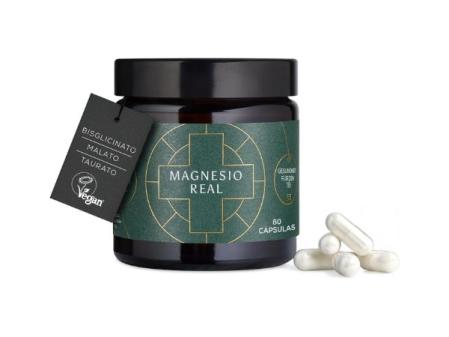
High-absorption magnesium complex with glycinate, malate, and taurate, formulated to optimize absorption and maintain adequate magnesium levels. Its combination with vitamin B6 supports the normal functioning of the nervous and muscular systems, making it ideal for active people and athletes. It also includes high-quality patented ingredients such as Albion and ATA Mg for better efficacy and post-exercise muscle recovery.
Magnesium Bisglycinato Plus by SURA VITASAN
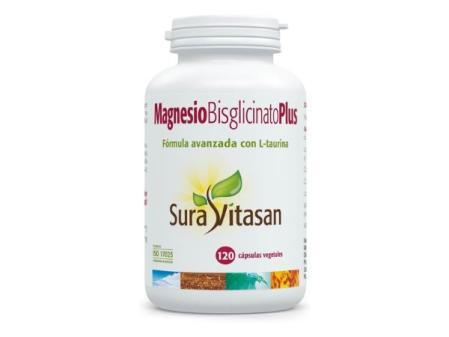
Magnesium supplement formulated with highly absorbed bisglycinate and taurine, a combination designed to improve absorption and enhance its benefits in the nervous and muscular systems. Its 300 mg of elemental magnesium helps reduce fatigue, maintain daily energy, and support muscular and bone health. Moreover, its vegan formula and gluten- and dairy-free composition make it an ideal option for those seeking a high-quality supplement with easy digestion.
Omega 3
Omega-3 can lower inflammatory cytokines. Here we are talking more about EPA, although DHA helps regenerate the nervous system. A daily intake of about 1000 to 2000 mg.
Omega 3 IFOS and Friends of the Sea by Belevels
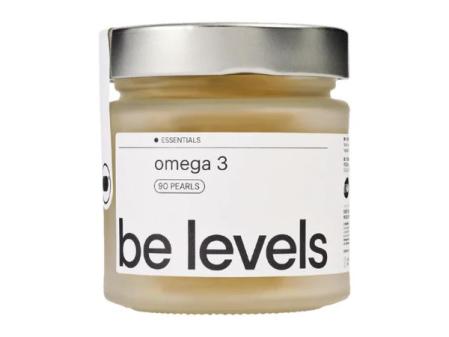
High-quality Omega-3 with DHA and EPA, formulated to support brain function, memory and concentration, helping to maintain good cognitive performance and mental balance. Thanks to its anti-inflammatory properties, it also supports joint health, skin, and vision. Made with fish oil certified by IFOS and Friends of the Sea, it guarantees purity, freshness, and absence of heavy metals.
Omega 3 by Nutralie
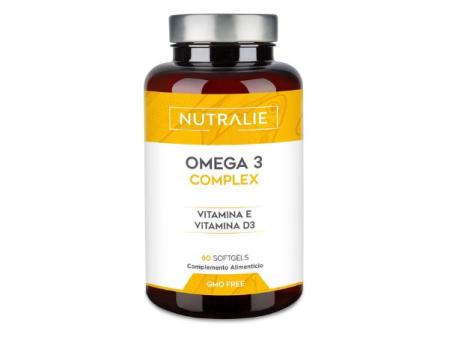
Omega-3 Complex with a high concentration, delivering 1,433 mg of Omega-3 per daily dose, including elevated levels of EPA and DHA to support normal heart function and overall well-being. Its formula is complemented with vitamin D and vitamin E, adding extra support for the immune system and antioxidant protection. Made with fish oil certified by IFOS and purified with advanced technology, it guarantees quality, purity, and excellent bioavailability.
Glycine
We know that taking 2–3 grams a day helps the function of GABA and glutamate.
Glycine Powder from HSN
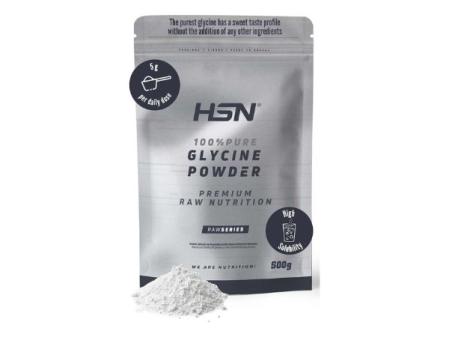
Glycine powder, 100% pure and vegan, produced without additives or blends to offer a clean, high-quality supplement. Its naturally sweet taste makes it easy to add to water, coffee, infusions, or shakes without artificial sweeteners. Thanks to its excellent solubility and fine texture, it mixes quickly and smoothly, making daily use comfortable. In addition, each batch undergoes strict purity and safety controls to guarantee a reliable and effective product.
Understanding what happens inside the body during menopause changes the way we approach it completely. And perhaps one of the most reassuring ideas is precisely that: the body isn’t failing. It’s simply trying to adapt. All of this should be supervised by a professional to evaluate your individual case, although we know that supplementation has scientific evidence in menopausal women with problematic symptoms like hot flashes.