
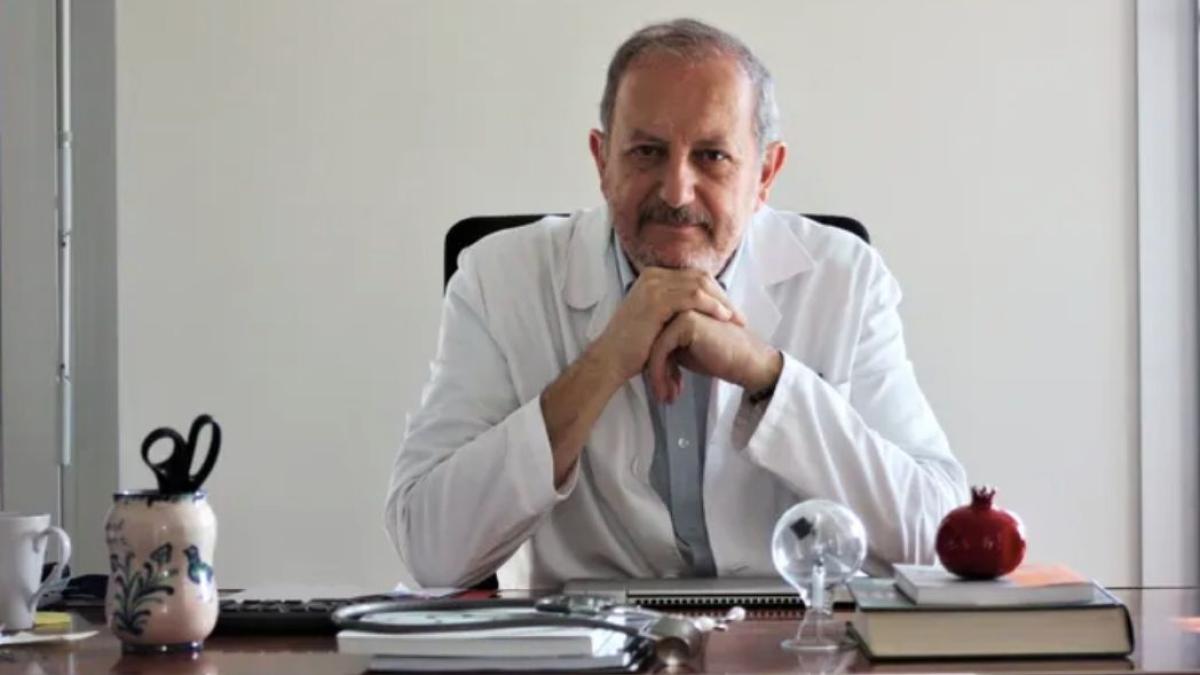
Nicolás Olea is one of the world’s leading pioneers in the study and investigation of endocrine disruptors and health. To understand him, one could use a simple analogy: free radicals attack our cells and endocrine disruptors attack our hormones. Dr. Olea is unequivocal: “A large part of modern diseases are linked to our daily exposure to invisible chemical substances.”
“Environmental exposure is responsible for the loss of health of many people and for very serious illnesses at increasingly early ages,” he warns. A profoundly troubling problem that is present in the kitchen, in the bedroom, in clothing and even in the water we drink. In fact, he has a book in which he explains it all.
Nicolás Olea is one of the world’s foremost experts in the fight against endocrine disruptors. His work serves as a reference for many other researchers. The full truth about chemical contaminants and how they act in our bodies, as well as the mechanisms to protect our health and that of our loved ones. A exposé-style book that uses humor and irony.
The Kitchen: The First Battleground
If there were a specific place to begin, Olea makes his position clear: the kitchen. “You must eliminate plastic from the kitchen urgently. Plastic is a dead end,” he asserts. Microplastics have already been detected in human organs and in plaque. The strategy, he says, is not fear but information: learning to say no when there are viable alternatives.
The researcher points especially to perfluorinated compounds, present in non-stick pans, cosmetics, stain-resistant textiles, or even dental floss. The problem isn’t minor: once they enter the body, they are almost impossible to remove or metabolize.
“The older you are, the more we find in the blood,” he explains. Interestingly, he adds, pregnancy and lactation act as biological “miraculously cleansing” processes for these compounds. His recommendation is direct:
- Replace non-stick pans with iron, stainless steel, or metals.
- Avoid silicone molds: they release chemical compounds when heated.
- Use glass or ceramic for cooking and storing foods.
- Do not reuse plastic bottles or heat them in the microwave.
“Don’t wait 20 years to be told that silicones make you sick,” insists Olea. The microwave, he clarifies, isn’t the problem: “The risk appears when plastics or silicones inside are heated.”
BRA Efficient Inox Pan
The BRA Efficient Inox is a stainless steel pan, designed for those who want to leave behind traditional nonstick coatings and cook in a more professional and durable way.
Airtight Containers Igluu Meal Prep
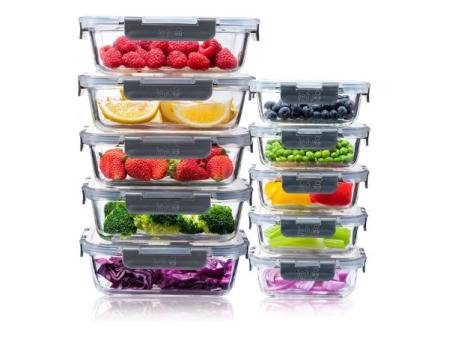
If there is a simple change with a real impact on daily exposure to chemicals, it is replacing plastic Tupperware with glass containers. These containers are designed to prepare, store, and reheat food without unwanted transfers to the food.
Glass Jars with Bamboo Lid FoiiLiio 9PCS
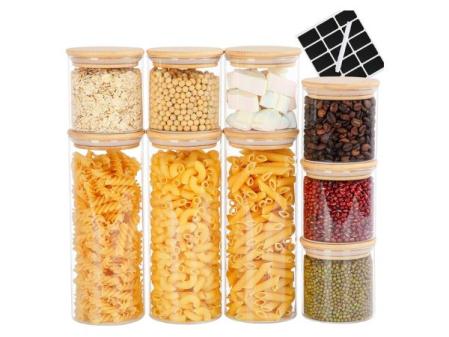
Removing plastic packaging from daily storage is one of the simplest changes to reduce exposure to chemicals. This glass jar set opts for neutral, durable, and visually organized materials.
Glass Bottle with Lid
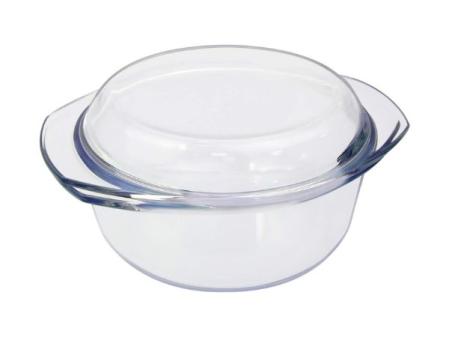
If the aim is to reduce exposure to synthetic materials in the kitchen, tempered glass cookware is one of the safest options. They do not contain nonstick coatings nor release substances when heated. Glass also allows you to monitor cooking without opening the oven, preserving temperature and moisture.
Endocrine Disruptors: Why They Affect Women More
Endocrine disruptors are substances capable of mimicking or blocking human hormones. And their impact is not the same for everyone. “They affect women more for simple biology and they are much more exposed, and so do their placentas and babies,” explains the expert. According to Olea, estrogenic exposure during the early stages of pregnancy can even determine the future fertility of the child. The paradigmatic example was bisphenol A (BPA), present in polycarbonate baby bottles until its prohibition in 2011. But what about all those children who were fed with those bottles?
The researcher has been leading for decades unique epidemiological studies in Europe: “We have analyzed 1,500 placentas in Spain and conducted analyses and tests on those children for twenty years. They have been sentinels of chemical exposure,” he says.
The observed results include:
- Higher rates of attention deficit and hyperactivity, earlier puberty in girls, neurobehavioral alterations.
- An increasing association between pesticides detected in children’s urine and neurobehavioral problems.
“It’s not a coincidence either that there is a rise in perimenopausal breast cancer in women under 50,” he asserts. Many patients without genetic cancer complain about the neglect from their doctors after completing cancer treatment. “Claps, pats on the back, and not a single recommendation to avoid having to go through something like that again,” laments Nicolás Olea.
Pesticides: the Problem Spain Leads Europe In
Spain is, according to Olea, the European country that uses the most pesticides: “Europeans are exposed to alarming concentrations of environmental pollutants. Spain leads in toxic pesticides.”
The European Union aimed to reduce usage by 50% before 2030, but the legislation stalled. For the scientist, it was a missed opportunity. The practical advice isn’t about chasing an impossible ideal, but about reducing exposure whenever feasible:
- Prioritize fresh and local foods
- Thoroughly wash fruits and vegetables
- Vary the diet to avoid accumulations
100% SterilOx Food Hygiene
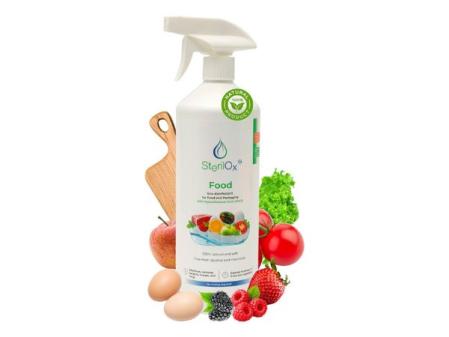
This sanitizer uses hypochlorous acid (HOCl), a substance naturally present in our own immune system to combat microorganisms. It allows cleaning foods and surfaces without resorting to aggressive disinfectants or leaving chemical residues.
The Modern Home: Our House Is Full of Toxins
One of the researcher’s most uncomfortable messages directly targets our homes: “Our houses are pure petroleum.” PVC laminate floors, polyester curtains, melamine furniture, or synthetic paints generate continuous chemical exposure in closed spaces… what experts call indoor contamination.
“People are obsessed with zero-kilometer food, and no one questions where the materials of their home come from,” he notes. Reducing synthetic textiles, daily ventilation, or choosing natural materials when possible are small decisions with cumulative impact.
Cotton ARTean Bedding Set

We spend nearly a third of our life in bed. Choosing natural, breathable textiles not only improves comfort but also reduces continuous contact with petroleum-derived synthetic fibers found in many fabrics today. Available in all sizes.
Fish and Water: Three Everyday Decisions
Olea also dismantles some habits believed to be healthy. Regarding fish, he unhesitatingly favors small, locally sourced options: sardines, anchovies, or mackerel. Limit large marine predators. Special caution about cheap canned tuna due to its mercury load.
Regarding water, the researcher challenges another popular myth: “It’s always better to drink tap water.” He reminds us that Europe has some of the world’s strictest sanitary controls and that abandoning public water in favor of bottled water unnecessarily increases plastic exposure.
Stainless Steel Faucet Water Faucet Waterdrop WD-FC-06
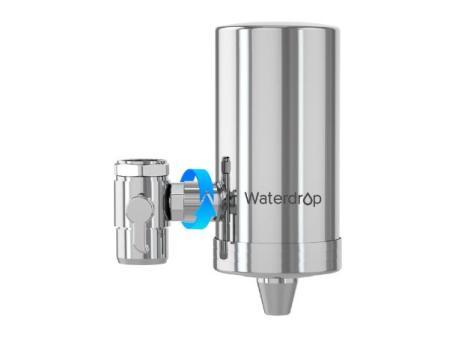
This Waterdrop faucet filter offers high-efficiency filtration that reduces chlorine by up to 98% and lowers lead, sediments, rust, fluoride, and other substances, while also adding beneficial minerals to the water. Each cartridge filters up to 1,200 liters (about 320 gallons), with a fast flow of 0.5 gpm that fills a glass in seconds and an approximate lifespan of about 3 months. Its Food Grade 304 stainless steel, leak-proof, and corrosion-resistant body, and the 360° rotating faucet make it sturdy, elegant, and very comfortable to use in the kitchen, bathroom, or even for pets’ water or caravans, with tool-free installation and WD‑FF‑03A replacement cartridges easy to find.
European public water is safe, but it can contain chlorine, sediments, or trace metals from pipes. Domestic filters can improve taste and quality without resorting to bottled water, reducing plastic and waste.
The good news, Olea insists, is that prevention works and is much cheaper than treating diseases once they appear. Apps like Yuka or INCI Beauty allow you to check the ingredients of cosmetics and everyday products and start making informed decisions.
Because, in the words of the scientist himself: “Daily exposure to environmental toxins is pernicious to health. Almost no one knows what we are exposed to. We are not informed nor do we worry about knowing what happens.”
The final message isn’t alarmist but deeply practical: we cannot control all toxins, but we can control many of those that enter our lives every day. And there—in the sum of small, everyday choices—may lie the true preventive medicine of the 21st century.