

Rising temperatures, humidity and sweat disrupt the skin’s balance, causing many people to notice oilier, shinier, or congested skin. Pores can appear more visible, makeup lasts for less time, and the sensation of heaviness intensifies as the day goes on. In this context, it is not surprising that those with oily, combination, or acne-prone skin may view sunscreen as a step to skip or even as counterproductive.
For years, sunscreens carried a reputation for being dense, sticky, and difficult to integrate into a comfortable daily facial routine, especially in warm climates. Many people avoided applying them daily because they felt they increased excess sebum or worsened the appearance of the skin. However, sun care has evolved notably in recent years, and today there are formulations specifically designed to meet the needs of these skin types.
Far from being heavy, the new sunscreen products stand out for their ultralight textures, invisible finishes, and formulas capable of controlling shine without drying out. The goal is no longer solely to protect against solar radiation, but to do so in a comfortable way, compatible with daily life and adapted to different skin types.
In the case of oily and combination skin, finding the right texture is key to ensuring consistency in use. Experts agree that the best sunscreen is, in fact, the one you feel like wearing every day. For this reason, many current formulas incorporate mattifying finishes, a dry-touch feel, and rapid absorption that avoids the traditional greasy sensation associated with SPF.
Additionally, it is increasingly common to find non-comedogenic products formulated not to clog pores or promote the appearance of blemishes. This point is especially important for acne-prone skin, where any overly occlusive product can generate immediate rejection.
5 Recommended Facial Sunscreens:
ISDIN Magic Repair Fusion Water Color SPF 50 Sunscreen
The ISDIN Magic Repair Fusion Water Color SPF 50 sunscreen uses a very light formula, non-comedogenic, mineral oil-free and fast-absorbing, which makes it a highly suitable option for oily or combination skin. In its tinted version, it helps even out the skin tone and can be used as a lightweight alternative to foundation.
In addition, this sunscreen provides broad SPF50 protection against UVB, UVA and blue light, and features a triple anti-aging action that helps protect, repair and reverse signs of photoaging.
Anthelios Uvmune400 Invisible Fluid SPF50+ Fragrance-Free by La Roche-Posay
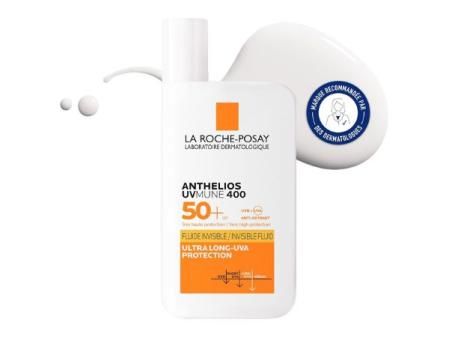
Using a light, non-greasy and fragrance-free formula, the Anthelios Uvmune400 Invisible Fluid SPF50+ from La Roche-Posay offers broad protection (SPF50+) for daily use, minimizing irritation risks. With Netlock technology, its microdroplets combine to ensure strong and uniform protection against UVA, UVB, infrared rays, and pollution, resisting adverse conditions such as sweat, water, and sand.
Heliocare Gel Oil Free SPF50+ 50ML
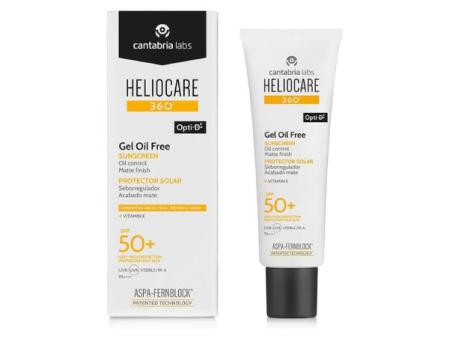
The Heliocare Gel Oil Free sunscreen, in gel form, includes mattifying and sebum-regulating agents to guarantee a dry, shine-free finish. Its lightweight, oil-free, non-comedogenic formula has been dermatologically and ophthalmologically tested to ensure high skin tolerance.
Additionally, it combines physical and chemical filters to offer broad SPF50+ protection against UVB, UVA and infrared light.
ISDIN Gel Cream Dry Touch SPF50+ 50ML
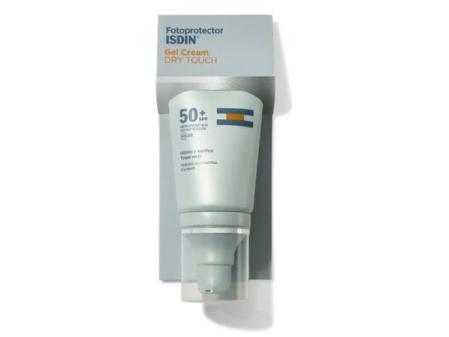
The ISDIN Gel Cream Dry Touch offers very high protection (SPF50+) against UVB/UVA while helping to mattify the skin, leaving a dry, shine-free finish. An option especially suitable for daily use on skin prone to excess sebum.
Its gel-cream texture is very light and absorbs quickly without leaving a greasy feel. It is non-comedogenic—so it does not clog pores—, water-resistant, and dermatologically tested to ensure good skin tolerance.
Eucerin Sun Face Oil Control SPF50+ Medium Tint 50ML
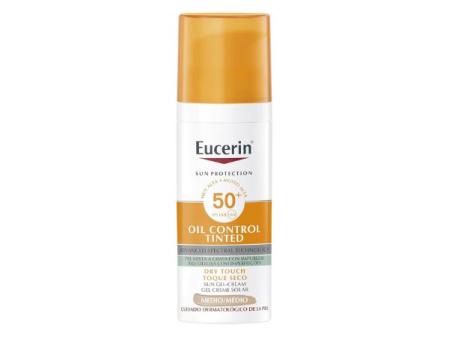
The Eucerin Sun Face Oil Control SPF50+ Medium Tint 50 ml, with color coverage, provides very high SPF50+ protection against UVA, UVB and high-energy visible light, while helping to even out skin tone and give a healthy-looking glow. Thanks to its sebum-control technology, with L-Carnitine and absorbing pigments, it delivers a dry, shine-free finish for hours.
Its formula also includes glycyrrhetinic acid, which helps stimulate skin DNA repair, and Licocalcón A, with anti-inflammatory and antioxidant action, aiding in neutralizing free radicals. It contains no fragrances and has a lightweight texture.
The Importance of Sunscreen for All Skin Types
Acne is one of the scenarios where daily sun protection becomes particularly relevant. Beyond preventing long-term sun damage, the ongoing use of SPF helps prevent marks and post-breakout spots from intensifying. Post-inflammatory hyperpigmentation —very common after acne lesions— can be worsened by sun exposure, making those marks stay visible for longer.
Although many people still associate sunscreen only with beach days or vacations, everyday sun exposure also has a direct impact on the skin. Strolling through the city, sitting on a terrace, or walking to work are seemingly harmless actions that, when accumulated, contribute to skin aging and the appearance of dark spots.
That is why dermatologists increasingly emphasize incorporating sun protection as a fixed step in the daily facial routine, regardless of the season. The difference lies in choosing formulas tailored to the real needs of each skin type.
The Goal: Caring for Yourself by Simplifying Routines
For oily or combination skin, fluid textures like gels or serums often offer a more pleasant experience, especially during hot months. Imperceptible finishes and products that help keep the skin matte for hours without compromising hydration are also popular. Far from the dense formulas of years past, the new generation of sunscreens bets on lightness and sensoriality.
Additionally, there is an increasingly evident trend in facial care: seeking multifunctional products that simplify the routine and provide benefits beyond sun protection. Some sunscreens incorporate antioxidant actives, soothing ingredients, or technologies that help control excess sebum, addressing several skin needs in a single gesture.
The key, in any case, remains consistency. Applying SPF only occasionally significantly reduces its preventive effectiveness. Incorporating it every morning as the final step of the routine — just as you would with moisturizer or serum — is the best way to protect the skin from photoaging, dark spots, and damage caused by UV radiation.
Especially in summer, when the skin produces more oil and high temperatures can make some cosmetics uncomfortable, choosing the right textures makes a difference. Because protecting the skin should not require sacrificing comfort, nor enduring unwanted shine all day long.
Today, solar protection is no longer seen as a purely preventive gesture, but also as an essential part of daily skin care. And for oily, combination or acne-prone skin, finding a light, comfortable and non-comedogenic formula can be the final step to turning SPF into a truly constant habit.