
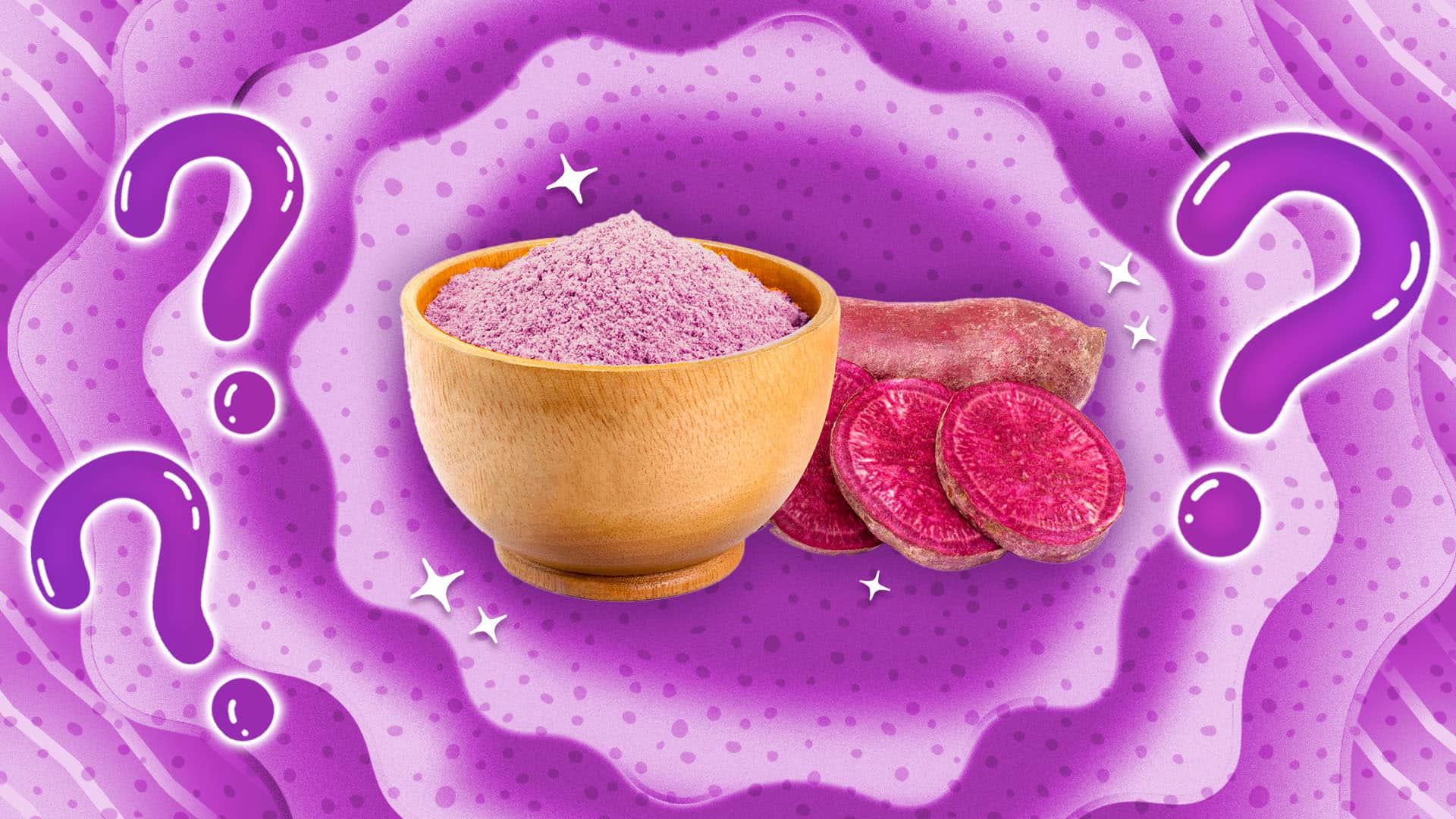
If you already enjoy the gentle, earthy sweetness of orange-fleshed yams but secretly wish it came in a far more electric shade of purple, allow ube to enter the conversation. Given how quickly it’s gained traction across the U.S., you’ve probably already encountered ube in one form or another—blooming in a bold, natural violet. In essence, ube is a remarkably simple tuber from Southeast Asia and the Philippines: a yam-like bulb with a distinctly yammy flavor, tinged with a regal purple that can subtly influence how it tastes.
Recently, ube made its way onto Paris Baguette’s summer offerings. While you’re likely to spot more ube in Filipino-focused spots, the ingredient has proved ubiquitous enough across Southeast Asian cooking to fit right in at this South Korean-founded bakery café, which has been expanding its reach in the United States. Naturally, curiosity led us to give it a try. Shall we test a purple-tinted palate together?
Iced Ube Latte with Ube-Infused Sweet Cream-Topped Lemonade
Pros: The visual impact is truly striking. Note that the Iced Ube Latte isn’t brewed with espresso unless you request it, though you can add it if you’d like. The drink yields a gorgeous, almost Grimace-like purple, and the ube-forward flavor sits above a restrained, everyday yam sweetness. The Ube Sweet Cream used for stabilization appears to be incredibly robust; even after extended time, the two-toned layer stays thick and distinct as the lemonade begins to separate.
Cons: Despite its ube-centric focus, the latte’s taste can feel a bit subdued, even forgettable to some, and the texture isn’t universally loved. It seems the ube concentrate isn’t fully filtered, resulting in a noticeable graininess. If you enjoy a drink with some texture (think horchata or similar), this will be a non-issue; otherwise, it’s a thicker-than-average iced latte.
In practice, the beverage’s dramatic look can overshadow the flavor. I tried the strawless-cap option and waited longer than ideal for the lemonade to cut through the dense sweet cream. The cream itself comes on strong—almost Fort Knox-like in its thickness—so when I did mix in some lemonade, the two flavors clashed rather than harmonized. The cream carried a buttery hint of ube, while the lemonade offered tartness that read more confused than cohesive in the same cup.
Ube Cruffin & Ube Mochi Donut
Pros: Paris Baguette’s aesthetic is on full display here—the cruffin and the mochi donut are visually appealing, as expected. The cruffin is a croissant-dough confection molded into a muffin shape, filled with ube cream and topped with a deep purple glaze that sits somewhere between lilac and grape. The mochi donut adopts a similar approach—no filling but each piece is lightly coated in the same thick glaze, giving a glossy, decadent finish. A further plus for the Ube Cruffin is the lighter croissant texture, which provides relief from the dense, ganache-like glaze. The filling itself is well balanced—subtly sweet, gently yammy, and not heavy at all.
Cons: Despite the pastries’ charm, the Ube Mochi Donut doesn’t offer much to defend it. The mochi’s signature fluffy chew suffered as oil seeped out, giving the pastry a fried-dough carnival vibe—an effect that doesn’t quite mesh with Paris Baguette’s whimsical, precise look. More generally, the glaze on both pastries is simply too thick and overly sweet for many tastes.
FINAL VERDICT:
Rating: 3/10
For a brand that seems to grasp ube’s particular nuance, the line’s execution felt a touch heavy-handed. The two winners were the iced latte (which benefits from a dash of espresso if you want a stronger kick) and the ube cream housed inside the cruffin. Beyond that, the overpowering, candy-sweet purple ganache on the pastries and the stubbornly thick, flavorless Ube Sweet Cream that smothers even tart citrus drinks make the experience feel more decorative than desirable. It’s a visually stunning lineup, but in flavor and balance, it lands more as a pretty, definite pass.