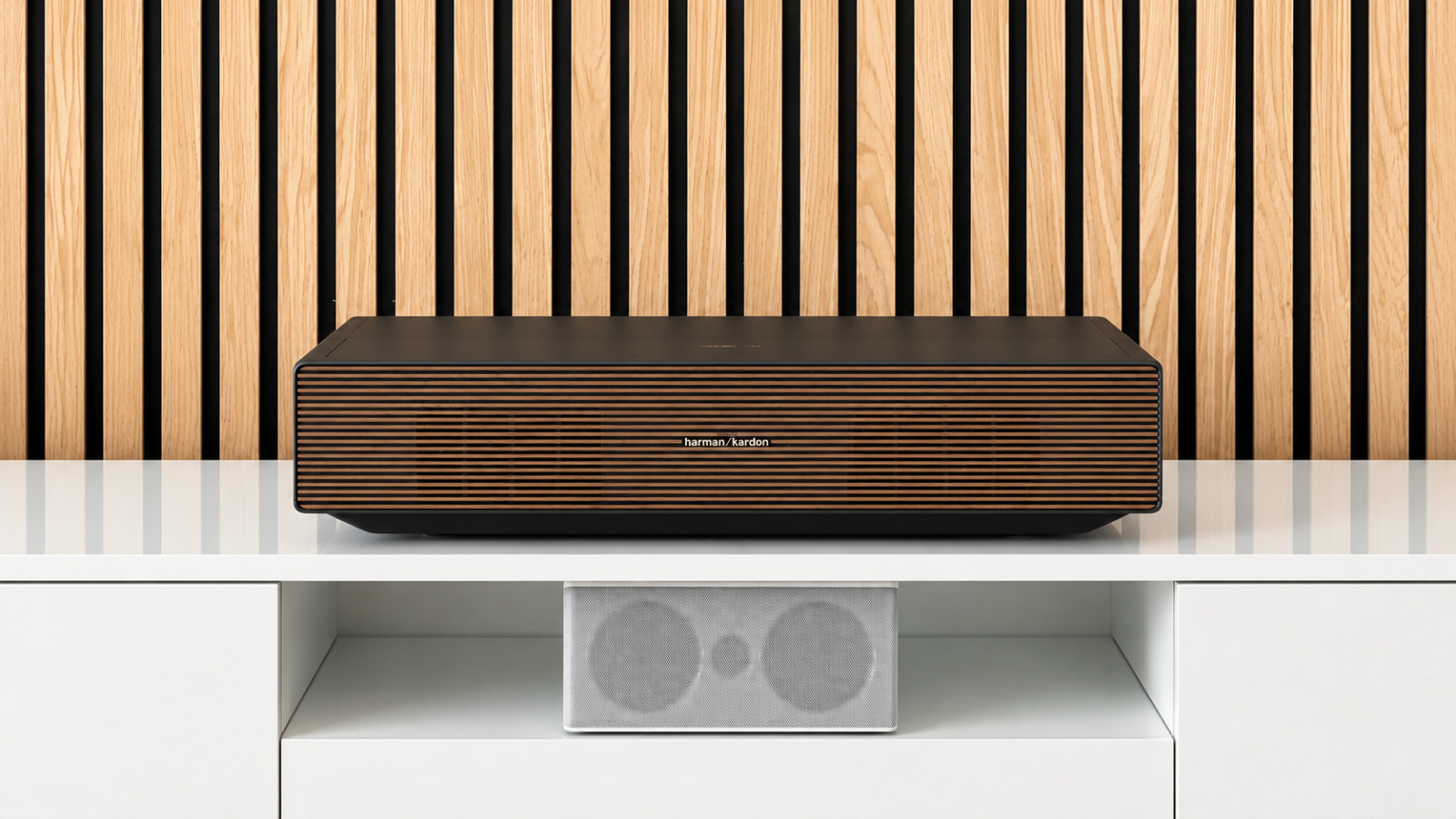
With the Aura 3 Max, XGIMI is aiming high. This ultra-short-throw projector intends to turn the living room into a true cinema, without compromising on gaming. High brightness, a XXL image, and premium equipment: the ambitions are grand, but so are the price and the installation constraints.
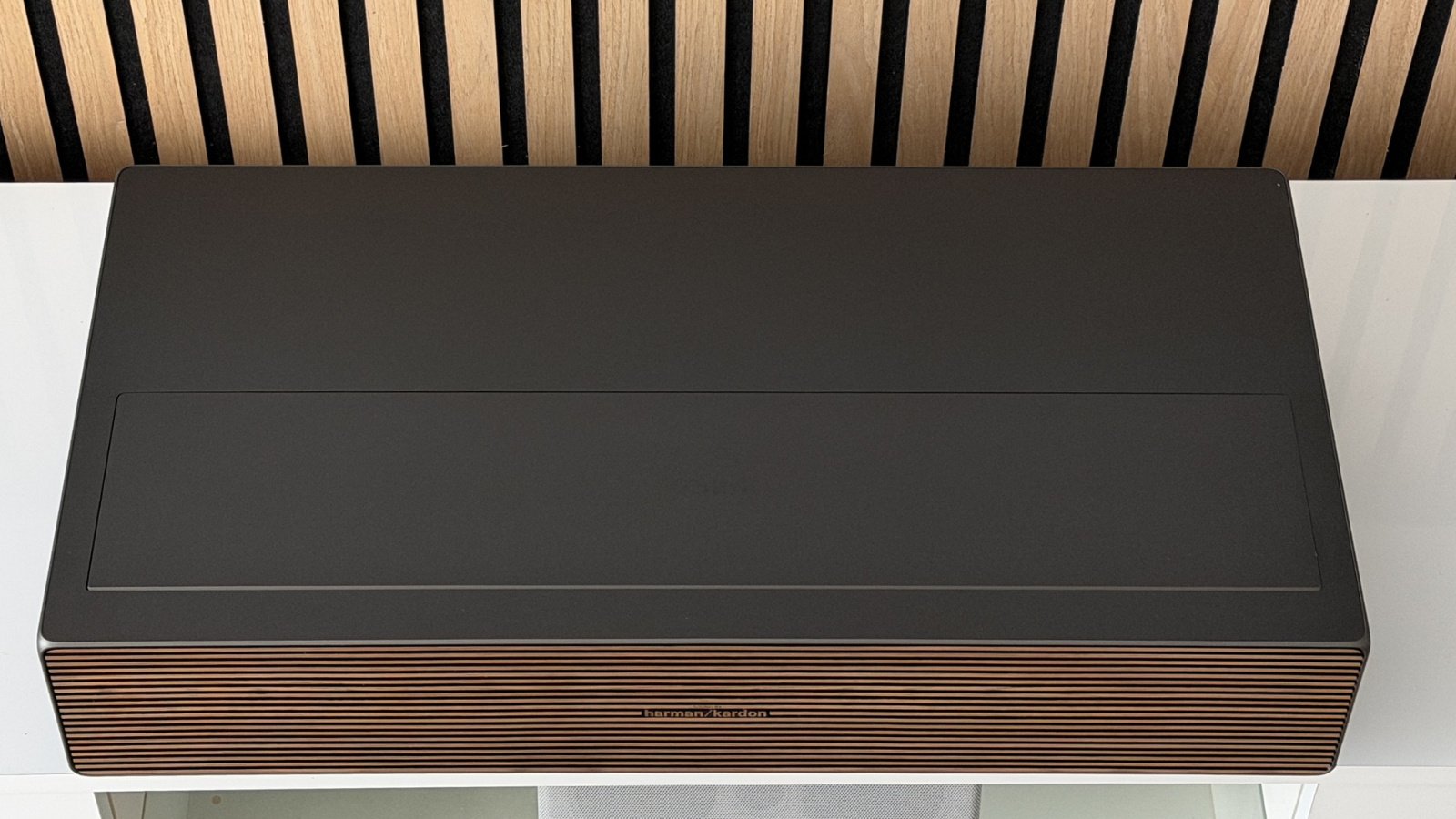
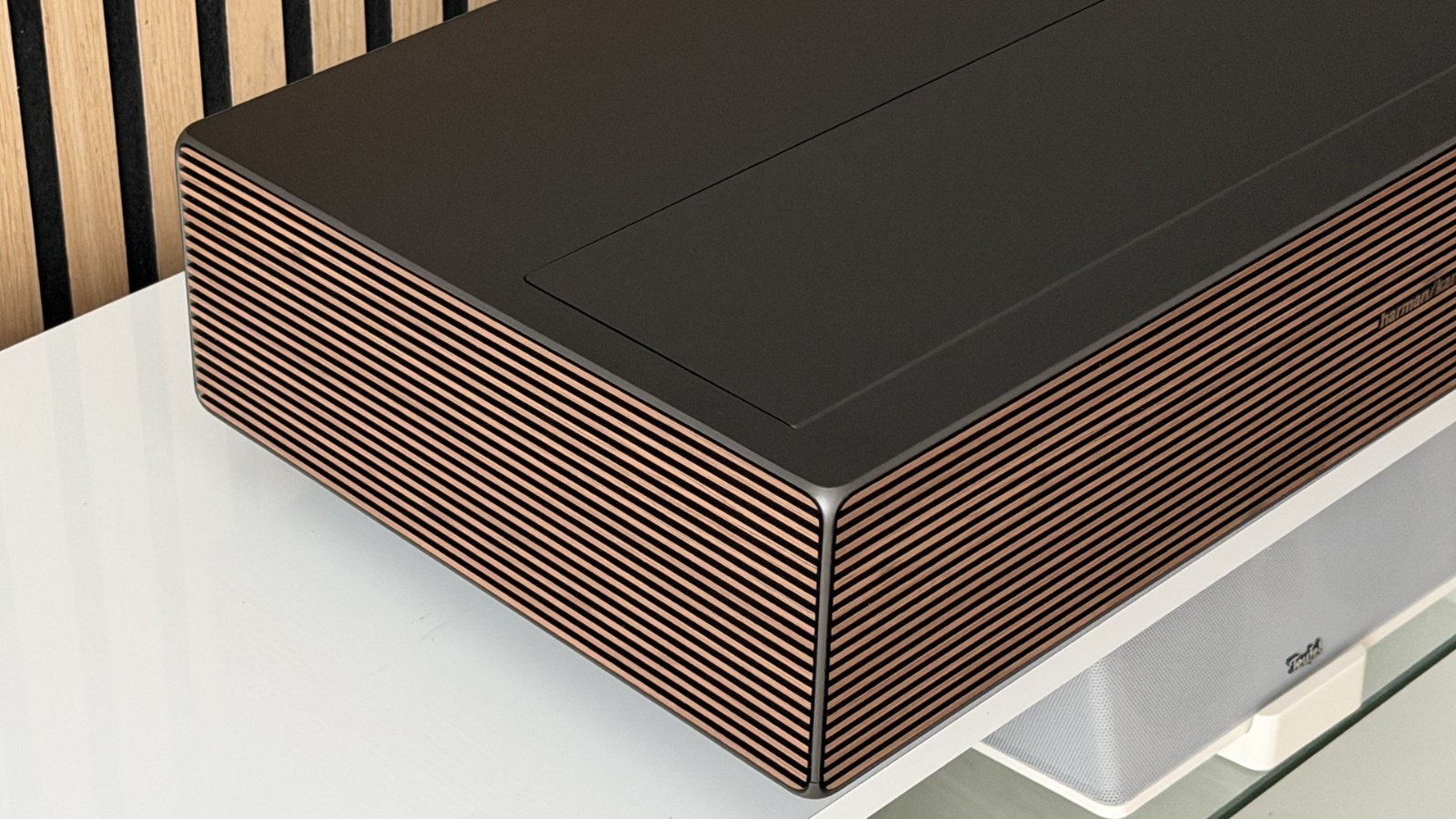
L’Aura 3 Max assumes fully its premium positioning, with a design that is particularly refined and that enables it to sit in a living room without trying to disappear. When closed, it remains perfectly flat and never reveals its laser or its sensors. The back and sides feature a walnut wood-effect finish, which helps give the whole a look closer to a decorative object than to a traditional audio-visual device.
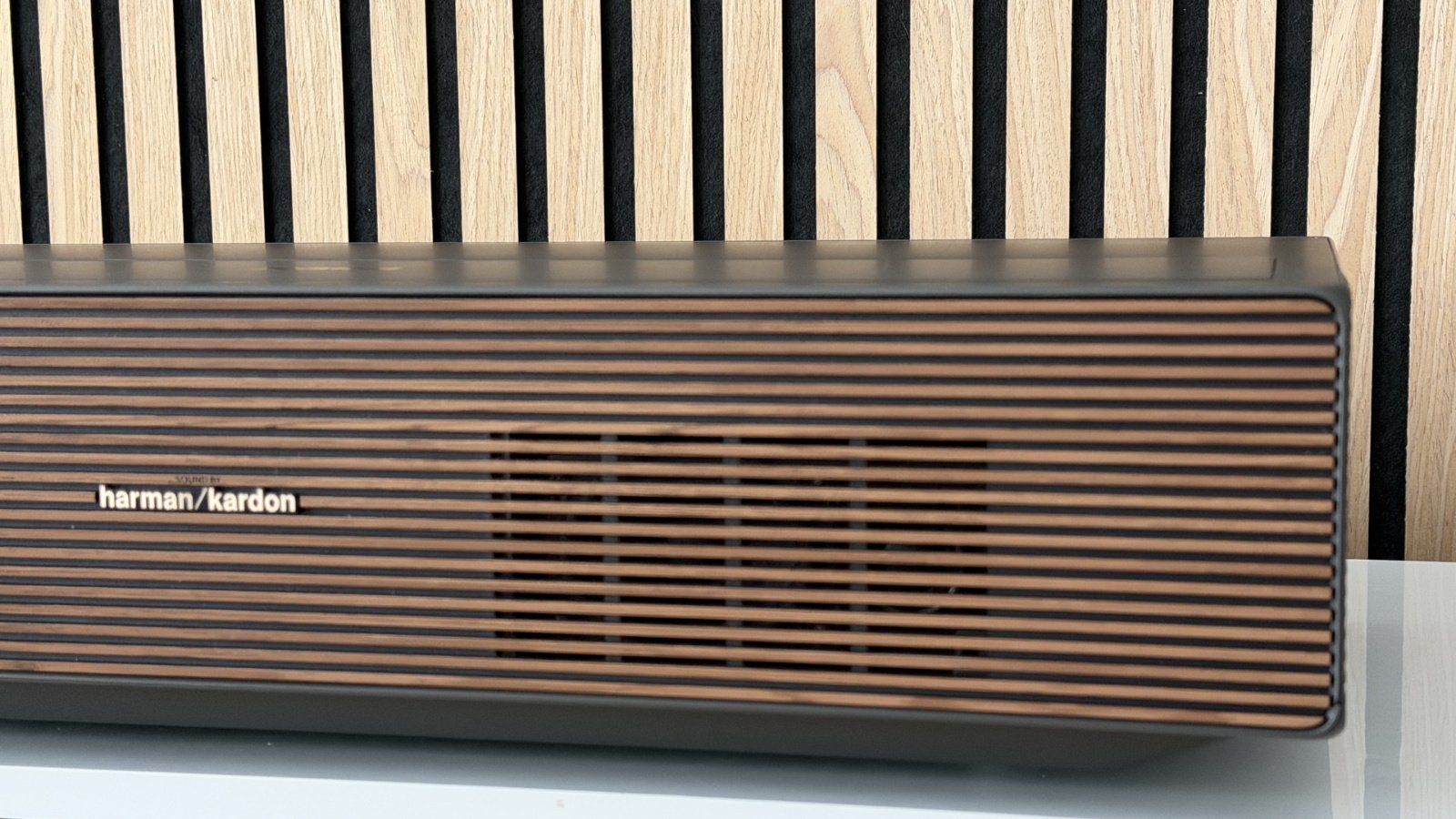
This refined presentation does not come with a reduced footprint, however. Unlike the Mira, the Aura 3 Max embraces generous dimensions, measuring nearly 59 cm in width, 30 cm in depth, and just under 14 cm in height. Its 9.4 kg weight also requires a spacious and sturdy piece of furniture.
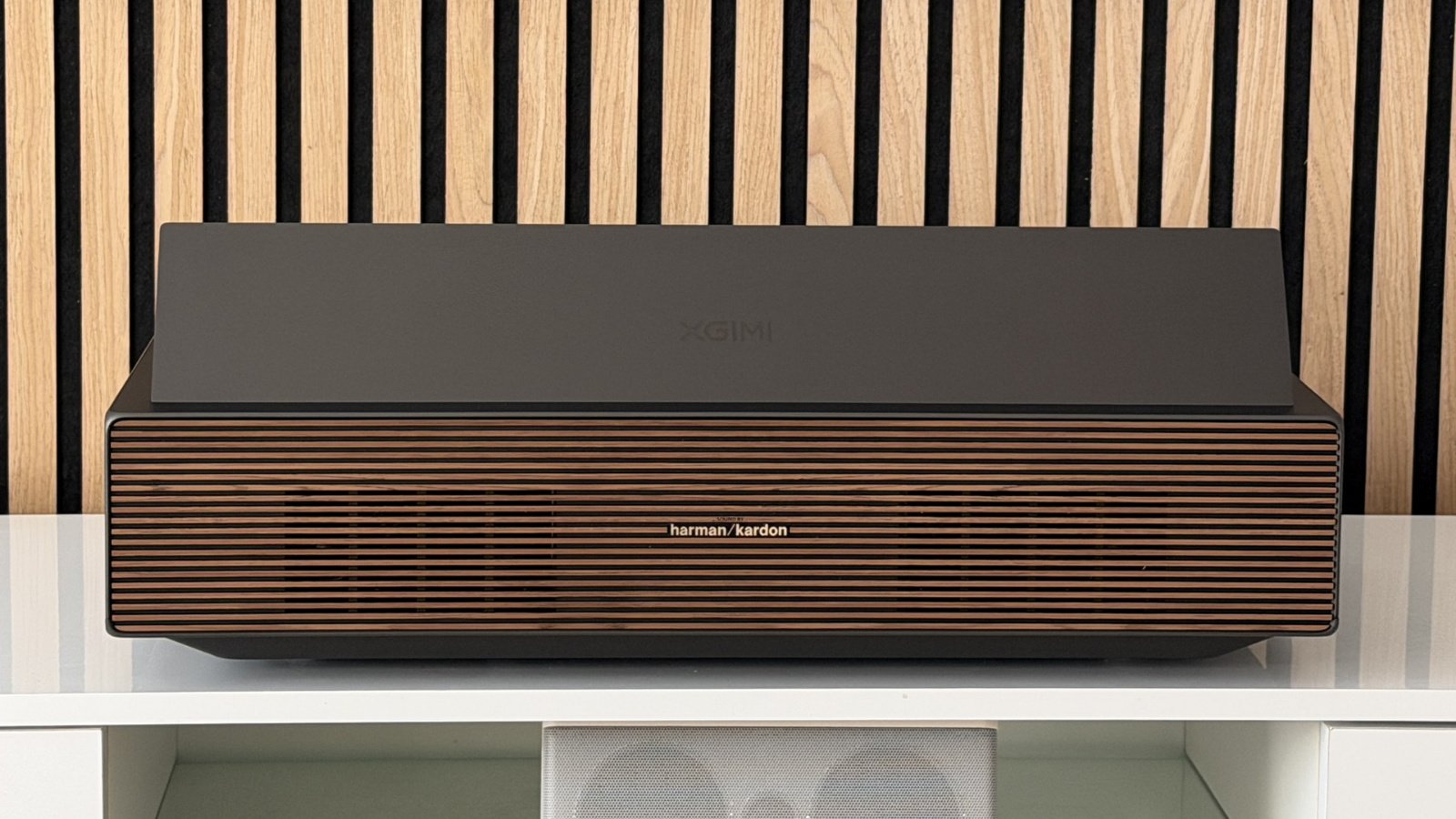
At power-on, the motorized hood rises in a quietly smooth motion, revealing the optical block and sensors. A small touch of sophistication that contributes to the perceived quality of the device.
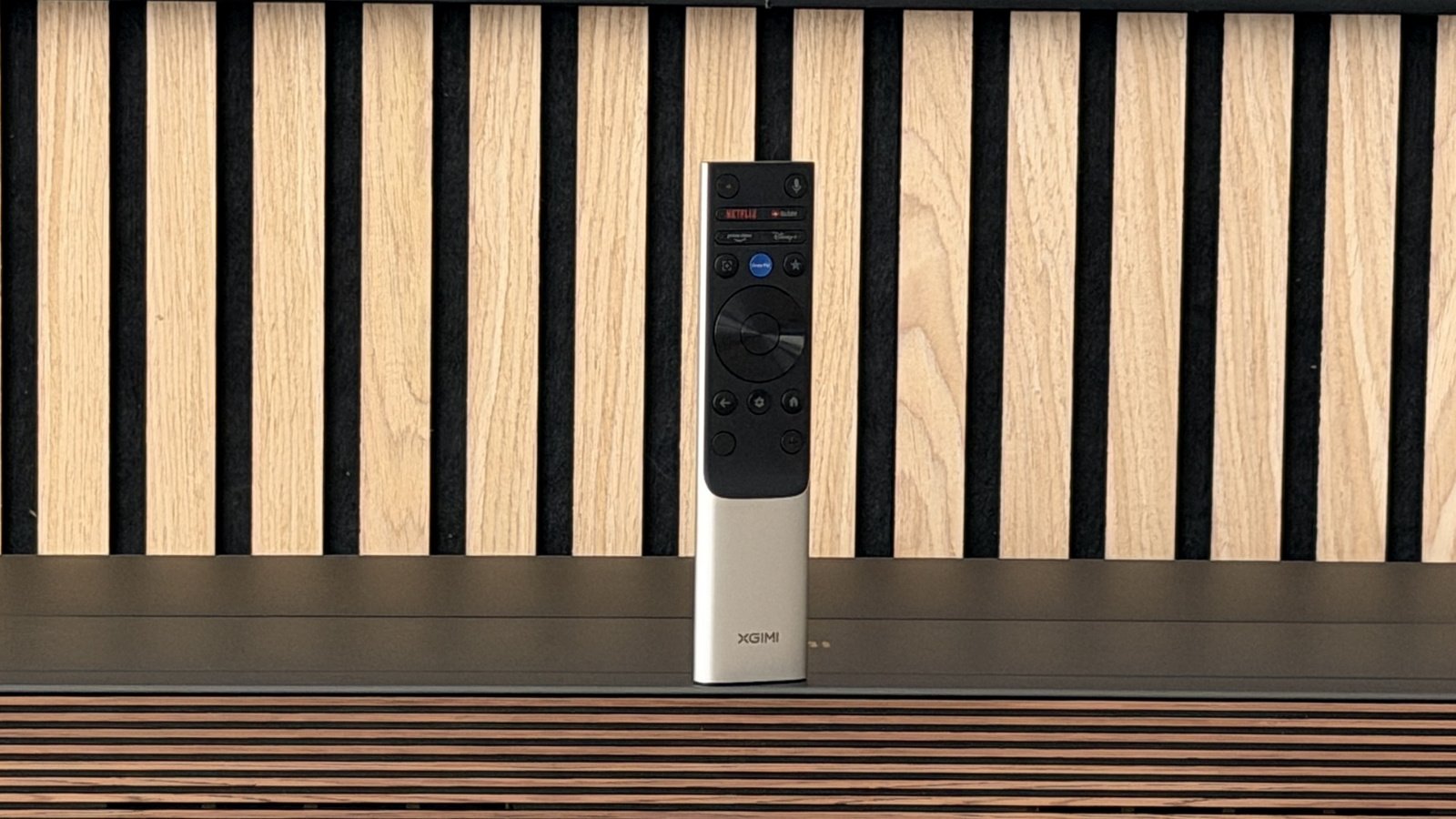
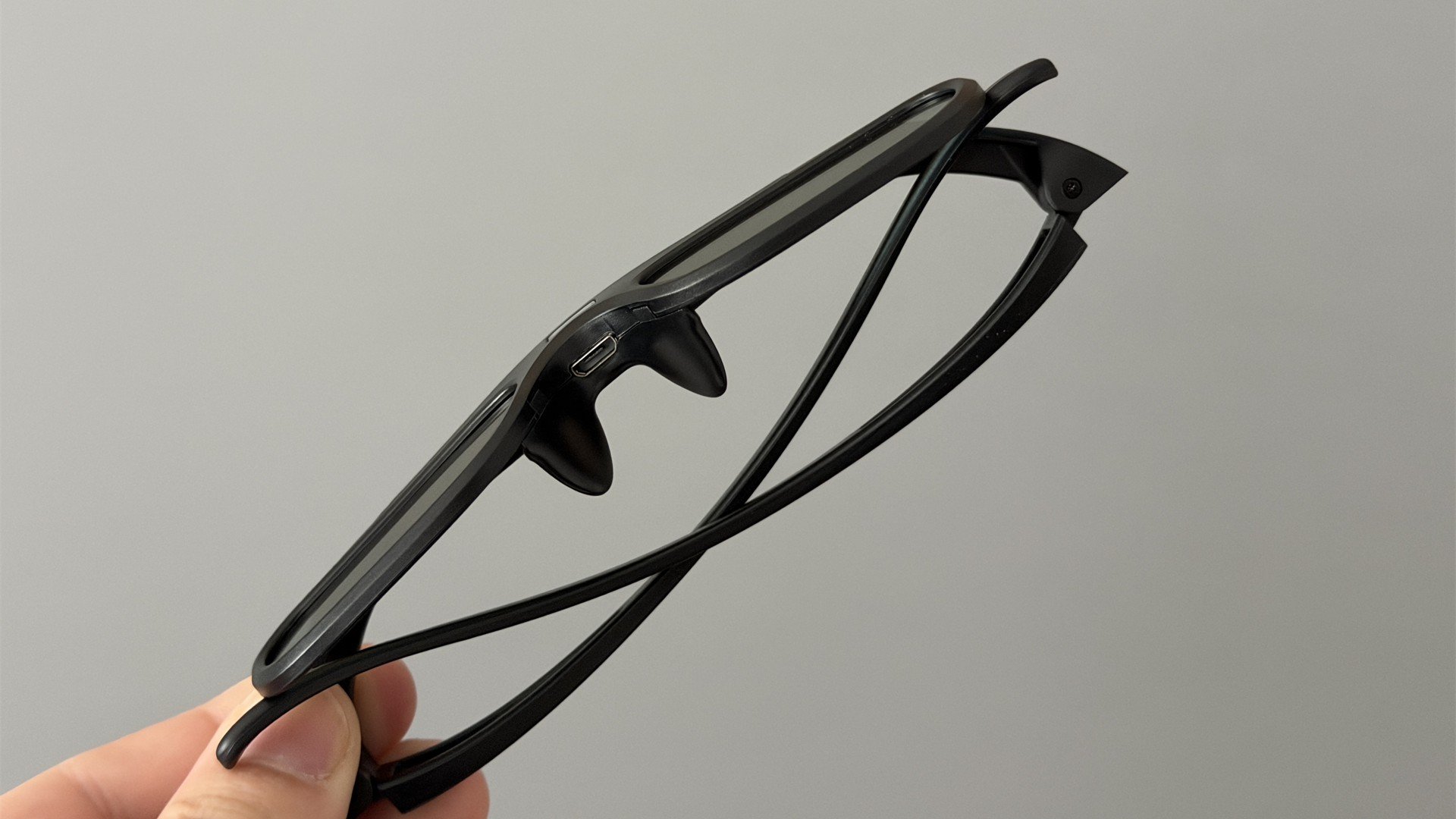
The included remote is only partially backlit, which is a pity. Among the accessories, you’ll also find two pairs of 3D glasses. These come with a battery and recharge port, but it’s a pity to use a micro-USB port in 2026!
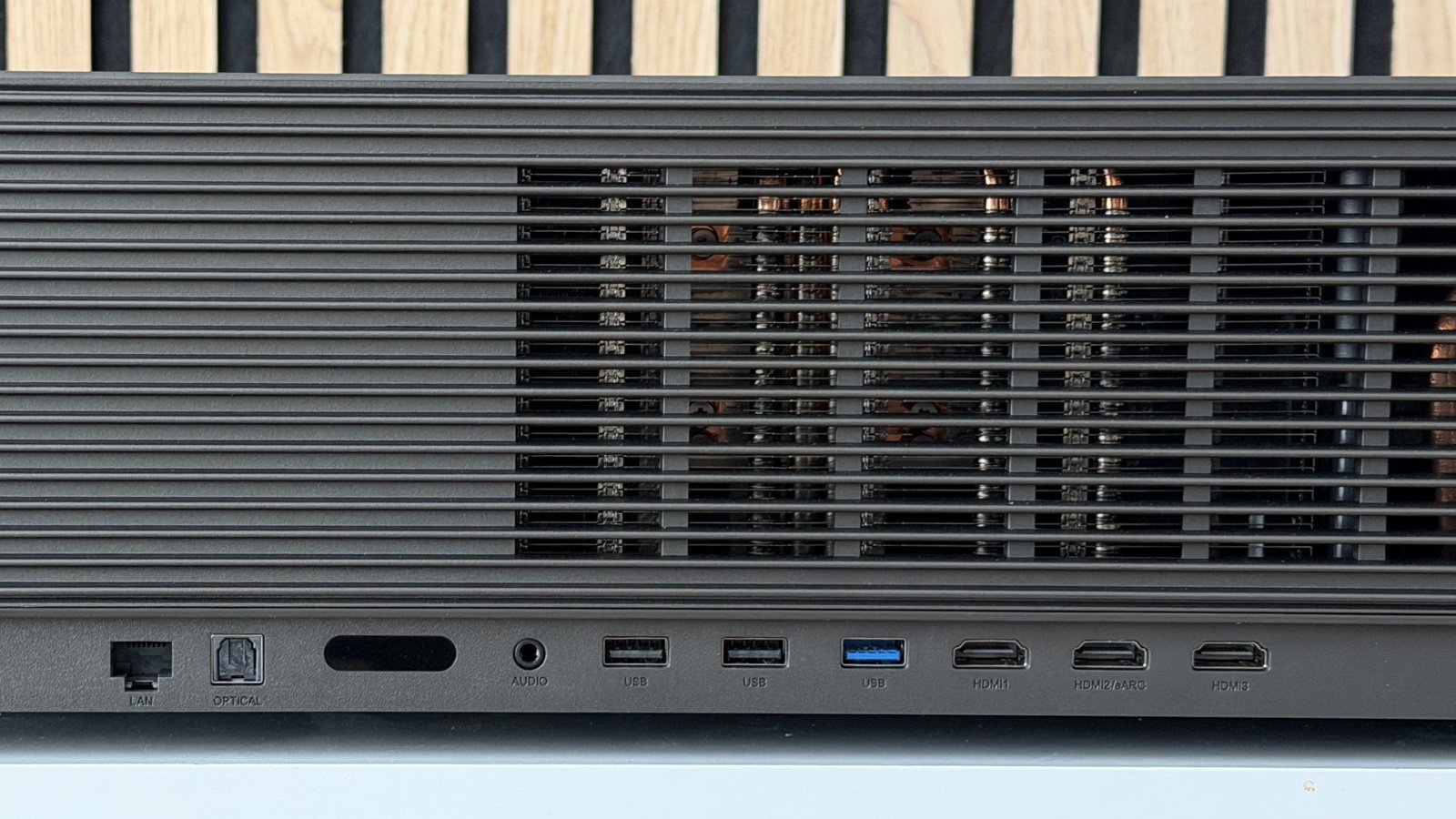
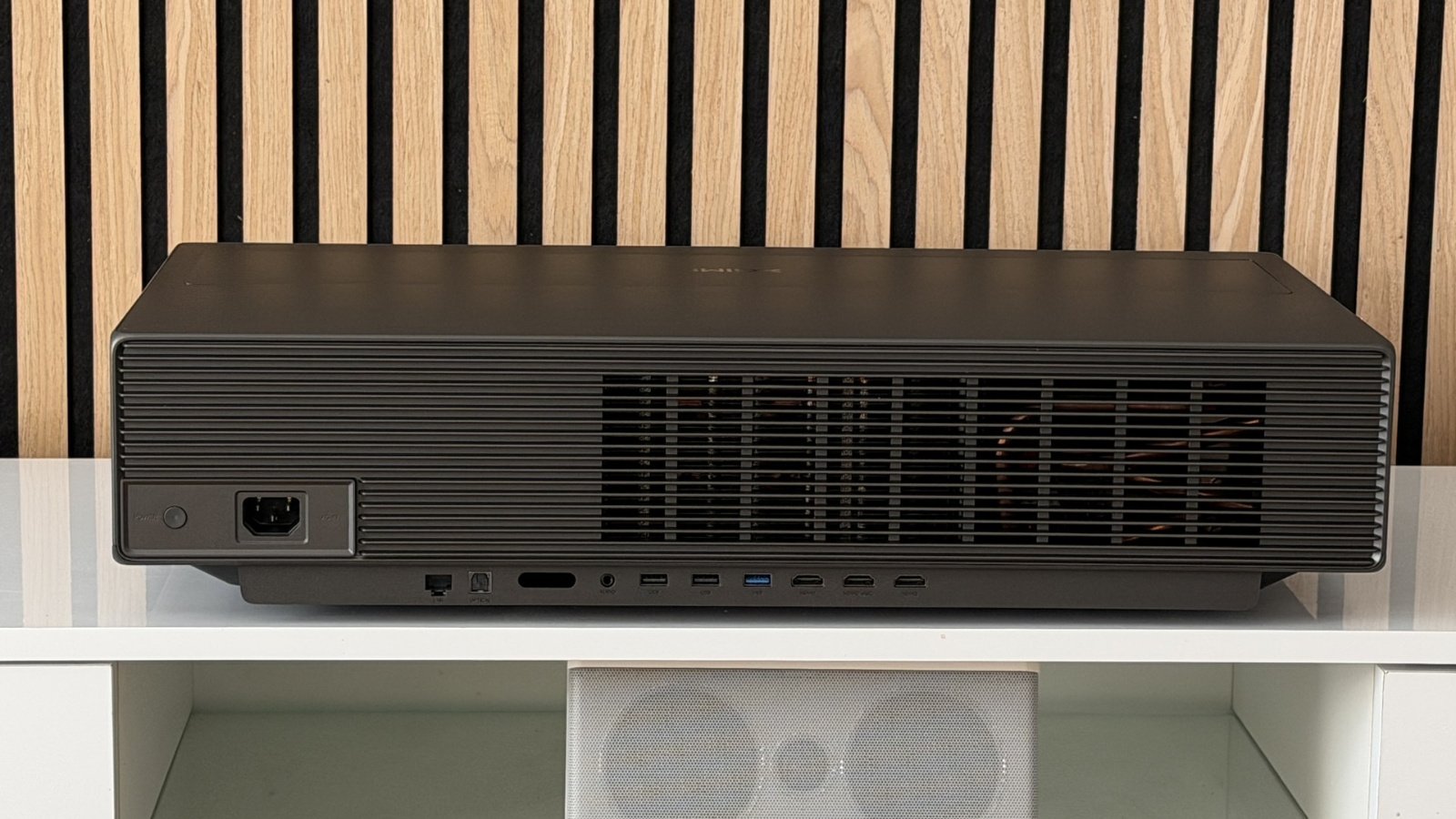
The connectivity suite is notably complete. At the rear, you’ll find three HDMI ports, including one eARC-compatible, three USB-A ports (two USB 2.0 and one USB 3.0), an RJ45 Ethernet port, a 3.5 mm audio jack, and an optical audio output. The absence of USB-C remains regrettable for a device in this category.
Image quality
The XGIMI Aura 3 Max can project an image from 85 to 200 inches, with a throw ratio of 0.163:1. According to XGIMI, to obtain a 100-inch diagonal image, you would need only 12.8 centimeters of clearance between the wall and the back of the unit. We checked this claim, but be aware that this test carries a caveat.
If you already have a projection screen set up for a previous ultra-short-throw projector and you do not plan to change your TV stand, the Aura 3 Max’s image may sit a touch higher, forcing you to raise the screen and reinstall it higher.
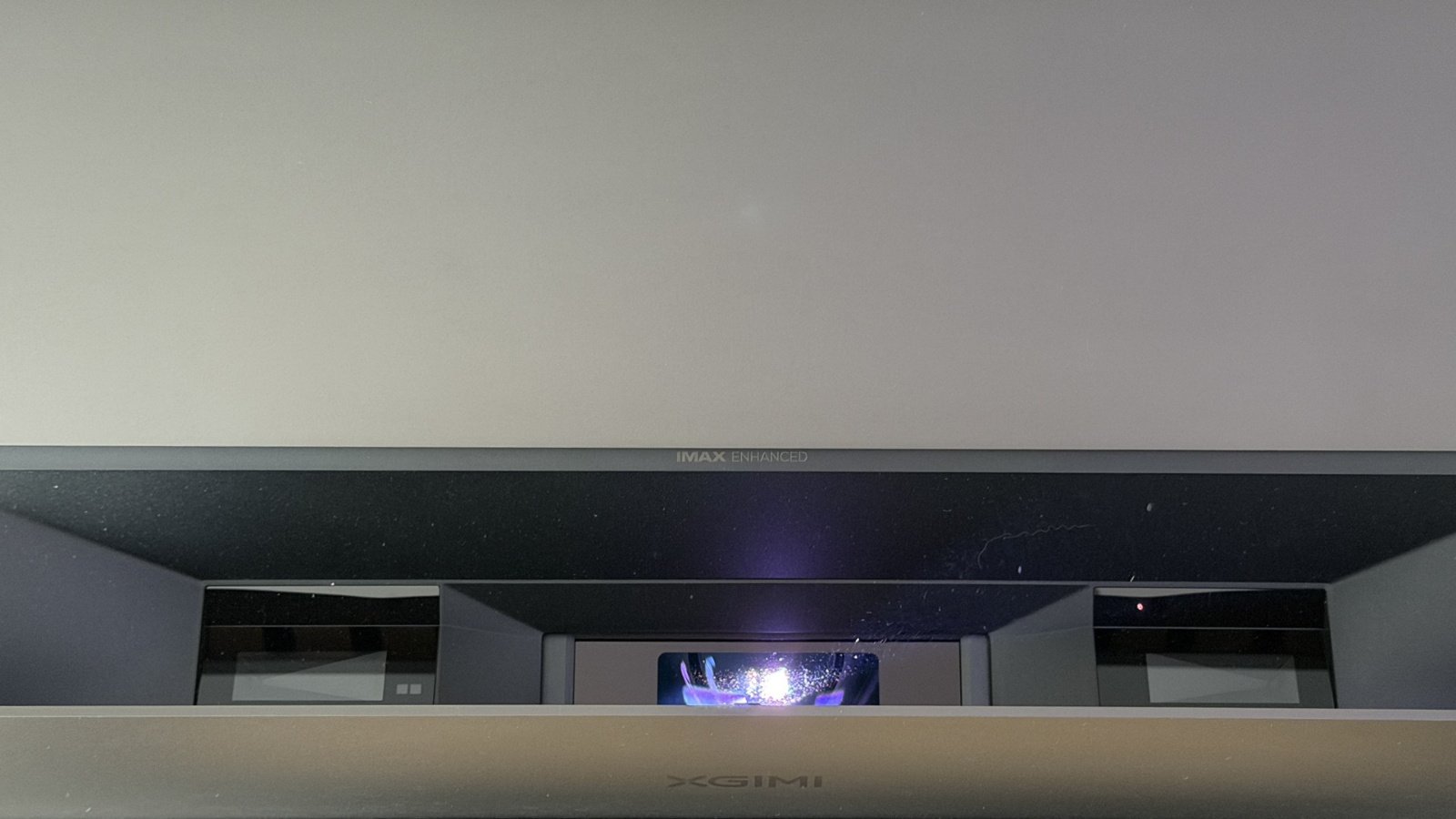
The Aura 3 Max delivers 4K UHD (3,840 x 2,160) imagery thanks to Texas Instruments’ XPR tech, without using a native 4K panel. It relies on a 0.47-inch DLP chip whose micromirrors leverage pixel-shifting to reconstruct a 4K image. XPR rapidly shifts multiple sub-frames to render the details of a 4K resolution. Its light source is a triple RGB laser, with three distinct lasers for red, green, and blue. This architecture helps achieve a particularly wide color gamut.
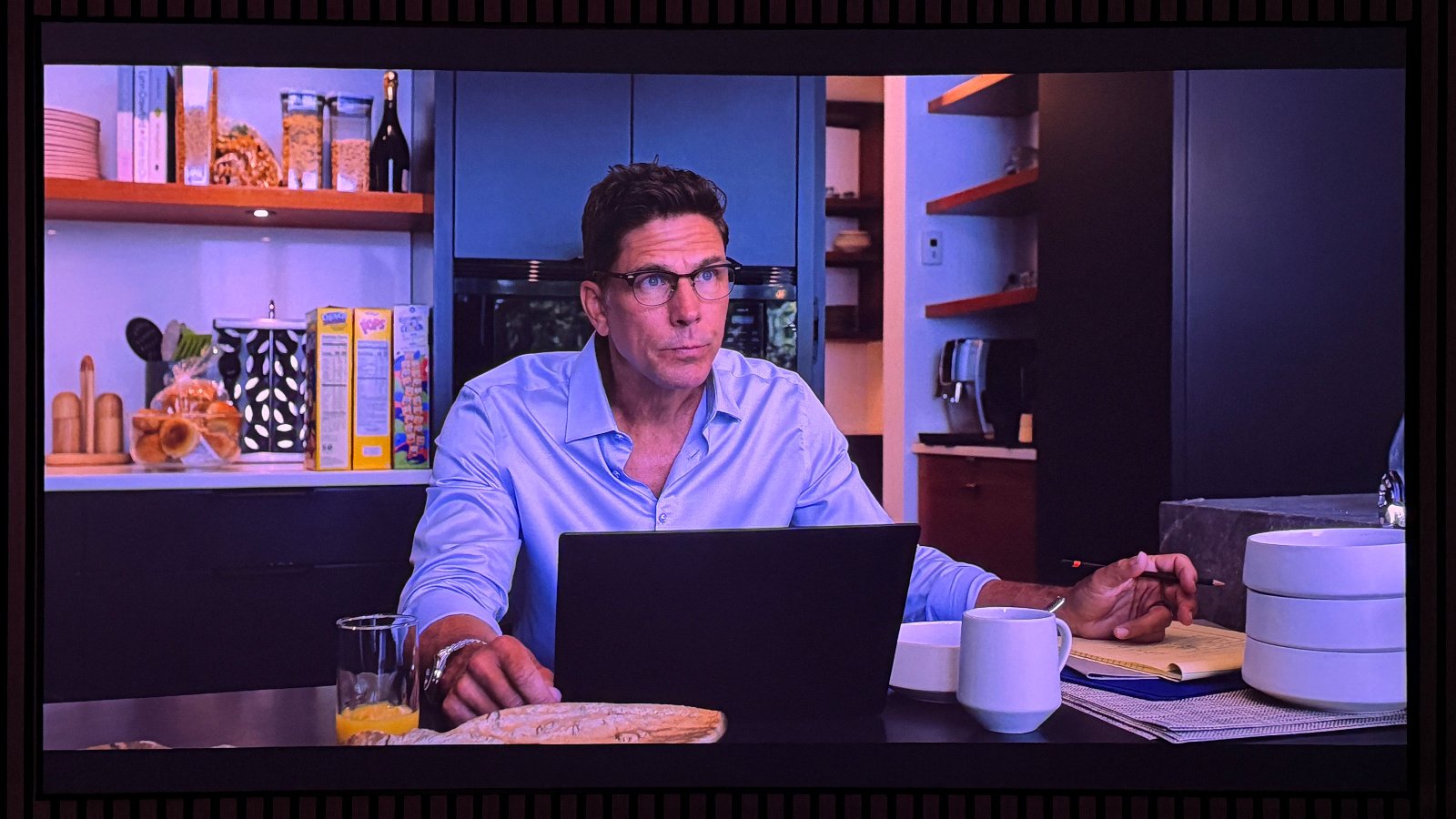
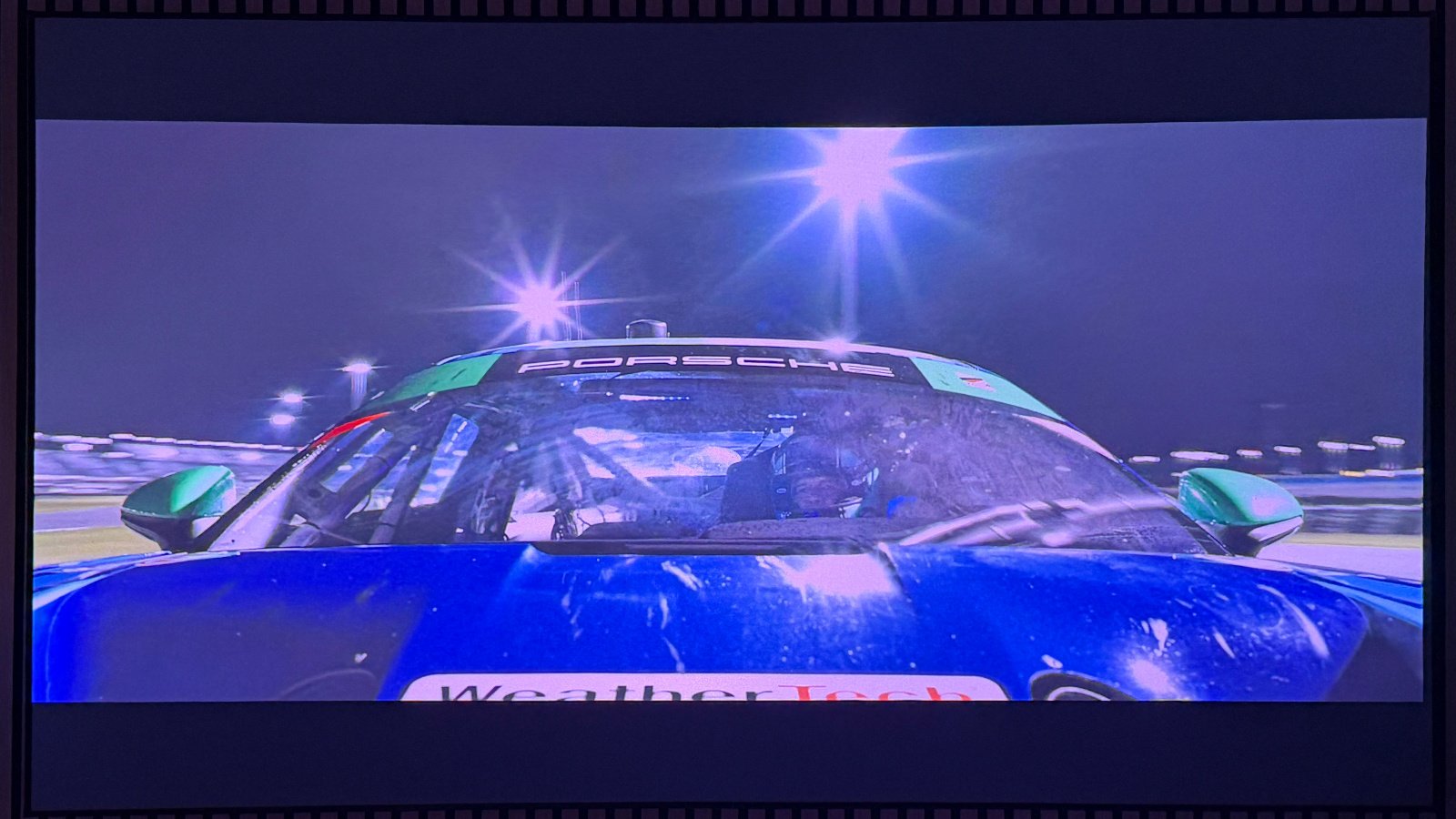
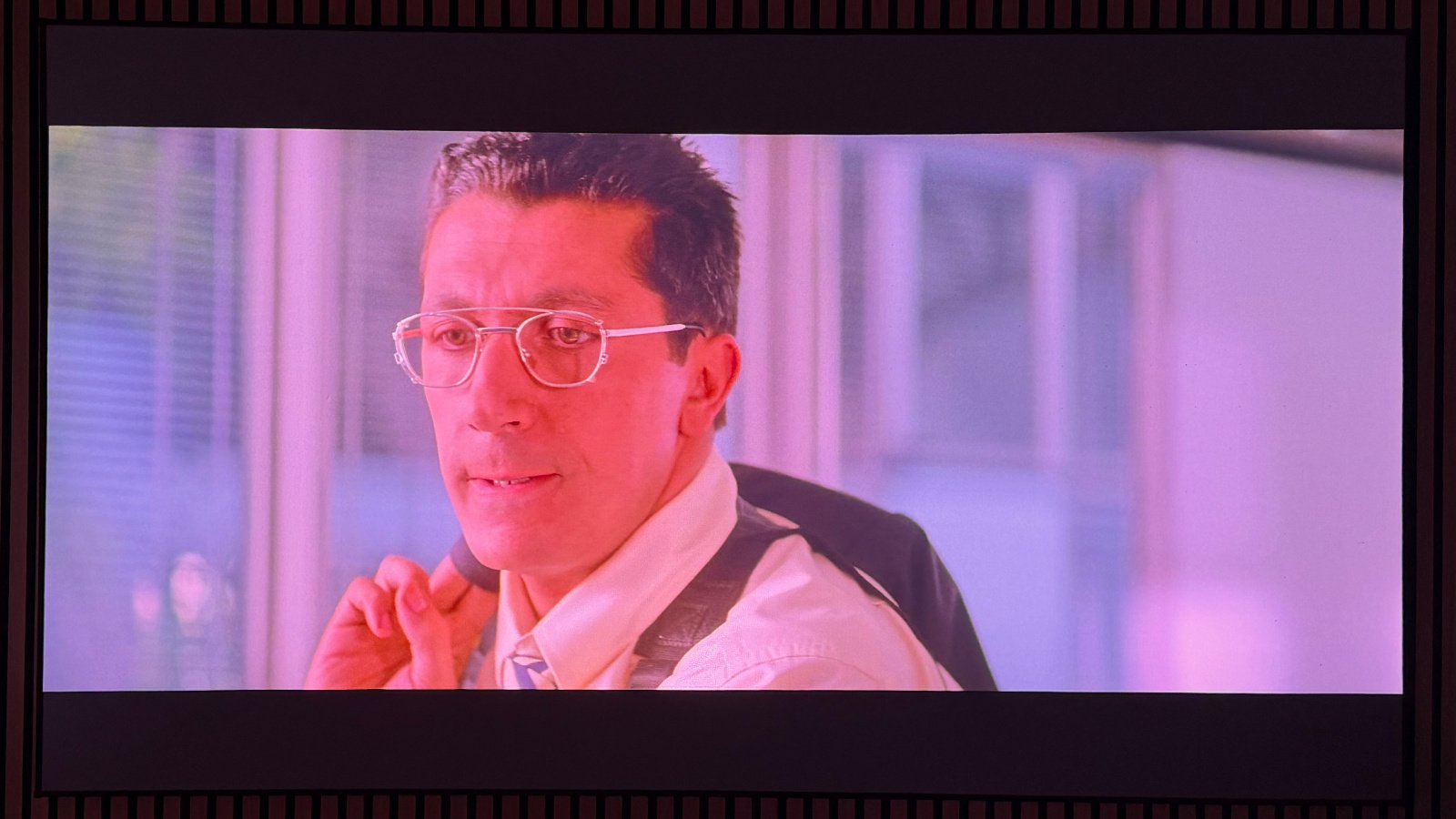
XGIMI announces a brightness of 5,700 ISO lumens for the Aura 3 Max, versus 4,100 ISO lumens for the Aura 3 Pro. These figures are particularly high for ultra-short-throw projectors. It is important, however, to distinguish the maximum advertised brightness from what is achieved in a color-faithful mode. In our tests, the “Vivid Colors” mode yields a highly bright image, but colors appear more saturated and less natural. The “Cinema” mode offers a more convincing balance, with a rendering that seems better suited to watching feature films.
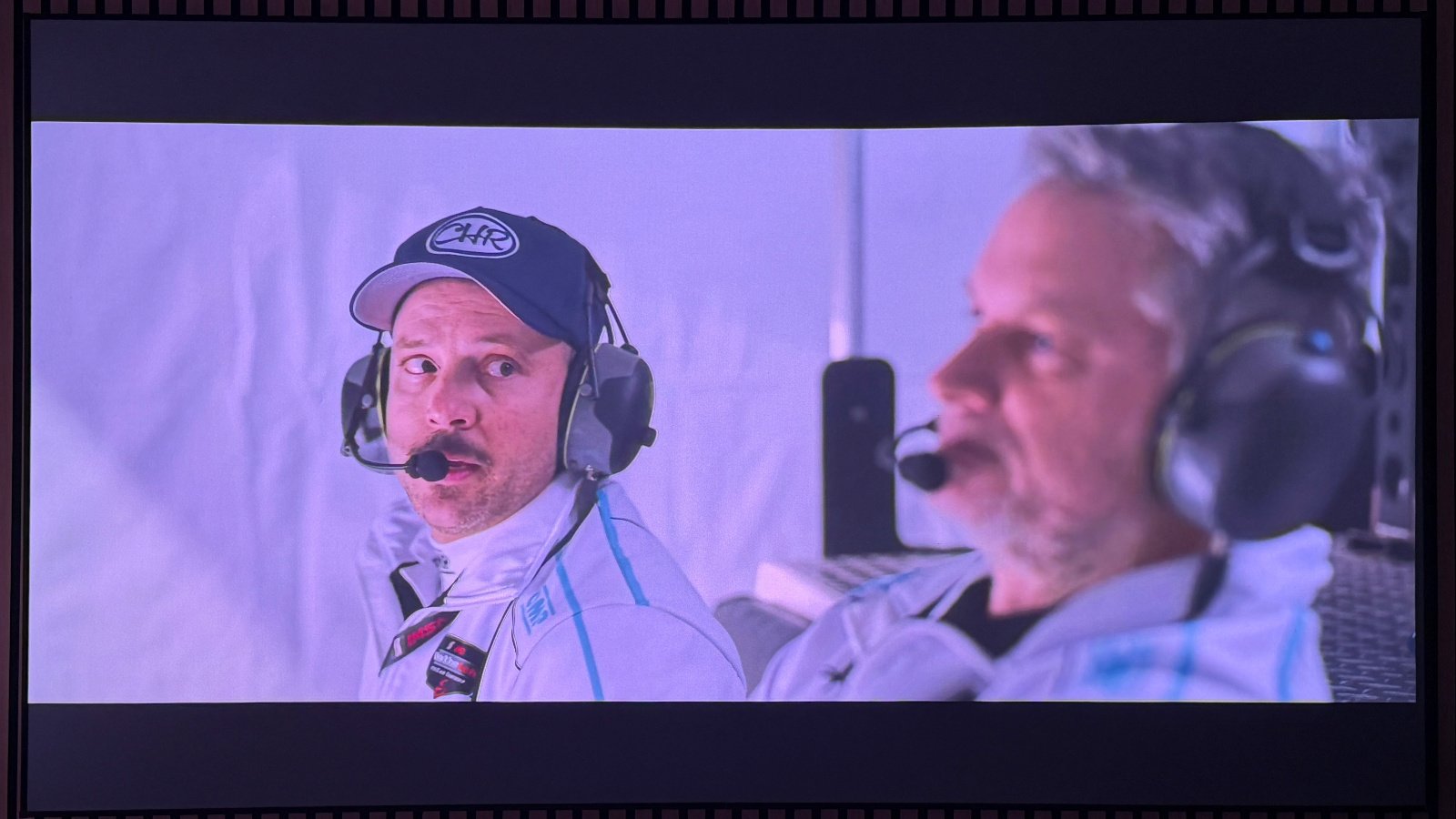
The Aura 3 Max offers a host of automatic features to simplify installation. It includes intelligent alignment on the screen, automatic keystone correction, automatic focus, and adaptation to the projection surface’s flatness.
However, digital correction carries the same limits as on other ultra-short-throw projectors. It compensates for distortions by modifying the pixel area used, which can affect image precision. It is therefore best to aim for physically precise placement. On uneven surfaces, distortions can become visible, especially at the image edges.
One of the main selling points is the contrast management. To deepen true blacks, XGIMI has integrated a Dual Iris system, consisting of two physical irises that control the light flowing through the optical block. Unlike purely software-based processing, this directly affects the light flux. As the iris closes, blacks deepen, but overall brightness also drops.