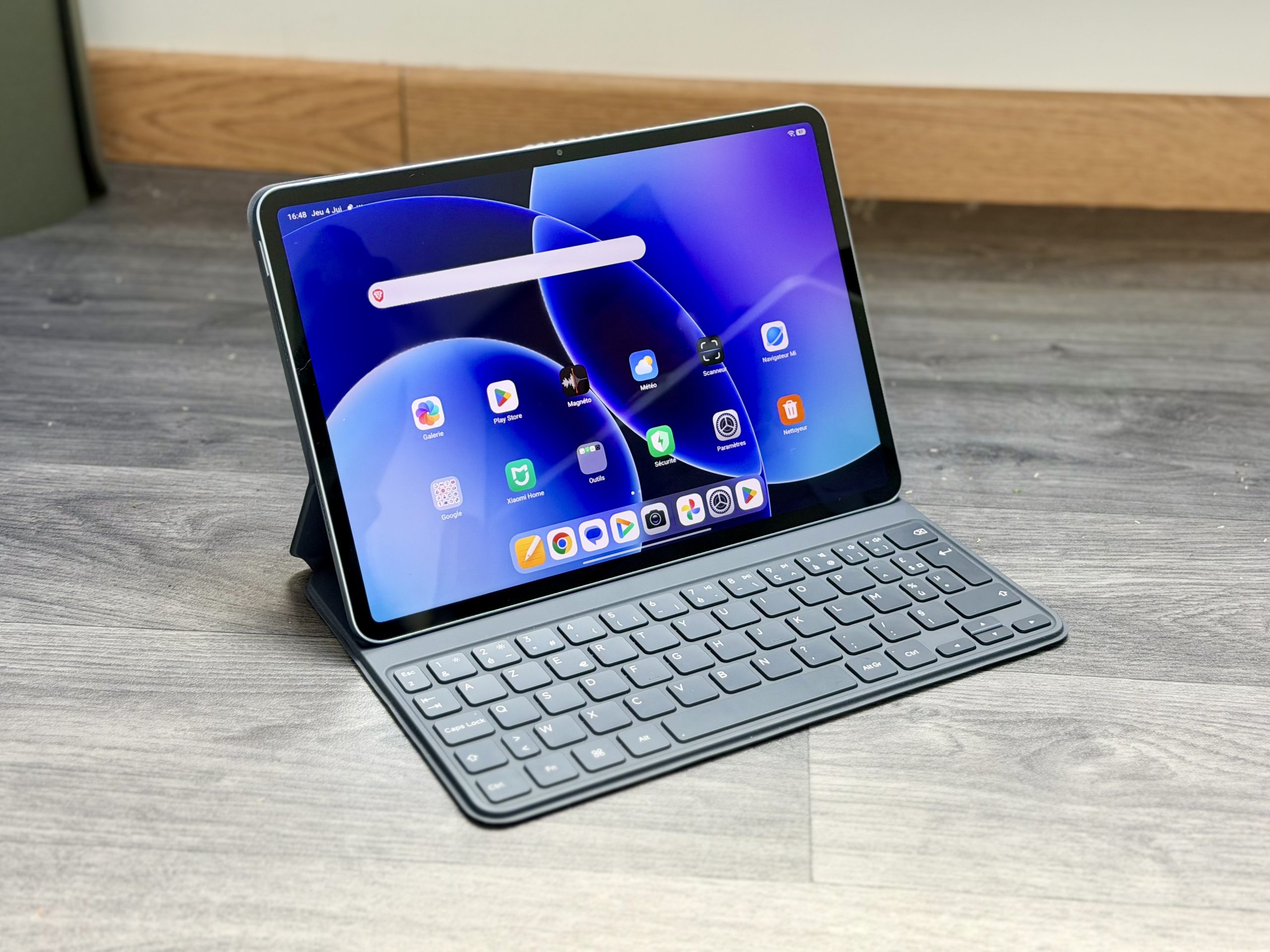
Xiaomi Pad 8 Review: A Solid Performer That Could Do Even Better

June 5, 2026
Tech

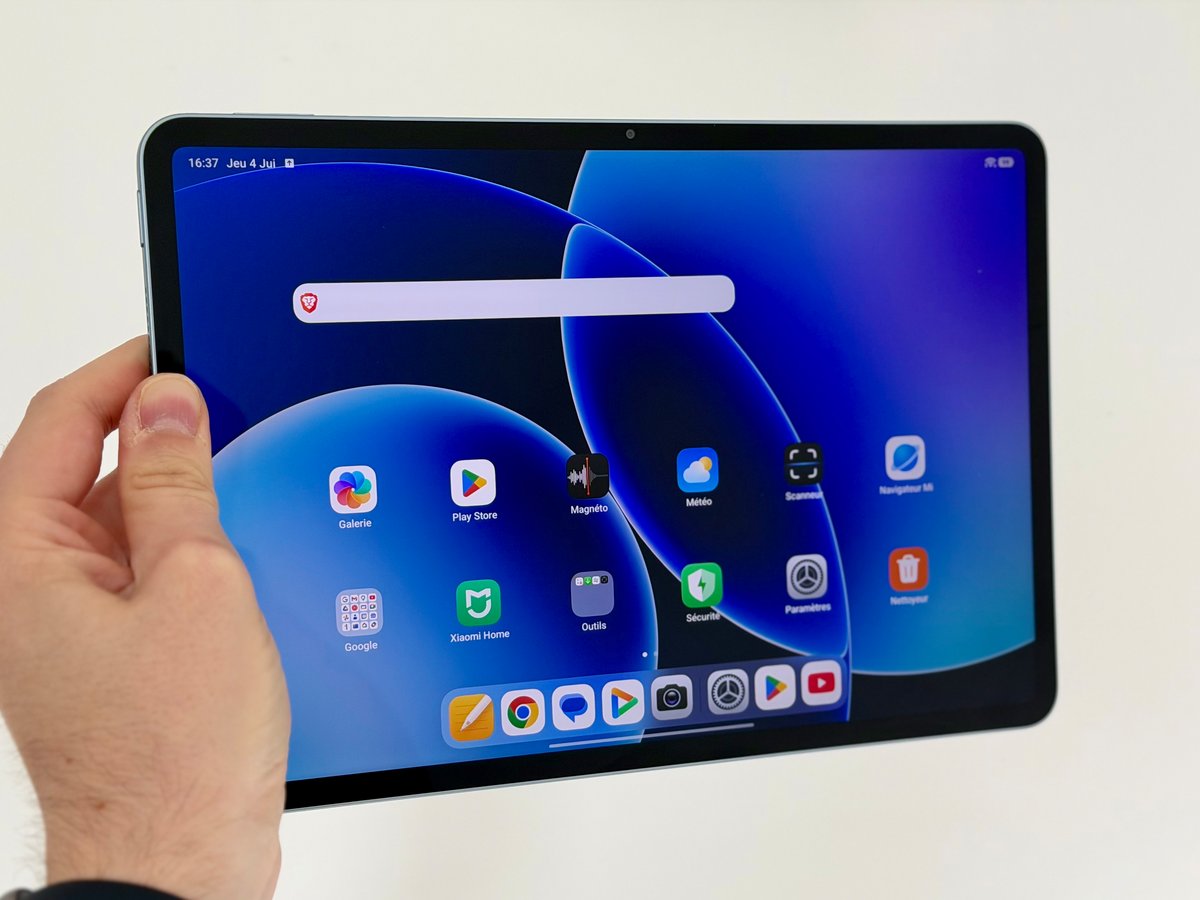
Xiaomi returns to the Android tablet market with the Pad 8, a slate that clearly aims for the big leagues: an 11.2-inch, 144 Hz display, Snapdragon 8s Gen 4, and an all‑metal chassis. All of this starts at a price below 450 euros, roughly the cost of a standard iPad that’s far less equipped. On paper, the equation is enticing. In practice, it’s a bit more nuanced.

Xiaomi Pad 8

7  / 10
Xiaomi Pad 8
The pros
  • Premium design, high-quality finishes
  • 144 Hz smooth screen for the price
  • Solid everyday performance
  • Excellent endurance, around 14 hours
  • Value for money tough to beat on Android
The cons
  • Rapid heating as soon as the processor is put under load
  • Unbalanced audio, distortion at medium volumes
  • Omnipresent ads in Xiaomi apps
  • Slow recharge despite the 45W headline
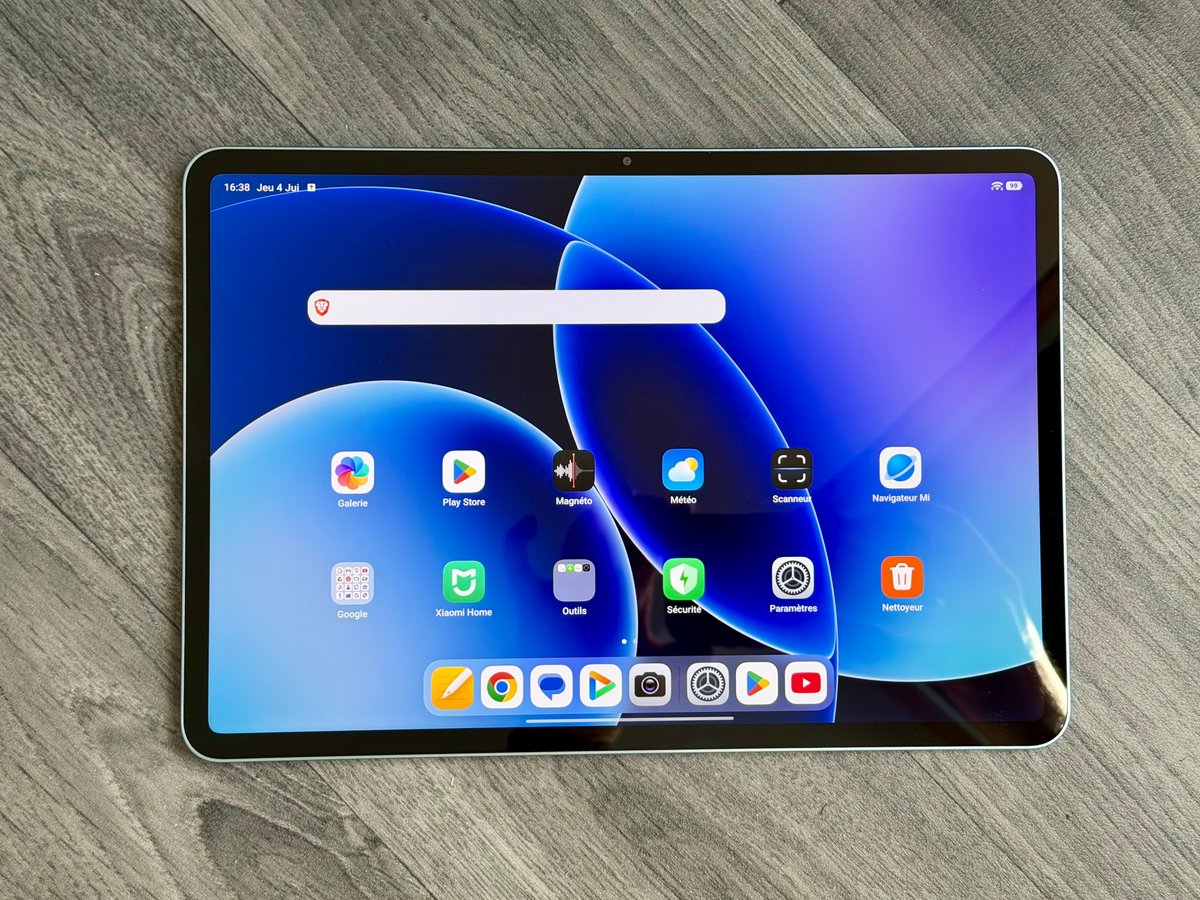
Xiaomi has never really left the tablet market, but with the Pad 8, the brand clearly steps up a gear. This is no longer a budget tablet dressed up to look premium: the metal chassis, the high-definition display, and the high-end processor all signal a premium product through and through.

Obviously, a great spec sheet doesn’t tell the whole story. I used the Pad 8 for about ten days to see what it’s really like in daily life, across multimedia, productivity, and gaming. The verdict is broadly positive, with a few aspects worth stopping to consider.

Test conducted on a unit loaned by the manufacturer.

Design and Build: understated, solid, but speakers fall short

The Xiaomi Pad 8 makes a strong first impression. The aluminum chassis is well finished, the edges are precise, and the whole unit inspires confidence—this isn’t just about looks. In the hand, it easily competes with the best in this segment.

A tablet that looks like all the others ©Mathieu Grumiaux for Clubic

The design is understated, perhaps a touch too safe. It inevitably brings other tablets to mind, but it’s hard to fault Xiaomi: the market’s aesthetic language is what it is, and the Pad 8 applies it with seriousness rather than originality. It isn’t jarring, just a touch predictable.

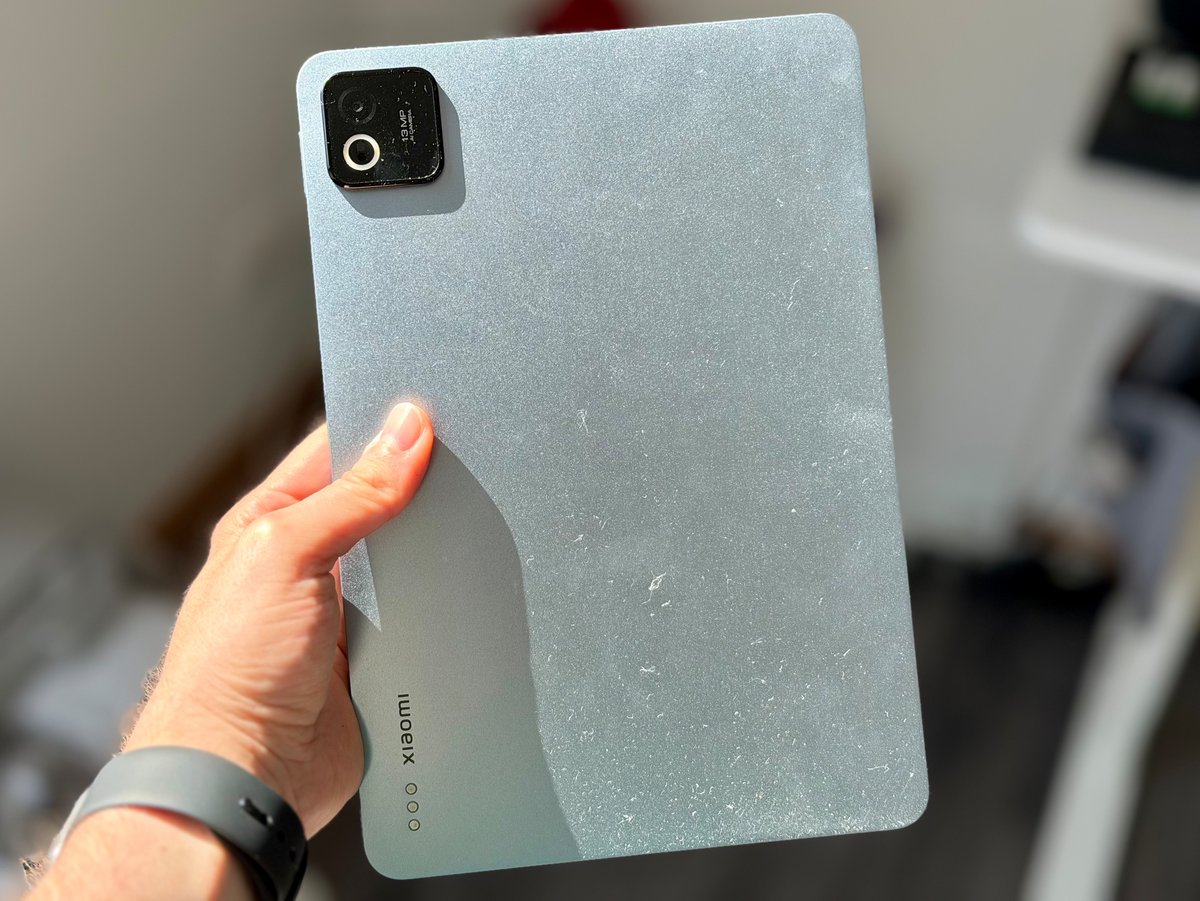
The buttons are well placed—power on the top, volume on the side—and the USB-C port permits external video output, which is always welcome on a tablet of this size. On the downside, there’s no microSD slot and no stated IP rating, two omissions that can matter depending on use. The weight of 485 grams? Honestly, it didn’t bother me. It sits within the norm for an 11-inch tablet, and you adapt quickly without aching arms after tens of minutes of use. The Pad 8 is available in three colors: gray, blue, and green.

A very understated light blue back, aside from the large photo block ©Mathieu Grumiaux for Clubic

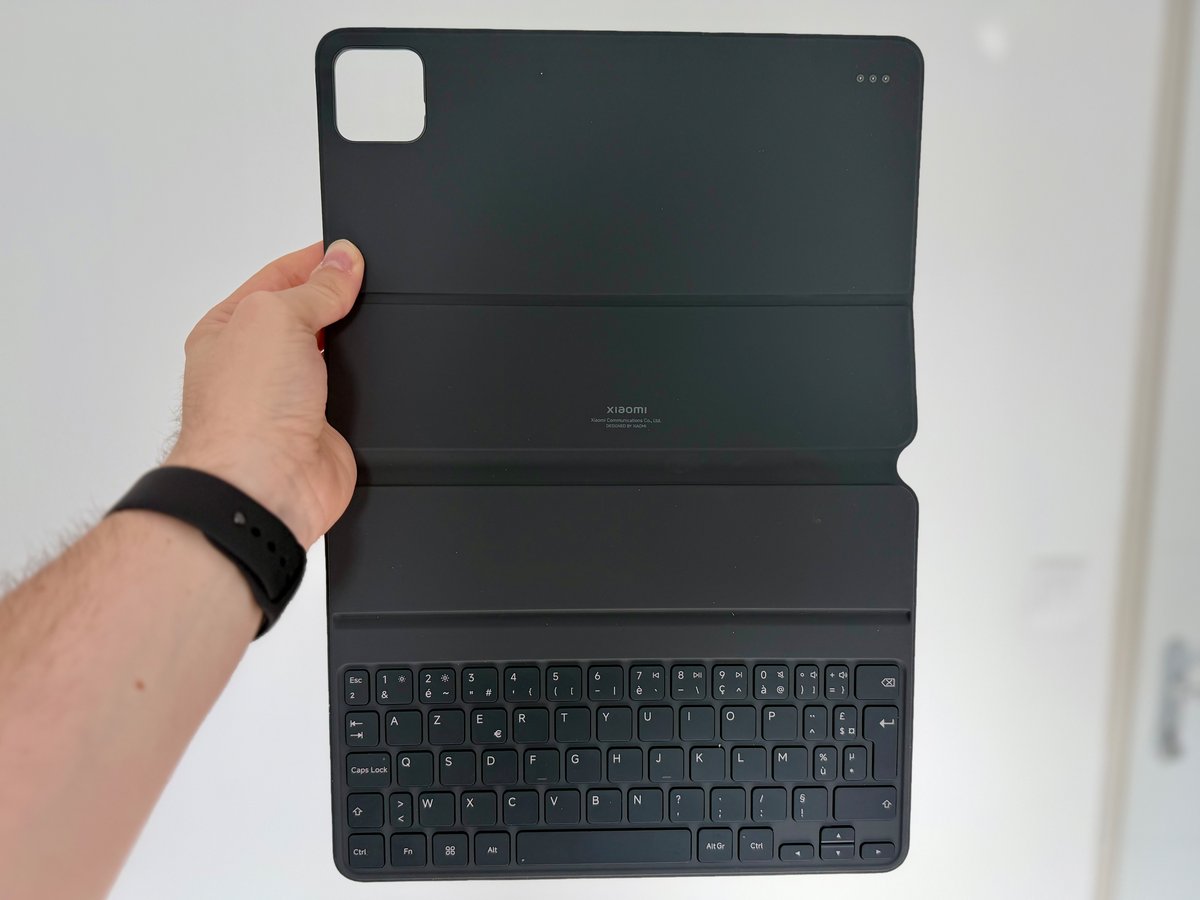
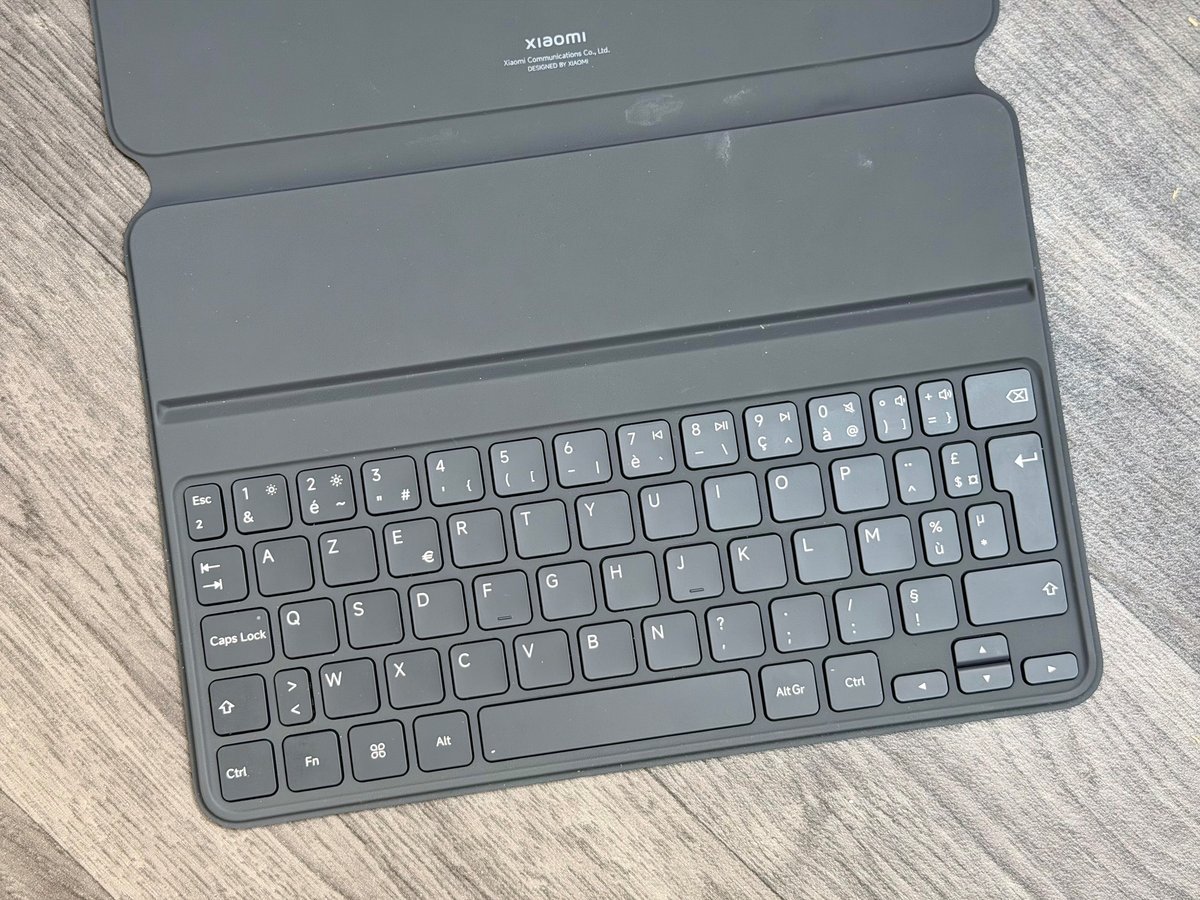
The dock keyboard deserves attention, and I had it in hand for this test. Build quality is up to the mark: materials feel trustworthy, typing is pleasant, and the keys are well sized for daily use. On paper, the promise of a PC-like productivity experience is enticing. But the lack of a trackpad changes everything. Without one, you constantly lift your hand to touch the screen, which disrupts the rhythm when trying to work seriously. You must pair a Bluetooth mouse and carry an extra accessory in the bag. Keyboard shortcuts, though present, lack coherence and ergonomics. The result is a nice accessory for occasional typing, but it doesn’t truly live up to the claimed productivity level. I wouldn’t trade my PC for this tablet to power through a full workday.

Xiaomi Pad 8 Keyboard

Xiaomi Pad 8 Keyboard

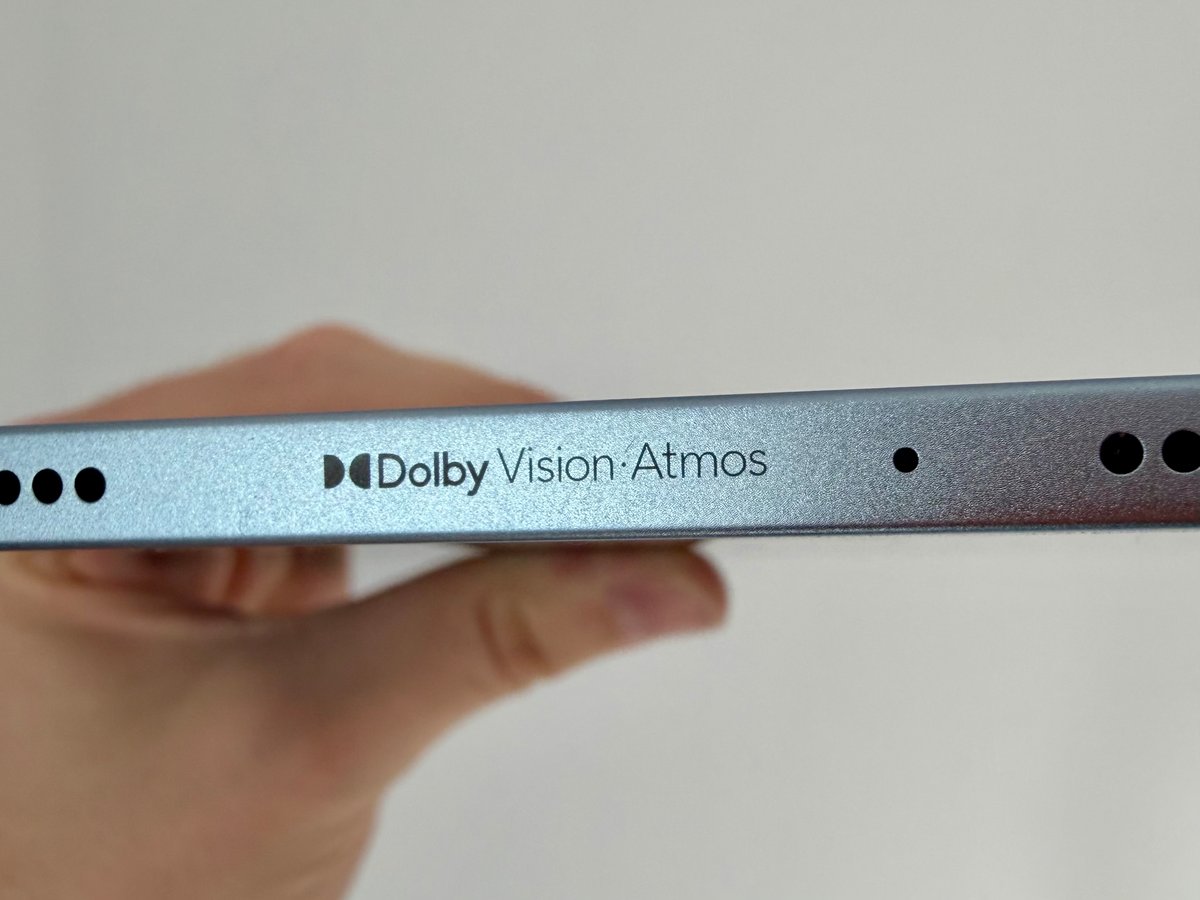
The four Dolby Atmos-enabled speakers provide a solid base for a media-focused tablet. For video and movies, voices are clearly emphasized and remain intelligible, which is essential for this use. But when you raise the volume, the limits become apparent: bass is notably lacking, and distortion sets in at moderate levels. It isn’t catastrophic, but it’s a shame on a tablet intended primarily for content consumption.

The immersive mode doesn’t fix things so much as it exaggerates the imbalance, with overly present spatial effects and occasionally recessed voices. The built-in equalizer helps mitigate the issue without radically altering the sound. For casual use it’s tolerable, but the more discerning will soon reach for a pair of headphones to enjoy films and series in better conditions.

The logo is here, but the sound is another matter ©Mathieu Grumiaux for Clubic

Display: fluid and generous, with a few caveats

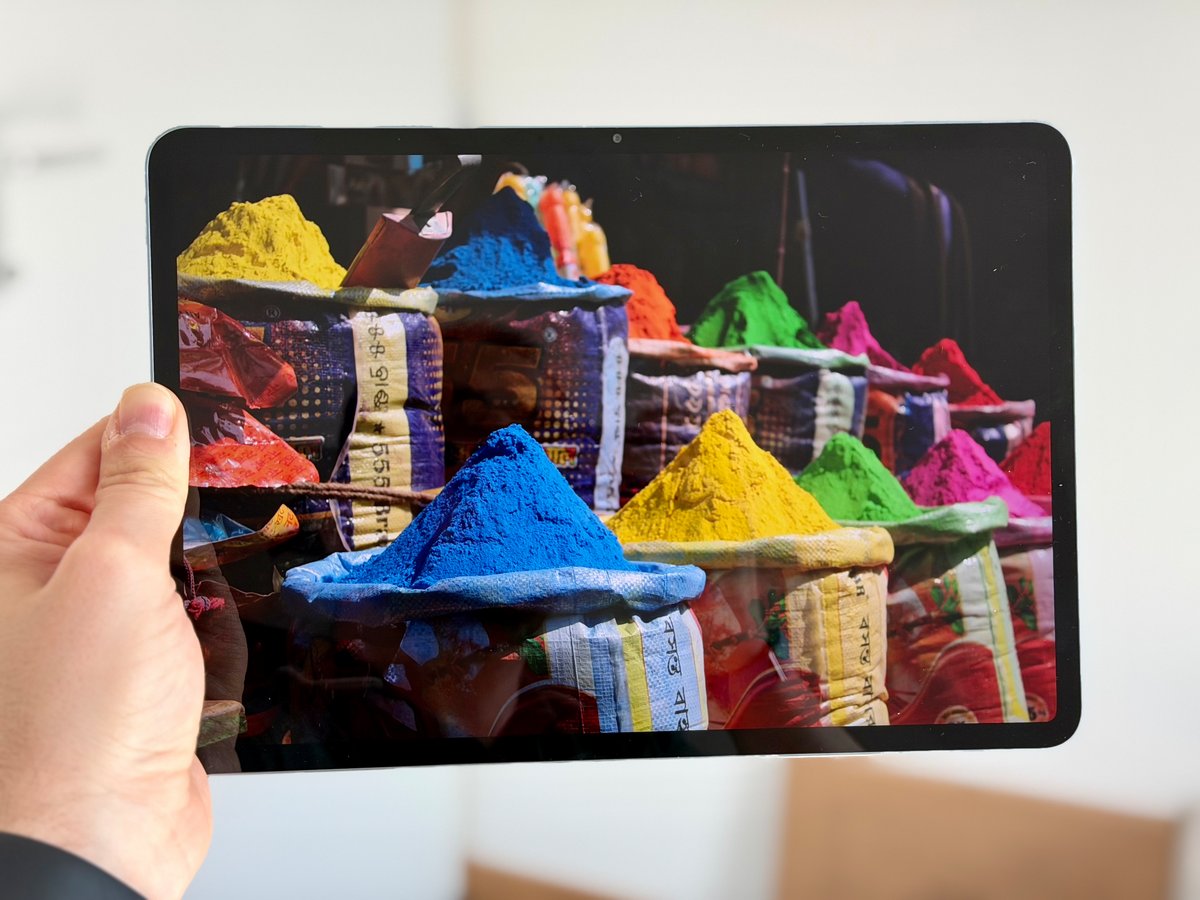
The Pad 8’s screen is clearly one of its strongest arguments. The 11.2-inch LCD panel runs at 3,200 x 2,136 pixels for a density of 336 PPI: sharp, clean, and the 144 Hz refresh rate is genuinely felt in day-to-day use. Navigation, scrolling, and gaming all feel fluid. It’s not just a stat on a spec sheet.

Yes, it’s LCD, not OLED. Some rivals offer deeper blacks and punchier contrast. But at this price and for this use—multimedia, reading, productivity—the absence of OLED isn’t a deal-breaker, just a compromise. Plus, the panel is bright, colors are well-rendered, and HDR10 and Dolby Vision support does the job for most content.

Des couleurs parfois un peu trop flatteuses, mais un écran qui fait plus que le job ©Mathieu Grumiaux for Clubic

HDR remains average in practice, and the maximum brightness around 800 nits lacks ambition for truly impressive high-contrast content. Another drawback is the absence of an anti-reflective treatment: indoors it’s hardly an issue, but outdoors or under direct light reflections can quickly become intrusive.

Performance: power under the hood, but heat to monitor

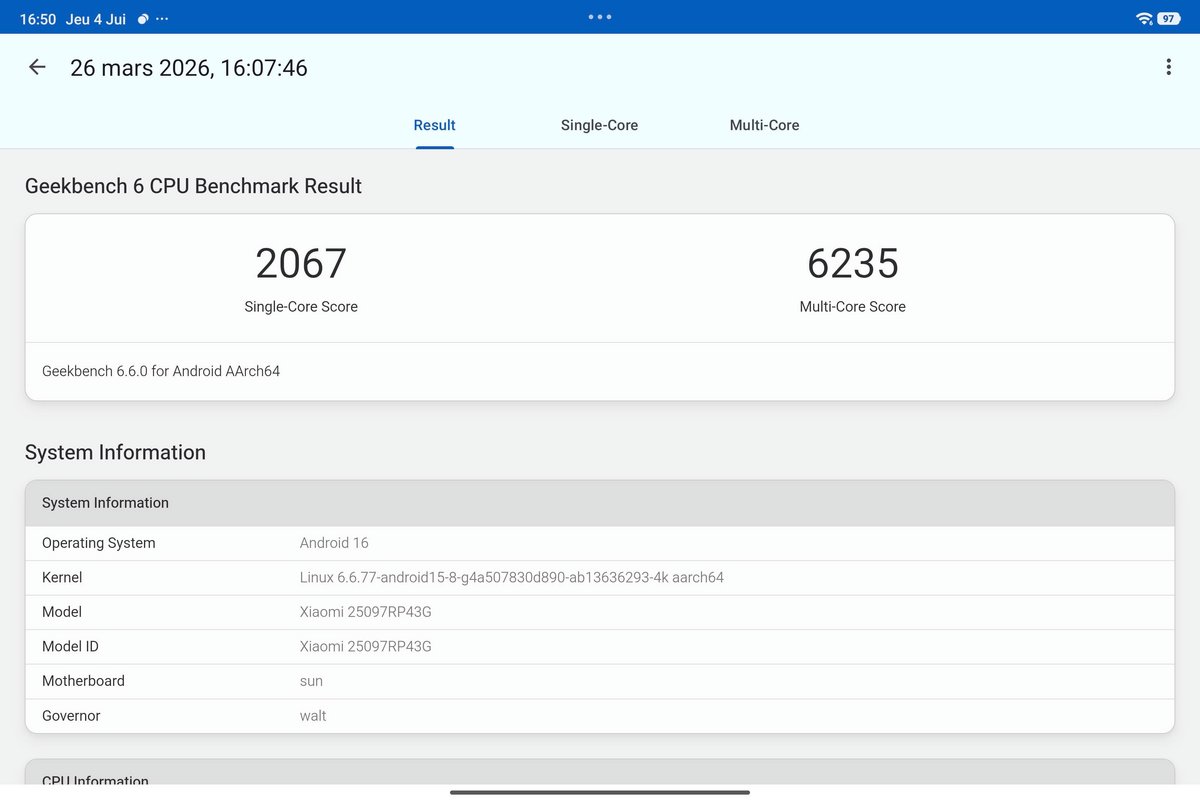
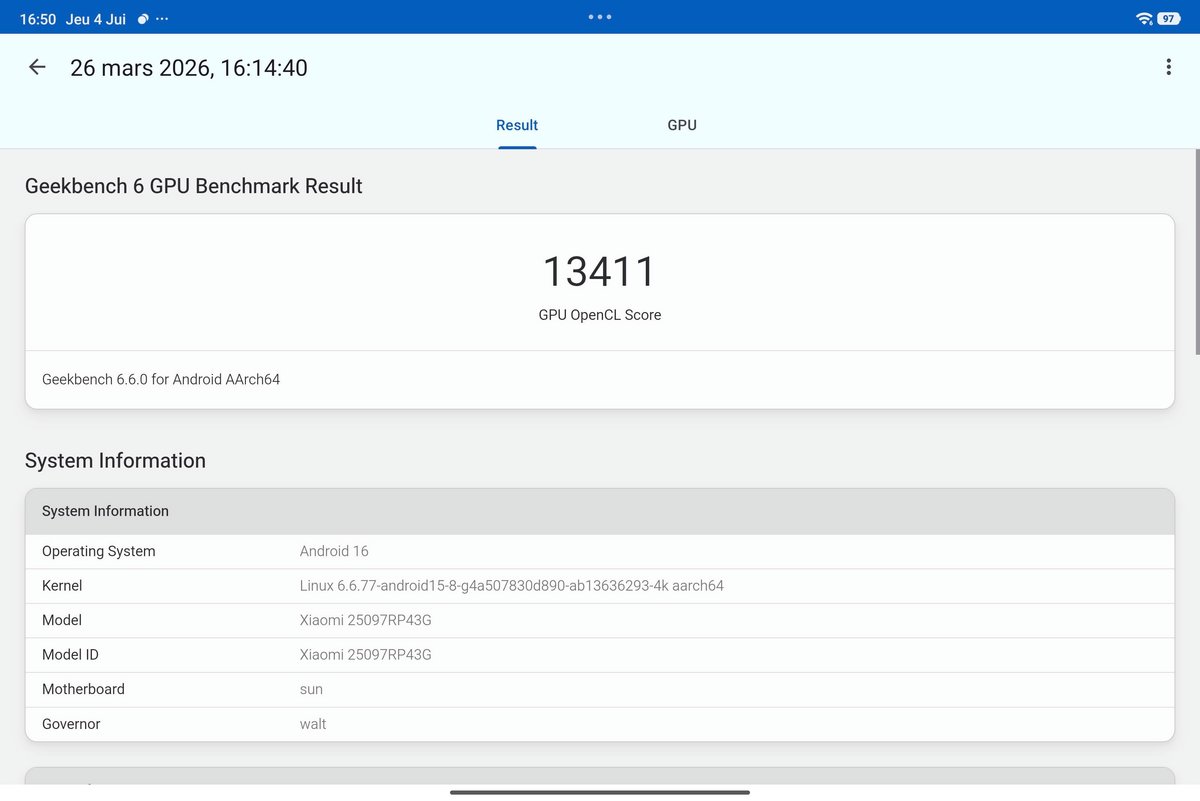
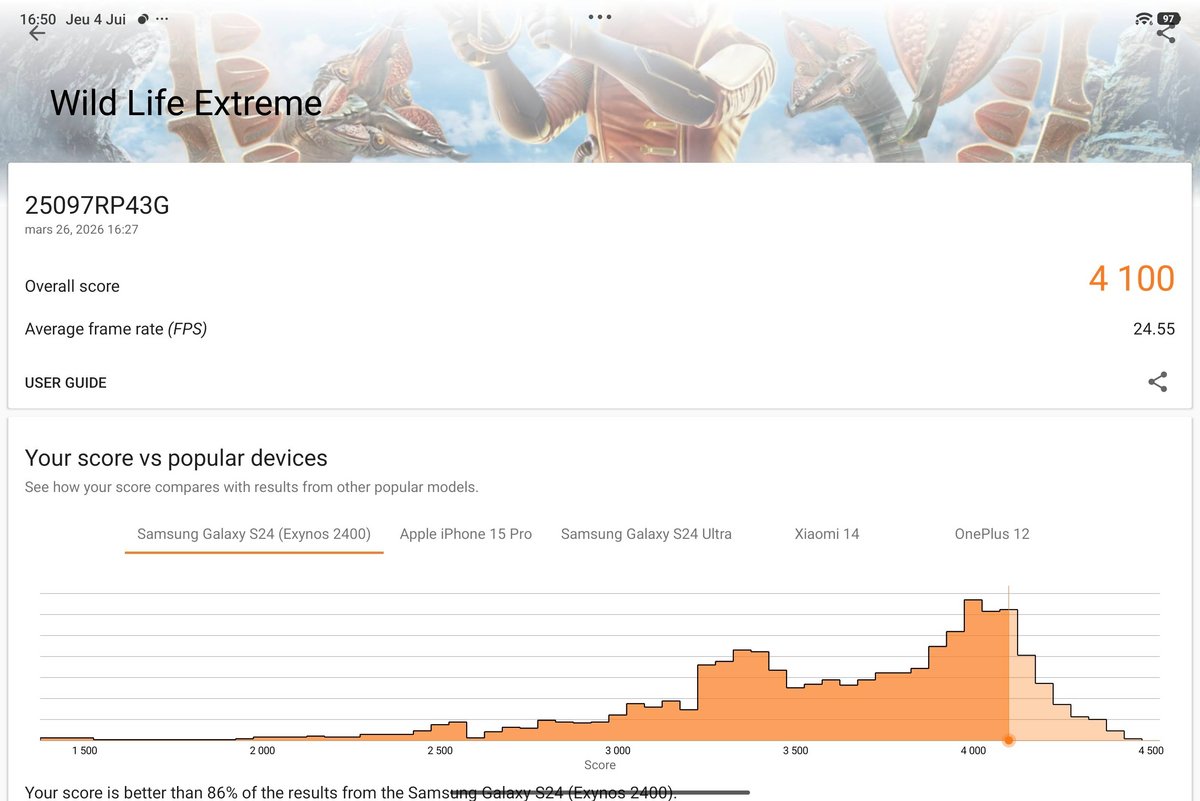
The Pad 8 houses a Snapdragon 8s Gen 4, and it doesn’t joke around. Geekbench confirms it: 2067 in single-core and 6235 in multi-core, scores that place it near the top of the Android tablet range. On the GPU side, the Adreno 825 achieves 13,411 points in OpenCL and 18,457 in Vulkan, with a Wild Life Extreme score of 4100. On paper, it’s solid.

Xiaomi Pad 8 CPU

Xiaomi Pad 8 GPU

Xiaomi Pad 8 Wild Life

In daily use, it shows. HyperOS runs with seamless fluidity, apps open instantly, and multitasking behaves without a hitch. The power is there and it reveals itself from the first minutes of use. For browsing, reading, video, or productivity with the keyboard dock, the Pad 8 never falters.

Where it becomes trickier is when the CPU is truly stressed. Heat builds quickly, and not only during gaming: a long export, a background download combined with active use, and the tablet warms noticeably. Thermal management is clearly the device’s Achilles’ heel. Xiaomi does offer a Game Turbo mode to optimize gaming performance, but in practice the difference is hard to perceive.

©Mathieu Grumiaux for Clubic

In gaming, the assessment is similar. Genshin Impact runs mainly at high settings at 30 FPS, which remains the standard for this kind of hardware. Pushing to 60 FPS is possible, but frame drops appear fairly quickly, likely linked to rising heat. Over long sessions, it’s annoying and really detracts from gaming comfort.

As for photography, let’s be frank: nobody buys a tablet for photography. The Pad 8 has a 13 MP rear camera and an 8 MP front camera, and it does the job for what you’d expect from a tablet. Shots are adequate in good light, with a tendency to oversaturate bright colors. Video goes up to 4K at 30 fps, the microphone is average. For video calls or occasional use, it’s fine. For everything else, your smartphone will still do better.

It's a bit blown out, but the photo block can help ©Mathieu Grumiaux for Clubic

Software and AI: HyperOS is appealing, but ads are a major drawback

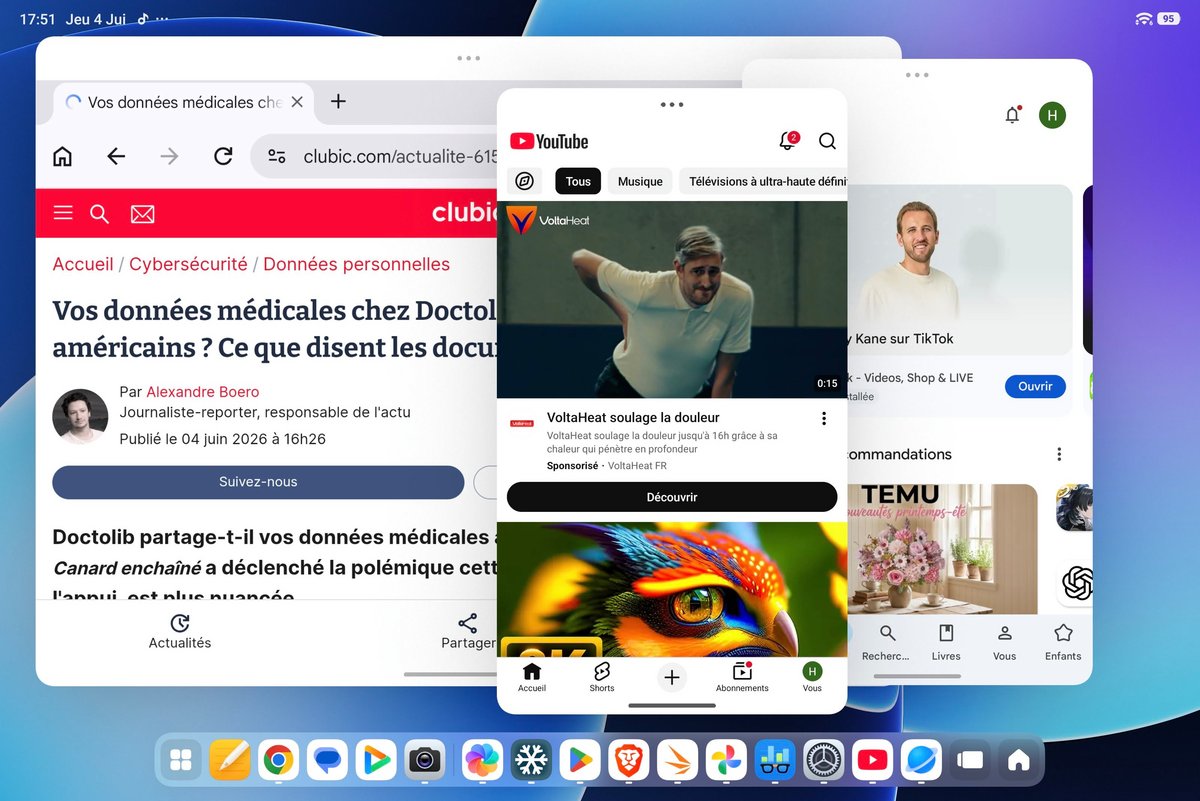
The Xiaomi Pad 8 runs Android 16 with HyperOS 3, and after years of tablet development, the manufacturer clearly knows its stuff. The interface is fluid, clearly optimized for a large display: a permanent dock at the bottom, floating windows, multitasking management designed for the tablet form factor. You can tell Xiaomi did real adaptation work, and it shows. With the keyboard, the bundle is solid for light productivity. It isn’t a PC-like experience, but it’s close enough to be practically useful day-to-day.

The usual multitask window mode for office use: smooth, it works ©Mathieu Grumiaux for Clubic

Xiaomi Pad 8 Keyboard

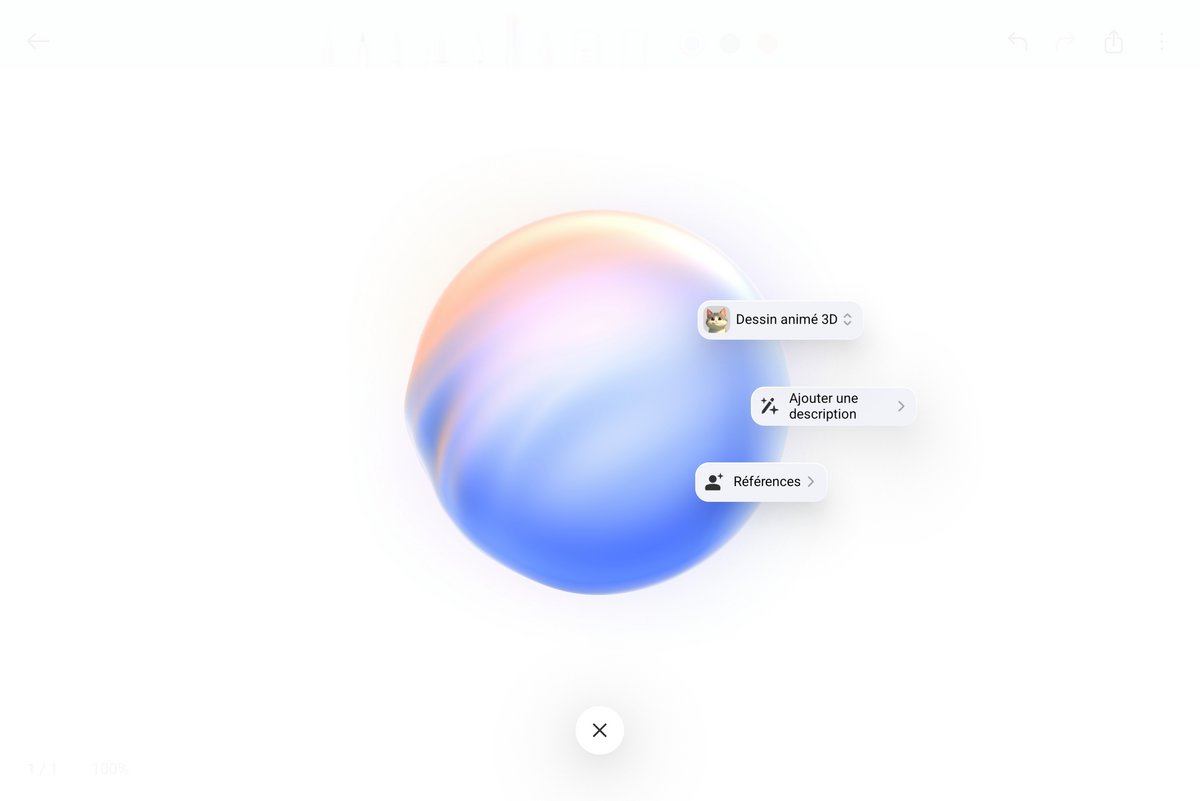
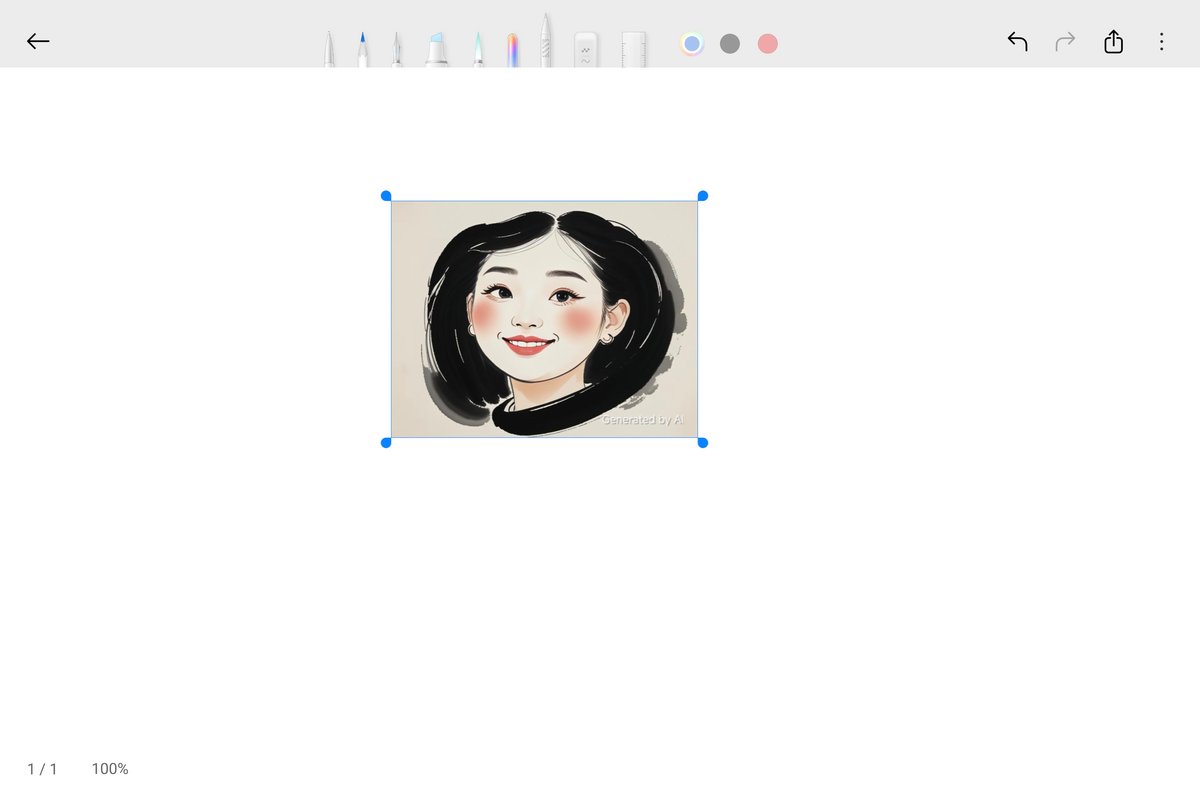
The HyperAI integration, accessible via a Xiaomi account, offers a set of tools with mixed results. The French-writing assistant works well, the AI photo eraser is effective for simple tasks, and the smart resize performs its job. However, the Art AI feature, which generates images from a prompt similarly to an Image Playground on Apple, struggles to persuade with a very distinctive style, and HD upscaling still falls short of expectations.

Xiaomi Pad 8 Art IA

Xiaomi Pad 8 Art IA

The Gemini integration doesn’t really change the game: it remains a basic assistant without real added value compared to what you’ll find elsewhere. A lukewarm assessment, mirroring many branded AI suites: some tools are useful, others are mostly for show. You quickly forget them in favor of a dedicated Gemini or ChatGPT instead.

Battery life and charging: remarkable endurance, disappointing recharge

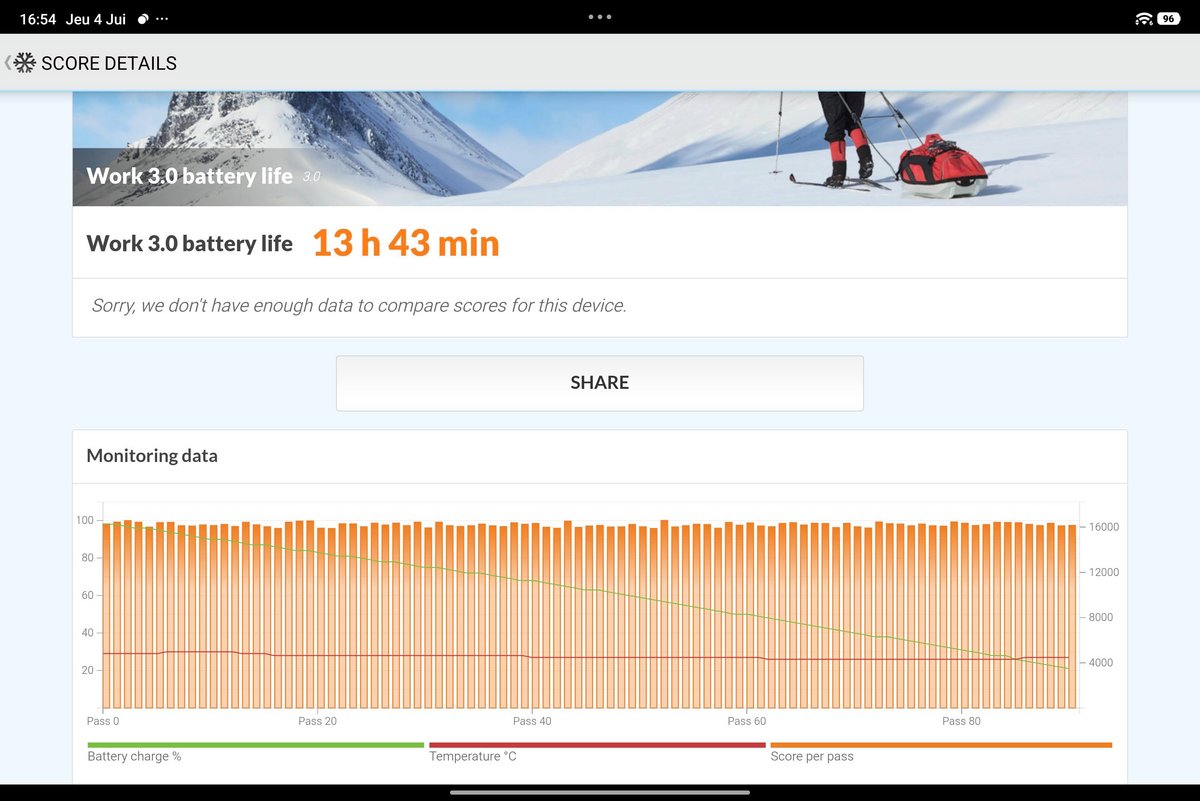
The 9,200 mAh battery lives up to its promise. In sustained reading and multimedia use, the Pad 8 lasted nearly 14 hours in our tests, an excellent result for a tablet in this class. Xiaomi also offers an endurance mode on by default, plus a charger-limit feature at 80% to preserve the battery over the long term. Great options for users who keep their tablet plugged in most of the time.

The Xiaomi Pad 8 is a very endurance-focused tablet in daily use ©Mathieu Grumiaux for Clubic

Where it really hurts is charging. Despite the claimed 45W compatibility, reaching 50% battery takes more than two hours. That’s long, really long, and it clashes with what you’d expect from fast charging in 2026. For heavy use, it can become a constraint.

Conclusion
Overall rating
7 / 10

The Xiaomi Pad 8 is a very good tablet, and it proves it at almost every step of the test. The screen is smooth and generous, the performance is solid, the design inspires confidence, and the endurance is genuinely remarkable for its size. At under 450 euros for the entry model, it’s hard to find a more complete Android option. For budgets seeking premium without paying top dollar, it ticks almost all the boxes.

Of course, not everything is perfect. The heat is the most tangible flaw, the one that really weighs on intensive use and drags down the gaming experience. The audio, despite four speakers and the Dolby Atmos badge, lacks balance and saturates too quickly. And charging, despite the 45W claim, takes an embarrassingly long time. But these are flaws you can live with. What’s harder to swallow is the software experience polluted by ads across Xiaomi’s apps. On a tablet with this level of finish, it stands out.

The Xiaomi Pad 8 isn’t a perfect tablet, but it’s a solid, powerful, well-built device that offers a compelling price/performance ratio. Users willing to clean up the preinstalled apps and accept some thermal trade-offs will find a very recommendable slate here.

The pros
  • Premium design, high-quality finishes
  • Fluid 144 Hz display that’s generous for the price
  • Solid day-to-day performance
  • Excellent battery life, around 14 hours
  • A value-for-money proposition that’s hard to beat on Android
The cons
  • Rapid heating as soon as the CPU is required
  • Audio unbalanced, distortion at medium volume
  • Omnipresent ads in Xiaomi apps
  • Slow recharge despite the 45W headline
Notes
Design and Build

8

Display

8

Performance

8

Software and updates

7

Photo and video

7

Autonomy

7

Best prices

amazon.fr

469,99 €

Fnac

379,99 €

Xiaomi

541,00 €

Daniel Brooks

I cover everyday products with a practical eye, from kitchen tools and home essentials to smart gadgets and consumer trends. My goal is to help readers understand what is genuinely useful, what is worth the price, and what deserves a second look before buying.